A Workhorse for Bulk Handling
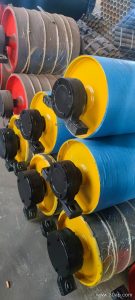
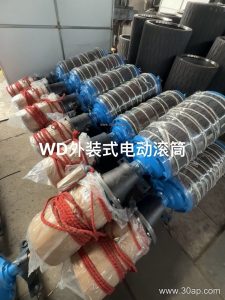
The conveyor welded pulley is a familiar sight in bulk material handling, where it serves as the rotating drum that drives, tensions, or redirects a conveyor belt. Unlike a drive pulley, which transmits power, or a tail pulley that maintains tension, the welded pulley refers to its fabrication method—its shell and end discs are joined by welding rather than casting. This construction gives it a robust, cost-effective profile for continuous operation in quarry lines, cement plants, and coal handling systems. When paired with a quality conveyor belt and supporting idler rollers, it keeps material moving without fuss.
How It Is Made and What Matters
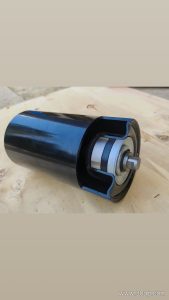
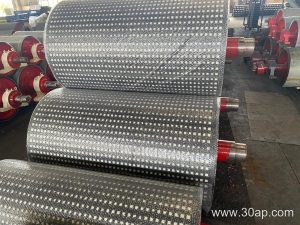
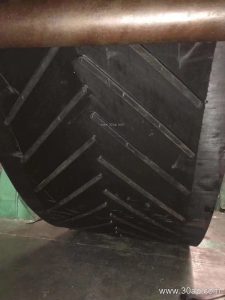
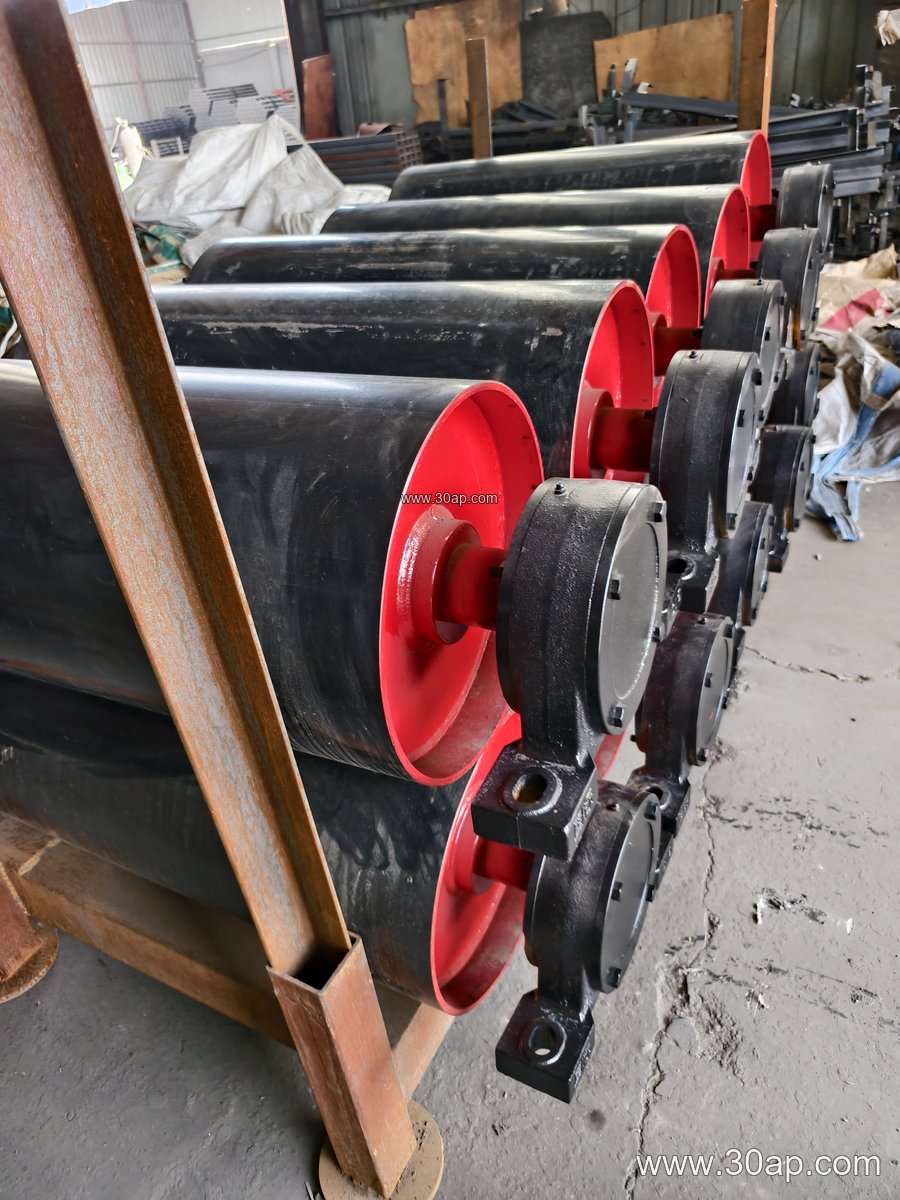
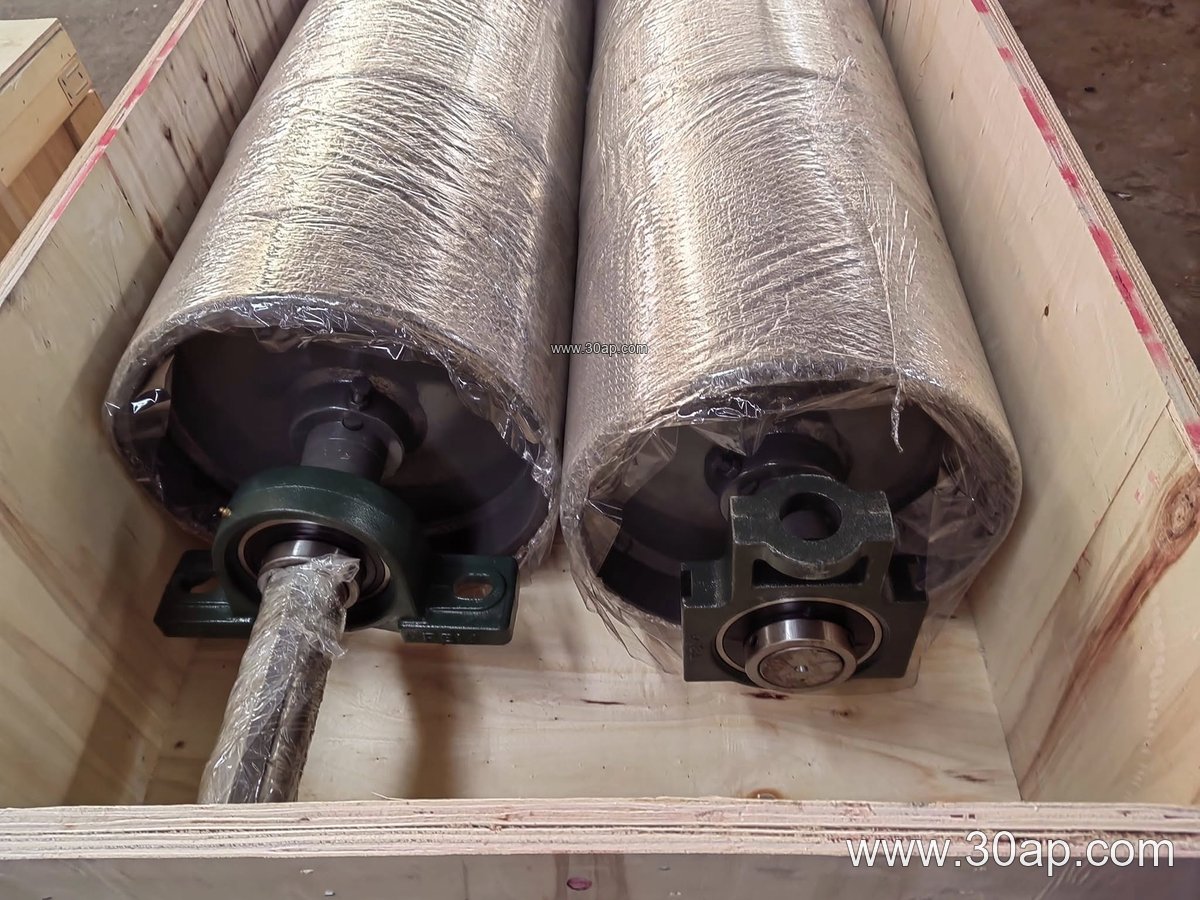
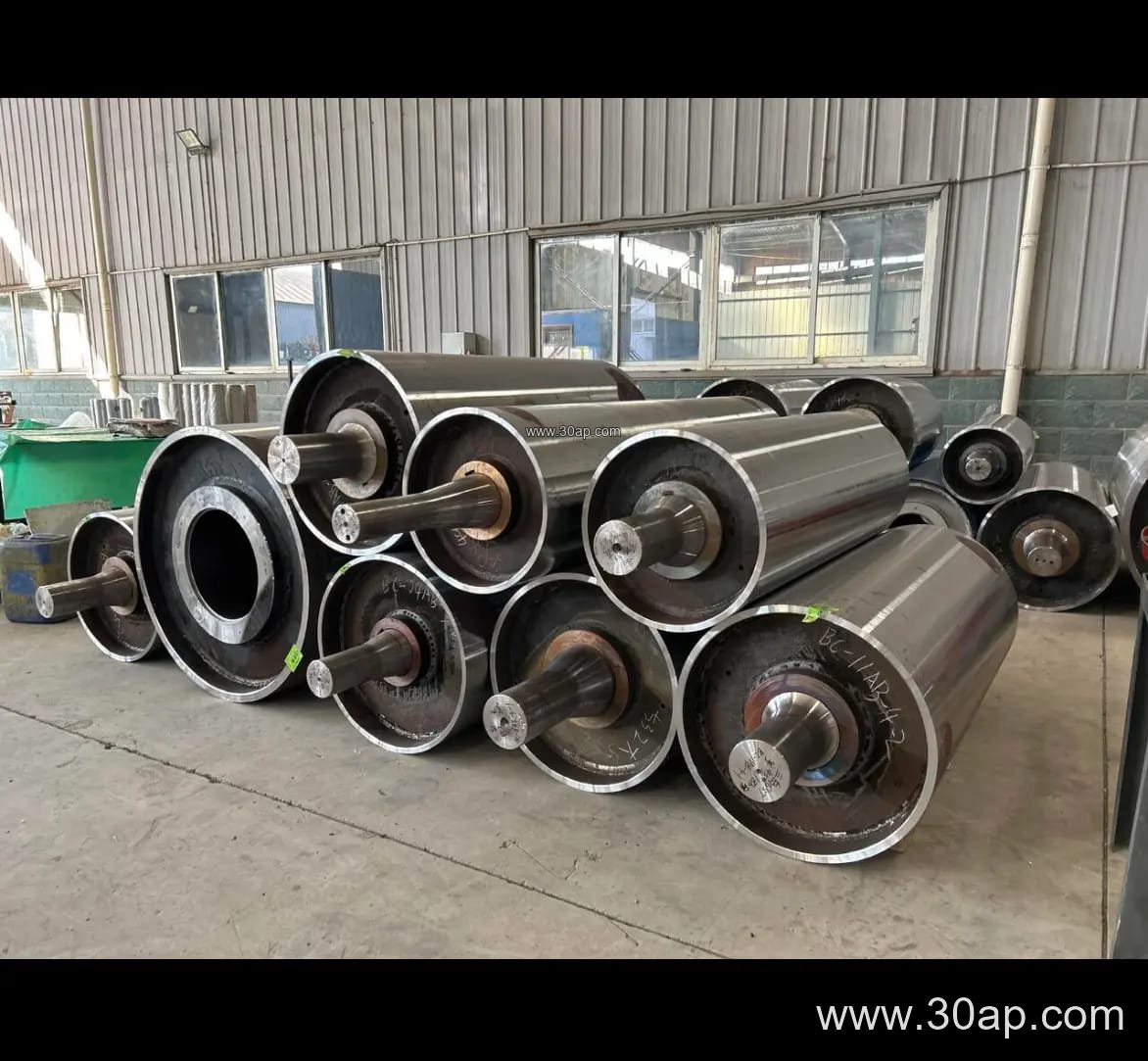
The core of a welded pulley is its cylindrical shell, usually rolled from steel plate and welded to end discs that house the shaft. The shaft is sized by torque and load, not simply by belt width—so a B800 conveyor might use a Ø80 shaft in one duty and a Ø100 in another. Common diameters range from Ø200 to Ø1800, with face widths typically exceeding the belt width: for instance, a B800 belt often runs on a pulley face around 950 mm, while a B1200 belt may use a 1400 mm face. Surface options include plain, diamond grooved, herringbone, and rubber lagging applied cold or hot. Lagging thickness of 8, 10, 12, 15, or 20 mm is chosen to balance grip and wear. These pulleys are often supplied with conveyor brackets for easy mounting.
Where It Fits in the Line
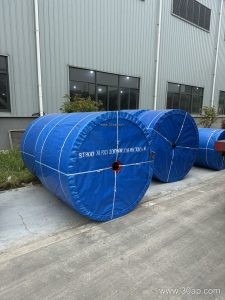
In a typical aggregates plant, the welded pulley turns up as a head pulley at the discharge end, pulling the conveyor belt over the load. Down the line, a bend pulley may redirect the belt’s return path, and a tension pulley keeps slack in check. In coal mining or power plant coal yards, flame retardant conveyor belts run over these pulleys in dusty, abrasive conditions. The welded shell resists the constant flexing and impact that come with moving crushed rock, ore, or clinker. Whether the application is a quarry conveyor belt or an underground mining conveyor belt, the pulley’s welded seams must handle vibration and cyclic loading.
Surface Choices and Their Role
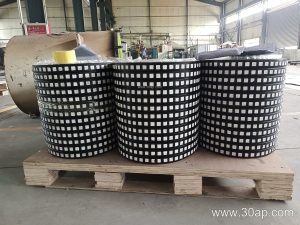
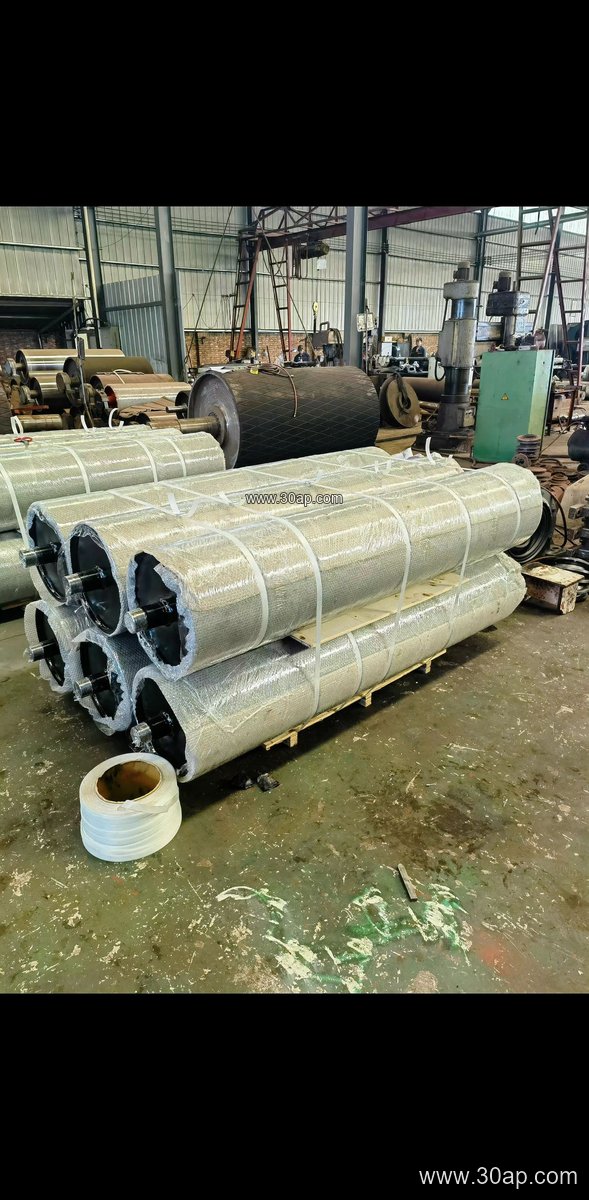
Surface form affects grip and belt life. Plain finish suits light duty and clean conditions. Diamond or herringbone lagging improves traction on wet or inclined belts. Rubber lagging—cold-bonded or hot-vulcanized—adds friction and cushions the belt, which is valuable when the conveyor belt is an abrasion resistant type carrying sharp aggregate. Ceramic lagging offers high wear resistance for high-tension drives. The choice depends on the belt’s cover compound and the environment: an oil resistant conveyor belt may need a compatible lagging, while a heat resistant belt in a cement plant cooler area calls for heat-tolerant rubber.
Buyer’s Checklist
Before specifying a conveyor welded pulley, gather the belt width, expected tension, shaft torque, and environmental factors. Confirm the pulley diameter—larger diameters reduce belt bending stress, which matters for steel cord conveyor belts and thick fabric cores. Check that the face width and lagging thickness match the belt and load. Ensure the shaft diameter is calculated from torque, not assumed from belt width. Ask about dynamic balancing for high-speed applications and verify weld quality. For corrosive settings, consider a protective coating. Keep in mind that a drive pulley and a tail pulley are not interchangeable; each has a distinct role, and the welded pulley may appear in either position. Finally, plan for maintenance: check lagging wear and shaft alignment periodically. A well-chosen welded pulley, matched with the right idler roller and bracket, will keep your conveyor system running smoothly from primary crushing to ship loading.