What a Belt Conveyor Trough Idler Does
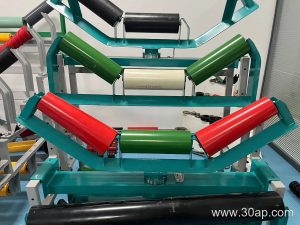
A belt conveyor trough idler is the set of rollers that supports the carrying run of a conveyor belt and shapes it into a trough. This idler roller assembly is usually made up of two or three rolls mounted on a common frame, with the side rolls angled upward to keep bulk material centered. In a quarry, cement plant, or coal handling system, the trough idler is the component that quietly carries most of the load. If you are sourcing components for a new conveyor or replacing worn rollers, understanding how these idlers are built and selected will save time and avoid mismatches on site.
Construction and Common Configurations
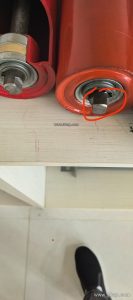
Most trough idler sets consist of steel tubes fitted with sealed bearings, a shaft, and a frame that holds the rolls at a fixed trough angle. The roll surface can be plain steel, nylon, or rubber-covered, depending on whether impact, abrasion, or material build-up is a concern. Common configurations include single-roll, two-roll, and three-roll trough sets. Three-roll sets are widely used on bulk material conveyor belts because they provide good belt support and stable material containment.
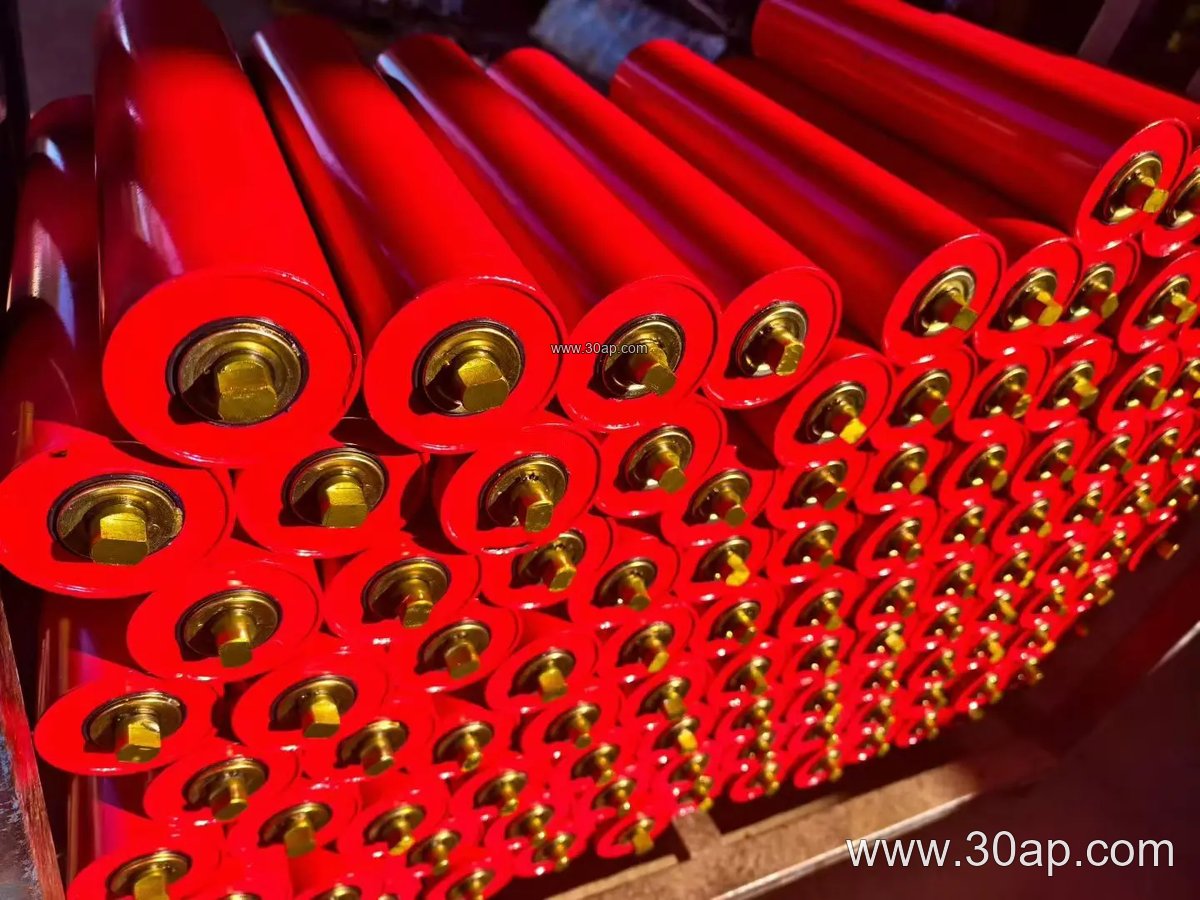
Roll diameters are usually selected to match belt width and load. Typical sizes include Ø63, Ø76, Ø89, Ø102, Ø108, Ø127, Ø133, Ø159, Ø178, Ø194, and Ø219 mm. Trough angles of 20, 30, 35, and 45 degrees are common, with 35 degrees often found on medium and heavy-duty installations. Bearings such as 6204, 6205, 6305, 6306, 6308, and 6310 are used across the range, but the bearing choice should always follow the idler manufacturer’s design rather than a single rule of thumb.
| Belt Width | Common Roll Length Example for Three-Roll Trough Set |
|---|---|
| B500 | 200 mm |
| B650 | 250 mm |
| B800 | 315 mm |
| B1000 | 380 mm |
| B1200 | 465 mm |
| B1400 | 530 mm |
| B1600 | 600 mm |
| B1800 | 670 mm |
| B2000 | 750 mm |
These roll lengths are common examples, not fixed pairings. Side rolls and center rolls can differ, and the final dimensions should be confirmed against the conveyor drawing.
Where Trough Idlers Are Used
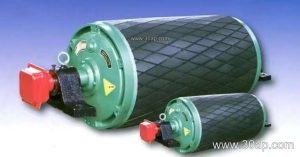
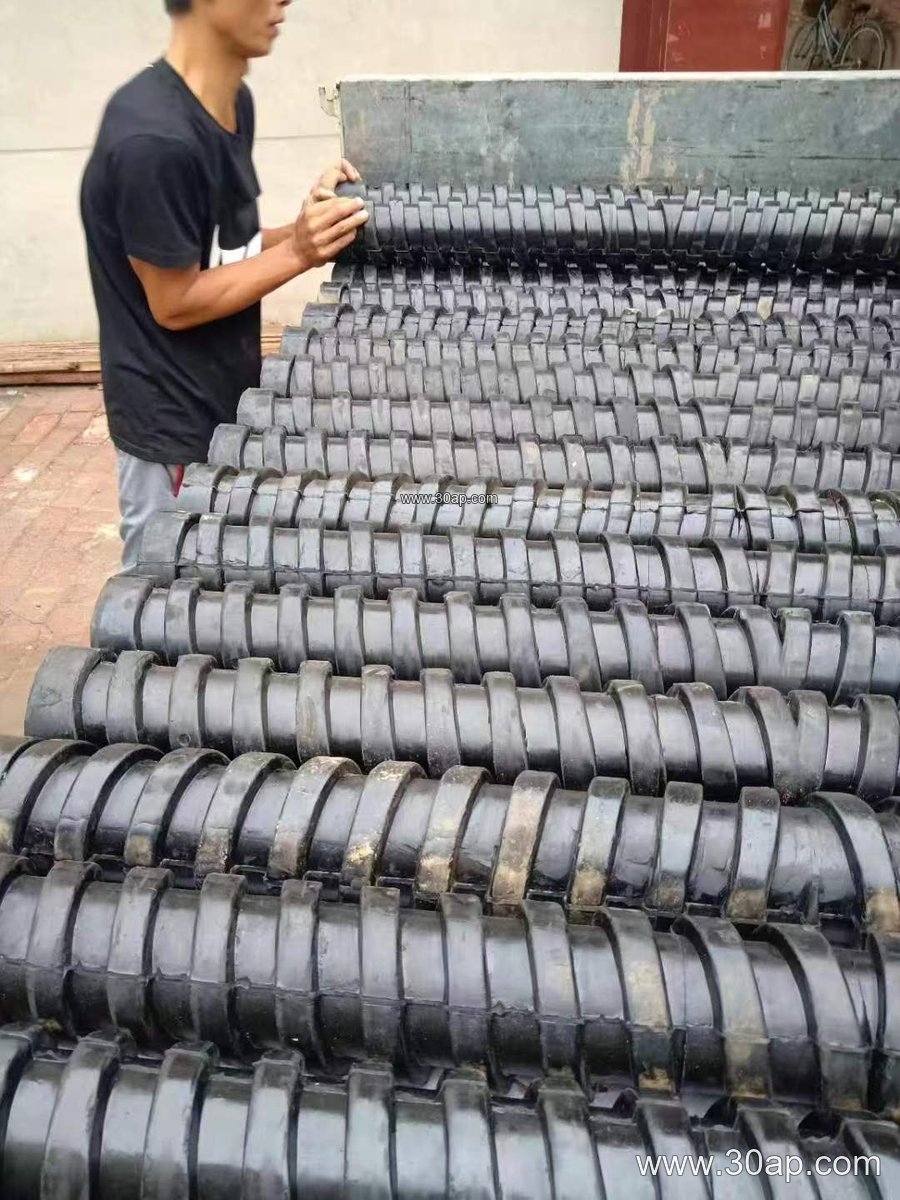
You will find belt conveyor trough idlers in abrasive and dusty environments such as limestone quarries, iron ore handling, coal preparation plants, cement kilns, and power station coal yards. They also appear in aggregate lines, crushing and screening circuits, and port bulk terminals. In these settings, the trough idler works together with the conveyor belt, conveyor pulley, and conveyor bracket to keep the belt tracking and the load stable.
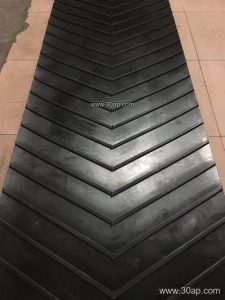
Material type matters. A rubber conveyor belt or an abrasion resistant conveyor belt may be paired with rubber-disc impact idlers at transfer points, while a flame retardant conveyor belt in underground coal mining calls for idlers with suitable sealing and bearing protection. For long overland lines, a steel cord conveyor belt or high strength conveyor belt may use larger diameter rolls to reduce rolling resistance.
Selection and Maintenance Notes
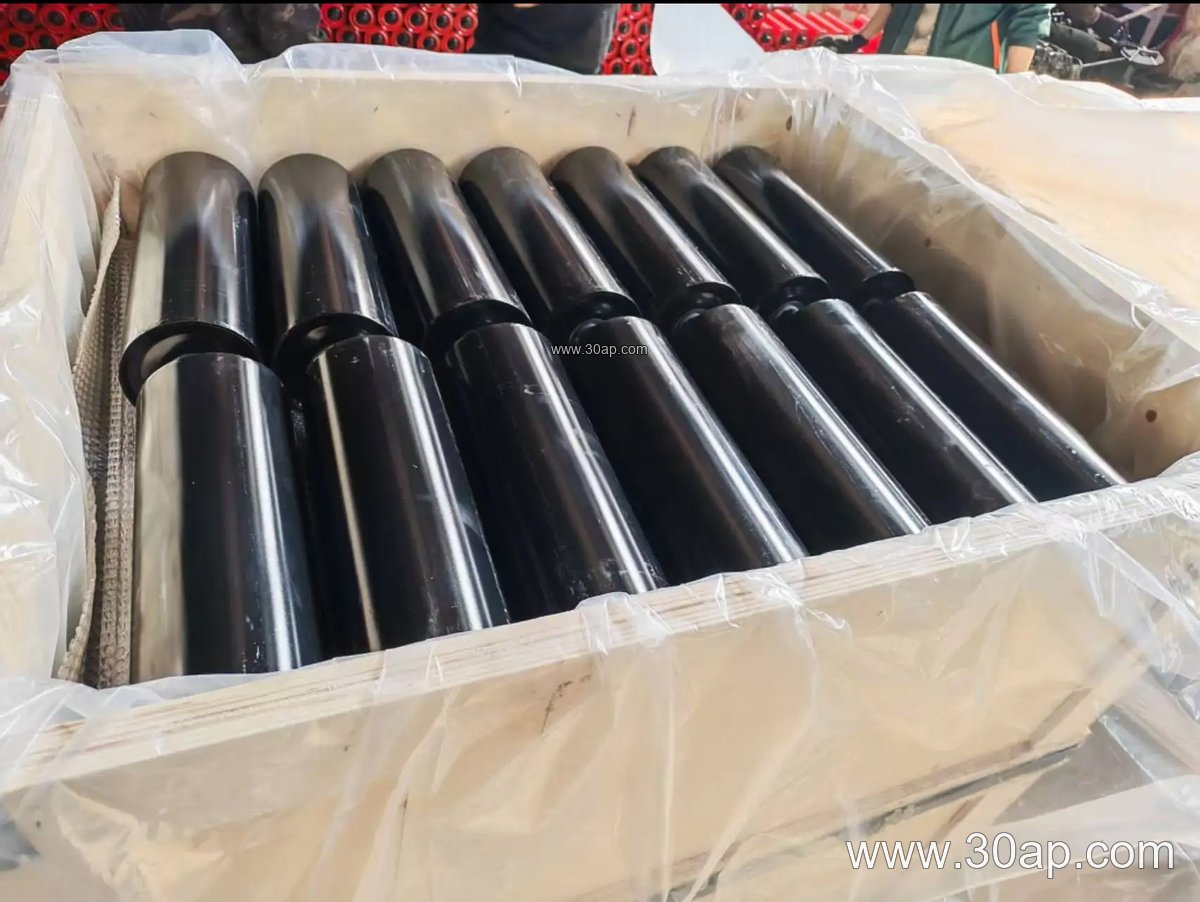
Buyers should match the trough idler to belt width, belt speed, material lump size, and the actual load per roll. A wider belt does not automatically require a specific pulley diameter, and shaft size should come from the idler design, not from belt width alone. Check the frame height and mounting holes against the conveyor bracket before ordering.
Sealing quality is often the difference between long service and frequent replacement. Dust and water ingress damage bearings quickly, especially in wash-down or muddy conditions. During maintenance, inspect for seized rolls, worn shells, and material build-up that can misalign the belt. Replacing a worn trough idler early helps protect the conveyor belt and avoids spillage.
For more information on conveyor components, visit conveyor idler and conveyor belt resources.