What the Impact Idler Bracket Does
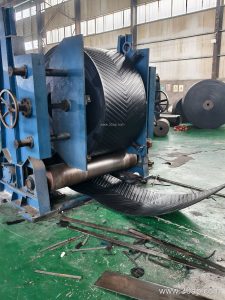
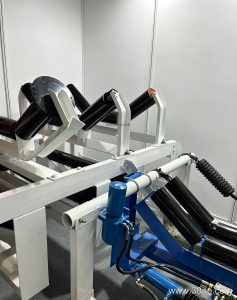
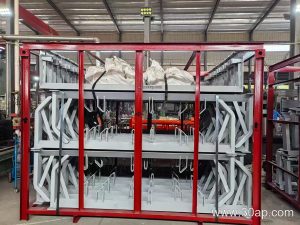
An impact idler bracket is the support frame that holds the impact idler rollers directly beneath a conveyor loading point. Its job is not simply to hold a roller in place. It absorbs and distributes the force of falling material, keeps the belt profile stable at the moment of impact, and protects both the idler roller and the conveyor belt from concentrated shock. In a quarry conveyor line, a crusher discharge, or a coal mining conveyor transfer tower, this bracket is often the first structural component to feel the load.
The bracket works together with the troughing set above it and the belt line as a whole. Where a standard troughing bracket is built for steady running loads, the impact version is built for repeated shock. Buyers sometimes confuse it with a transition bracket or a self-aligning bracket; those serve different positions and purposes, and they are not interchangeable with an impact bracket.
Construction and Mounting Position
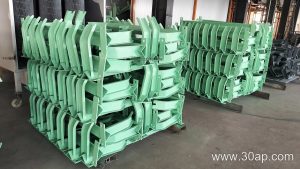
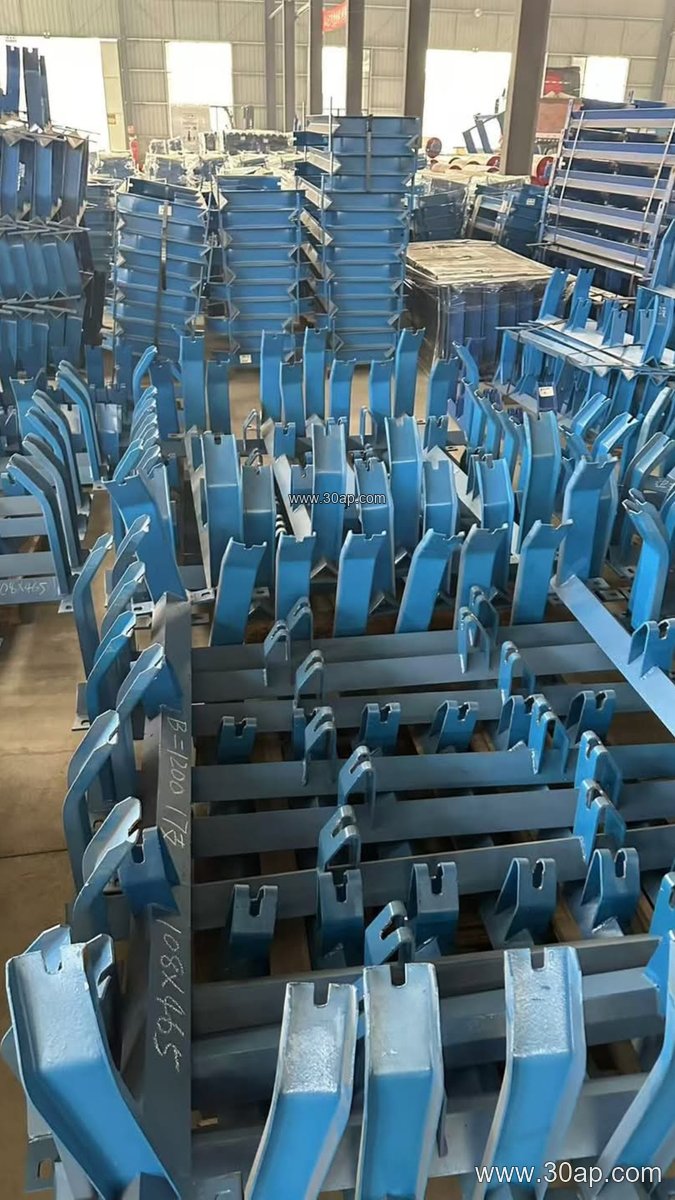
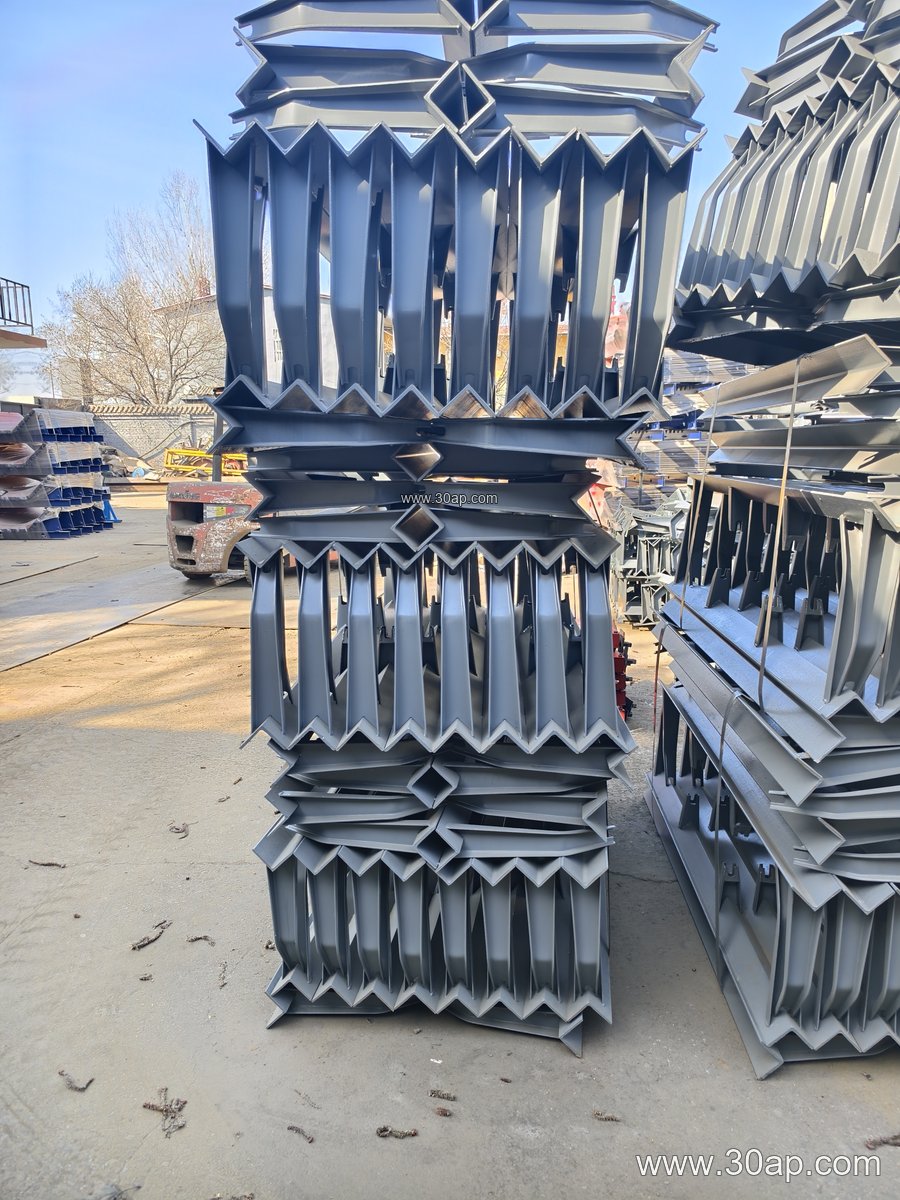
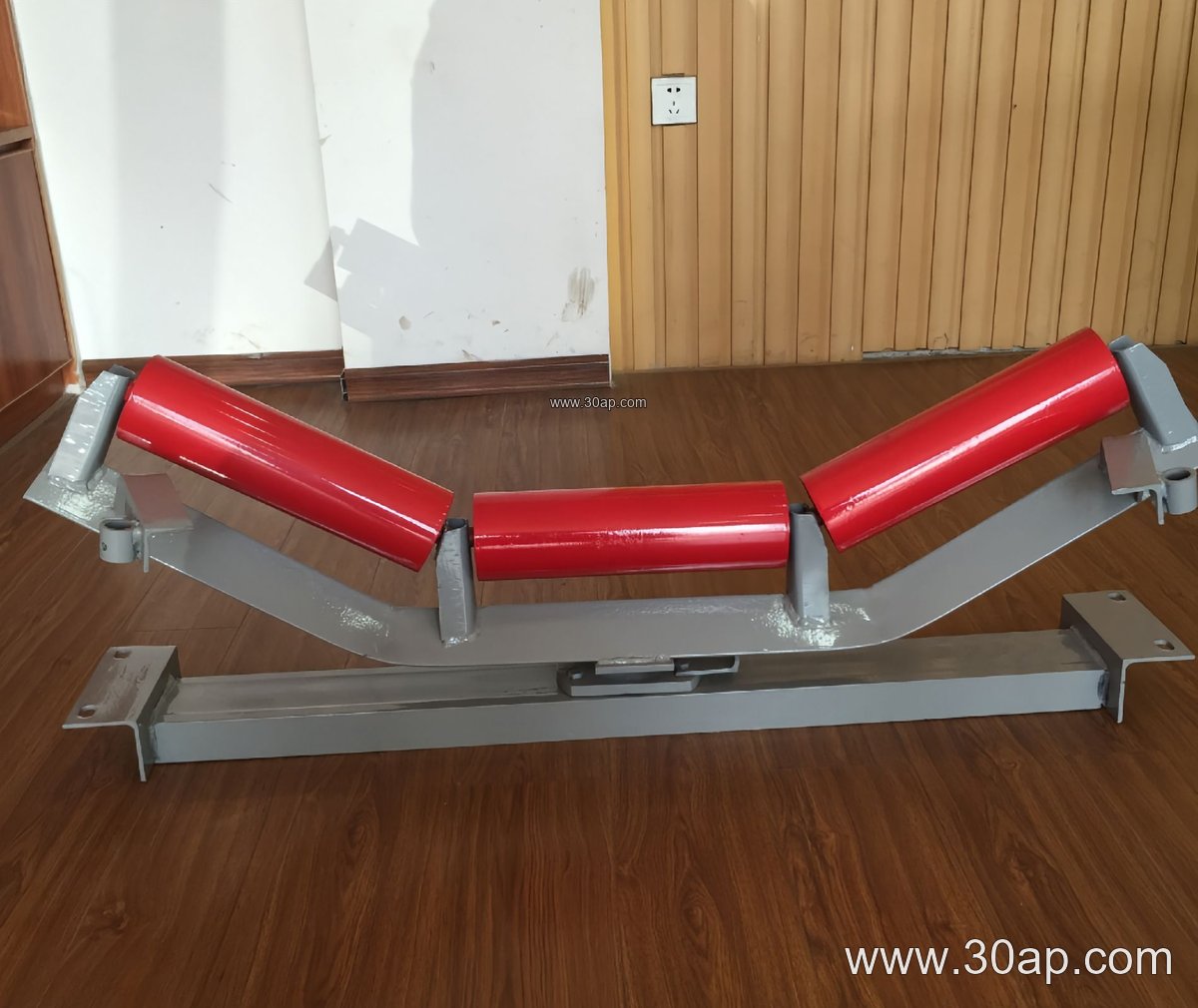
Most impact idler brackets are fabricated from angle steel, channel steel, or folded steel plate. The frame is welded or bolted and carries mounting slots that allow the idler roller shafts to sit at the required trough angle. Because the bracket sits under the loading zone, it is commonly reinforced with gussets or a heavier cross member than a standard frame.
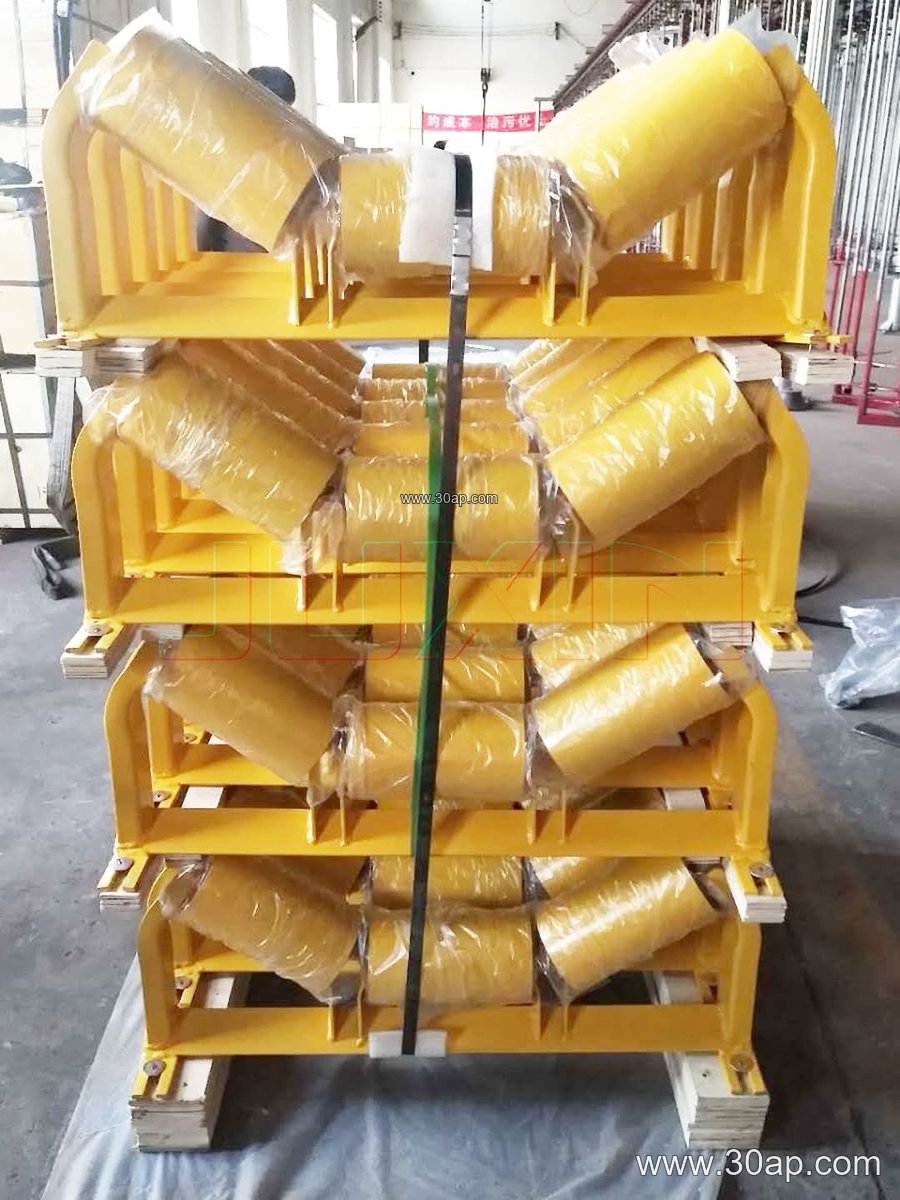
Typical mounting locations include:
- Below the chute or hopper discharge point
- At the crusher outlet on a stone crushing conveyor
- Under transfer points in a cement plant or power plant coal handling system
- At the feed end of a ship loading or port conveyor
Mounting hole spacing and cross beam length are determined by belt width and trough angle, so they should be confirmed against the actual conveyor design rather than assumed from one dimension.
Belt Width, Trough Angle and Roller Diameter
The bracket must match the belt width, the required trough angle, and the roller diameter used at that station. Common belt widths range from B500 and B650 through B800, B1000, B1200, B1400, B1600, B1800, B2000, and up to B2200. Trough angles of 20, 30, 35, and 45 degrees are frequently specified, with adjustable brackets able to move between these angles. Roller diameters such as Ø89, Ø108, Ø133, Ø159, and Ø194 are used depending on load and belt speed.
These values are reference data, not fixed combinations. A B800 belt does not automatically dictate one trough angle or one roller diameter; the correct set depends on material lump size, drop height, capacity, and conveyor speed. A B1200 line with a 45 degree trough and Ø133 rollers is one possible arrangement, while a B650 feeder with 30 degrees and Ø89 rollers is another.
Common Reference Configurations
| Belt Width | Trough Angle | Roller Diameter | Typical Use |
|---|---|---|---|
| B500 | 20 to 30 degrees | Ø89 | Small transfer points, light aggregate |
| B650 | 30 degrees | Ø89 to Ø108 | Sand and gravel feed stations |
| B800 | 30 to 35 degrees | Ø108 | Quarry and crusher discharge |
| B1000 | 35 degrees | Ø108 to Ø133 | Cement plant and coal handling |
| B1200 | 35 to 45 degrees | Ø133 | Heavy ore and bulk material lines |
| B1400 | 35 to 45 degrees | Ø133 to Ø159 | Port and steel plant conveyors |
| B1600 to B2000 | 35 to 45 degrees | Ø159 to Ø194 | High capacity mining conveyors |
Selection and Maintenance Notes
Choose an impact idler bracket that matches the conveyor frame dimensions and the idler roller shaft size at the loading station. Check the drop height and material lump size first, since these determine whether a standard impact bracket or a reinforced heavy-duty frame is appropriate. On an iron ore or copper ore line, abrasion and shock are both high, so the bracket and the belt beneath it should be reviewed together.
Inspection should focus on weld cracks, bent cross members, loose mounting bolts, and wear at the shaft seats. A bracket that has shifted can change the trough profile and cause the belt to mistrack. When replacing rollers at the loading point, keep the same bracket position and confirm that the replacement roller diameter matches the frame opening.
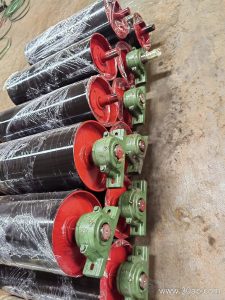
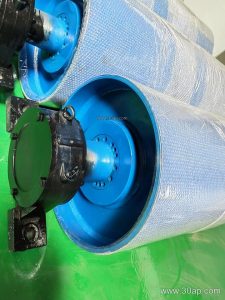
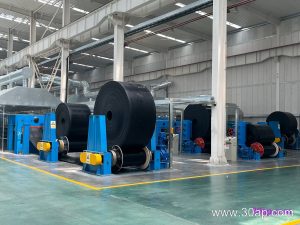
The bracket is only one part of the system. It relies on a suitable conveyor belt, correctly sized idler rollers, and a stable conveyor pulley arrangement to perform well. For loading zones handling abrasive rock or coal, an abrasion resistant conveyor belt or flame retardant conveyor belt is often specified alongside the impact bracket. Matching the bracket to the belt and roller design at that station is the most reliable way to reduce downtime.