What a Q235 Conveyor Bracket Does
A Q235 conveyor bracket is the structural interface between a conveyor frame and the rollers that carry or return the belt. Often called a Q235 conveyor support bracket or a Q235 roller bracket, it holds idler roller assemblies at the correct position, height and angle so the belt runs smoothly under load. In a typical stone crushing line or a cement plant clinker transport section, dozens of these brackets work together to keep the belt profile consistent from loading point to discharge.
The Q235 grade refers to the common structural carbon steel used for the bracket body. It offers reliable weldability, predictable strength and good availability, which makes it a practical choice for general bulk material handling. Brackets can be produced from angle steel, channel steel or folded steel plate, depending on the load and the frame design.
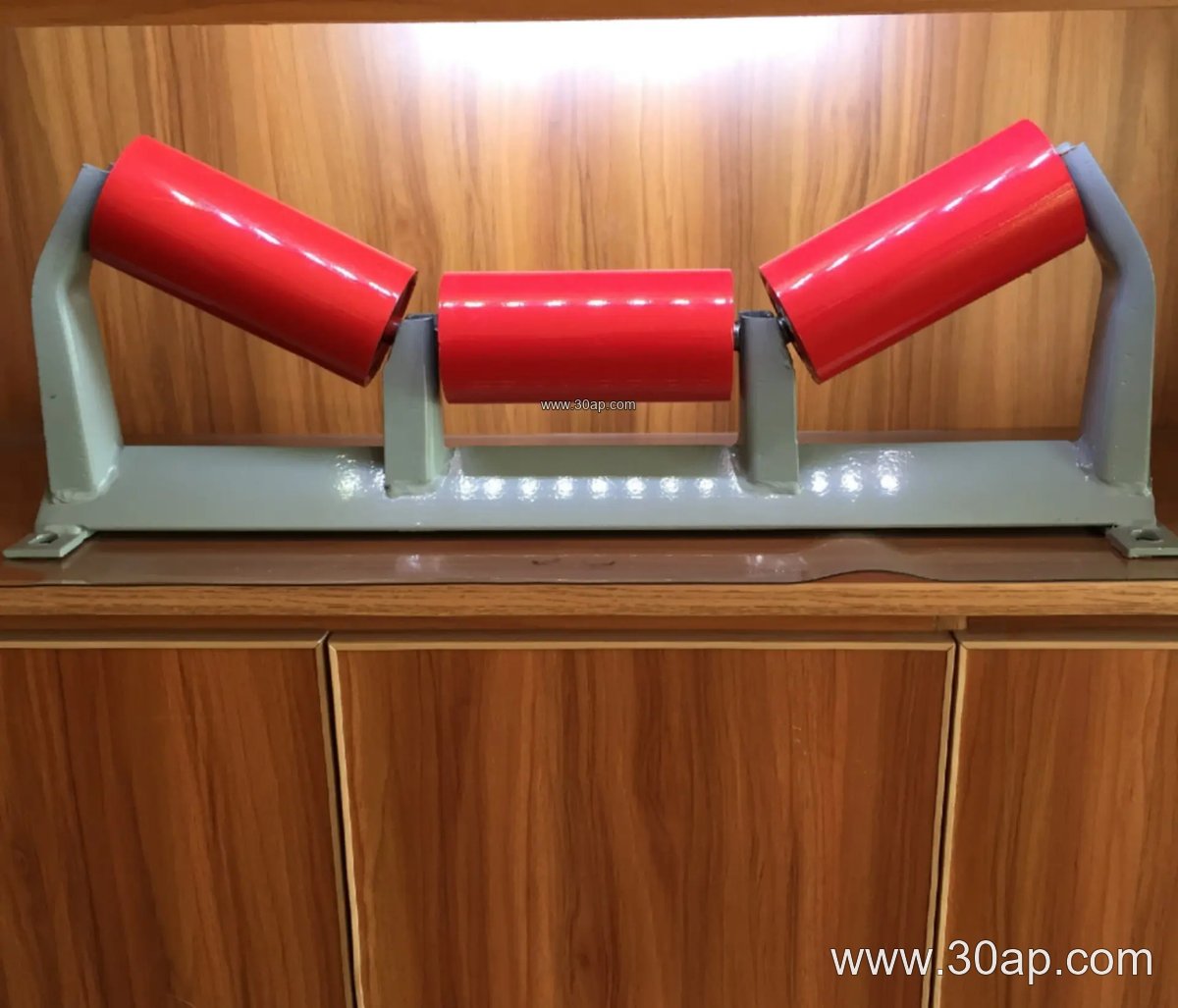
How the Bracket Is Built
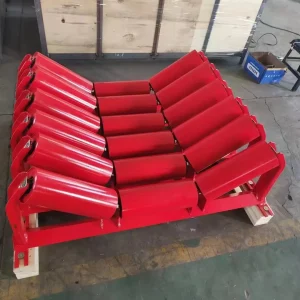
Most brackets are fabricated as a welded assembly. A cross beam or base plate carries the mounting seats, and inclined or vertical arms position the roller shafts. Bolt slots are punched or drilled to match the conveyor frame. For troughing positions, the bracket sets the trough angle; for return positions, it supports flat or V-shaped idler arrangements.
- Material: Q235 carbon steel in angle, channel or folded plate form
- Finish: often painted, primed or galvanized for corrosion protection
- Mounting: bolted to the frame, with slots allowing alignment adjustment
- Function: carries idler roller loads and maintains belt profile
Because the bracket works together with the conveyor belt, the idler roller and the conveyor pulley, small alignment errors can cause belt wander or edge wear. A well-built bracket keeps the roller axis square to the belt centerline.
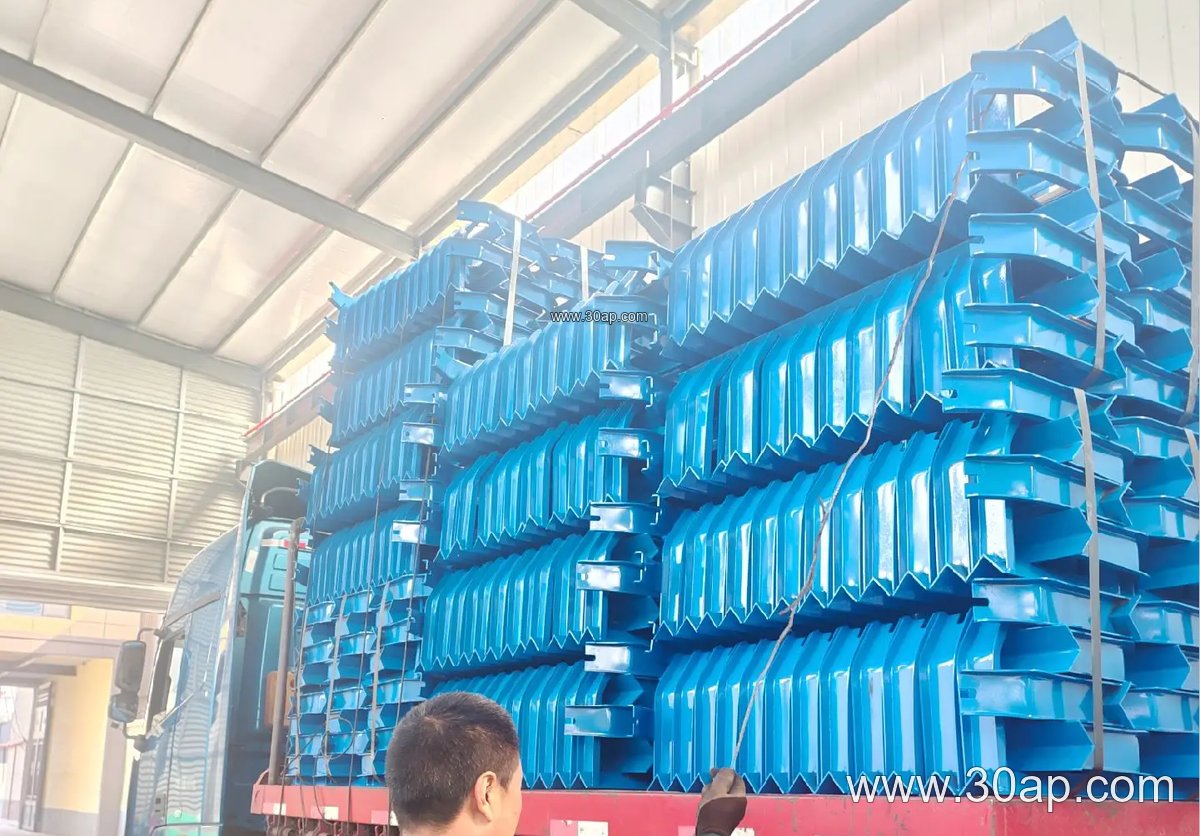
Common Types and Where They Fit
The bracket family covers several positions along the conveyor. Troughing brackets support the carrying side, return brackets support the empty side, and transition or impact brackets handle specific zones. The table below shows typical reference combinations, not fixed rules.
| Bracket Type | Typical Belt Width | Common Trough Angle | Reference Roller Diameter |
|---|---|---|---|
| Troughing bracket | B650, B800, B1000 | 30°, 35° | Ø89, Ø108, Ø133 |
| Transition bracket | B1000, B1200, B1400 | 20° to 35° | Ø108, Ø133, Ø159 |
| Return bracket | B800, B1200, B1600 | Flat or V-return | Ø108, Ø133, Ø159 |
| Impact bracket | B1000, B1400, B1800 | 35°, 45° | Ø133, Ø159, Ø194 |
Adjustable brackets allow the trough angle to be changed between common values such as 20°, 30°, 35° and 45°. A slight forward tilt of about 1.5° to 2° is sometimes used on training brackets to help center the belt. These values are design choices, not universal settings.
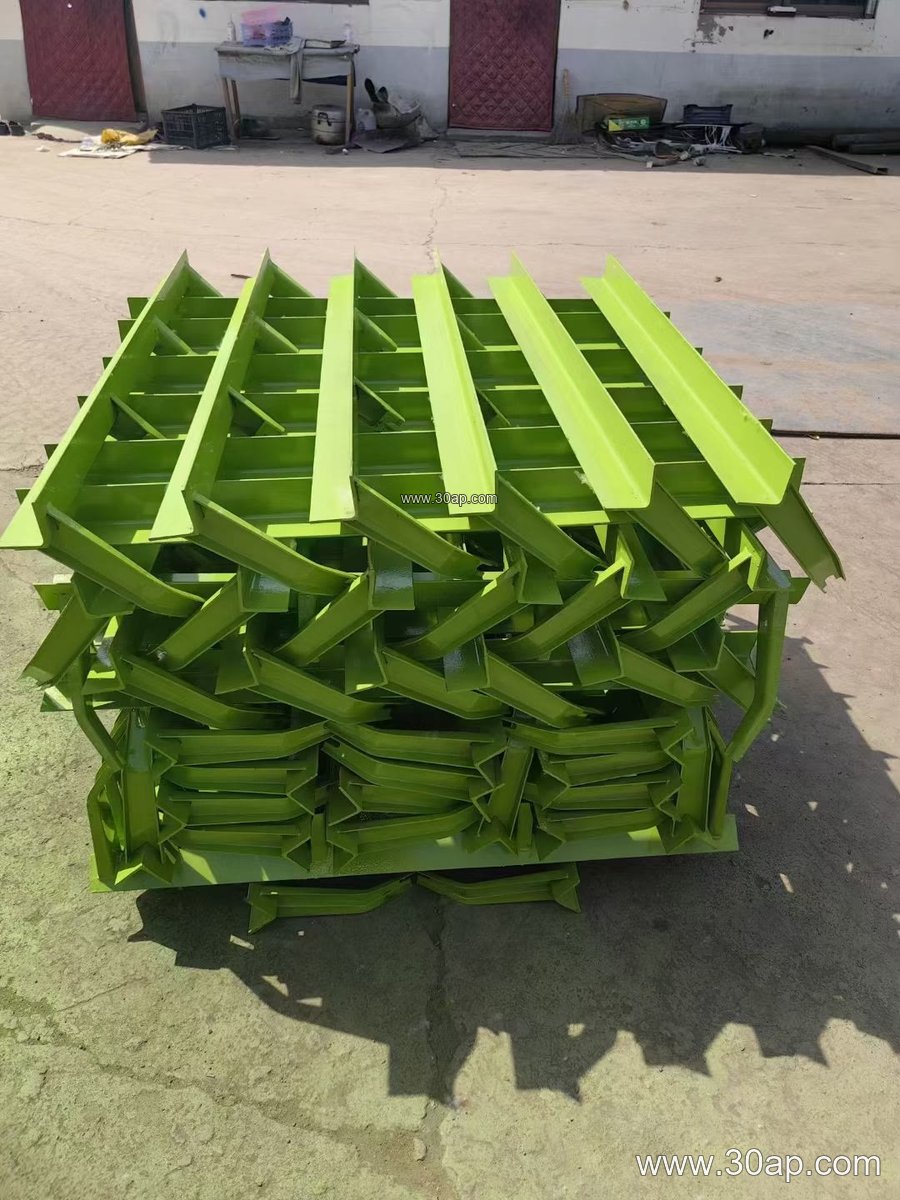
Applications Across Bulk Handling
In a limestone quarry or an iron ore transfer station, dust, impact and heavy loads punish every component. A robust Q235 conveyor bracket helps keep the idler roller train stable, which in turn protects a heavy-duty mining conveyor belt from misalignment. In a coal handling plant or a power plant coal yard, flame retardant conveyor belt grades are common, and brackets must be spaced and aligned to avoid rubbing or trapping material.
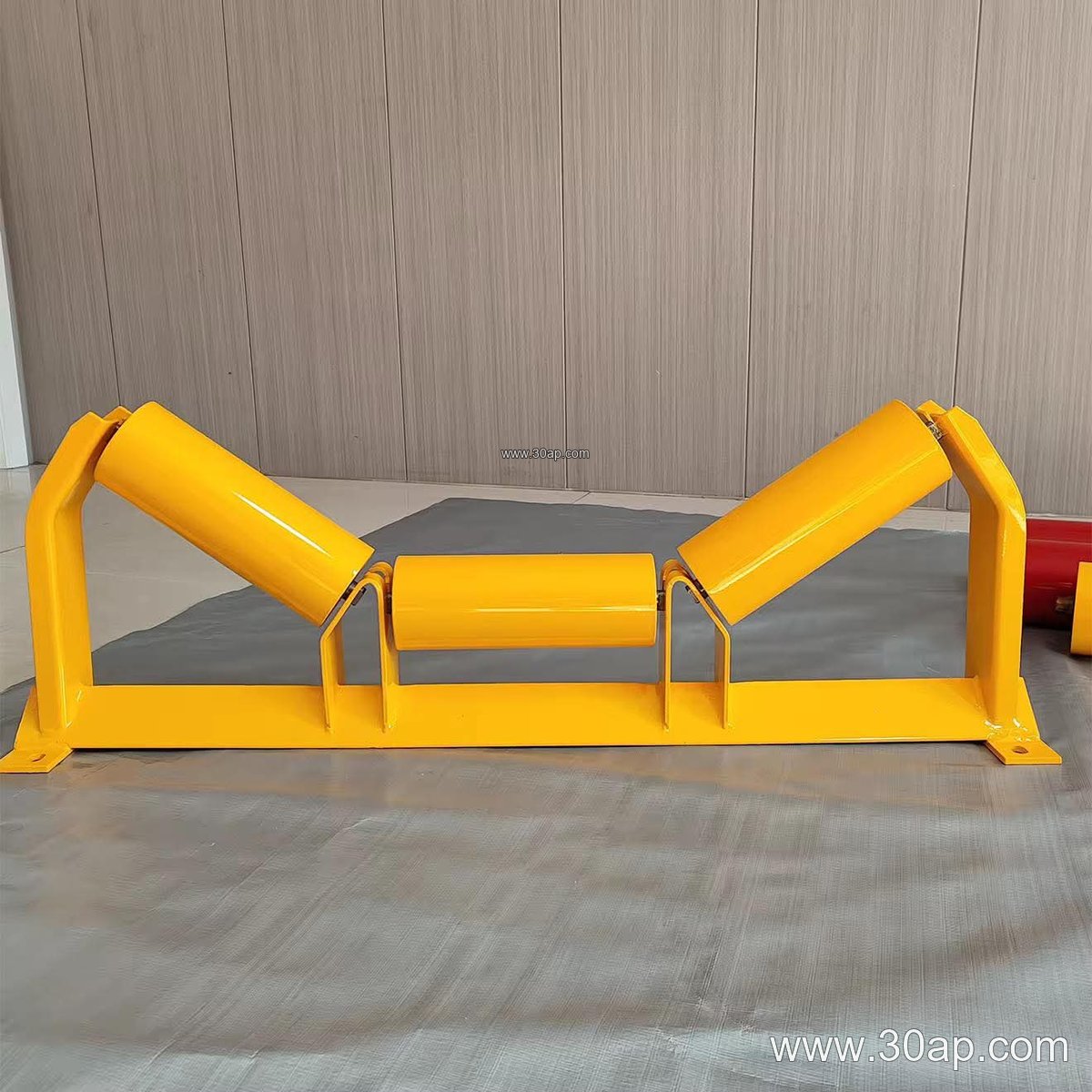
The same bracket design appears in aggregate plants, sand making lines, fertilizer warehouses and grain silos. Where a pipe conveyor belt or a corrugated sidewall conveyor belt runs, bracket geometry is usually customized to the frame, so buyers should confirm dimensions rather than assume a standard fit.
Buyer Checklist
Before ordering, confirm the belt width, the intended trough angle, the roller diameter and the frame bolt spacing. Ask for the bracket drawing or a dimensional sketch, and check the steel thickness and surface treatment. For corrosive or wet environments, discuss galvanizing or a heavier coating. For high-impact loading zones, consider buffer or impact bracket designs instead of standard troughing units.
Spare parts planning matters too. Keeping a small stock of brackets for the most loaded positions reduces downtime when a bracket bends after a belt jam. Inspect welds, bolt tightness and roller seating during routine maintenance, and replace any bracket that shows cracks or serious deformation.
For matching components, review your conveyor belt, idler roller and conveyor pulley specifications together with the bracket drawing so the whole support line works as one system.