What Is an EP1250 1800mm Conveyor Belt
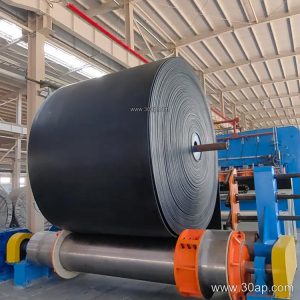
The EP1250 1800mm conveyor belt is a heavy-duty fabric-core belt built for high-capacity conveying systems. The designation combines two key specifications: EP1250 indicates the belt’s tensile strength class (1250 N/mm), and 1800mm refers to its width. This belt is a type of EP conveyor belt, which uses polyester warp and nylon weft fabrics as the core, known for low elongation and excellent impact resistance. In the field, it may also be called an EP1250 1800mm wide conveyor belt or simply an 1800mm EP belt.
With an 1800mm width, this belt is among the wider options for bulk material handling, often found in primary crushing circuits, long overland conveyors, and high-tonnage loading points. It is not a one-size-fits-all solution; the right belt depends on the conveyor design, material characteristics, and operating environment.
Construction and Key Components
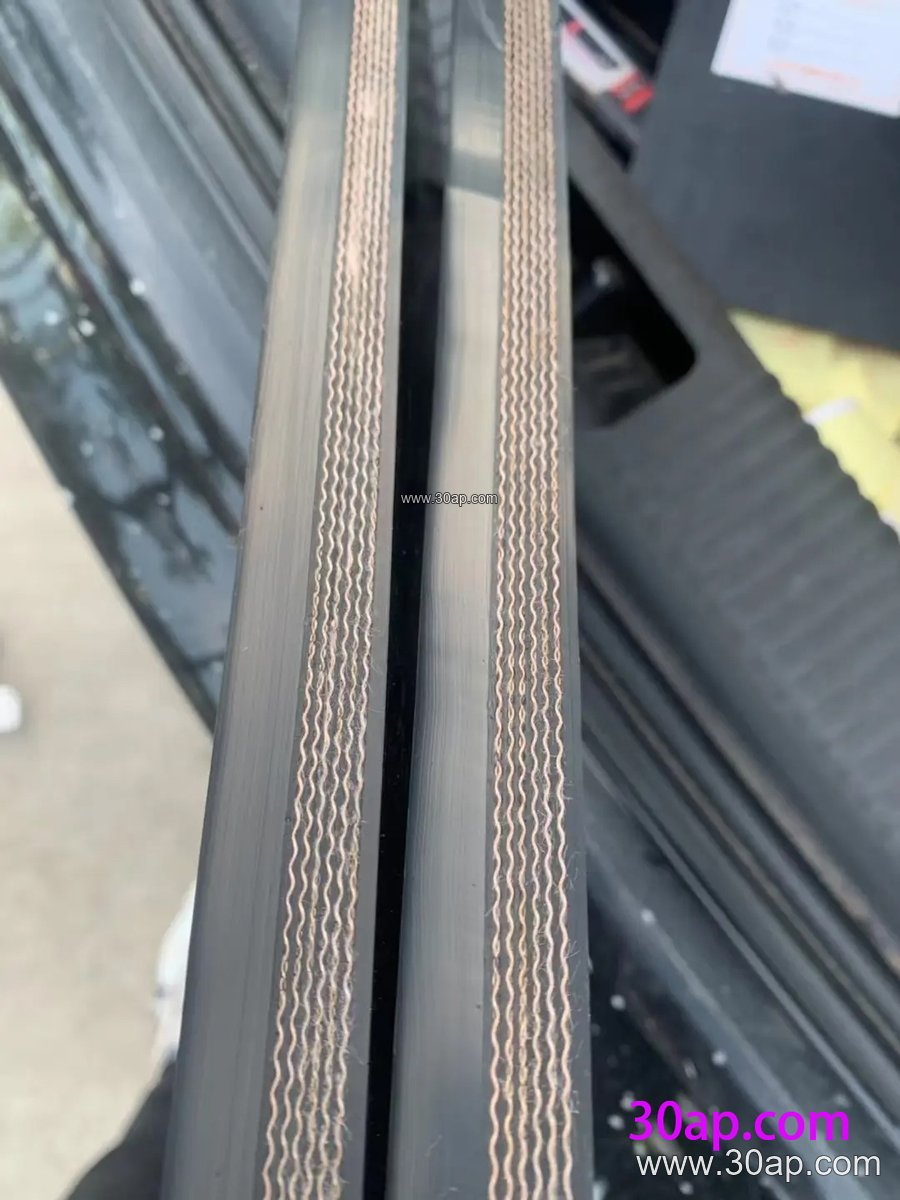
An EP1250 belt is typically constructed with multiple plies of EP fabric (commonly 2 to 6 layers), embedded in rubber and covered with rubber on both sides. The cover grades are selected based on the application: abrasion resistant, heat resistant, oil resistant, flame retardant, or anti-static. The 1800mm width requires careful splicing and handling, as the belt’s weight and stiffness increase with width and strength.
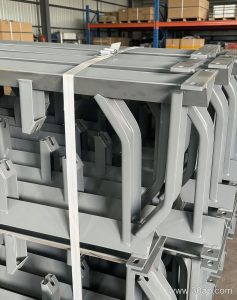
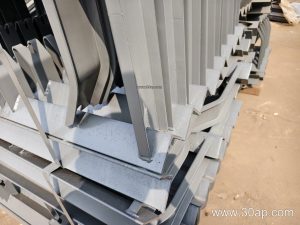
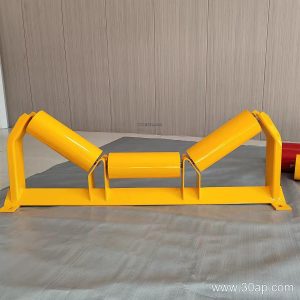
Common cover thickness configurations for heavy-duty belts include 6+2 mm, 8+3 mm, and other combinations, with the first number indicating top cover thickness and the second the bottom cover. The fabric core provides strength while allowing the belt to trough and track properly around pulleys. For an 1800mm wide belt, the conveyor structure must be robust, with properly sized idler rollers, conveyor pulleys, and conveyor brackets to support the belt and maintain alignment.
Typical Applications in Heavy Industry
Due to its high strength and wide profile, the EP1250 1800mm conveyor belt is often used in:
- Mining and quarrying: transporting ore, rock, and aggregate from crushers to stockpiles. A heavy-duty mining conveyor belt in this width can handle large lumps and high throughput.
- Coal mining: both surface and underground operations, where flame retardant and anti-static properties may be required. Underground coal mining conveyor belts must meet specific safety standards.
- Cement plants: moving clinker, limestone, and raw materials at high temperatures; heat resistant grades are available.
- Power plants: coal handling systems where abrasion resistance and flame retardancy are important.
- Ports and ship loading: wide belts for fast loading of bulk carriers.
- Steel plants and foundries: handling coke, sinter, and other hot or abrasive materials.
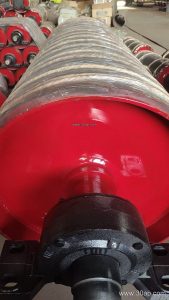
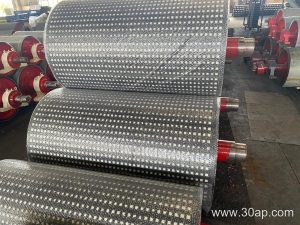
In these environments, the belt works alongside conveyor pulleys (drive, tail, and bend pulleys), idler rollers, and conveyor brackets to form a complete system. Each component must be matched to the belt’s width and strength to avoid premature wear or mistracking.
Specifications and Selection Considerations
When selecting an EP1250 1800mm conveyor belt, several parameters should be confirmed with the supplier. The table below lists common reference values; actual specifications vary by manufacturer and design.
| Parameter | Common Range / Options | Notes |
|---|---|---|
| Belt width | 1800 mm | Custom widths available |
| Tensile strength | EP1250 (1250 N/mm) | Other classes: EP1000, EP1600 |
| Number of plies | 3 to 6 | Determined by load and safety factor |
| Cover thickness | 6+2 mm, 8+3 mm, etc. | Top + bottom cover |
| Cover grade | Abrasion resistant, heat resistant, flame retardant, oil resistant, anti-static | Select based on material and environment |
| Operating temperature | -20°C to 80°C (standard); higher with special grades | Consult supplier for extremes |
Buyers should also consider the conveyor’s transition distance, pulley diameters, and load support. A wider belt does not automatically require a specific pulley diameter; the pulley size is determined by the belt’s tension rating, splice type, and conveyor design. Similarly, shaft diameter cannot be derived from belt width alone. Always provide the conveyor’s design data to the belt supplier for a proper recommendation.
Maintenance and Operational Tips
To maximize the service life of an EP1250 1800mm conveyor belt, regular inspection of the belt surface, splices, and edges is essential. Check idler rollers for seized bearings, as they can cause belt damage. Ensure conveyor pulleys are aligned and lagged appropriately for grip. Keep the belt tracking centered by adjusting conveyor brackets and training idlers. For high-abrasion applications, consider a belt with a thicker top cover or an abrasion resistant grade. In cold climates, cold resistant belts are available to prevent cracking.
When replacing a belt, verify the new belt’s specifications match the original design, including width, strength, cover thickness, and grade. For similar strength requirements in narrower widths, an EP1000 1200mm conveyor belt might be used, but it is not a substitute for the 1800mm size where width is dictated by capacity.
Buyer’s Checklist
- Confirm the required belt width and strength class (EP1250, 1800mm).
- Specify cover grade and thickness based on material abrasiveness, temperature, and safety requirements.
- Provide conveyor design details (pulley diameters, trough angle, transition distance) to the supplier.
- Consider the full system: idler rollers, conveyor pulleys, and conveyor brackets must be compatible.
- For underground coal mining, verify flame retardant and anti-static properties.
- Discuss splicing method (vulcanized or mechanical) and ensure proper equipment for the 1800mm width.
For more information on EP conveyor belts, rubber conveyor belt options, and related components like idler rollers and conveyor pulleys, consult experienced suppliers who can tailor the belt to your specific bulk handling needs.