What a Conveyor Support Leg Does on a Belt Conveyor
A conveyor support leg is the vertical member that carries the weight of a belt conveyor frame down to the floor, foundation, or steel structure. It sits under the stringer or longitudinal beam and transfers loads from the conveyor belt, the conveyed material, and the idler roller assemblies into the ground. In a typical plant, the support leg is the part that decides how high the belt line runs, how level it stays over long distances, and how easily the whole frame can be anchored or adjusted during installation.
Although it looks like a simple post, the conveyor support leg is a structural component. It must resist vertical load, lateral sway, vibration from the drive, and occasional impact from lump material. That is why buyers usually treat it as an engineered part rather than a piece of cut steel.
How the Support Leg Is Built
Most support legs are fabricated from angle steel, channel steel, or folded steel plate. The choice depends on the load and the required stiffness. A light frame for a B650 belt may use angle steel, while a heavy overland or primary crushing line with a 1200mm or 1400mm belt usually needs channel or folded plate legs with a base plate and gusset.
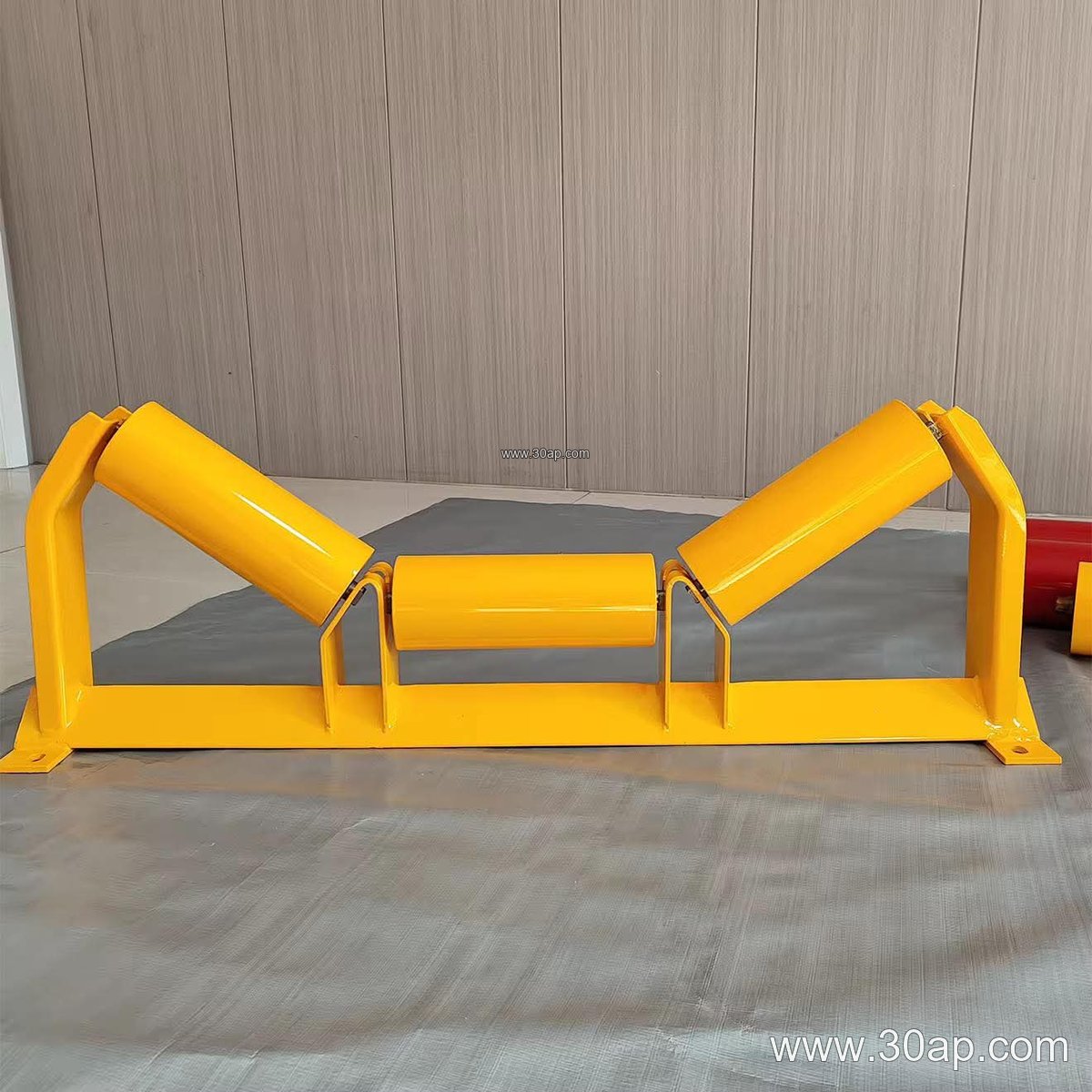
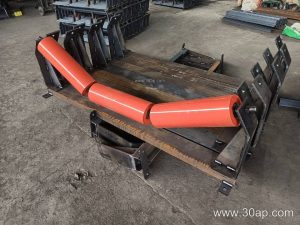
The leg normally includes a top connection to the stringer, a base plate with anchor holes, and often a height adjustment slot or shim pack. Some designs use a fixed leg, while others use an adjustable support leg so the frame can be leveled after the foundation is poured. The leg is usually paired with a conveyor bracket at the top, which links it to the idler frame or stringer.
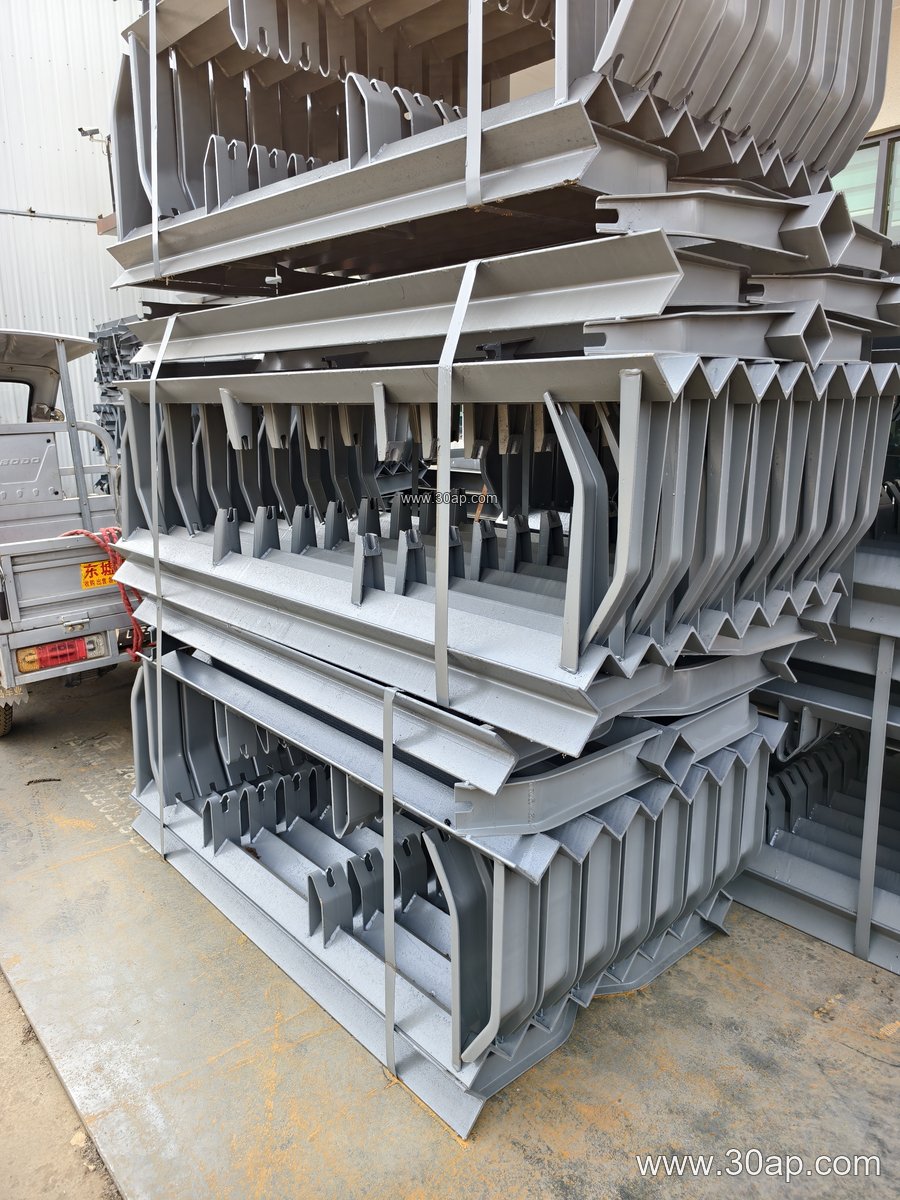
- Top plate or bracket connection to the stringer
- Base plate with anchor bolt holes
- Gusset or stiffener for lateral stability
- Height adjustment slot or shim provision on adjustable types
- Surface treatment such as priming and painting for plant conditions
Where Conveyor Support Legs Are Used
These legs appear wherever a belt conveyor runs above the ground. In a limestone quarry or a crushing and screening line, they support the transfer conveyors between the jaw crusher and the screen. In a coal washing plant or a power plant coal yard, they carry the frame of a coal mining conveyor belt that feeds the boiler or the stockpile. In a cement plant, they hold the clinker and raw material conveyors at the required elevation, often alongside a heat resistant conveyor belt section near the kiln area.
They are also common in sand and gravel plants, iron ore handling, port ship loading lines, and tunnel muck removal. The same basic leg serves a small aggregate conveyor belt and a heavy-duty mining conveyor belt, but the steel size and anchoring detail change with the load.
Matching the Leg to Belt Width, Trough Angle, and Roller Diameter
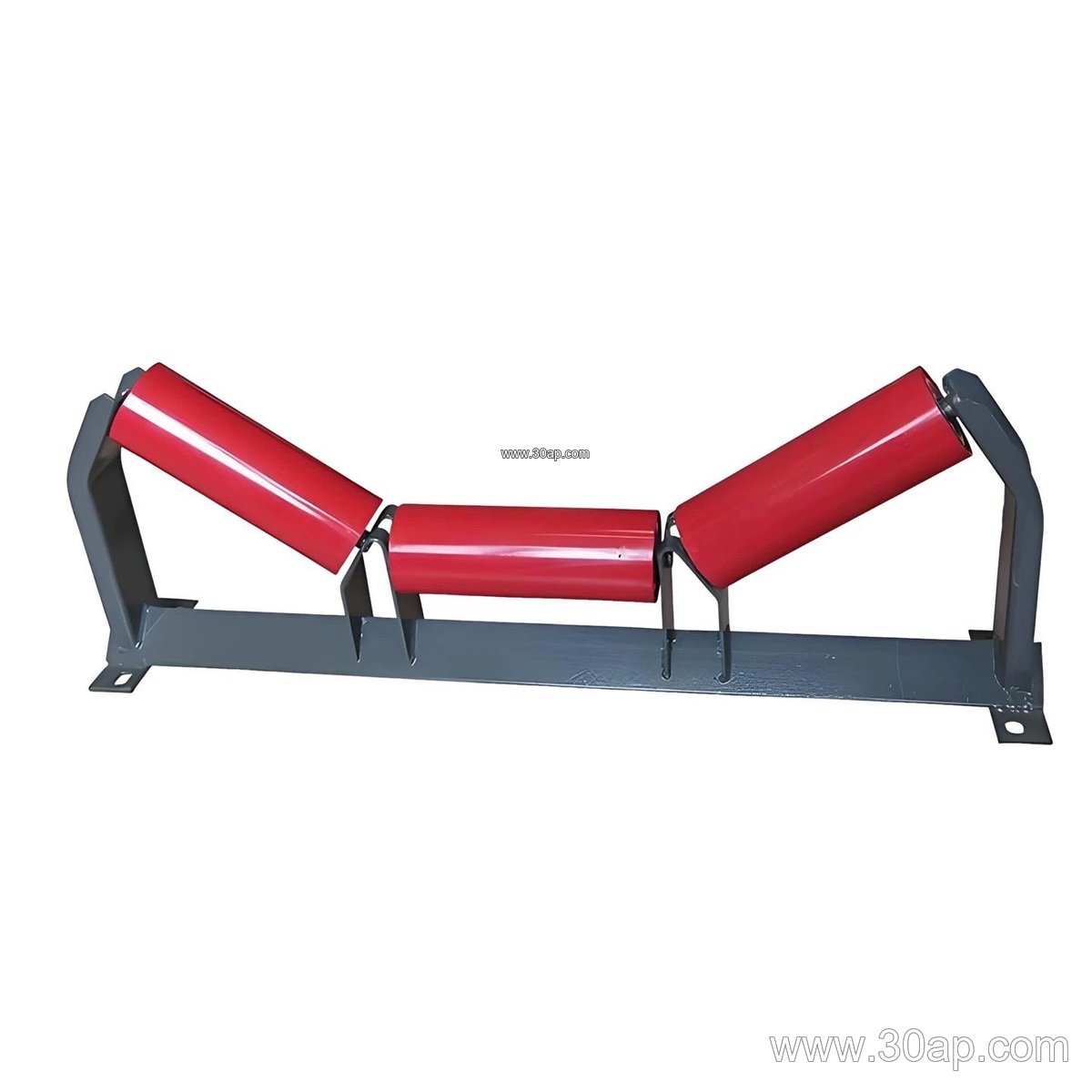
The support leg is not selected in isolation. Its height and top bracket must match the stringer, and the stringer must match the trough angle and roller diameter of the idler set. Common combinations seen in design drawings include B800 with a 35 degree trough and Ø108 rollers, B1200 with a 45 degree trough and Ø133 rollers, and B650 with a 30 degree trough and Ø89 rollers. These are design examples, not fixed rules. A wider belt does not force one single trough angle, and the roller diameter should follow the load and belt speed rather than the belt width alone.
| Reference Item | Typical Range | Notes |
|---|---|---|
| Belt width | B500 to B2200 | Leg spacing and beam length follow the frame design |
| Trough angle | 20, 30, 35, 45 degrees | Adjustable brackets can change between these |
| Roller diameter | Ø89, Ø108, Ø133, Ø159, Ø194 | Chosen by load and speed |
| Leg material | Angle, channel, folded plate | Depends on load and height |
Installation hole spacing and cross beam length usually vary with belt width and trough angle, so they should be confirmed against the frame drawing rather than assumed.
Fixed or Adjustable Support Leg
A fixed support leg is welded or bolted to a set height and is common where the foundation is accurate and the conveyor profile is simple. An adjustable support leg allows small height corrections, which helps when the floor is uneven or when the frame must be aligned with a transfer point. Adjustable legs are useful at transition zones and at the connection between a conveyor and a crusher or screen. Neither type is universally better; the choice depends on site conditions and how much alignment work the installer expects.
Buyer Checklist
Before ordering, confirm the belt width, the stringer type, the required leg height, the anchor hole pattern, and the surface treatment. Ask whether the leg is fixed or adjustable, and check that the top bracket matches the conveyor bracket and idler frame. For abrasive or wet conditions, consider a heavier steel section and a suitable coating. The support leg is a small item in the conveyor bill of materials, but it keeps the whole frame stable, so it deserves the same attention as the conveyor pulley and the conveyor belt it carries.