What a Mining Conveyor Belt Is
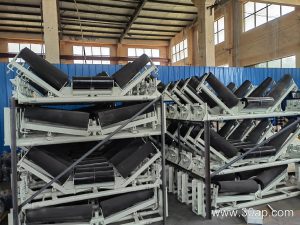
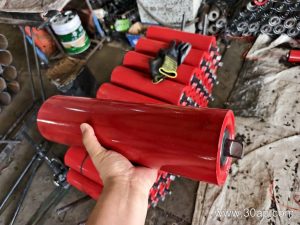
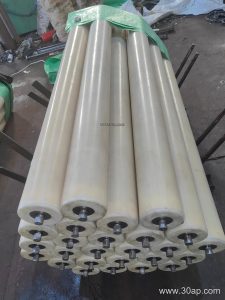
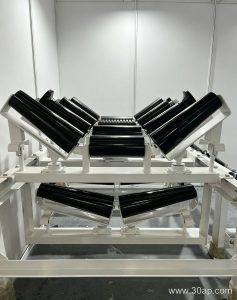
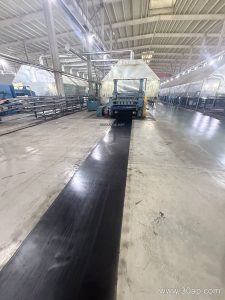
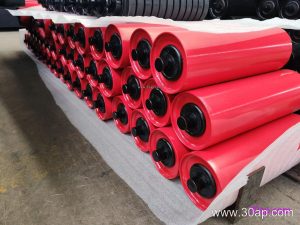
A mining conveyor belt is the continuous load-carrying component of a bulk material handling system. In mines, quarries, cement plants, power stations, and aggregate yards, it moves crushed rock, ore, coal, and sand between crushers, screens, stockpiles, and load-out points. The belt runs over a frame fitted with idler rollers, wraps around a drive pulley and a tail pulley, and returns on bend pulleys. Each part has a distinct job, and none of them can be swapped for another without changing the conveyor design.
The product is often called a heavy-duty mining conveyor belt when it is built for high impact and abrasive duty. The core construction and the cover compound decide how well it performs underground or on the surface.
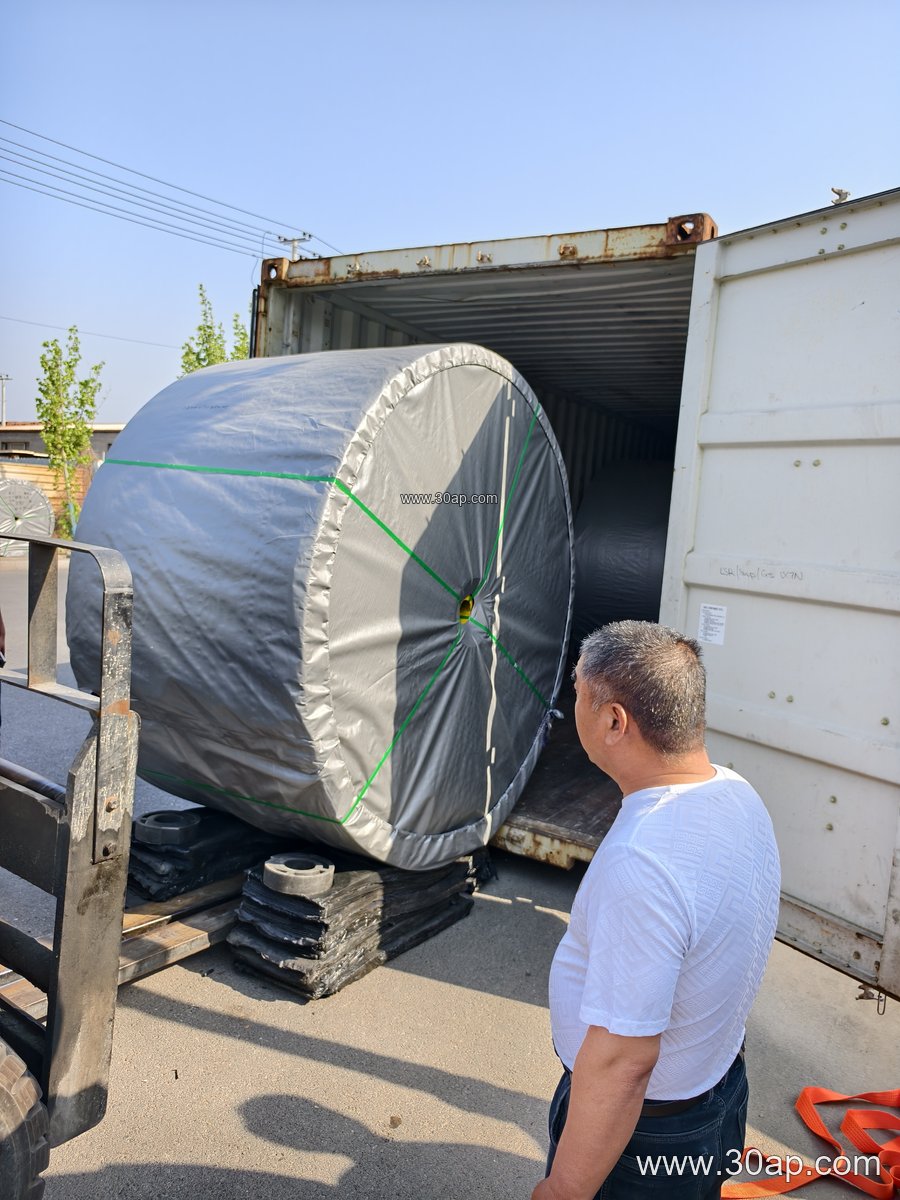
Construction and Main Types
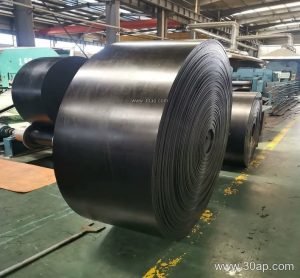
Most belts combine a fabric or steel cord carcass with rubber covers. The carcass carries tension, while the covers protect the core from wear, heat, oil, and moisture.
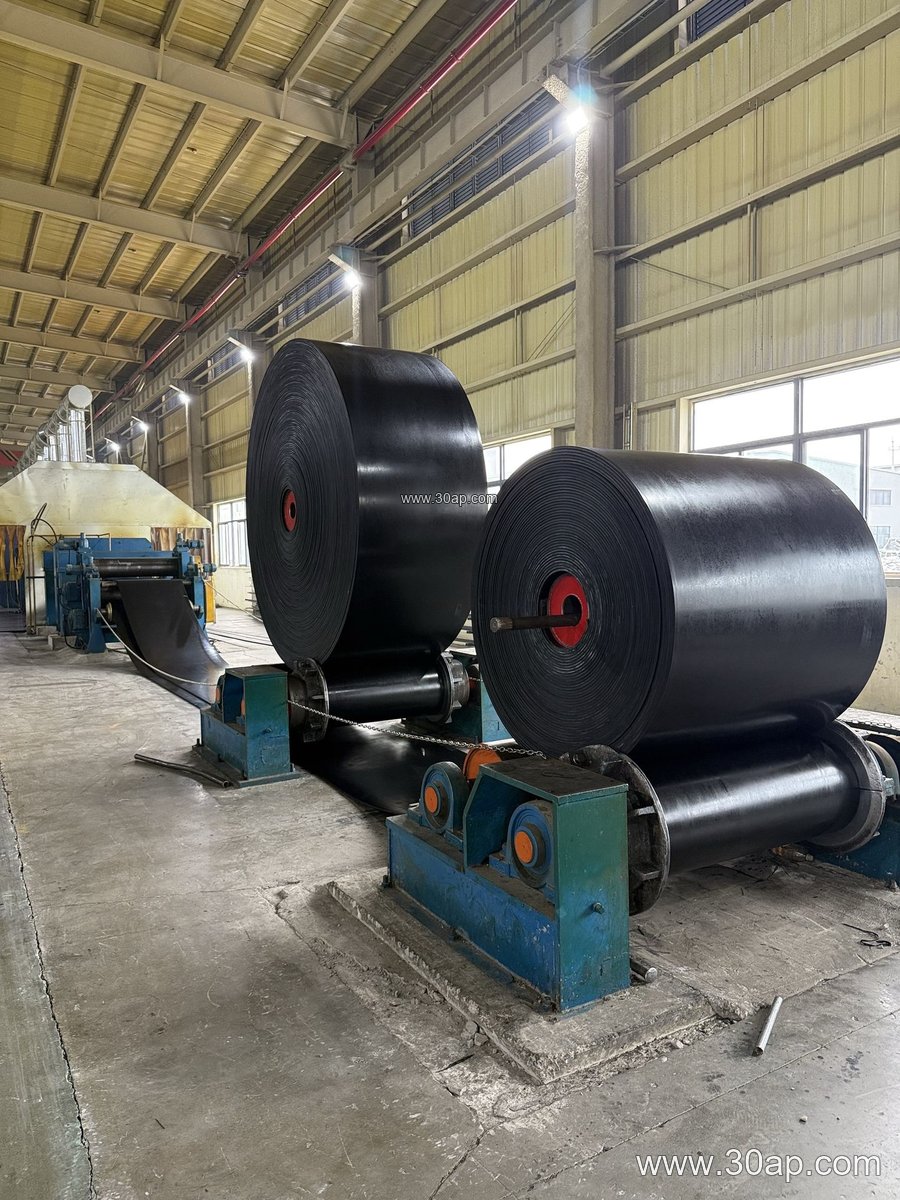
- Fabric core belts use EP (polyester/nylon) or NN (nylon/nylon) plies. A multi-ply fabric core conveyor belt is common in quarry and aggregate duty. Typical strength grades include EP200, EP400, EP630, EP800, and EP1000.
- Steel cord belts use brass-plated wires for long distances and high tension. Grades such as ST1000, ST1600, and ST2500 appear in main haulage lines.
- PVC and PVG belts are used in underground coal mining. PVG800S is a frequent reference for flame-retardant underground service.
- Special covers include abrasion resistant, heat resistant, oil resistant, cold resistant, anti-static, and flame retardant conveyor belt grades.
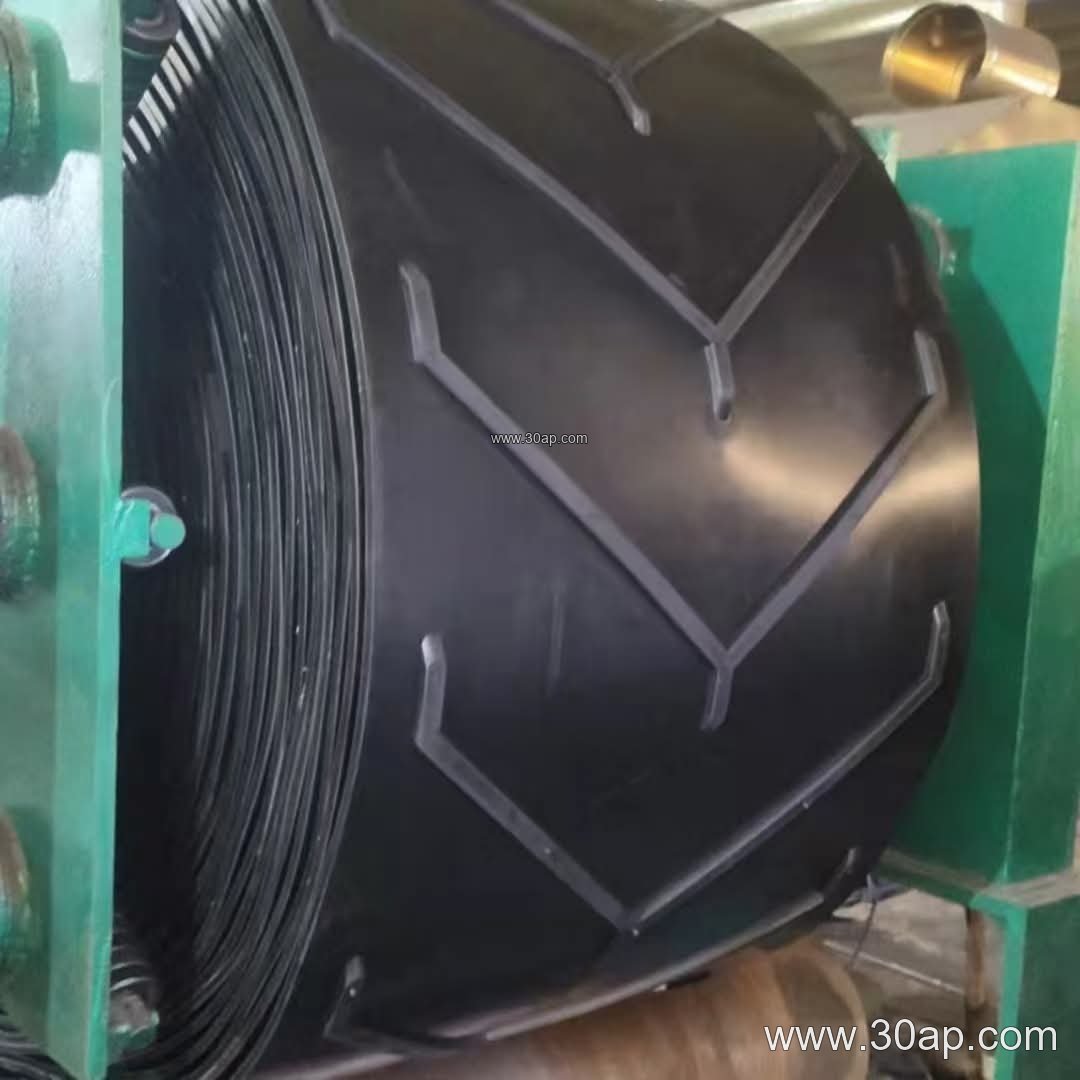
- Profile belts such as chevron conveyor belt and corrugated sidewall conveyor belt help on inclines or where material must be contained.
Cover thickness is usually given as top plus bottom, for example 4+2 mm or 6+2 mm. Common carcass builds range from 2 to 6 plies, depending on the duty. Belt widths commonly run from B500 to B2000, with B800, B1000, and B1200 widely seen in crushing and screening circuits.
Where It Works
The same belt family serves many industries. A coal mining conveyor belt must often meet flame retardant requirements, while an iron ore conveyor belt needs high abrasion resistance. Cement plants use heat resistant conveyor belt grades after the kiln and cooler. Power plants rely on fire resistant and anti-static belts for coal handling. Quarries and sand making plants favor abrasion resistant conveyor belt covers on crusher conveyor belt lines. Ports and ship loading systems use wide belts, sometimes 1800mm wide or 2000mm wide, to move bulk material at high tonnage.
Underground mining conveyor belt layouts are tighter, so bend pulleys and conveyor brackets must suit restricted spaces. Surface rock conveyor belt lines can use larger pulleys and heavier idler roller frames.
Buyer Checklist
Before ordering, confirm the material type, lump size, tonnage per hour, incline angle, and ambient conditions. State the required belt width, strength grade, cover thickness, and flame retardant or anti-static needs. Ask how the belt will be joined, since an endless conveyor belt splice must match the carcass. Check that the drive pulley, tail pulley, and bend pulleys are sized to the belt tension, not to belt width alone. A 1200mm belt can work with more than one pulley diameter, so the conveyor designer should confirm the match.
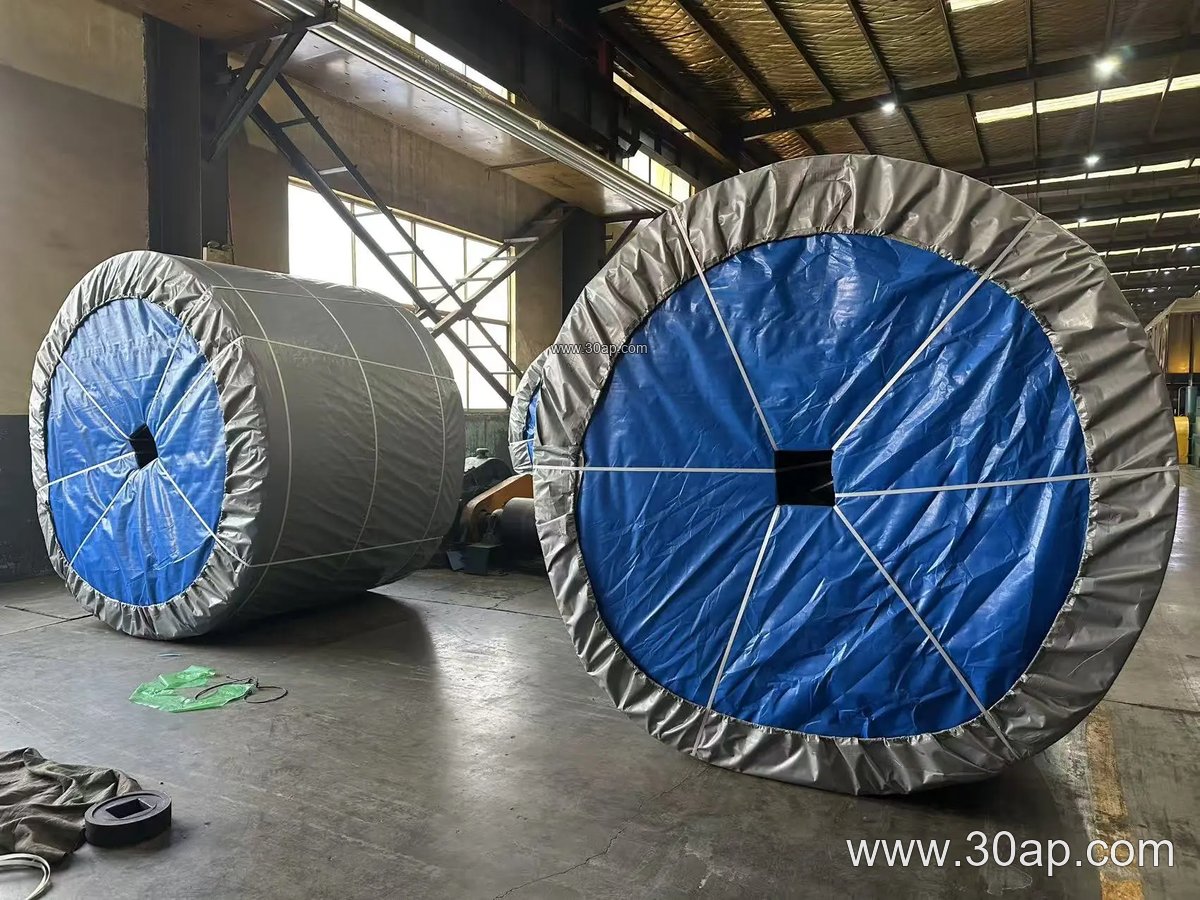
Also review the idler roller spacing, conveyor pulley lagging, and conveyor bracket condition. A worn frame or misaligned pulley can shorten belt life even when the belt specification is correct.
Reference Data
The values below are common reference points, not fixed combinations. Actual supply varies by manufacturer and project design.
| Item | Common Reference |
|---|---|
| Fabric grades | EP200, EP400, EP630, EP800, EP1000, EP1250 |
| Steel cord grades | ST1000, ST1600, ST2000, ST2500 |
| Belt widths | B500, B650, B800, B1000, B1200, B1400, B1600, B1800, B2000 |
| Cover thickness | 3+1.5, 4+2, 5+2, 6+2, 8+3 mm |
| Ply count | 2 to 6 plies, typical |
For more on matching belts with conveyor pulleys and idler rollers, see the equipment notes at www.example.com/conveyor-belt and www.example.com/mining-conveyor-belt.