What the NN400 Conveyor Belt Is
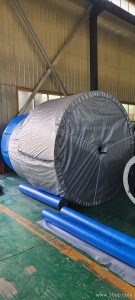
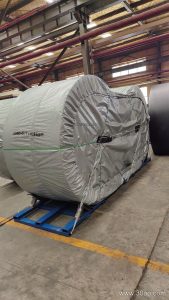
The NN400 Conveyor Belt is a multi-ply fabric core belt built on nylon (NN) warp and weft cords. The number 400 refers to the nominal tensile strength of the carcass in N/mm, so this is a mid-to-high strength fabric belt rather than an entry-level general-purpose product. In practice it is an NN Conveyor Belt rated for longer runs, heavier loads and tougher starting conditions than lighter NN100 or NN200 constructions. Buyers often meet it under the equivalent name nylon fabric core conveyor belt, because the carcass is the defining feature.
The belt is not a single rubber sheet. It is a composite: rubber covers, a nylon fabric skeleton, and a bond between them that must survive years of flexing.
How the Belt Is Built
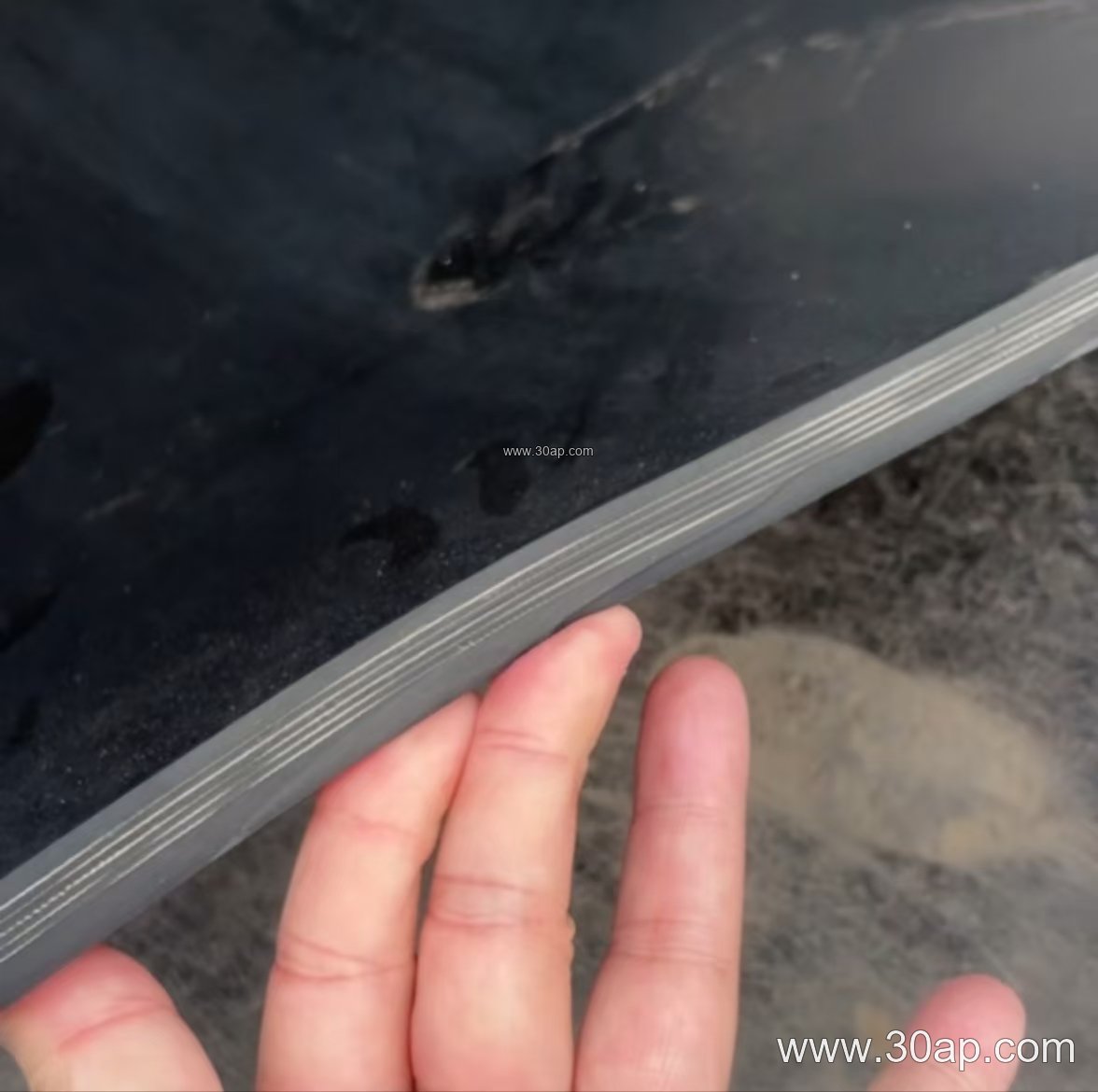
A typical NN400 carcass uses multiple plies of nylon fabric, commonly two to six layers depending on the duty. Nylon offers high strength per unit weight, good fatigue resistance and strong adhesion to rubber, which is why it suits conveyor lines that start under load or run over relatively small pulleys. The plies are calendered and bonded, then covered with top and bottom rubber.
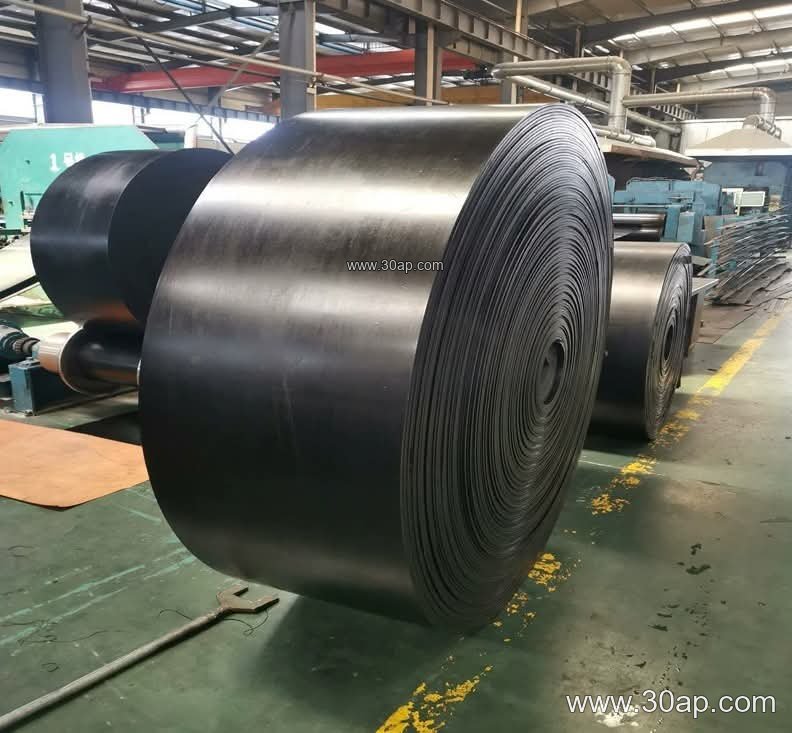
Cover thickness is selected by application, not by belt strength alone. Common combinations include 4+2 mm, 5+2 mm and 6+2 mm; heavier 8+3 mm covers appear where impact and abrasion are severe. Cover compounds can be plain abrasion resistant, heat resistant, oil resistant, flame retardant or anti-static, so an NN400 can be tuned to the environment while keeping the same nylon carcass.
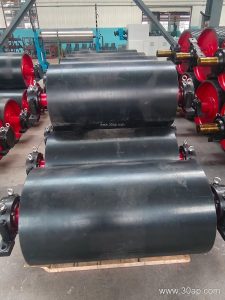
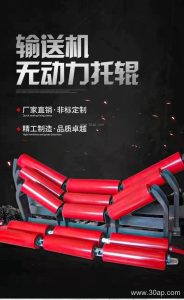
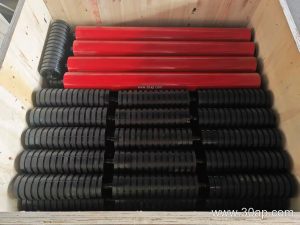
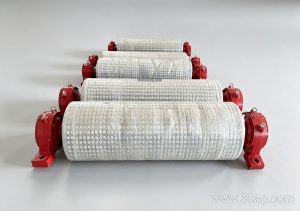
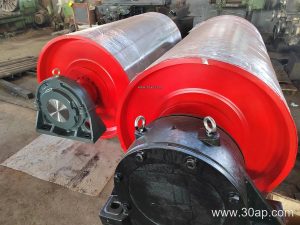
The finished belt runs over conveyor pulleys, supported by idler rollers and held in line by conveyor brackets and frames. Edge condition, splice quality and pulley alignment matter as much as the carcass rating for service life.
Typical Specifications
Values below are common reference ranges. Actual construction is confirmed by the manufacturer for each order.
| Parameter | Common reference |
|---|---|
| Carcass type | NN nylon fabric, multi-ply |
| Nominal strength | NN400 (400 N/mm) |
| Ply count | 2 to 6 plies, by design |
| Belt width | B500, B650, B800, B1000, B1200, B1400, B1600, B1800, B2000 |
| Cover thickness | 4+2, 5+2, 6+2, 8+3 mm |
| Cover options | Abrasion resistant, heat resistant, oil resistant, flame retardant, anti-static |
Width and strength are independent choices. A 1000mm or 1200mm belt can be supplied at NN400, and the same strength class may be built at 800mm or 1400mm for a different conveyor. Do not assume a fixed pulley or shaft size from belt width; those are set by the conveyor design.
Where It Fits
NN400 is a practical choice in mines, coal preparation plants, cement works, power stations, steel plants, quarries and sand and gravel yards. It handles crushed rock, ore, clinker, limestone, coal and similar bulk materials on inclined and horizontal lines. In coal mining and underground service, flame retardant and anti-static versions are usually specified; in cement and quarry duty, abrasion resistant covers are more relevant. A chevron or corrugated sidewall version may be chosen where the incline is steep, but those are separate designs and do not replace the flat NN400 belt.
For very long, high-tension lines, a steel cord conveyor belt may be the better fit. For medium-duty runs, an EP Conveyor Belt in the same strength class is another option. The NN400 sits between them in many plant layouts.
What Buyers Should Check
- Confirm the required strength class and ply count with the conveyor designer, not by habit.
- Match the cover compound to the material: hot clinker, oily scrap, coal dust or wet aggregate each need different rubber.
- State belt width, cover thickness and splice preference clearly, for example endless if the conveyor allows it.
- Check pulley diameters and troughing idler spacing against the fabric carcass to avoid excessive flex fatigue.
- Ask for the manufacturer’s data sheet for the exact NN400 Conveyor Belt offered, since constructions vary.
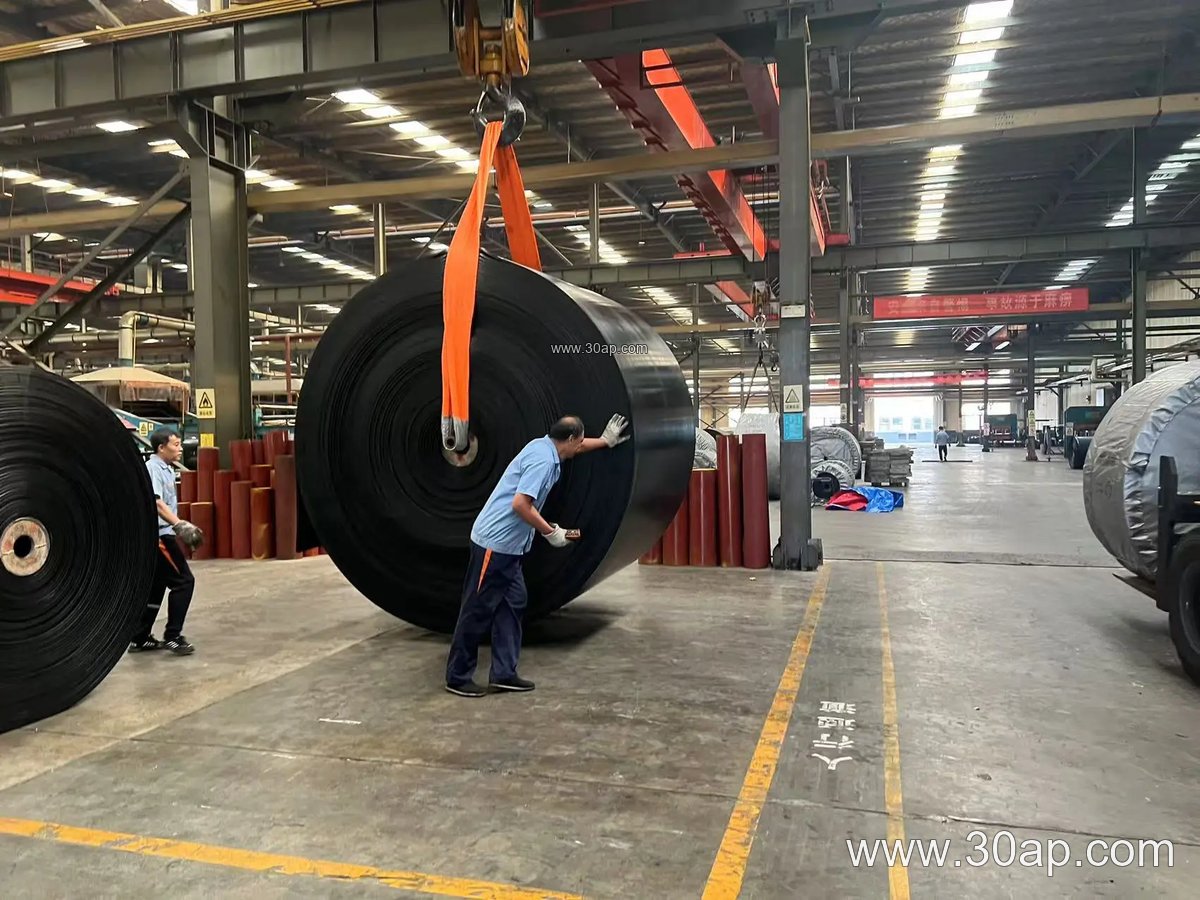
Storage also matters. Keep coils shaded, dry and off the ground, and inspect edges before splicing. A well-matched NN Conveyor Belt, correctly installed on aligned pulleys and free-turning idler rollers, will usually outlast a stronger belt that is misapplied.