What the Building Materials Conveyor Pulley Does
In a sand and gravel line or a cement plant, the belt carries crushed stone, clinker, or blended raw meal from one stage to the next. The building materials conveyor pulley is the rotating drum that turns that belt, sets its tension, and keeps it tracking. It is the interface between the drive system and the conveyor belt, so its diameter, lagging, and shaft design influence both grip and belt life.
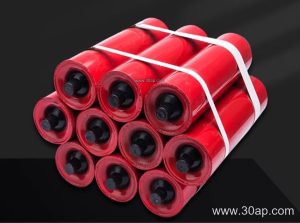
An accurate equivalent name for the same component is the conveyor drum pulley. Both terms describe the cylindrical shell, end discs, shaft, and bearing housings that form one assembly. Drive, tail, and bend pulleys are positions in the conveyor, not interchangeable labels, and each position loads the drum differently.
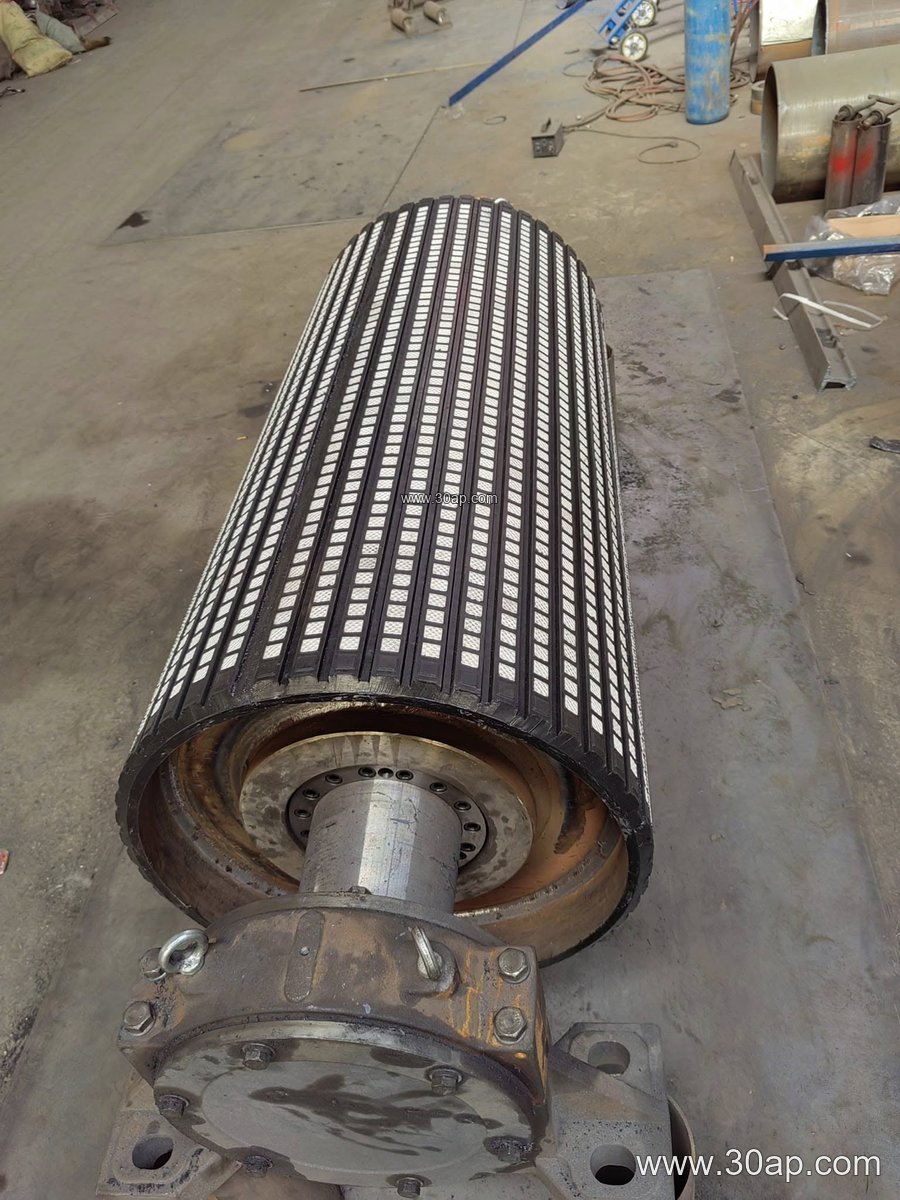
How the Drum Is Built
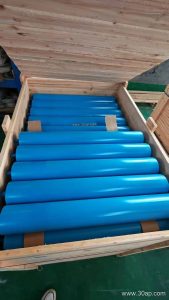
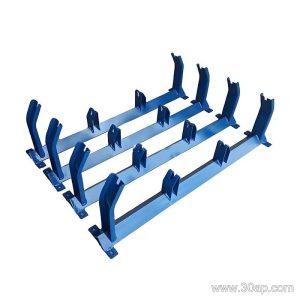
The shell is usually rolled steel with machined end discs welded in place. The shaft is keyed or shrink-fitted to the hub, then supported by spherical roller bearings in cast or fabricated housings. A conveyor bracket holds each housing and allows adjustment for take-up or alignment.
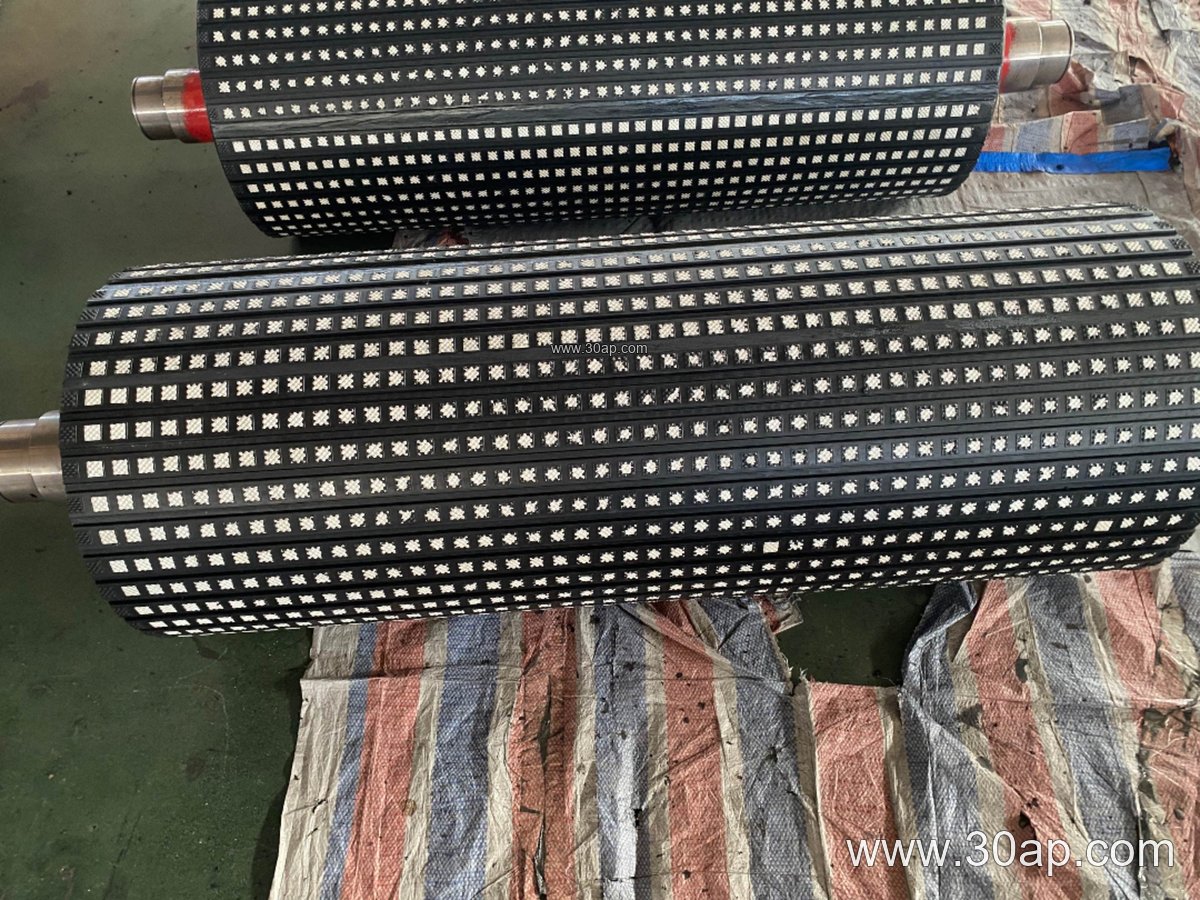
Surface treatment is where many specifications diverge. Plain finish suits light duty and easy cleaning. Rubber lagging, applied by cold bonding or hot vulcanizing, raises friction on the drive pulley. Diamond or herringbone grooves channel water and fines away, while ceramic tiles resist abrasion in stone crushing service. Lagging thickness is commonly 8, 10, 12, 15, or 20 mm depending on duty.
Position Changes the Job
- Head or drive pulley: transmits torque and needs the highest grip, so lagging and a larger diameter are common.
- Tail pulley: reverses belt direction and often carries a self-cleaning or wing profile to shed sticky material.
- Bend pulley: changes belt path with low wrap angle and lighter load.
- Take-up pulley: maintains tension and may travel on slides or a carriage.
A bend pulley is not a substitute for a drive pulley, and a wing pulley should not be treated as a tail replacement without checking the application.
Matching Pulley to Belt and Load
Belt width and pulley diameter are related but not locked together. A B800 conveyor may use a Ø500 drum in one plant and a Ø630 drum in another, depending on belt tension, wrap angle, and shaft torque. Shell face width usually exceeds belt width, for example about 950 mm for B800 and about 1400 mm for B1200. Typical reference combinations include B800 × Ø500 and B1200 × Ø1000, but these are examples, not fixed rules.
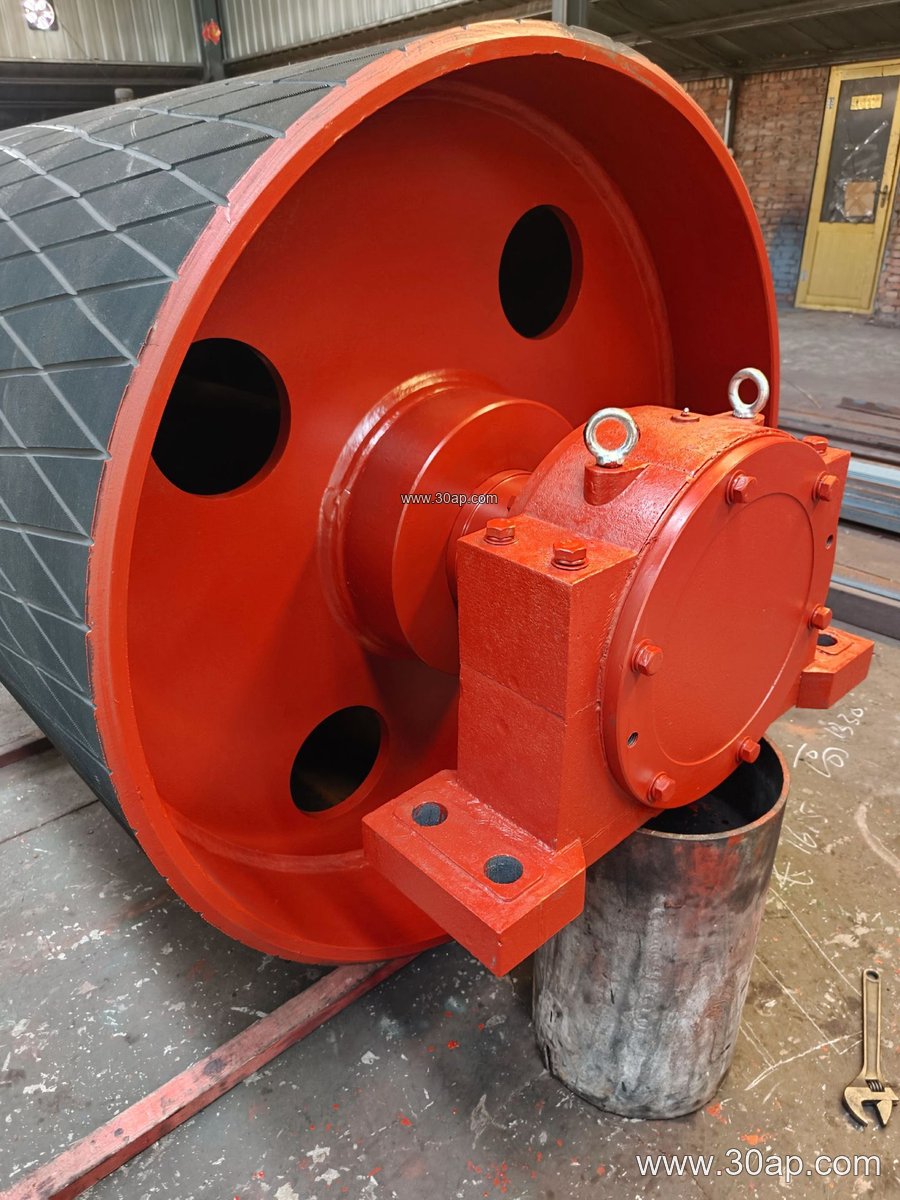
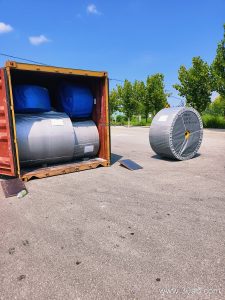
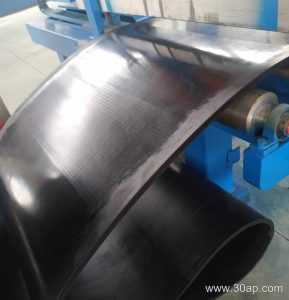
Shaft diameter is determined from torque and bearing load, not from belt width alone. Common shaft sizes range from Ø50 to Ø200, and the final value should come from the conveyor designer. The belt itself matters too: a heavy-duty mining conveyor belt or an abrasion resistant conveyor belt with a thick cover needs a drum radius that limits bending stress, while a steel cord conveyor belt is less tolerant of small pulleys than a fabric core conveyor belt.
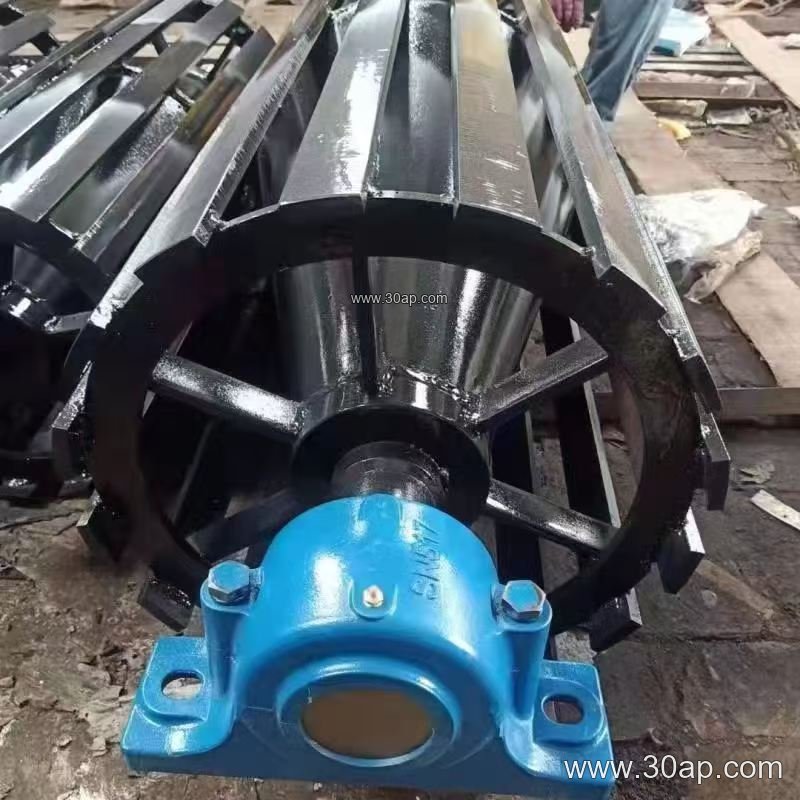
| Parameter | Common reference range | Duty note |
|---|---|---|
| Belt width | B400 to B2400 | Face width typically wider than belt |
| Pulley diameter | Ø200 to Ø1800 | Larger for high tension and thick belts |
| Lagging thickness | 8 to 20 mm | Drive pulleys usually thicker |
| Shaft diameter | Ø50 to Ø200 | By torque and load, not width alone |
Where These Drums Work
Aggregate plants use them on crusher discharge and screen feed belts, where dust and sharp edges punish lagging. Cement plants rely on them for clinker and raw meal transport, and power plant coal handling demands flame retardant conveyor belt grades in enclosed galleries. Quarries and iron ore operations often choose ceramic lagging on head drums because wet fines reduce friction.
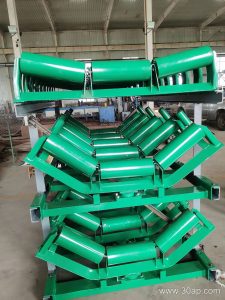
A properly matched idler roller and pulley set keeps the belt centered and reduces edge wear. If a drum is undersized, the belt may slip on the drive, and the extra tension can shorten splice life. If lagging is too soft for the material, grooves fill and grip fades.
Buyer Checklist
- Confirm the pulley position: drive, tail, bend, or take-up.
- State belt width, belt type, and maximum operating tension.
- Specify lagging pattern and thickness for the material handled.
- Provide shaft diameter, bearing type, and bracket interface.
- Ask for dynamic balance and runout checks on high-speed drums.
- Plan inspection of lagging wear and bearing grease intervals.
For a building materials conveyor pulley, the best specification is the one that matches the belt, the load, and the position on the conveyor rather than a catalog number chosen by width alone.