What an Impact Resistant Conveyor Belt Is
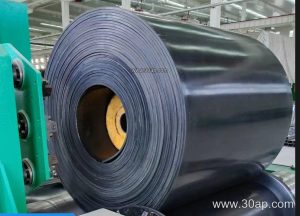
An impact resistant conveyor belt is a heavy-duty rubber belt engineered to survive the moment crushed rock, ore, or clinker drops onto the carrying side. At transfer points, the belt absorbs repeated shock loads instead of cracking, puncturing, or delaminating. This product is also known as a shock-absorbing conveyor belt or high-impact conveyor belt, and the three names describe the same construction.
Impact damage is different from ordinary abrasion. A falling lump concentrates force on a small area, so the cover rubber and the carcass must deflect and recover. That is why an impact resistant conveyor belt is not simply a thicker version of a standard belt — the cushioning layer and the fabric or steel reinforcement work together.
How the Belt Is Built
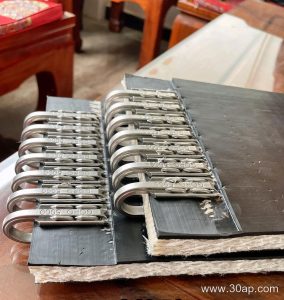
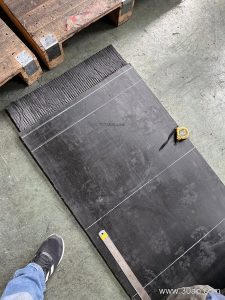
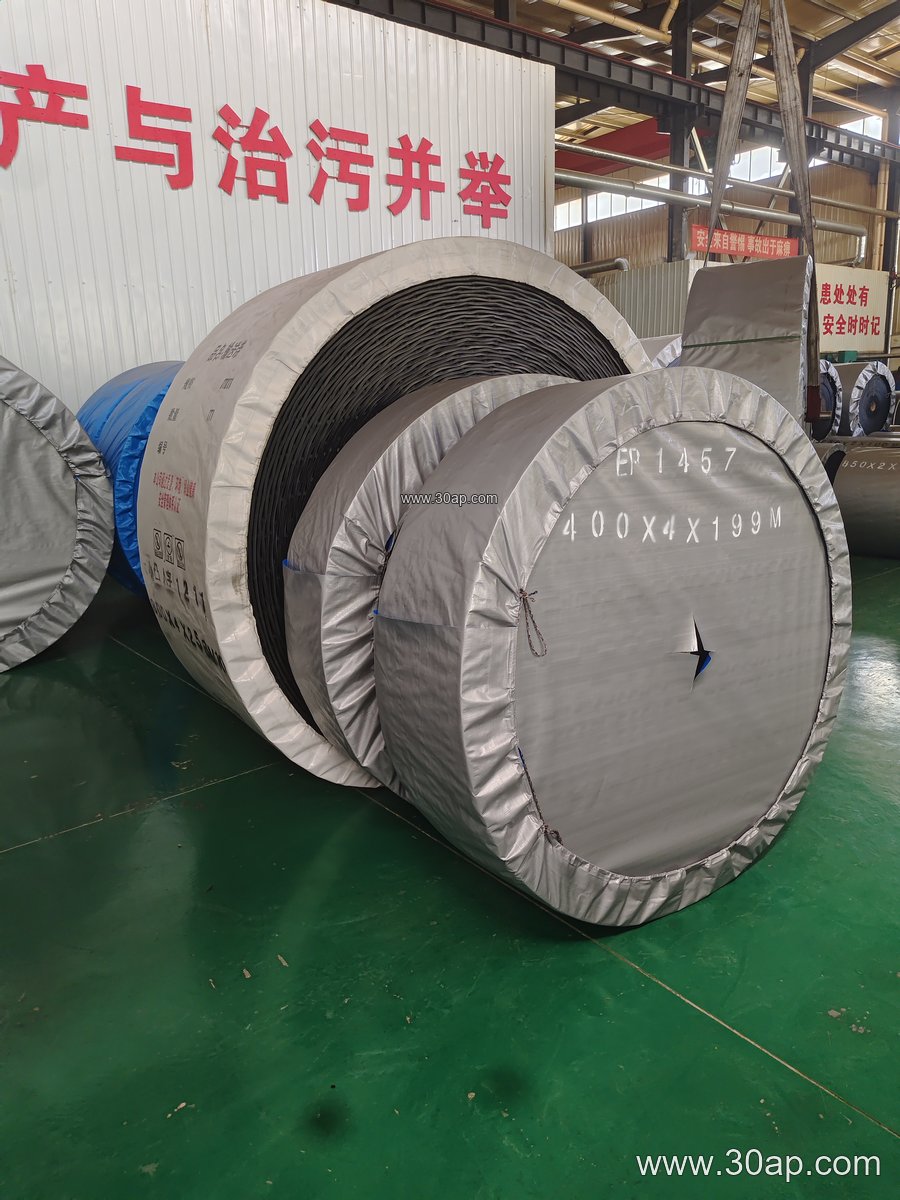
Most impact resistant belts use a multi-ply fabric core, typically an EP (polyester-nylon) or NN (nylon-nylon) carcass. Between the plies and under the top cover, manufacturers add a breaker layer — a tough fabric or reinforced rubber cushion that spreads the point load across a wider area. The top cover is usually thick, often in the range of 6+2 mm to 8+3 mm for severe duty; lighter transfer points may use 5+2 mm or 4+2 mm. Exact figures are confirmed per design.
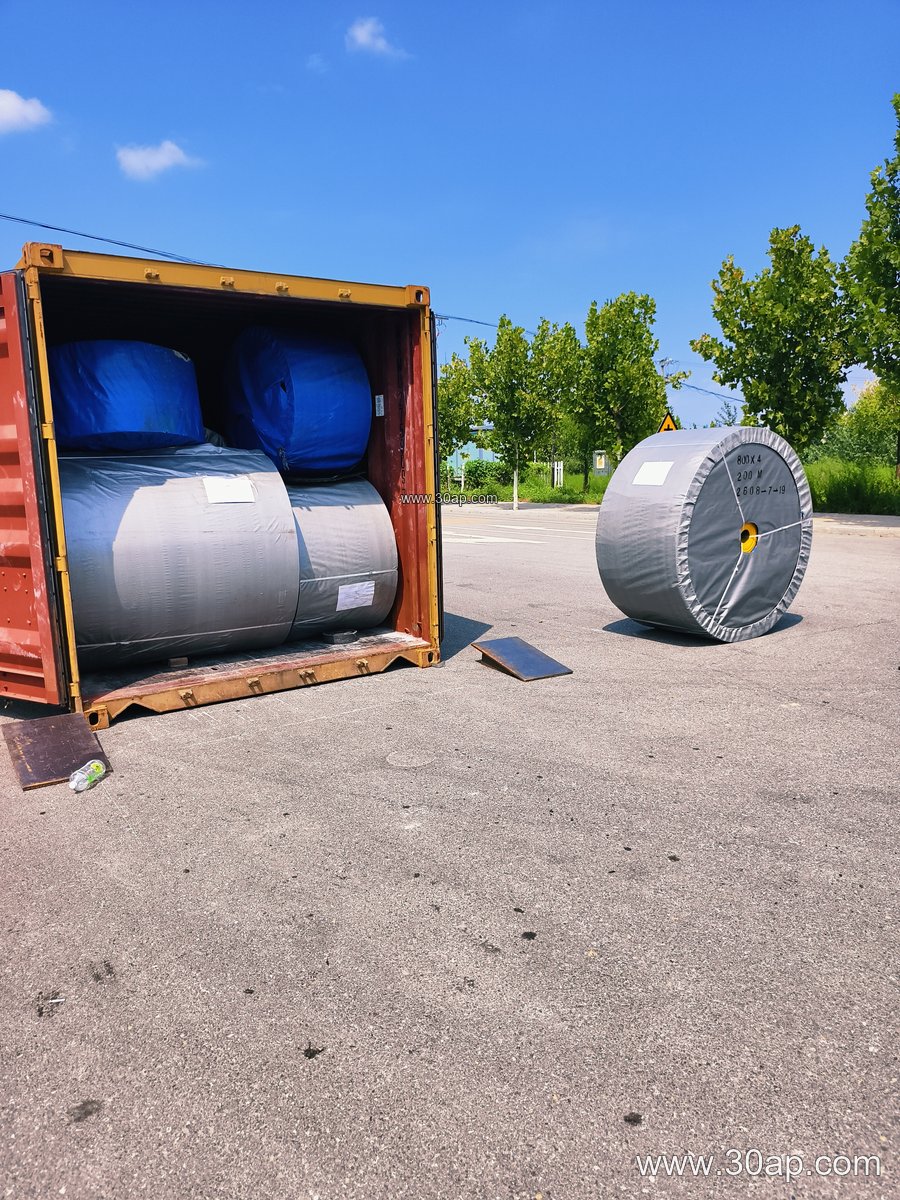
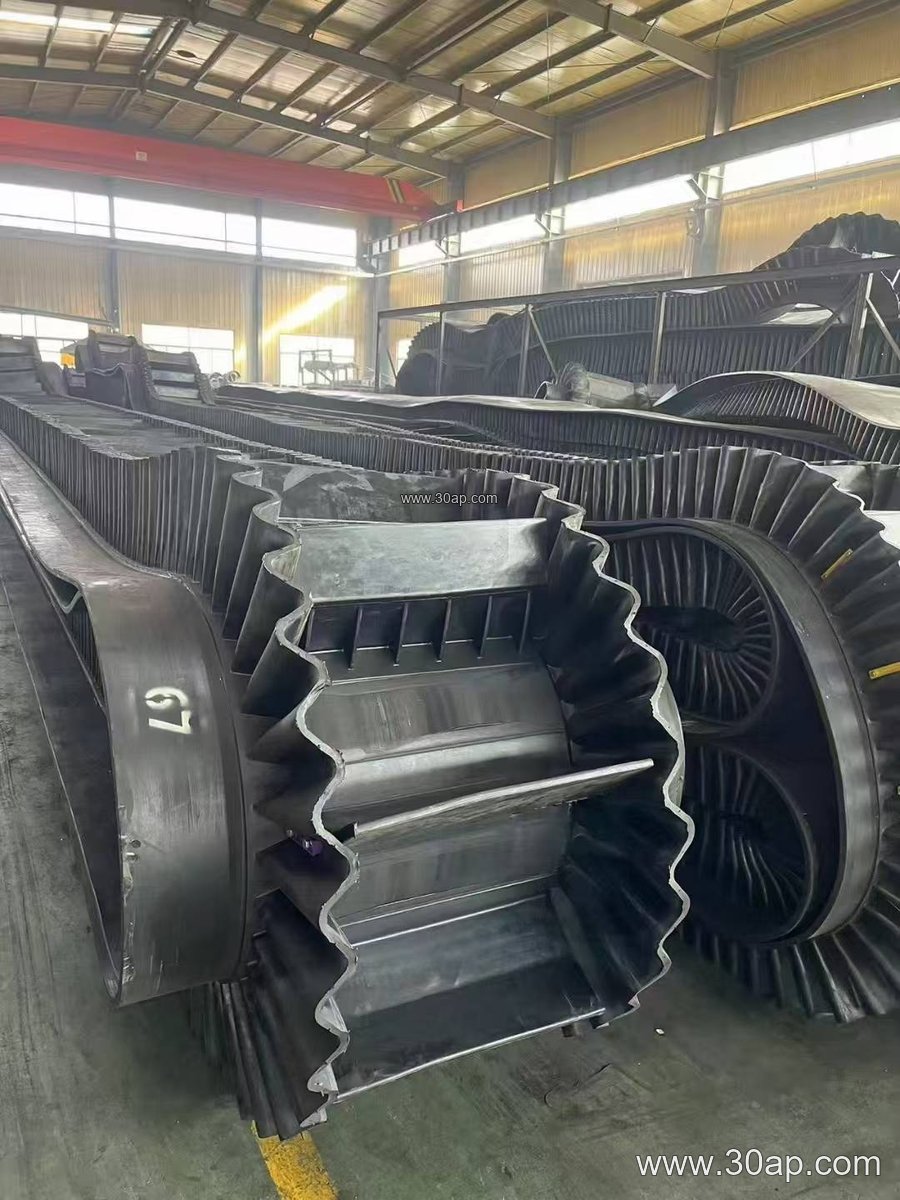
Carcass strength is selected from the duty: EP200 or EP400 for medium impact, EP630 to EP1000 for heavier stone and ore, and steel cord constructions such as ST1000 or ST1250 when both long distance and high impact are involved. A steel cord belt resists stretching, while the breaker layer handles the shock. Chevron or corrugated sidewall forms are chosen only when the conveyor also needs to hold material on an incline.
Common Construction Reference
| Element | Typical Options |
|---|---|
| Carcass type | EP fabric, NN fabric, steel cord |
| Strength grade | EP200, EP400, EP630, EP800, EP1000, ST1000, ST1250 |
| Cover thickness | 4+2, 5+2, 6+2, 8+3 mm |
| Ply count | 2 to 6 layers, commonly 3 to 5 |
| Belt width | B650, B800, B1000, B1200, B1400, B1600, B1800 |
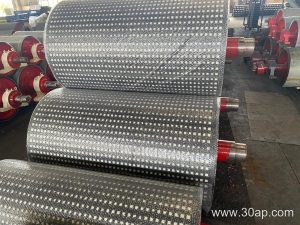
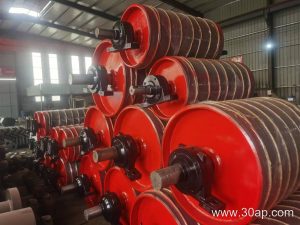
Widths and strengths are matched to the conveyor design, not fixed pairings; a B1200 belt may run with different pulley diameters depending on the layout. Drive, tail, and bend pulleys each have their own role and should be specified separately from the belt.
Where It Is Used
The most common homes for this belt are primary crushing stations and the loading points that follow them. In a quarry or aggregate plant, a crusher conveyor belt receives run-of-mine rock straight from the hopper, so impact resistance matters more than polished surface finish. In a coal mining conveyor belt or underground coal mining conveyor belt, flame retardant and anti-static properties are usually required alongside impact strength.
Other typical duties include:
- Cement plants handling clinker and limestone at kiln and crusher discharge
- Power plant coal conveyor belts fed by wagon tipplers or stackers
- Iron ore, copper ore, and gold mining conveyor belts at coarse ore transfer
- Port and ship loading conveyor belts where grabs or chutes drop bulk material
- Sand making and stone crushing lines with short, steep transfer chutes
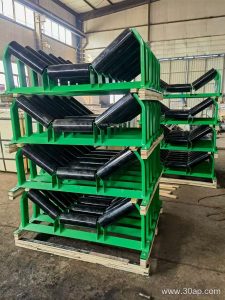
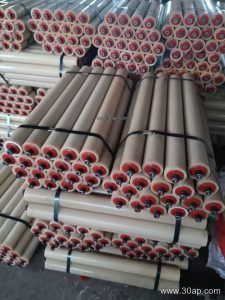
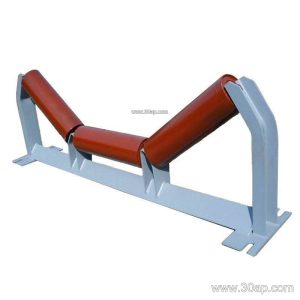
Supporting equipment matters too. Closely spaced idler rollers under the impact zone, a properly cushioned conveyor pulley at the discharge, and rigid conveyor brackets all reduce the stress the belt must absorb. A well-aligned conveyor pulley and free-turning idlers also prevent edge damage that compounds impact wear.
Buyer Checklist
Before ordering, collect the lump size, drop height, throughput, belt speed, and material temperature. These determine the breaker layer, cover thickness, and carcass grade. Ask whether the belt also needs heat resistance, oil resistance, or cold resistance, because a combined specification changes the rubber compound. Confirm the belt width and the pulley arrangement on the drawing rather than assuming a standard match.
Installation quality affects service life as much as the belt itself. Skirt rubber should sit close without pressing hard on the cover, and the impact zone should have adequate support. During operation, watch for cover gouges, exposed fabric, and edge cuts, and repair small damaged areas early. For buyers comparing source options, the product is also listed as an impact resistant rubber conveyor belt, and specifications should always be confirmed against the actual conveyor design rather than a catalogue alone.