What a Conveyor Vertical Roller Does
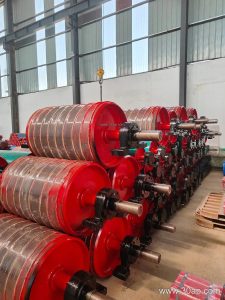
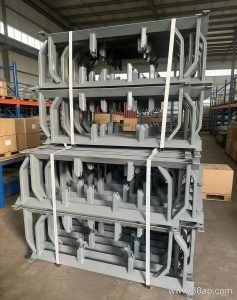
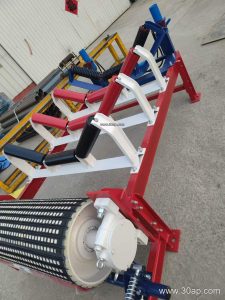
A conveyor vertical roller is a specialized idler used to guide the belt edge and maintain alignment on the carrying or return side of a conveyor. Unlike standard troughing idlers that support the belt from below, this roller is mounted vertically, with its axis perpendicular to the belt line. It spins against the belt edge to correct minor misalignment and reduce edge damage. In quarry, cement, and power plant applications, a vertical roller often works alongside a conveyor bracket and a conveyor pulley to keep the belt centered, especially where material loading is uneven. It is not a drive pulley or a tail pulley—those handle power transmission and belt tension—but a tracking accessory that protects the belt and structure.
Construction and Key Components
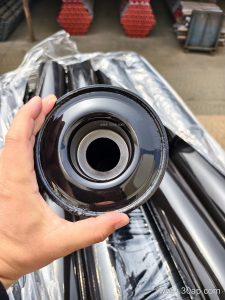
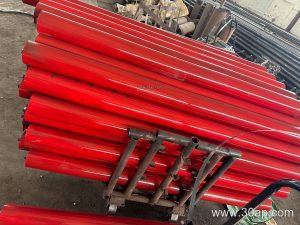
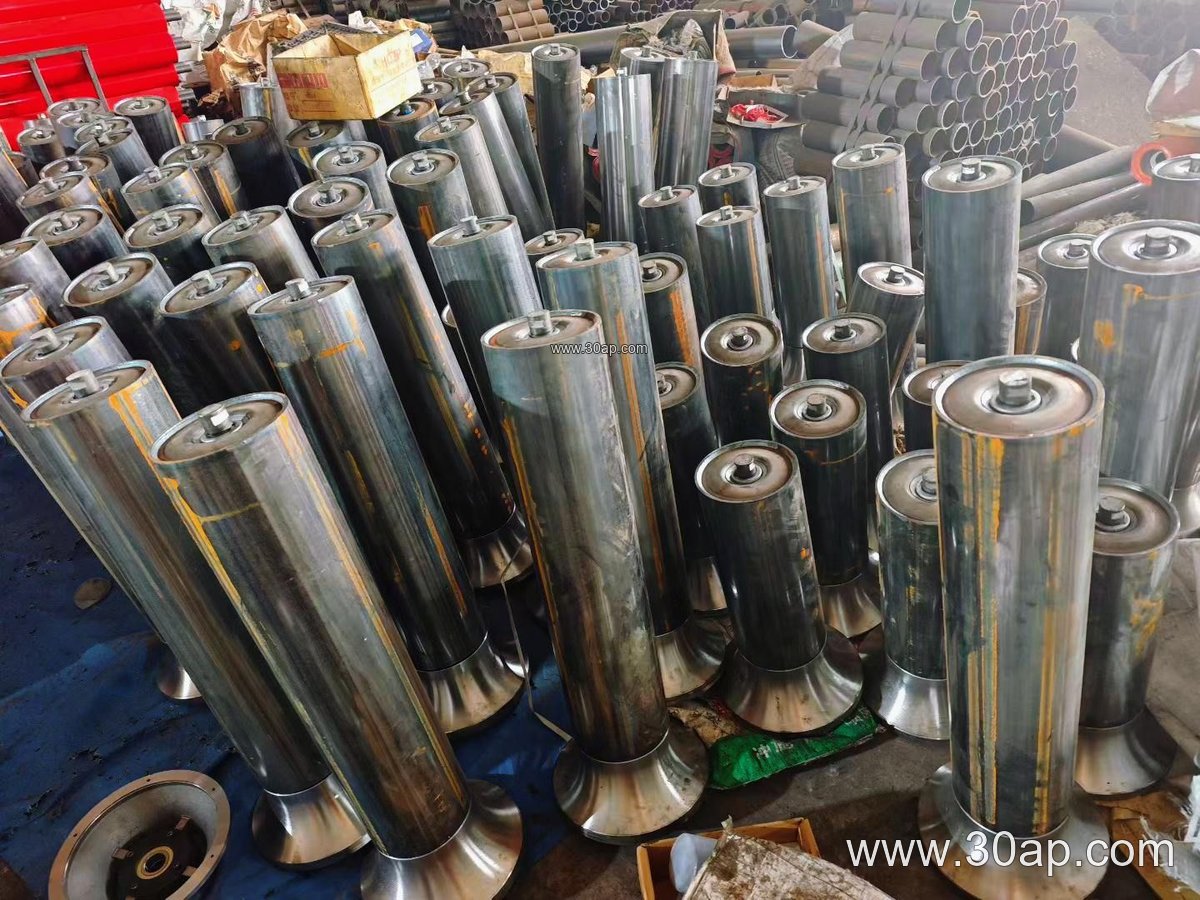
Most vertical rollers share the basic build of a standard idler roller: a steel tube shell, sealed bearings, and a fixed shaft. The shell may be plain steel, nylon-coated, or fitted with a rubber ring for grip and noise reduction. Bearing sizes such as 6204, 6205, or 6305 are common, depending on load and shaft diameter. The roller is usually short and small in diameter, often in the range of Ø63 to Ø108 mm, because it contacts only the belt edge. Mounting is done through a bracket that allows height and angle adjustment. Sealing is critical—dust from limestone, coal, or iron ore quickly destroys unsealed bearings, so effective labyrinth seals are a practical requirement.
Where It Fits on the Conveyor
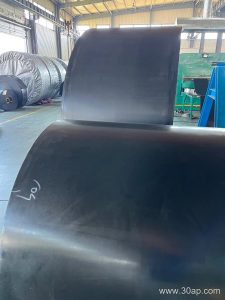
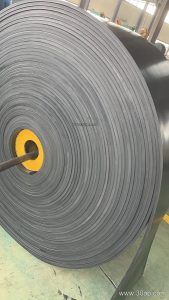
Vertical rollers are typically installed just ahead of the head pulley or after the tail pulley, where the belt is most likely to wander. In a coal mining conveyor or a cement plant raw mill feed line, a pair of vertical rollers may be placed on both sides of the belt to create a gentle guide channel. They are also used on the return strand, especially with a pipe conveyor belt or a corrugated sidewall belt where edge control is more demanding. On mobile crushing and screening plants, space is tight, so a compact vertical roller with a simple bracket is often preferred over a larger self-aligning idler set. The roller does not replace a training idler; it complements it, and both may appear on the same conveyor.
Common Sizes and Selection Notes
Because the vertical roller is a tracking device, its size is matched to the belt width and the available mounting space rather than to the full load capacity. The table below lists typical reference values; final selection should follow the conveyor design and the actual belt edge condition.
| Parameter | Common Range |
|---|---|
| Roller diameter | Ø63, Ø76, Ø89, Ø102, Ø108 mm |
| Belt width compatibility | B500 to B2000 mm (reference only) |
| Roller length | 150 to 300 mm, depending on bracket and belt |
| Bearing | 6204, 6205, 6305 (typical) |
| Surface | Steel, nylon, rubber ring |
Buyers should confirm the shaft fixing method, the bracket hole pattern, and the seal type. A vertical roller that is too large may rub the belt splice, while one that is too small may not provide enough contact. For heavy-duty mining conveyor belt systems, a reinforced bracket and a rubber-covered roller can extend service life. Always check that the roller spins freely by hand before installation.
Maintenance and Practical Advice
Inspect vertical rollers during regular belt inspections. A seized roller will flat-spot the belt edge, and a worn rubber ring will lose guiding effect. Keep the area around the roller clear of spilled material, especially in aggregate conveyor belt and crusher conveyor belt service where dust and fines accumulate. Lubrication is usually sealed for life, but replacement is simple when the bearing fails. Pair the roller with a well-aligned conveyor pulley and properly tensioned belt—no vertical roller can compensate for a badly misaligned structure. For abrasive conditions, consider a roller with a hardened shell; for food or clean applications, a nylon or stainless option may be more suitable.
Buyer Checklist
- Confirm belt width and edge clearance.
- Match roller diameter to the bracket height and belt path.
- Specify bearing size and seal type for the environment.
- Choose surface material based on dust, moisture, and noise requirements.
- Verify that the roller is a guide, not a substitute for a training idler or a pulley.
Whether the conveyor handles limestone, coal, clinker, or iron ore, a correctly selected conveyor vertical roller is a small but effective part of a reliable belt system. It works with the belt, the idler roller, and the pulley to reduce downtime and protect the belt edge.