What the ST3150 Conveyor Belt Is
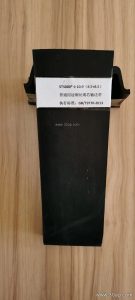
The ST3150 Conveyor Belt is a steel cord conveyor belt with a nominal tensile strength of 3150 N/mm. It sits near the top of the steel cord range, above ST2500 and well above common ST1000, ST1250, ST1600 and ST2000 designs. This is not a fabric belt with extra plies; the load is carried by longitudinally embedded steel cords, which gives the belt very high strength with relatively low elongation. In long overland lines, steep inclines and high-capacity trunk conveyors, that combination is often what makes a single-flight layout practical.
The full name is the ST3150 steel cord conveyor belt, and both forms refer to the same product. It should not be confused with fabric-core constructions such as EP Conveyor Belt or NN Conveyor Belt grades, which serve different duty ranges.
How the Belt Is Built
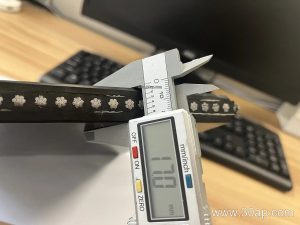
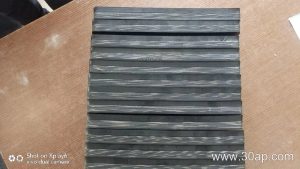
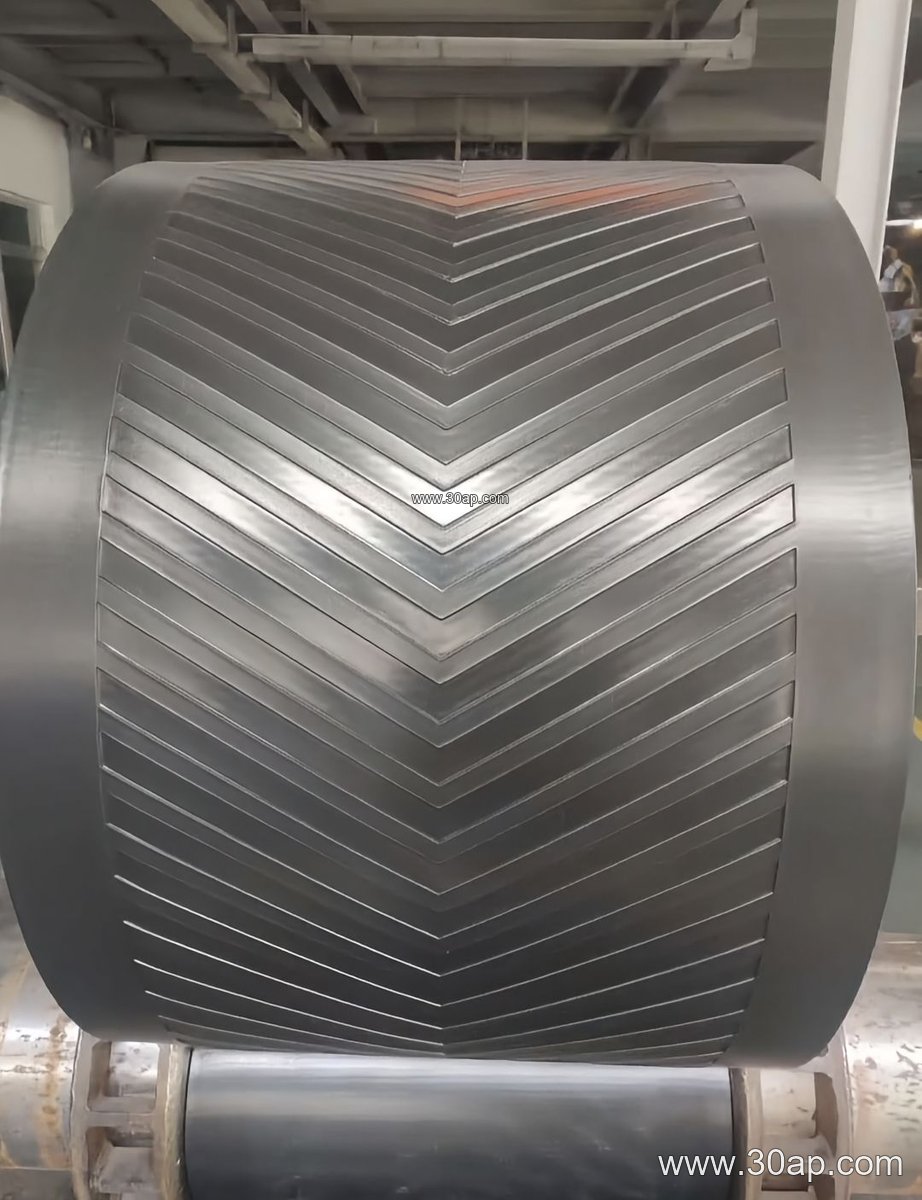
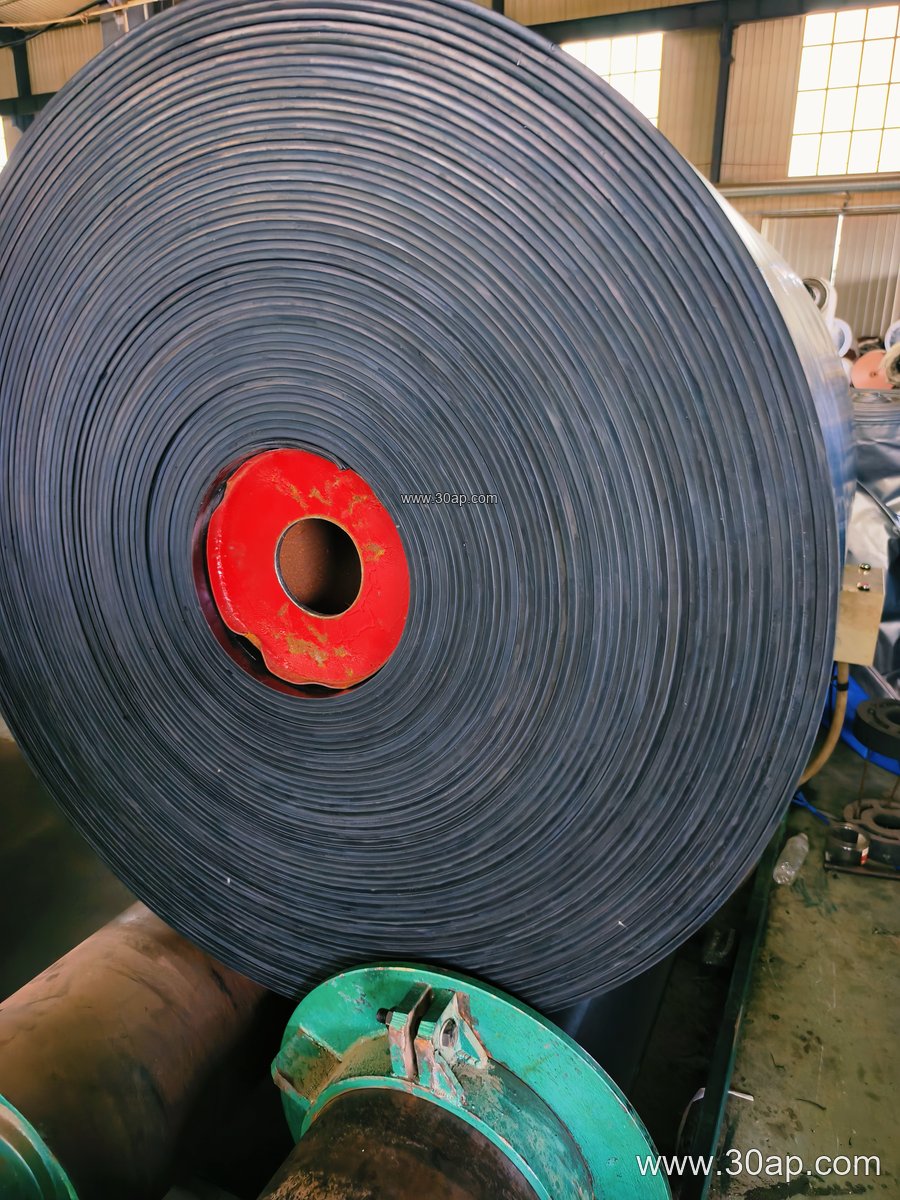
A steel cord belt is a composite structure. The core is a layer of parallel steel cords, and the cover rubber is bonded to both faces. For ST3150, the cord pitch and cord diameter are set by the belt designer rather than chosen from a single catalogue rule. Cover grade and thickness are selected against the material being carried and the environment.
- Tension layer: high-strength steel cords running the full belt length.
- Covers: top and bottom rubber, commonly expressed as combined thickness, for example 6+2 mm or 8+3 mm on heavy-duty belts.
- Edge construction: reinforced edges to resist tracking stress and edge damage.
- Options: abrasion resistant, heat resistant, flame retardant and anti-static versions where the duty calls for them.
Because the cords carry the tension, field splicing is a specialist task. Splice quality has a direct effect on belt life, so the splice method and the crew experience matter as much as the belt itself.
Typical Duty and Industries
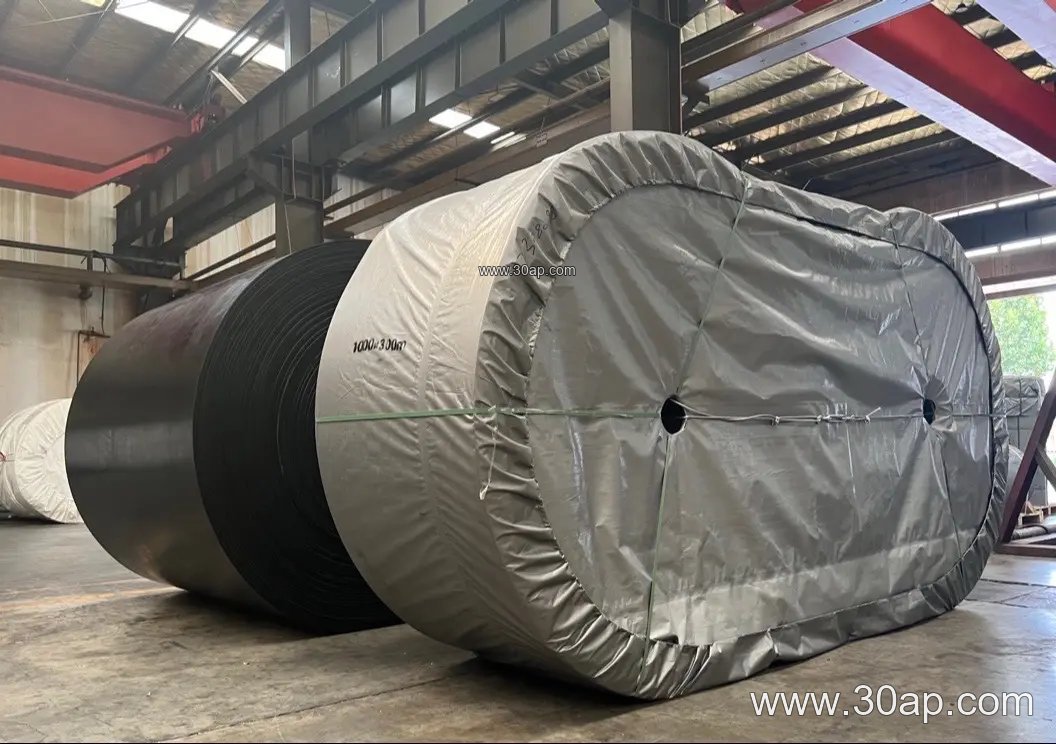
ST3150 is usually found where tonnage, distance or lift is high. Mining conveyor belt duties in iron ore, copper ore and other hard-rock operations are a natural fit, and so are long main lines at ports and ship loading facilities. Coal mining conveyor belt systems may use it on main haulage where flame retardant properties are also required. Cement plants, power plants and large quarry conveyor belt installations use steel cord belts for clinker, limestone and raw material transport.
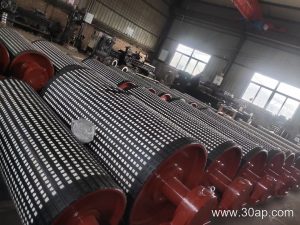
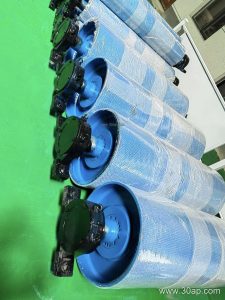
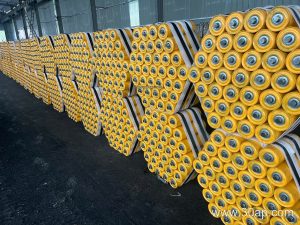
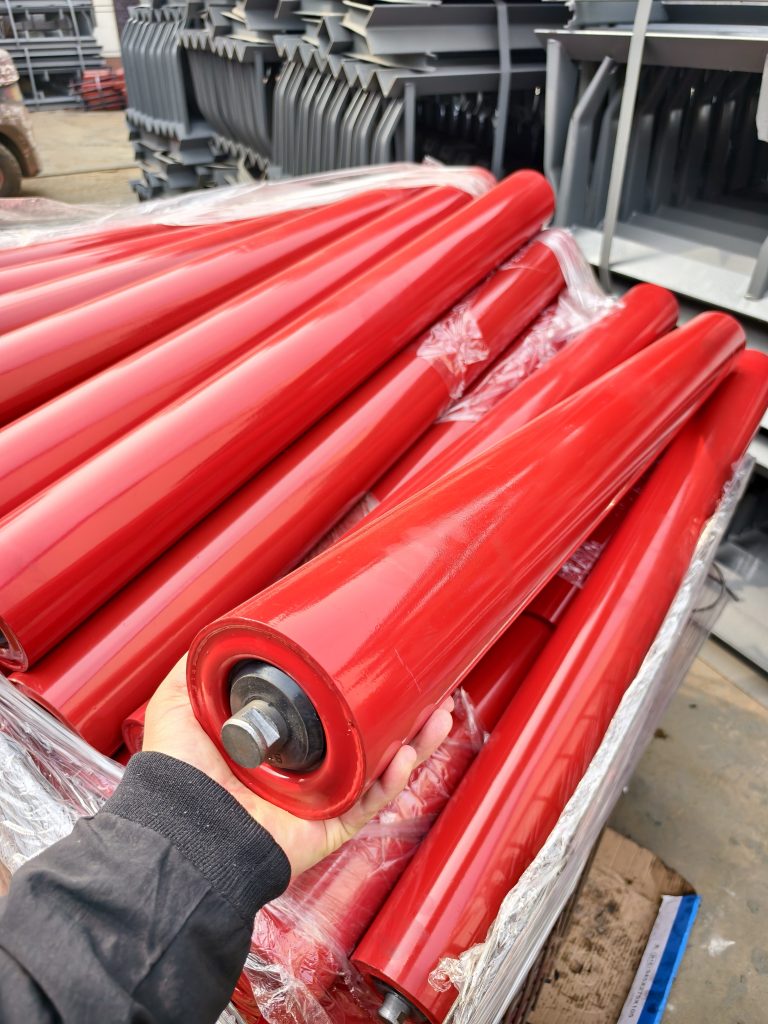
The belt is normally supported by a conveyor pulley at the head and tail, carried on idler roller sets, and held in line by conveyor bracket assemblies. These components are matched to the belt width, tension and load, not chosen independently of the belt design.
Widths, Strengths and Related Grades
Belt width is selected from the conveyor design and the lump size, not from a fixed rule tied to strength. Steel cord belts are commonly supplied in widths such as B800, B1000, B1200, B1400, B1600, B1800 and B2000. A 1200mm wide or 1500mm wide belt is a frequent choice for main lines, while 1800mm and wider belts appear on very high-capacity systems.
| Parameter | Typical reference |
|---|---|
| Belt type | ST3150 steel cord |
| Nominal strength | 3150 N/mm |
| Common widths | B800 to B2000 |
| Cover thickness examples | 6+2 mm, 8+3 mm |
| Cover grades | Abrasion resistant, heat resistant, flame retardant, anti-static |
For comparison, EP Conveyor Belt grades such as EP200, EP630 or EP1250 and NN Conveyor Belt grades cover medium and high tension duties but with fabric plies. A Chevron Conveyor Belt or Corrugated Sidewall Conveyor Belt solves incline and material-containment problems rather than raw tension. Those are different tools for different jobs.
What a Buyer Should Check
Before ordering, confirm the calculated maximum belt tension, the safety factor required by the conveyor design, and the duty class of the covers. Ask for the cord construction, cover thickness, edge type and splice recommendation in writing. Check that the pulley diameters and idler roller spacing suit a steel cord belt of this strength; a belt width alone does not determine shaft size or pulley diameter. On site, alignment, loading conditions and splice inspection are the main levers for long service life. For steel cord and heavy-duty conveyor belt enquiries, buyers can review options at www.bulkconveyorbelt.com and compare grades before specifying.