What a Q235 Conveyor Bracket Actually Does
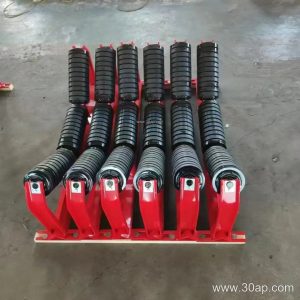
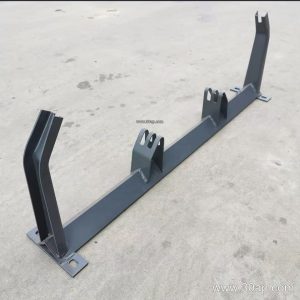
Every conveyor needs a frame that holds the idlers in the right position, and the Q235 conveyor bracket is the steel component that does exactly that. Made from Q235 mild steel, this bracket—often called a Q235 conveyor support bracket—connects the idler roller to the main conveyor structure. It keeps the belt profile stable whether the system runs in a coal preparation plant, a limestone quarry, or a power station coal yard.
The bracket is not a glamorous part, but it determines how well the belt tracks and how long the idlers last. A poorly made bracket lets the idler sag or twist, which leads to edge damage on an EP conveyor belt or uneven wear on a heavy-duty mining conveyor belt.
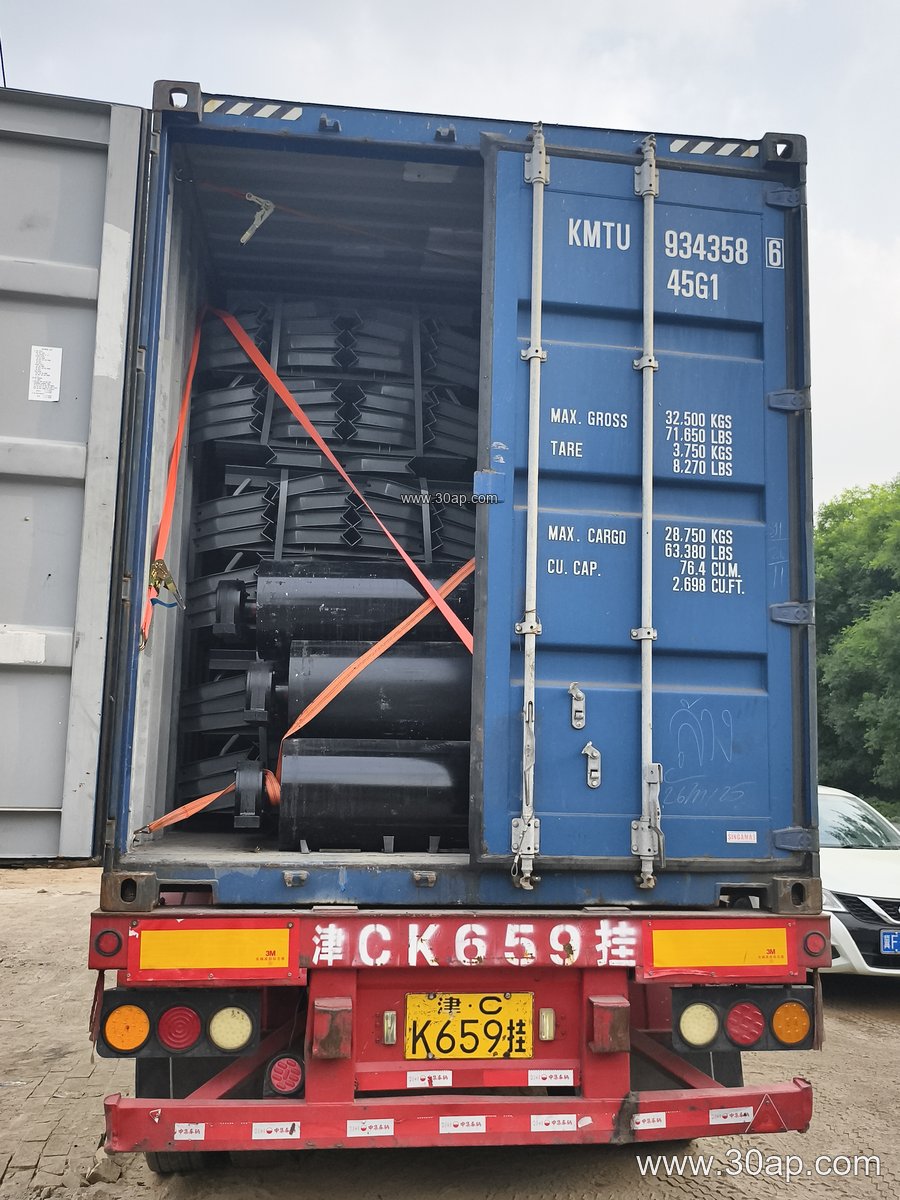
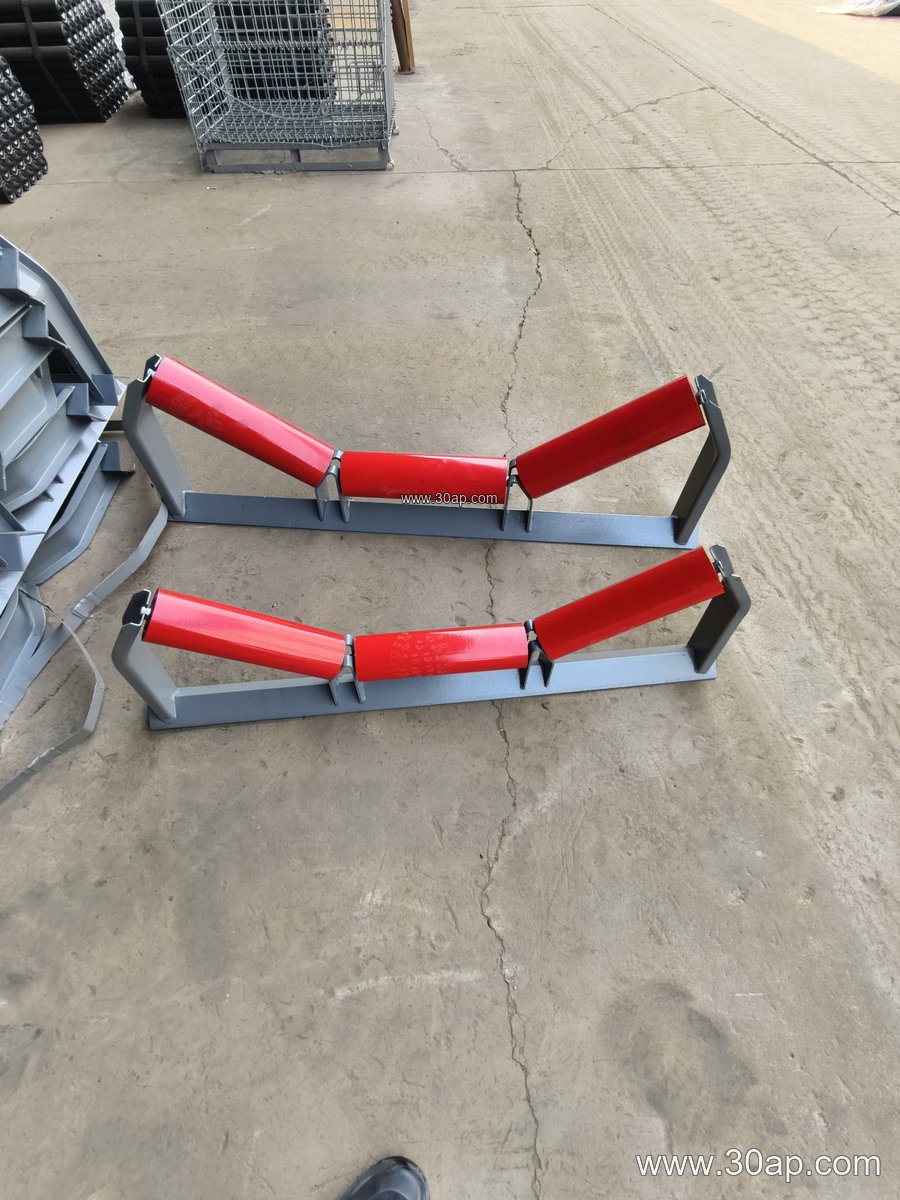
How the Q235 Bracket Is Built
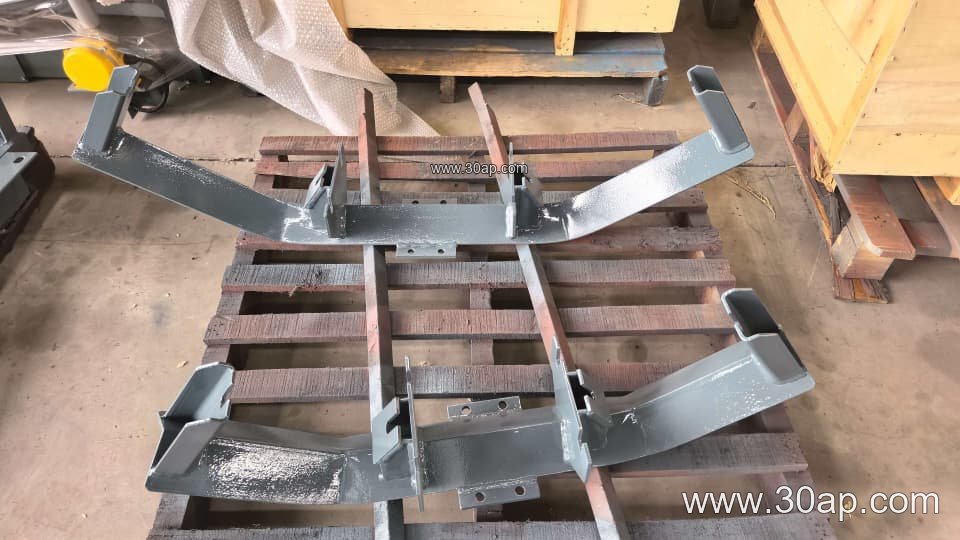
Fabricators typically produce these brackets from angle steel, channel steel, or bent steel plate. Q235 offers a good balance of strength and weldability, so the bracket can be bolted or welded to the conveyor frame without cracking. Common forms include:
- Troughing bracket for carrying idlers, usually set at 20, 30, 35, or 45 degrees.
- Return bracket for bottom idlers, including V-return and flat-return designs.
- Impact bracket for buffer idlers at loading points.
- Self-aligning bracket for training idlers that correct belt misalignment.
- Adjustable bracket that lets maintenance staff change the trough angle on site.
Most brackets are drilled to match standard idler shaft sizes, but hole spacing and crossbeam length vary with belt width and trough angle. A B800 bracket is not drilled the same as a B1400 bracket, and the two should never be swapped without checking dimensions.
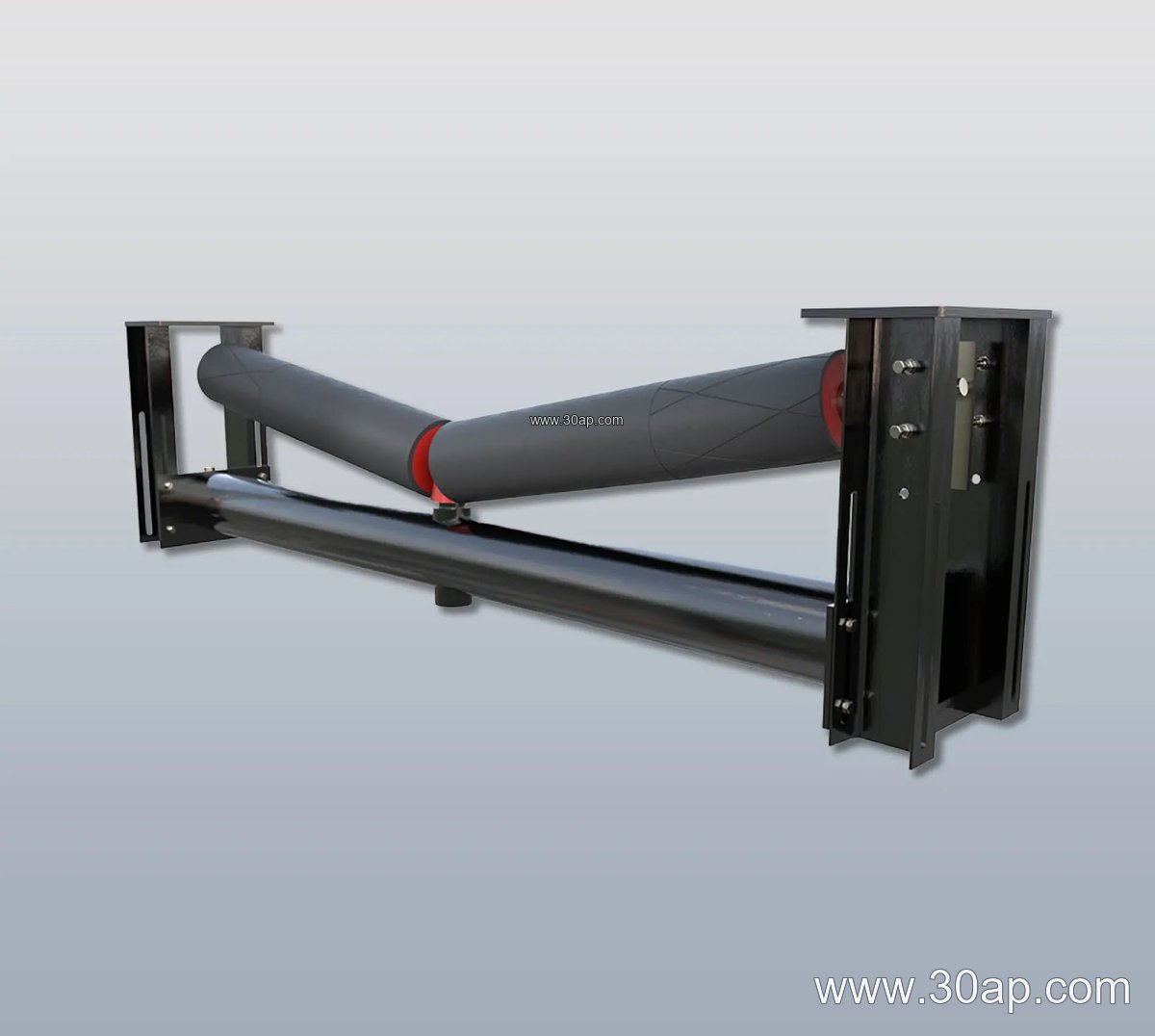
Matching Bracket to Belt Width and Idler Diameter
Buyers often ask which bracket fits a given belt. The answer depends on the conveyor design, not on a single fixed rule. The table below shows common combinations, but these are reference examples, not mandatory pairings.
| Belt Width | Trough Angle | Idler Diameter | Typical Bracket Use |
|---|---|---|---|
| B650 | 30 degrees | Ø89 | Light aggregate or sand line |
| B800 | 35 degrees | Ø108 | Cement plant clinker transport |
| B1000 | 35 degrees | Ø133 | Coal mining conveyor belt system |
| B1200 | 45 degrees | Ø133 | Iron ore or copper ore handling |
| B1400 | 45 degrees | Ø159 | Heavy-duty mining conveyor belt |
| B1600 | 35 degrees | Ø159 | Port ship loading line |
A wide belt such as a 1800mm wide conveyor belt may use a larger idler and a reinforced bracket, but the exact shaft diameter must come from the idler manufacturer and the conveyor design. Do not assume that belt width alone determines shaft size.
Where These Brackets Are Used
In a stone crushing plant, Q235 brackets hold the troughing idlers that support the crusher conveyor belt under heavy impact. In a coal preparation plant, flame retardant conveyor belt runs on brackets that must resist vibration and occasional washdown. In a cement plant, heat resistant conveyor belt carries clinker over brackets exposed to radiant heat, so the steel grade and coating matter. Power plant coal yards, fertilizer granulation lines, and grain silos also use these brackets because they are easy to replace and weld.
What a Buyer Should Check
- Confirm the bracket type: troughing, return, impact, or self-aligning. These are not interchangeable.
- Give the belt width, trough angle, and idler diameter together—for example, B1200, 35 degrees, Ø133.
- Ask for the installation hole spacing and crossbeam length rather than assuming a standard.
- Specify the surface treatment, such as painting or galvanizing, for humid or corrosive sites.
- Check that the bracket material certificate matches Q235 or the specified grade.
For more on matching conveyor components, visit conveyor bracket and idler roller resources. A well-chosen Q235 conveyor bracket keeps the belt centered, extends idler life, and reduces downtime in any bulk material handling operation.