What a Driving Pulley Does
A driving pulley, often called a head pulley or drive drum, is the roller that transmits motion to the conveyor belt. It is connected to a motor through a gearbox, coupling, or directly in the case of a drum motor, and friction between the pulley surface and the belt moves the entire load. In a quarry or a coal handling plant, the driving pulley is usually the first component engineers size when they calculate the belt pull and the required torque. The same component is sometimes described simply as a conveyor pulley, but in a full drive arrangement it has a specific role that a tail pulley or a bend pulley does not share.
Construction and Surface Options
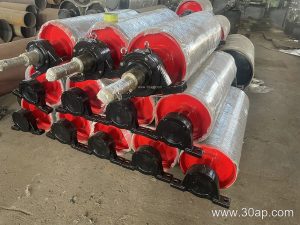
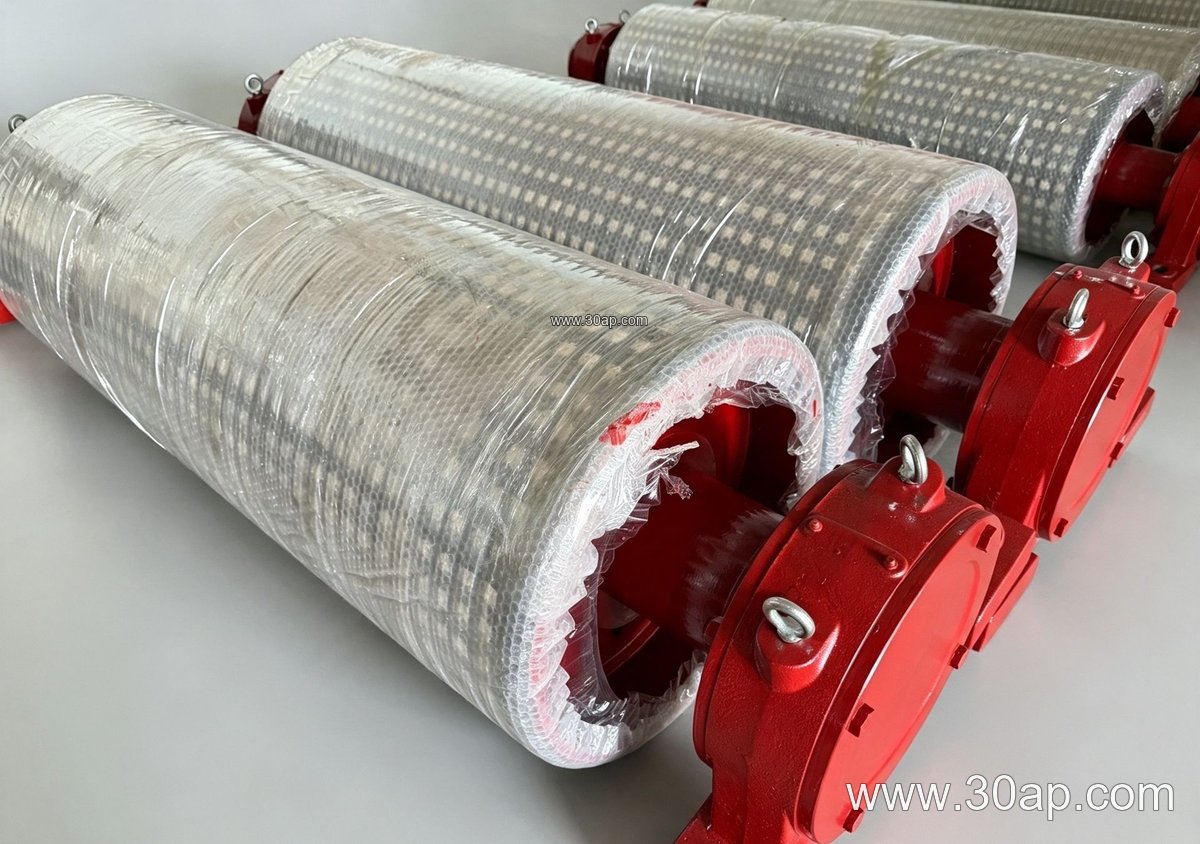
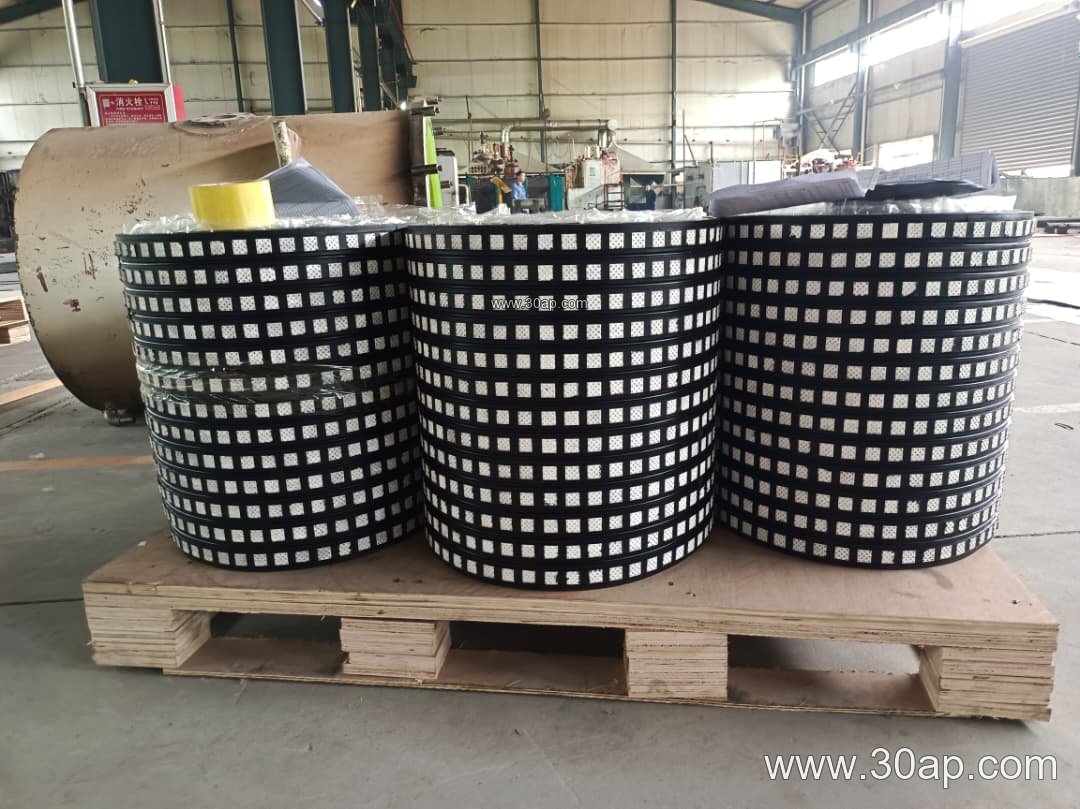
The body is normally a welded steel cylinder with end discs and a shaft, balanced for rotation. The shell surface can be plain, or it can carry a rubber lagging applied by cold bonding, hot vulcanizing, or casting. Common lagging patterns include diamond and herringbone grooves, and ceramic tiles are used where slip and wear are both concerns. Lagging thickness is often 8, 10, 12, 15, or 20 mm depending on duty.
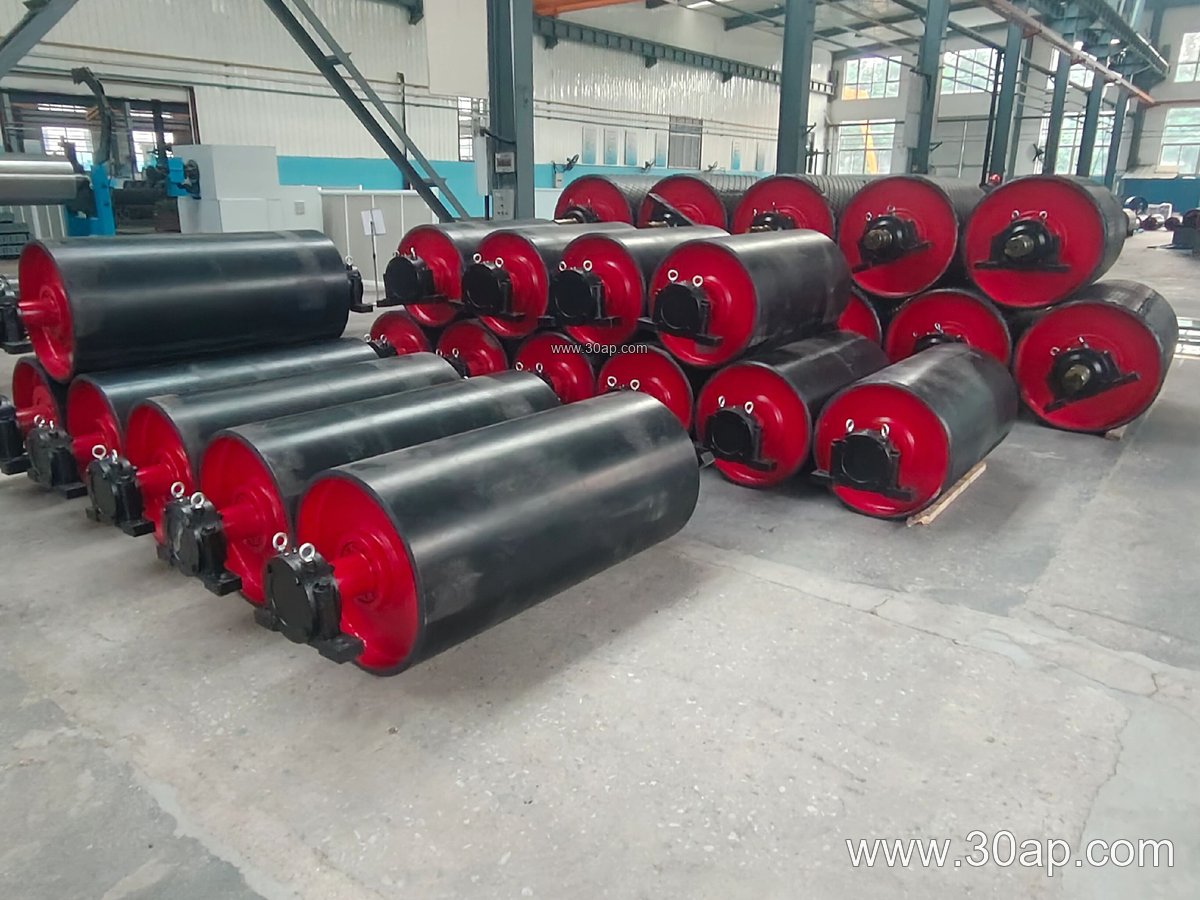
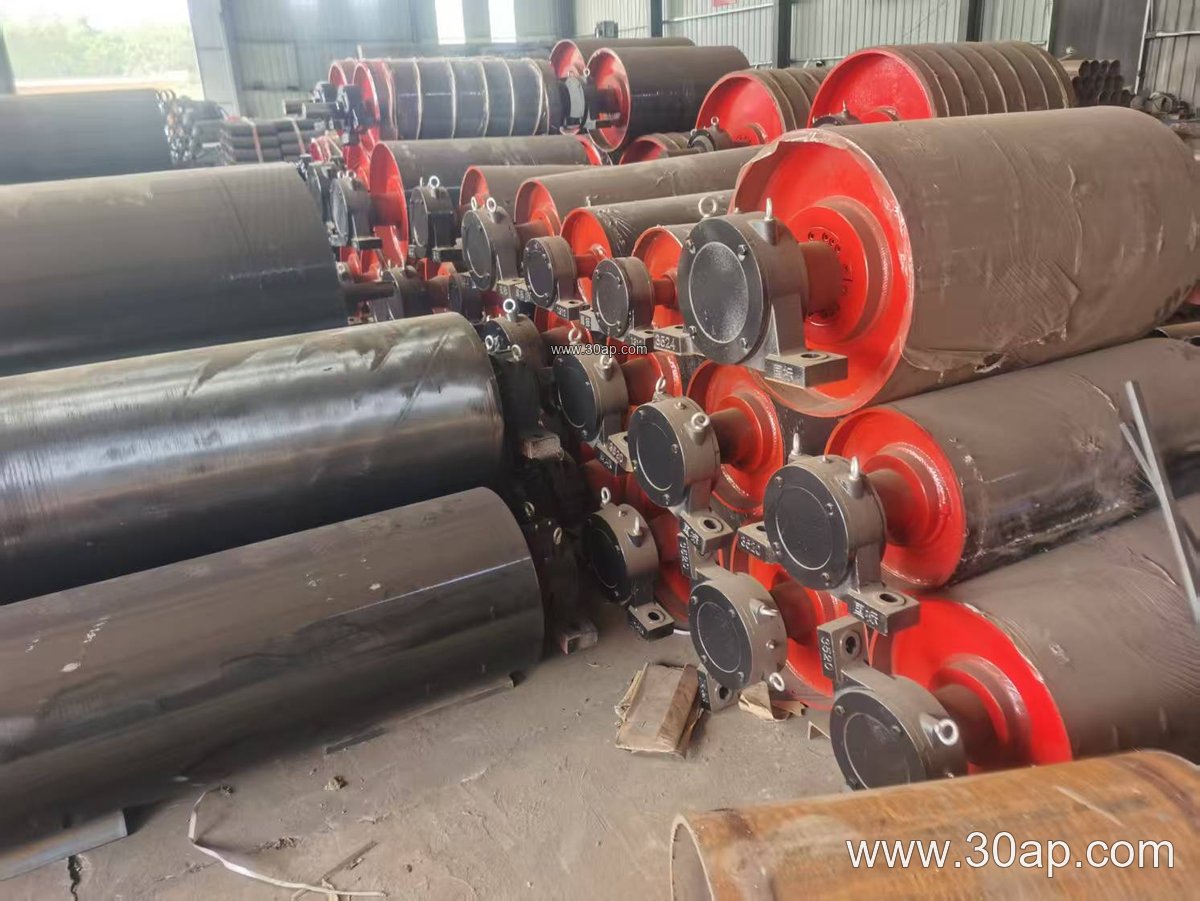
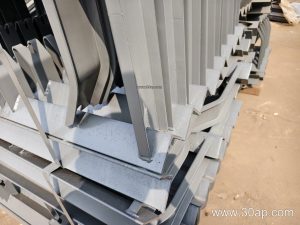
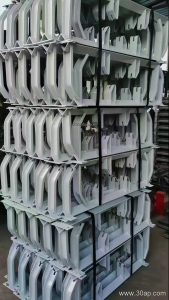
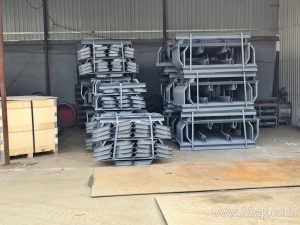
Bearing housings, a conveyor bracket at each side, and a suitable shaft complete the assembly. Shaft diameter is determined by torque and radial load, not by belt width alone, so a B800 drive drum may use quite different shaft sizes in two different installations.
Where It Fits in the Line
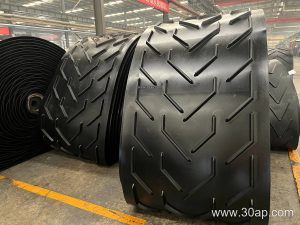
Drive pulleys appear at the discharge end of overland conveyors, at the head of incline belts in limestone mines, and on the main haulage belts of iron ore and copper ore operations. In a power plant coal yard the drive drum on the stockyard belt works with a flame retardant conveyor belt, while a cement plant clinker line may pair a heat resistant conveyor belt with a lagged drive pulley. Sand and aggregate lines, crushing and screening circuits, and port ship loading conveyors all rely on the same principle. The belt itself might be an EP conveyor belt, an NN conveyor belt, a steel cord conveyor belt, or a multi-ply fabric core conveyor belt; the drive drum has to match the belt’s tension and friction demand in every case.
Matching Pulley to Belt
Belt width and pulley face width are related, and the pulley face is usually a little wider than the belt. For reference, B400 is often paired with a face around 500 mm, B650 with about 750 mm, B1000 with about 1150 mm, and B1400 with about 1600 mm. Diameter is chosen from the belt tension, the number of plies or cord strength, and the wrap angle. Typical combinations such as B800 × Ø500, B1200 × Ø1000, or B1400 × Ø800 appear in real projects, but no single diameter is mandatory for a given width.
| Belt width | Typical pulley face | Example diameter |
|---|---|---|
| B400 | about 500 mm | Ø250 to Ø400 |
| B650 | about 750 mm | Ø315 to Ø500 |
| B800 | about 950 mm | Ø400 to Ø630 |
| B1000 | about 1150 mm | Ø500 to Ø800 |
| B1200 | about 1400 mm | Ø630 to Ø1000 |
| B1400 | about 1600 mm | Ø800 to Ø1250 |
| B1600 | about 1800 mm | Ø1000 to Ø1400 |
These figures are reference ranges only and should be confirmed by the conveyor design.
Buyer Checklist
- Confirm the belt type and tension: an abrasion resistant conveyor belt on a crusher conveyor belt line behaves differently from a smooth EP conveyor belt on a long overland run.
- State the application clearly. Underground coal mining conveyor belts usually call for flame retardant and anti-static properties, while a quarry conveyor belt may prioritize abrasion resistance.
- Specify lagging pattern and thickness, and whether the surface should be plain, diamond, herringbone, or ceramic.
- Provide shaft diameter, bearing type, and the mounting bracket dimensions.
- Ask for dynamic balance and inspection records for the finished drum.
At www.bulkconveyorparts.com/driving-pulley you can compare drive drum configurations, and a similar overview of matching components is available at www.bulkconveyorparts.com/conveyor-pulley. For belt selection alongside the drum, see www.bulkconveyorparts.com/ep-conveyor-belt.
Maintenance Notes
Check lagging wear at every shutdown, since a worn diamond pattern reduces grip and increases slip. Keep the belt tracking centred, because edge loading shortens lagging life. Grease bearings on schedule and inspect the shaft and end disc welds for cracks. In dusty plants such as a lime kiln feed line or a fertilizer granulation hall, clean the pulley face regularly so material buildup does not alter the belt path. A driving pulley that is correctly sized, properly lagged, and well maintained will outlast several belts on the same conveyor.