What a High Impact Resistant Idler Does
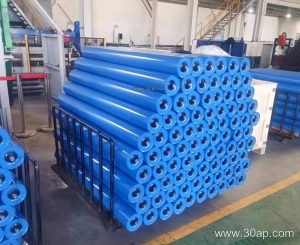
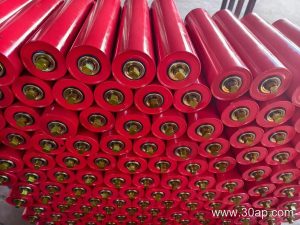
A high impact resistant idler is a specialized conveyor idler roller built to absorb the shock of falling material at transfer points and loading zones. Unlike standard carrying idlers, this impact idler features a resilient rubber or elastomer surface that cushions heavy lumps of ore, rock, or clinker, protecting the conveyor belt from cuts and punctures. In quarry and aggregate operations, the primary crusher discharge often drops large stones directly onto the belt; here, a high impact resistant idler helps maintain belt integrity and reduces downtime. The term is sometimes shortened to impact idler or shock-absorbing idler, but it always refers to the same product category designed for punishing load conditions.
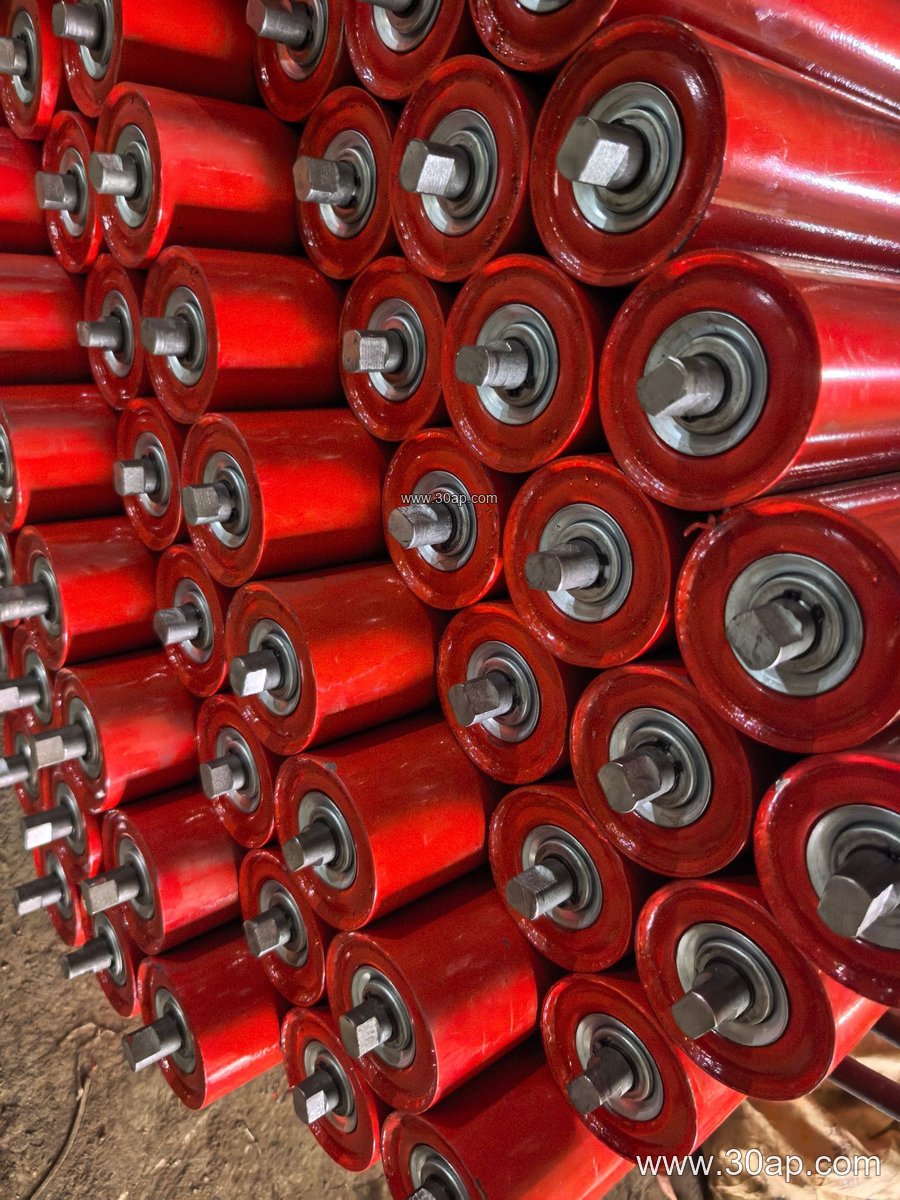
Construction and Key Components
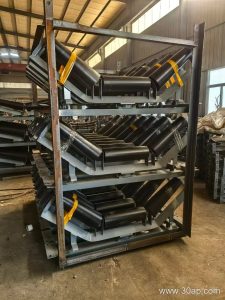
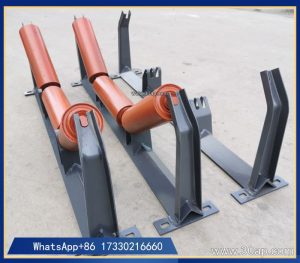
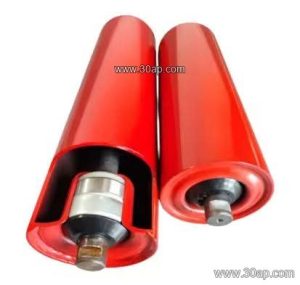
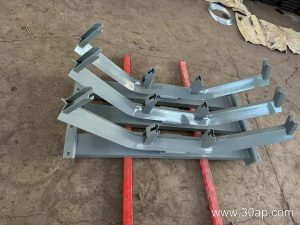
These idlers typically combine a steel core with a thick rubber covering, often in the form of rubber rings or a continuous sleeve. The rubber compound is formulated for high resilience and abrasion resistance, and the rings may be spaced to allow some flex under impact. The roller body uses a heavy-duty steel tube, and the bearing housing is sealed to keep out dust and water. Common bearing sizes include 6205, 6305, and 6306, matched to the shaft and load requirements. The shaft is usually made from mild steel or alloy steel, and the end caps are welded for strength. The idler frame, or conveyor bracket, is designed to hold the roller securely while allowing easy replacement. For extreme conditions, some designs incorporate a shock-absorbing suspension system with springs or rubber blocks, but the core principle remains the same: dissipate impact energy before it reaches the belt.
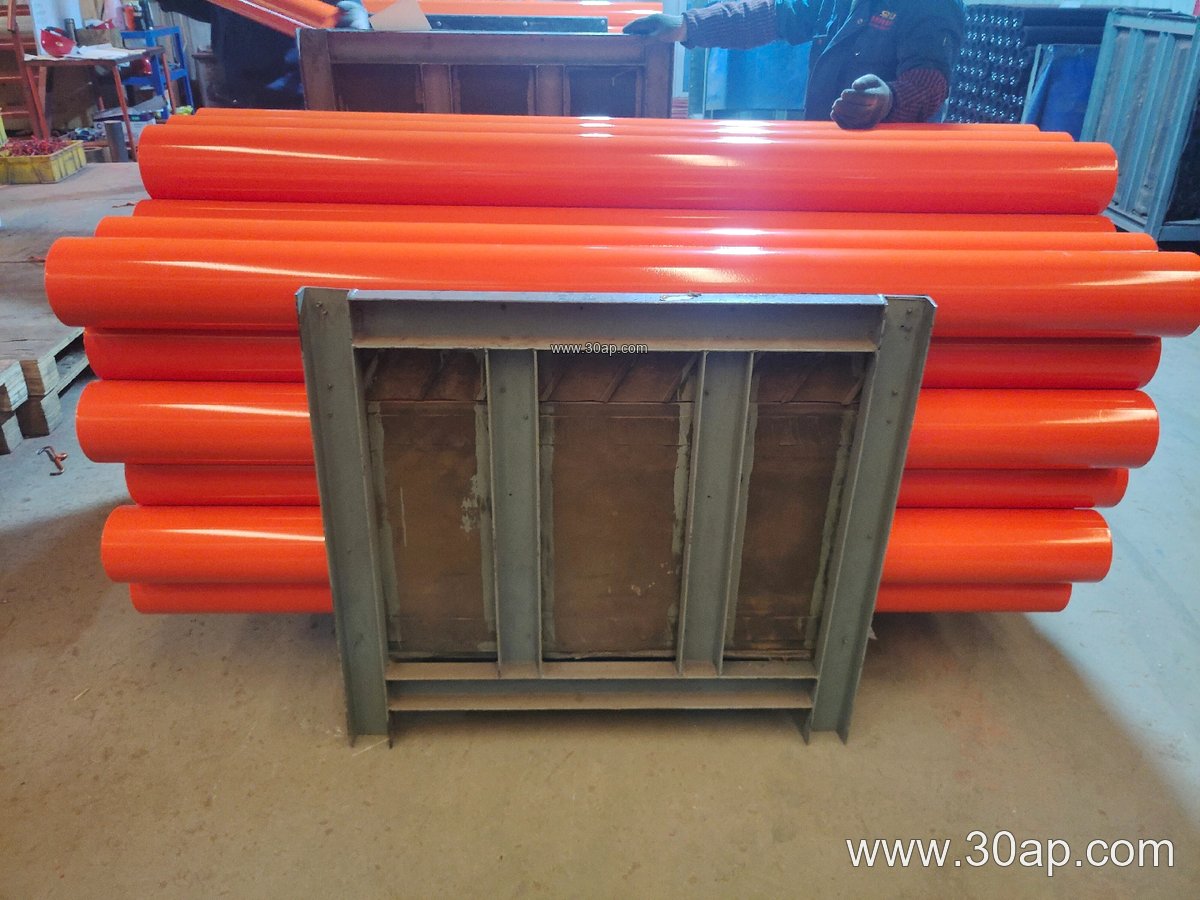
Where High Impact Resistant Idlers Are Used
The most common applications are at conveyor loading points where material free-falls onto the belt. In a limestone quarry, run-of-mine rock may be dropped from a truck or loader into a hopper, and the impact idler sits directly beneath the chute. In coal mining, especially underground coal mining conveyor systems, impact idlers are placed at transfer points to handle lump coal and occasional rock inclusions. Cement plants use them under clinker coolers and crusher discharges, while power plant coal handling systems rely on them to protect expensive conveyor belts from damage. Other industries include iron ore and copper ore processing, sand and gravel plants, and port ship loading facilities. In each case, the impact idler works alongside the conveyor belt, conveyor pulley, and other conveyor components to keep material moving efficiently.
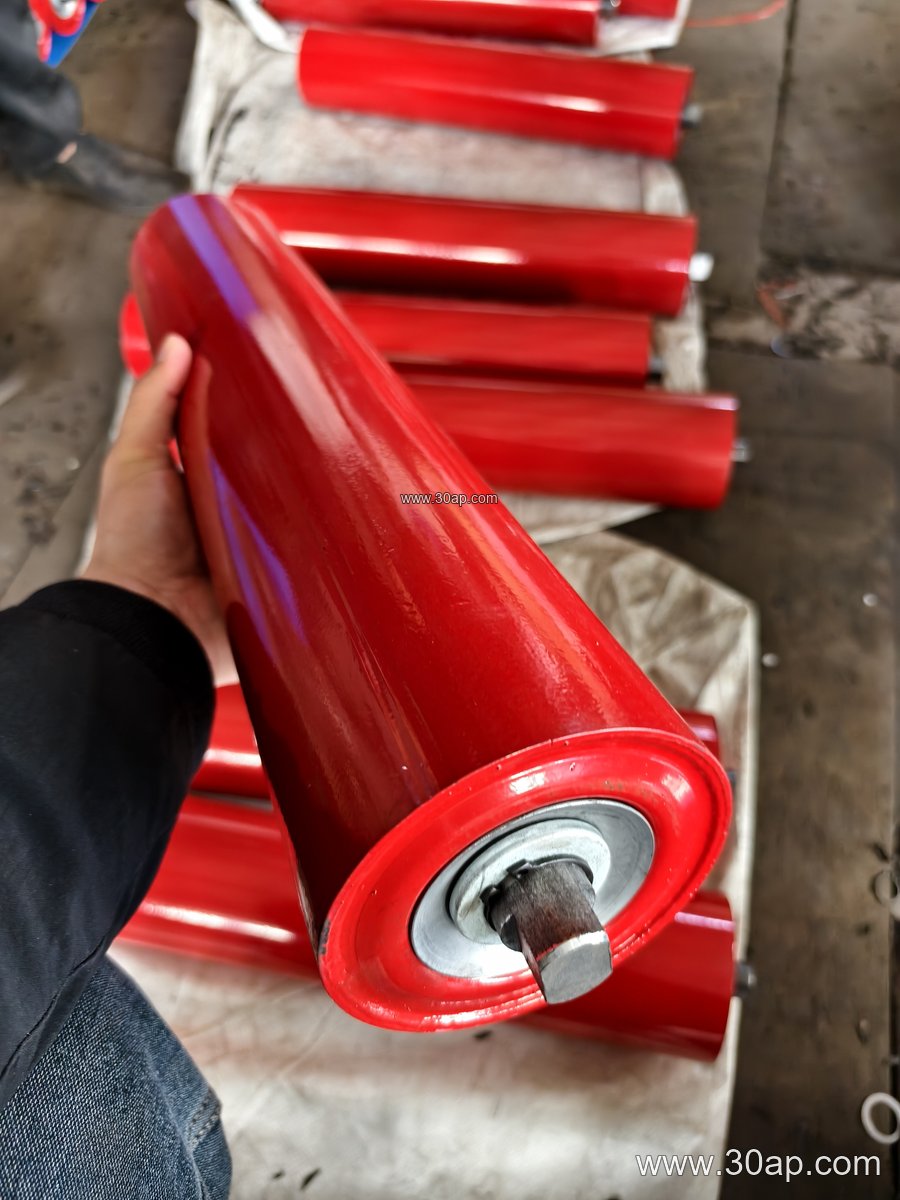
Selection and Sizing Considerations
When choosing a high impact resistant idler, buyers should consider the belt width, the size and weight of the falling material, and the drop height. The idler diameter must be sufficient to handle the load without deflection; common roller diameters for impact idlers range from Ø89 mm to Ø159 mm, though larger sizes are available for very heavy duties. The idler length must match the belt width and trough angle. For example, a three-roll troughing set for a B1000 conveyor belt typically uses a center roll of about 380 mm and side rolls of about 380 mm, but these values are for reference only and should be confirmed with the conveyor design. The trough angle, often 20°, 30°, 35°, or 45°, affects how well the belt is supported. The rubber surface can be plain rubber rings or a continuous rubber lagging; some designs use ceramic or nylon for different wear characteristics, but rubber remains the standard for impact absorption. The bearing type and seal quality are critical for longevity, especially in dusty or wet environments. Buyers should also verify that the idler frame or conveyor bracket is compatible with the existing conveyor structure and that the idler can be retrofitted without major modifications. It is important to note that high impact resistant idlers are not a substitute for proper belt support; they complement transition idlers and training idlers to ensure smooth operation.
Maintenance and Longevity Tips
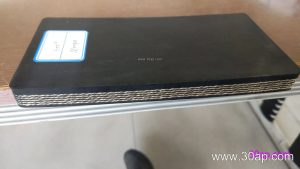
Regular inspection of impact idlers is essential, particularly at loading zones where wear is concentrated. Check for loose or missing rubber rings, cracks in the rubber, and any signs of bearing seizure. Lubricate bearings according to the manufacturer’s schedule, and replace idlers when the rubber surface is worn down to the metal core. Keeping the loading chute aligned to avoid off-center impact will extend idler life. In coal mining or quarry environments, consider using flame retardant and anti-static conveyor belts in conjunction with impact idlers for added safety. Also, ensure that the conveyor belt is properly tensioned; an over-tensioned belt can increase impact forces on the idlers. For high-temperature applications, such as cement clinker, heat resistant conveyor belts may be needed, and the impact idler should be selected with heat-tolerant rubber. Always follow the conveyor designer’s recommendations for idler spacing and type.