What Conveyor Bracket Fabrication Involves
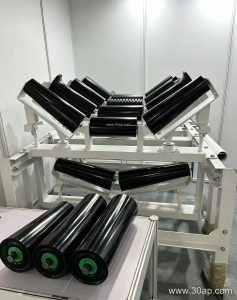
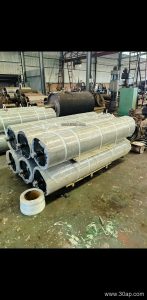
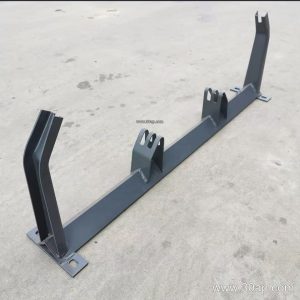
Conveyor bracket fabrication is the process of cutting, bending, drilling, and welding steel into the structural supports that hold idler rollers and shape the conveyor belt path. These brackets, often called idler frames or roller stands, are the interface between the conveyor structure and the rotating components. A well-fabricated bracket keeps the belt profile stable, reduces misalignment, and extends the service life of both the belt and the rollers. In a quarry or a coal preparation plant, even a small dimensional error in a bracket can cause belt tracking problems that ripple through the entire conveying system.
The fabricated bracket is not a standalone product but part of the conveyor system. It must match the belt width, the trough angle, and the roller diameter specified for the installation. Typical materials include angle steel, channel steel, and folded steel plate, selected according to the load and environmental conditions.
How a Fabricated Bracket Is Built
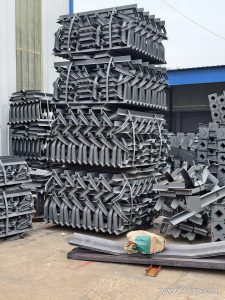
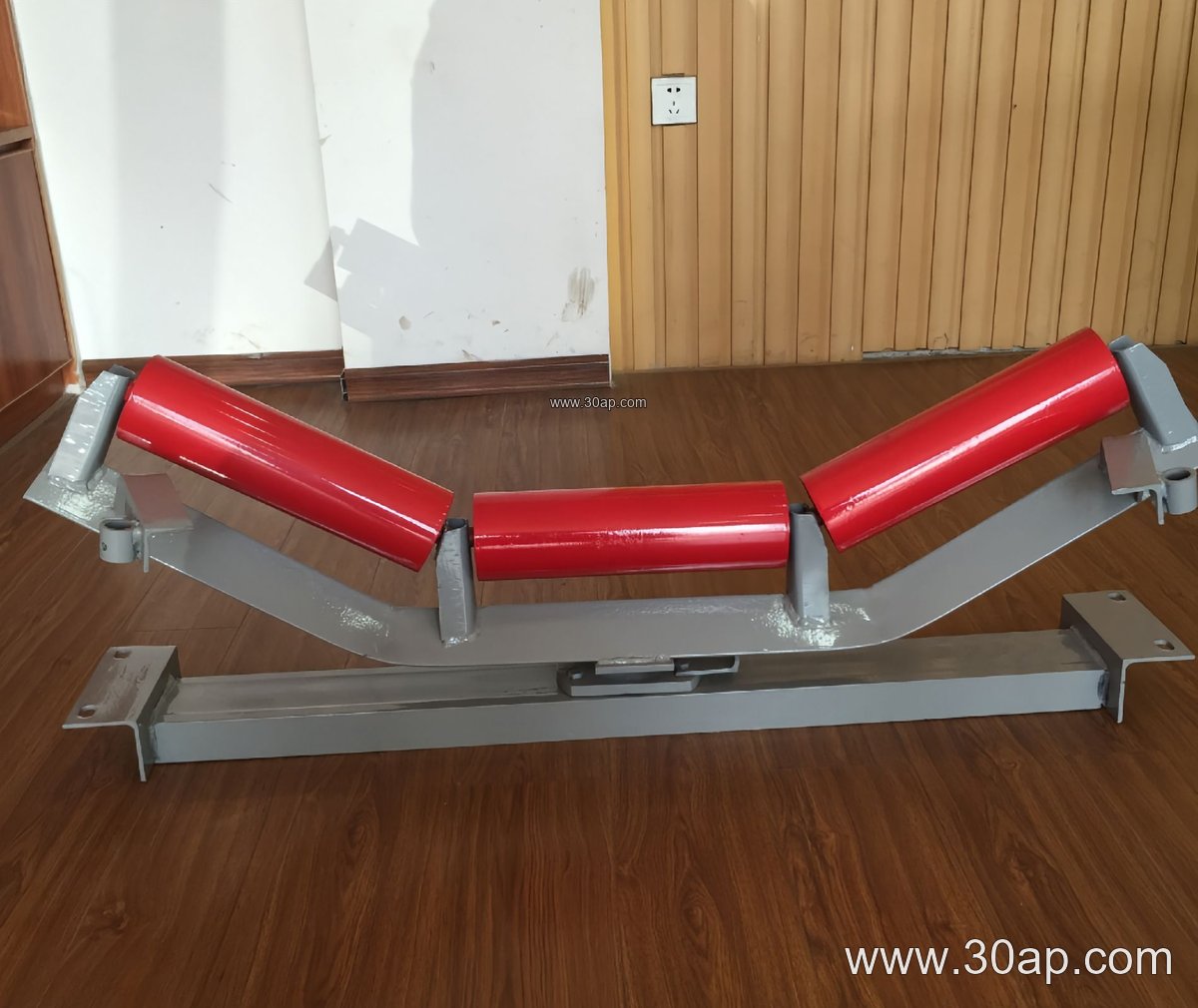
Fabrication starts with material preparation. Flat steel plates are cut to size, then folded or pressed into the required profile. For troughing brackets, the side arms are angled to create the trough shape that supports the belt. Holes are drilled or punched for mounting bolts and roller shafts. Welding follows, often using jigs or fixtures to maintain consistent dimensions across a production batch. After welding, brackets may be shot-blasted and painted or galvanized for corrosion resistance.
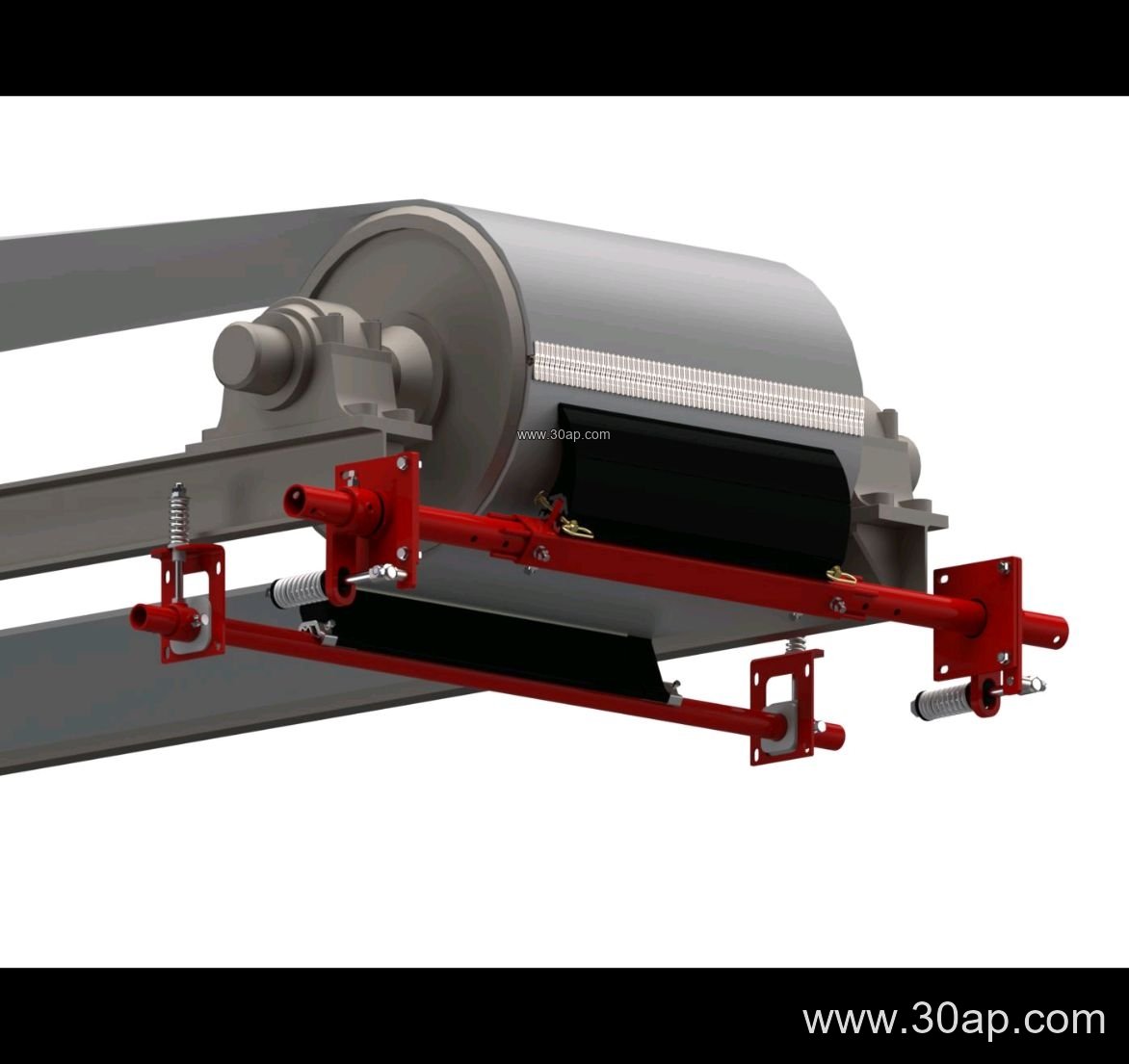
Key fabrication details include the alignment of roller mounting slots, the squareness of the frame, and the strength of welded joints. A bracket that is twisted or out of square will cause the idler roller to sit at an angle, leading to belt edge wear and spillage. For adjustable brackets, additional slots or pivoting components are fabricated to allow changes in trough angle on site.
Common Bracket Types and Their Role
Different positions along the conveyor call for different bracket designs:
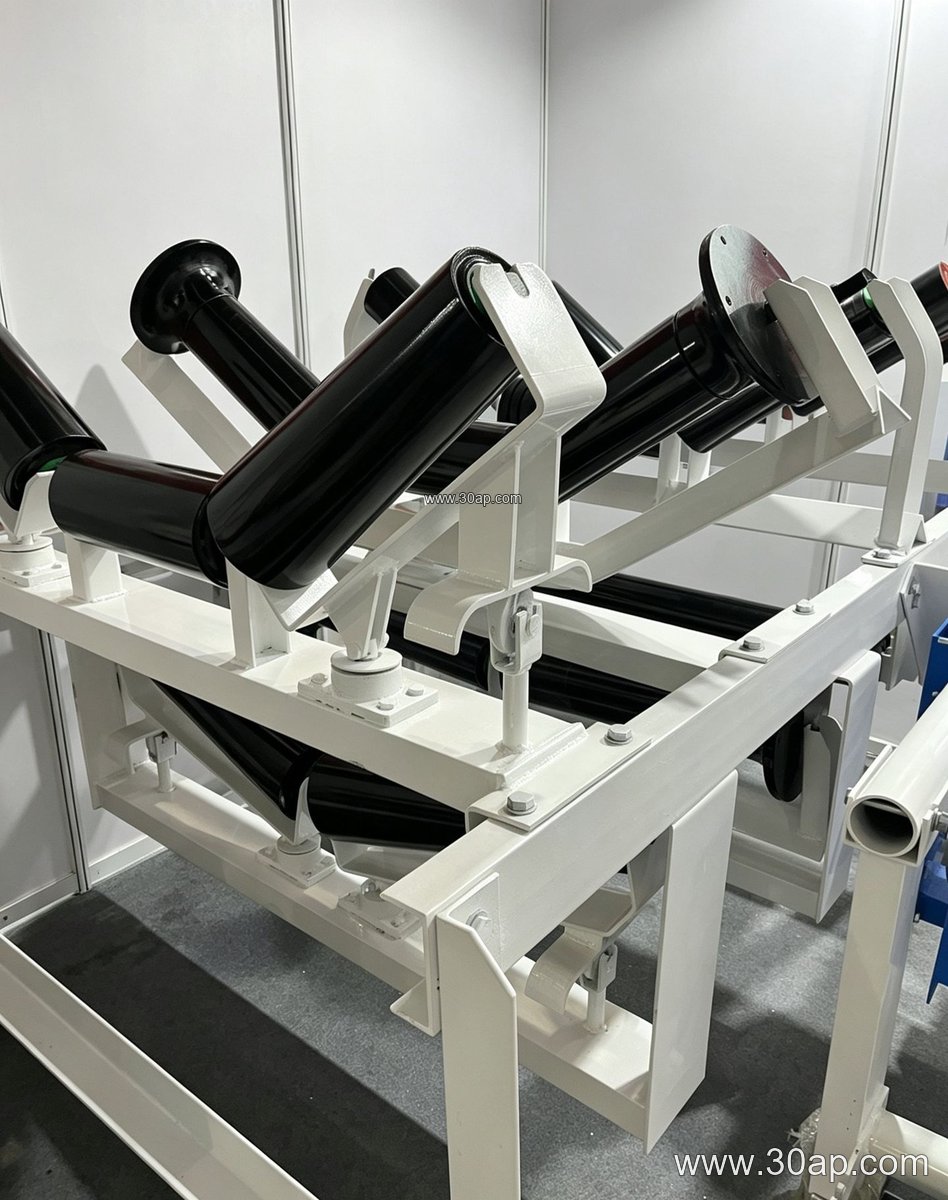
- Troughing brackets support the carrying side of the belt and set the trough angle, commonly 20, 30, 35, or 45 degrees. Adjustable versions allow the angle to be fine-tuned.
- Impact brackets are reinforced to carry impact idlers under loading points, often found in crusher discharge areas.
- Return brackets support the belt on the return run, including flat and V-shaped designs.
- Transition brackets guide the belt from flat to troughed profile near pulleys.
- Self-aligning brackets incorporate pivoting frames to correct belt tracking.
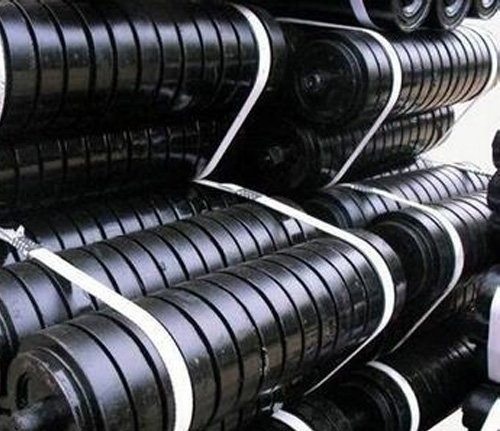
Each type is fabricated to suit the belt width and roller diameter. For example, a B800 conveyor with a 35-degree trough might use Ø108 rollers, while a B1200 system with a 45-degree trough often uses Ø133 rollers. These are common pairings, not fixed rules; the final combination depends on the conveyor design.
Where Fabricated Brackets Are Used
Fabricated brackets appear wherever bulk materials are moved on a belt. In a limestone mine, troughing brackets keep the belt centered under the crusher feed. In a coal-fired power plant, return brackets and self-aligning frames maintain belt position on long transfer conveyors. Aggregate operations rely on impact brackets at transfer points to absorb the force of falling rock. The same fabrication principles apply whether the conveyor carries ore, clinker, or fertilizer.
Bracket fabrication also considers the operating environment. In a cement plant, dust and heat may require heavier sections and protective finishes. In a port handling iron ore, brackets must resist corrosion from salt air. The choice of steel profile and coating is part of the fabrication specification.
Specification and Selection Notes
When specifying fabricated brackets, buyers should provide the belt width, trough angle, roller diameter, and mounting dimensions. The table below lists common reference values; actual dimensions are determined by the conveyor design.
| Parameter | Common Reference Range |
|---|---|
| Belt width (B) | B500, B650, B800, B1000, B1200, B1400, B1600, B1800, B2000 |
| Trough angle | 20°, 30°, 35°, 45° (adjustable brackets cover a range) |
| Roller diameter | Ø89, Ø108, Ø133, Ø159, Ø194 |
| Material | Angle steel, channel steel, folded steel plate |
| Mounting hole spacing | Varies with belt width and trough angle |
Buyers should also confirm the welding quality, hole alignment, and surface treatment. For high-abrasion environments such as a quarry conveyor belt system, brackets with reinforced gussets may be advisable. In underground coal mining, flame retardant and anti-static properties of nearby components matter, though brackets themselves are typically steel. The bracket must be compatible with the conveyor pulley and idler roller specifications to avoid assembly problems.
Fabrication Quality and Maintenance
A fabricated bracket that is square, accurately drilled, and properly welded will simplify installation and reduce downtime. During maintenance, inspectors should check for bent frames, elongated holes, and loose bolts. Replacing a worn bracket before it affects belt tracking is cheaper than replacing a damaged conveyor belt. In a sand and gravel plant, regular inspection of troughing brackets after the wash plant can prevent premature roller failure.
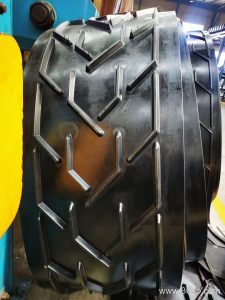
For more information on conveyor components and belt selection, visit our site at www.example.com/conveyor-bracket and www.example.com/ conveyor bracket fabrication. Related pages cover rubber conveyor belt, EP conveyor belt, and conveyor pulley options for complete system planning.