What a Conveyor Bracket Quotation Covers
A conveyor bracket quotation is a priced offer for the support frames that hold idler rollers and carry the belt along a conveyor line. Buyers often ask for this quotation together with rollers and belting, but the bracket is a separate fabricated item with its own drawing, material and finish requirements. A clear offer should state the bracket type, the belt width it suits, the trough angle, the roller diameter it accepts, the steel section used, and the surface treatment.
At factories, quarries and bulk handling sites, the bracket is the part that fixes the roller position, so a small error in hole spacing or frame length can stop a whole line. That is why the quotation should be read as a technical document, not just a price sheet.
How the Frames Are Built
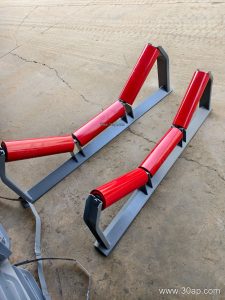
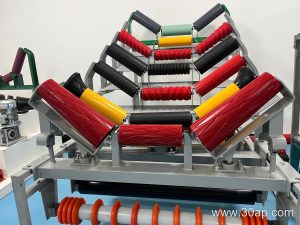
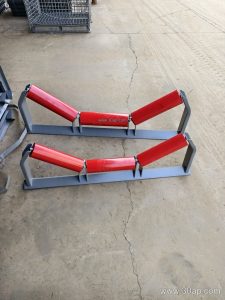
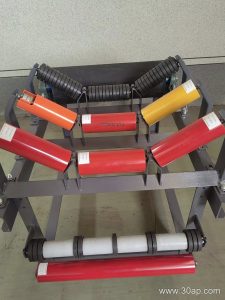
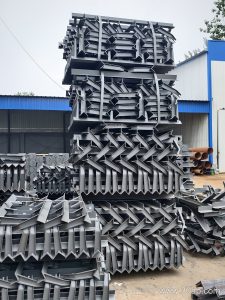
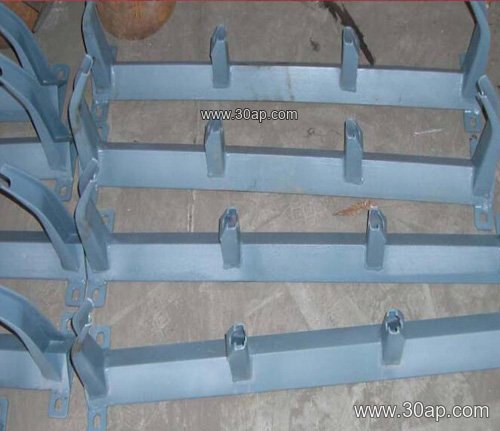
Most brackets are fabricated from angle steel, channel steel or folded steel plate. A troughing bracket, for example, may be formed as a fixed three-roller frame or as an adjustable frame whose side arms can be set to different angles. Welding quality, hole alignment and squareness matter more than appearance, because the frame must keep the conveyor belt running true.
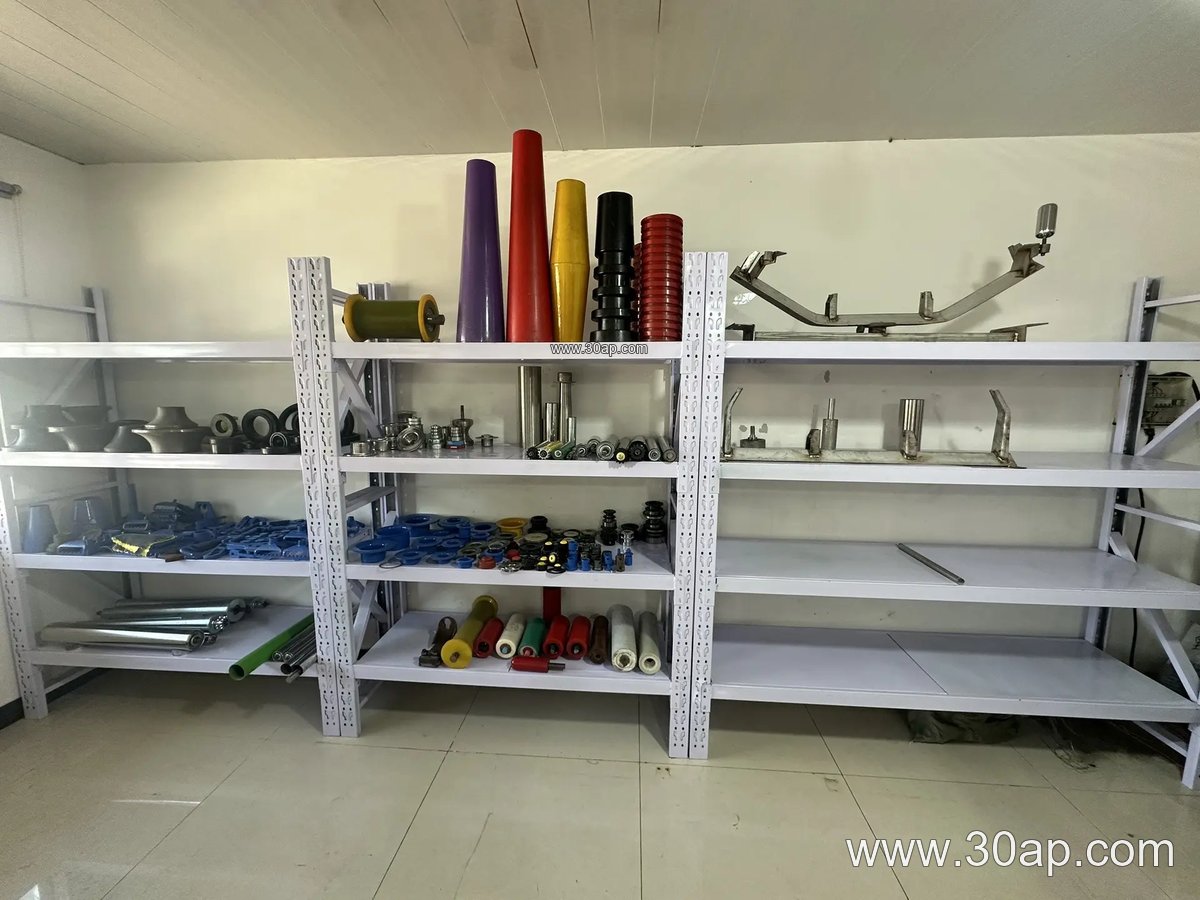
Common bracket families include troughing brackets, transition brackets, return brackets, flat return brackets, V-return brackets, impact brackets, self-aligning brackets, forward-leaning brackets and hanging brackets. When a quotation lists a type, ask for the matching drawing so the mounting hole distance and beam length can be confirmed against your actual conveyor.
Typical Working Conditions
These frames are used wherever a conveyor moves bulk material. In a coal preparation plant, flame retardant belting and heavy-duty rollers are common, and the brackets must resist dust and vibration. In a cement plant or limestone quarry, abrasive dust shortens roller life, so bracket alignment is checked often. In a power plant coal yard or a port loading system, long conveyors use many identical frames, making a consistent quotation with repeatable dimensions valuable.
Brackets also appear on crusher discharge lines, aggregate yards and tunnel muck conveyors. The rubber conveyor belt, the idler roller and the frame work as one system, and the bracket quotation should reflect the environment where that system runs.
Dimensions and Reference Data
The table below shows common reference values. These are typical ranges for discussion, not a fixed rule, and the final figure depends on the conveyor design.
| Item | Common reference values |
|---|---|
| Belt width | B500, B650, B800, B1000, B1200, B1400, B1600, B1800, B2000 |
| Trough angle | 20 degrees, 30 degrees, 35 degrees, 45 degrees; adjustable frames can move between these |
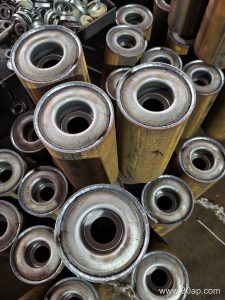
| Roller diameter | Diameter 89, 108, 133, 159, 194 mm |
| Material | Angle steel, channel steel, folded steel plate |
| Forward lean | About 1.5 to 2 degrees for forward-leaning brackets |
A frame might be described as B800, 35 degrees, diameter 108, or as B1200, 45 degrees, diameter 133. Such combinations are examples only. A wider belt does not force one single trough angle or one roller size, and the shaft diameter should never be guessed from belt width alone.
What to Include in the Request
- Belt width and the belt type in use, for example an EP conveyor belt or a steel cord conveyor belt on a long overland run.
- Bracket type and position on the conveyor, such as upper troughing, transition, return or impact.
- Trough angle and roller diameter, with the roller drawing if available.
- Mounting hole distance, beam length and any height limit.
- Steel section, welding standard and surface finish.
- Quantity, spare ratio and delivery schedule.
When the conveyor uses special belting, such as a heat resistant conveyor belt near a kiln or a chevron conveyor belt on an incline, mention it in the enquiry. The belt profile can affect roller spacing and frame choice.
Reading the Offer Carefully
Compare quotations item by item. Check whether the price is per piece or per set, whether rollers are included, and whether painting or galvanizing is part of the scope. Ask for tolerance on hole spacing and for the weight of each frame, since weight affects freight and installation. A quotation that shows drawings, material grade and inspection points is easier to trust than one that lists only a price.
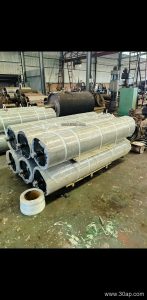
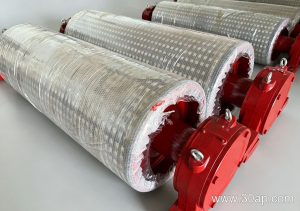
For related items, buyers often request roller and belt offers in the same package, so the bracket dimensions can be checked against the idler roller and the conveyor pulley layout before the order is placed.