What an Ore Conveyor Belt Does
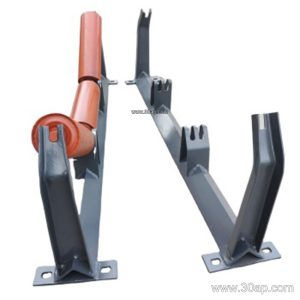
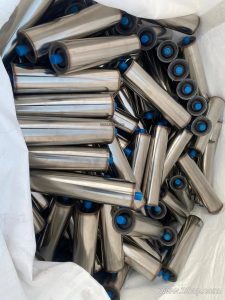
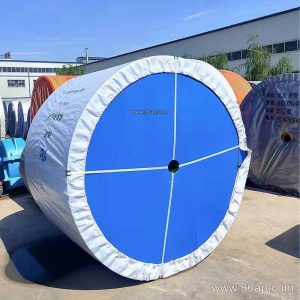
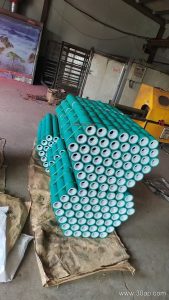
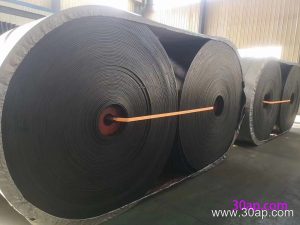
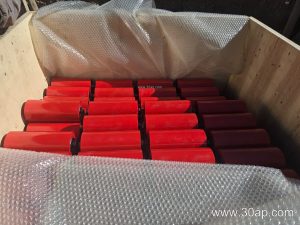
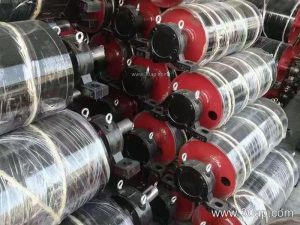
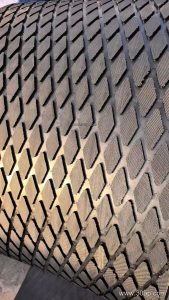
An ore conveyor belt is the load-carrying element on a bulk handling conveyor that moves crushed or raw ore from the mine face, stockpile, or crusher to the next stage of processing. Compared with general-purpose belting, it usually works under sharp edges, heavy lumps, high tonnage, and long center distances. Mines, coal preparation plants, cement works, power stations, quarries, and sand and gravel yards all rely on this class of belting, and many sites pair it with conveyor pulley assemblies, idler roller sets, and conveyor bracket frames that must match the belt’s strength and width.
Construction and Core Options
The belt is a composite: a tensile carcass carries the load, and rubber covers protect it from impact, abrasion, and moisture. The carcass choice drives most of the performance.
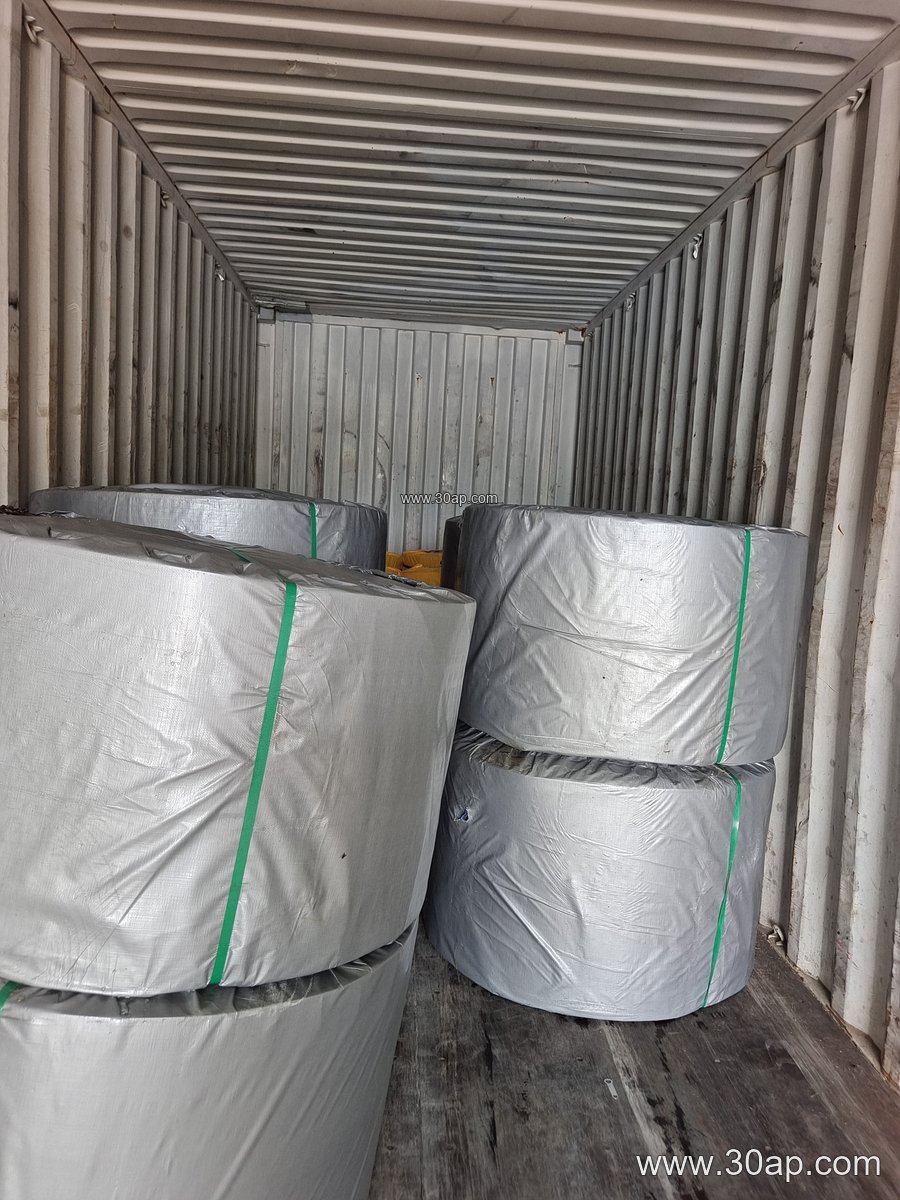
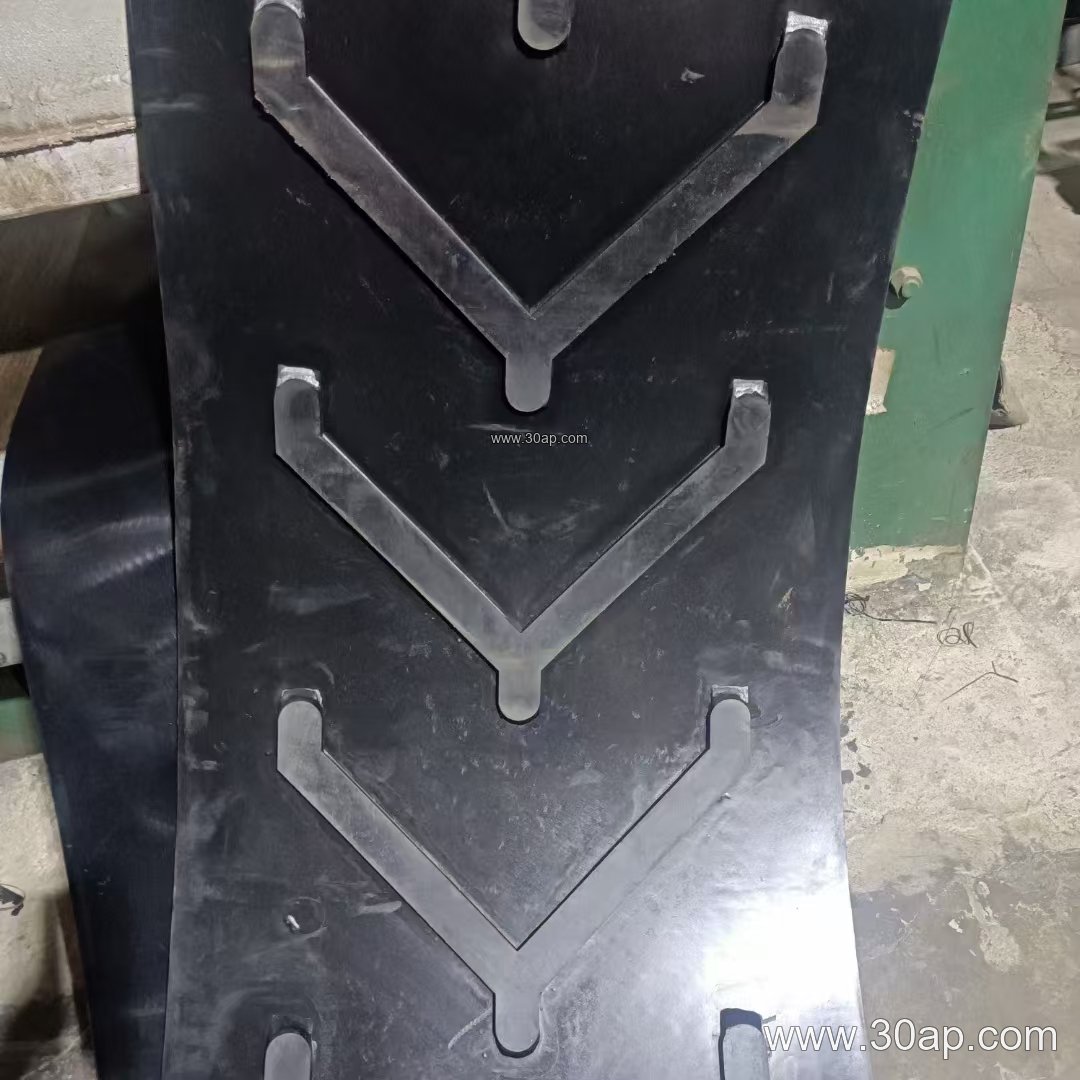
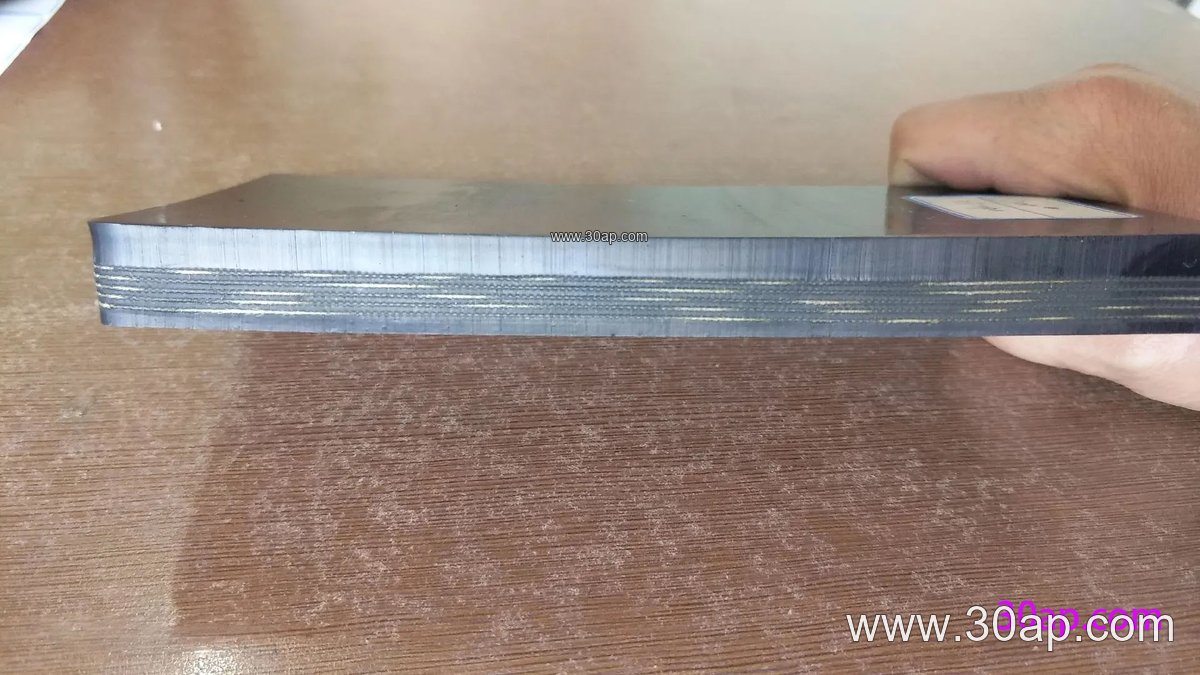
- Fabric core: EP Conveyor Belt (polyester warp, nylon weft) and NN Conveyor Belt (nylon/nylon) are common. Multi-Ply Fabric Core Conveyor Belt constructions with two to six plies are typical.
- Steel cord: Steel Cord Conveyor Belt suits very long runs and high tension, where a fabric carcass would need too many plies.
- Solid-woven and coated: PVC Conveyor Belt and PVG Conveyor Belt are often seen in underground coal mining, where flame resistance matters.
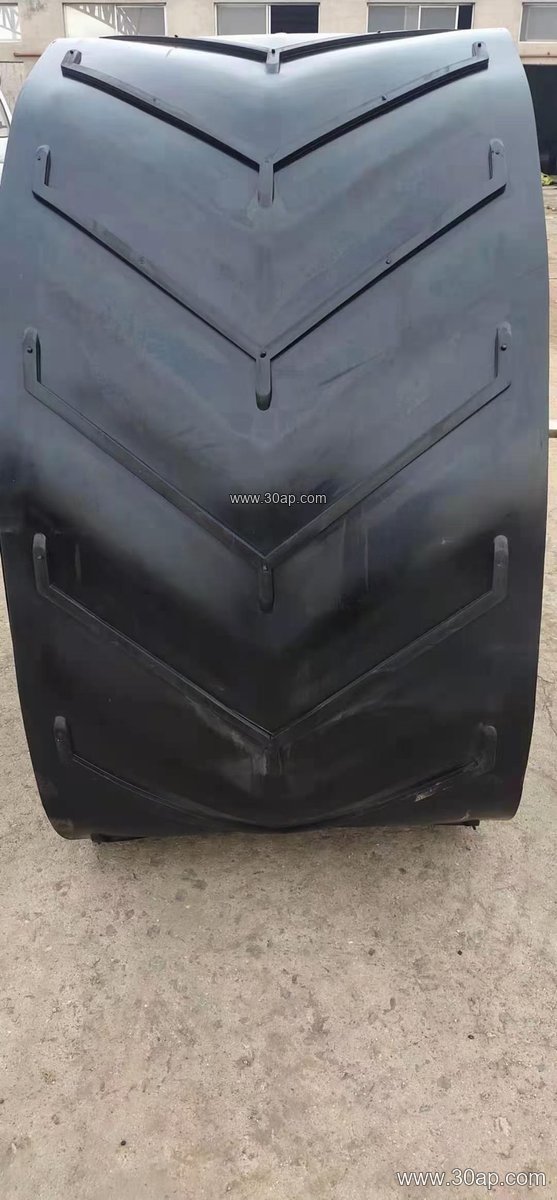
Cover compounds are selected for the duty: Abrasion Resistant Conveyor Belt grades for hard rock, Heat Resistant Conveyor Belt for sinter or clinker, Oil Resistant Conveyor Belt for oily feedstock, and Flame Retardant Conveyor Belt or Anti-Static Conveyor Belt for underground and dusty environments. A Cold Resistant Conveyor Belt may be needed at high-altitude or winter sites.
Common Strength and Width Ranges
Values below are reference ranges only. Actual selection depends on the conveyor design, lump size, and safety factor.
| Property | Typical reference values |
|---|---|
| EP carcass grades | EP200, EP315, EP400, EP500, EP630, EP800, EP1000, EP1250, EP1600, EP2000 |
| Steel cord grades | ST1000, ST1250, ST1600, ST2000, ST2500, ST3150 |
| Belt width | B500, B650, B800, B1000, B1200, B1400, B1600, B1800, B2000 |
| Cover thickness | 3+1.5 mm, 4+2 mm, 5+2 mm, 6+2 mm, 8+3 mm |
| Ply count | 2 to 6 plies for fabric cores |
For example, an EP1000 belt at 1200 mm width is a frequent combination on medium-duty ore lines, while a heavy primary crusher discharge may call for a thicker top cover and a higher-grade carcass. Belt width and pulley diameter are matched through conveyor design calculations, not by a fixed rule.
Where It Is Used
The same belt family appears across many industries. An Iron Ore Conveyor Belt or Copper Ore Conveyor Belt handles dense, abrasive rock; a Gold Mining Conveyor Belt may run in a tighter plant layout. Quarry Conveyor Belt and Aggregate Conveyor Belt duties are common in stone crushing and sand making plants, while a Cement Conveyor Belt or Power Plant Conveyor Belt moves limestone, clinker, and coal. Port and ship loading terminals use wide belts for high throughput. Underground Coal Mining Conveyor Belt installations typically require flame-retardant and anti-static properties.
Buyer Checklist
- Confirm the duty: material type, lump size, moisture, temperature, and whether oil or chemicals are present.
- Check the carcass grade and ply count against the calculated belt tension, and verify cover thickness against impact and abrasion.
- Match belt width to the conveyor frame, idler roller trough angle, and pulley face width.
- For underground or dusty service, confirm flame retardancy and anti-static performance with the supplier.
- Ask about splicing method, edge condition, and whether an Endless Conveyor Belt is preferred to reduce joint failures.
Well-matched belting, pulleys, and idlers reduce downtime and extend service life in any ore handling circuit.