What a Dust-Proof Idler Does on a Conveyor
A dust-proof idler is an idler roller built to keep fine particles away from its bearing cavity. On a conveyor belt carrying ore, coal, clinker, or aggregate, dust is not just a housekeeping problem. It works its way into seals, mixes with grease, and grinds the bearing surfaces until a roller that once spun freely starts to drag, squeal, or lock. The dust-proof idler addresses this at the source by combining a multi-stage seal with a housing design that resists particle ingress. The goal is simple: keep the roller turning smoothly between scheduled maintenance windows, even where the air is thick with fines.
How the Sealing and Housing Are Built
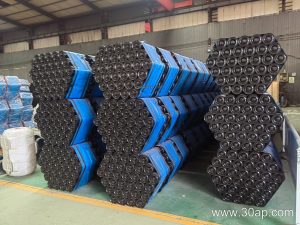
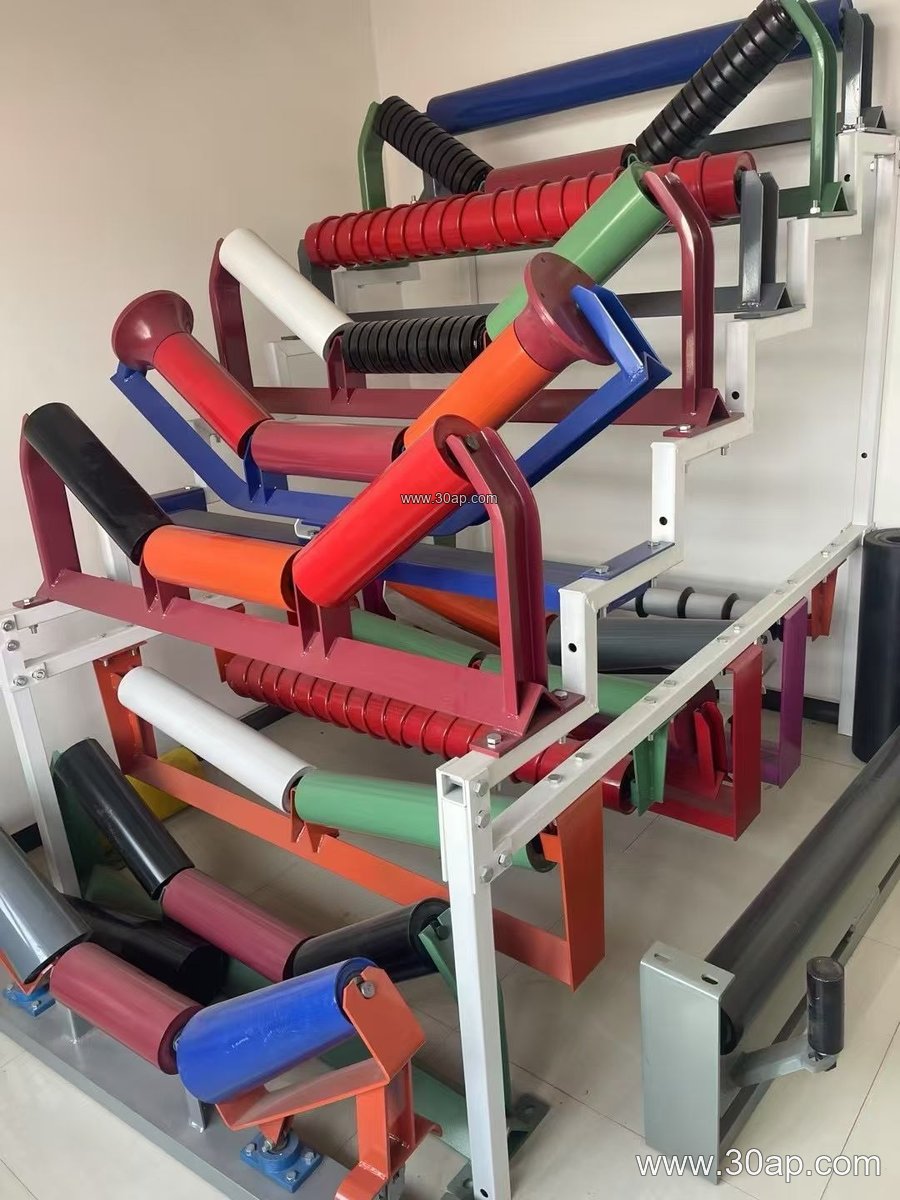
Most dust-proof designs use a labyrinth seal, often backed by a contact lip or a felt element. The labyrinth creates a tortuous path that particles cannot easily follow, while the lip provides a final barrier against the finest dust. Some versions add a protective end cap or a sacrificial wear ring that takes the abrasion before the seal does. The roller shell is usually a steel tube, with nylon, ceramic, or rubber options where the application calls for them. Bearings such as 6205, 6305, or 6308 are common, but the correct bearing depends on load, speed, and roller diameter rather than on any fixed pairing. Shaft ends, bearing housings, and the mounting arrangement should be matched to the conveyor bracket so the idler sits squarely and does not load the seal unevenly.
Where Dust-Proof Idlers Earn Their Place
These rollers suit any transfer point where the material is dry and fine. In a limestone quarry or a sand and aggregate line, crusher discharge and screen feed are classic dust zones. A coal handling system at a power plant or a wash coal plant also benefits, especially where the belt runs through enclosed galleries. Cement plants see dust at kiln feed and clinker transport, while a copper or iron ore concentrator deals with fine concentrate that behaves almost like powder. In these settings, the idler is often a troughing type on the carrying side, with a return roller underneath, so the sealing matters on both the top and bottom runs.
Matching the Idler to Belt Width and Trough Angle
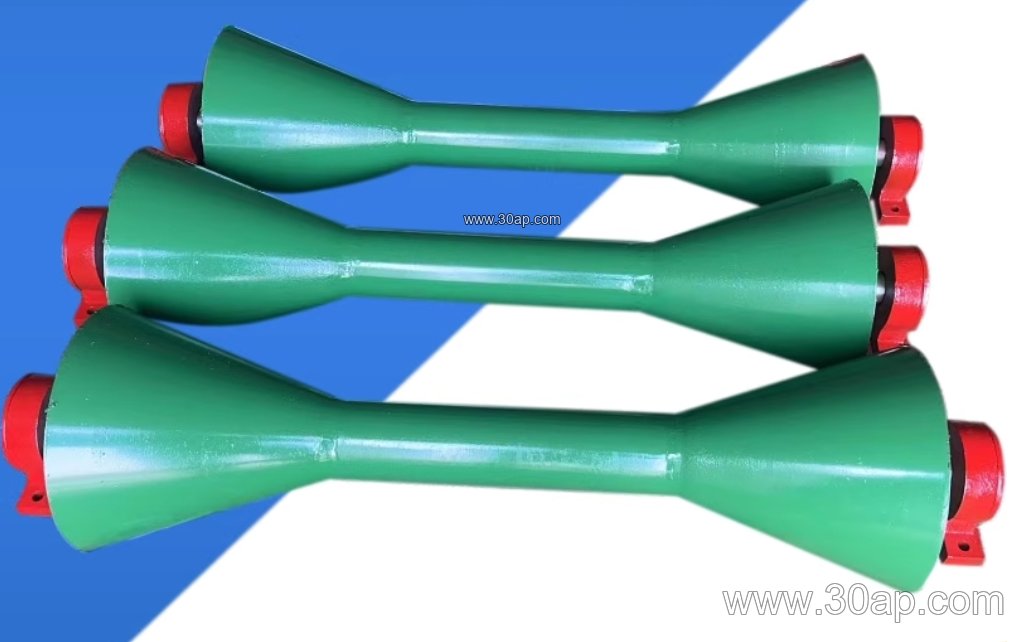
Roller length follows belt width, trough angle, and the troughing arrangement. Three-roll troughing sets are common, and typical roller lengths are roughly 200 mm for B500, 250 mm for B650, 315 mm for B800, 380 mm for B1000, 465 mm for B1200, 530 mm for B1400, 600 mm for B1600, 670 mm for B1800, and 750 mm for B2000. These are reference examples, not fixed rules, and the side rollers may differ from the center roller. Diameters commonly range from Ø63 up to Ø219, with Ø89, Ø102, Ø108, Ø127, Ø133, and Ø159 appearing frequently. Trough angles of 20, 30, 35, and 45 degrees are standard choices, and a slight forward tilt of about 1.5 to 2 degrees is sometimes used on training idlers.
| Item | Common Reference Range | Notes |
|---|---|---|
| Roller diameter | Ø63 to Ø219 | Ø89, Ø108, Ø133, Ø159 often used |
| Belt width | B400 to B2400 | B800, B1000, B1200, B1400 typical |
| Trough angle | 20°, 30°, 35°, 45° | Selected by material and belt load |
| Troughing set | Single, two-roll, three-roll | Three-roll most common for bulk |
| Bearing | 6204 to 6310 | Matched to load and speed |
| Roller surface | Steel, nylon, ceramic, rubber | Rubber rings for impact zones |
Buyer Checklist Before Ordering
- Confirm the belt width and the actual roller length, since troughing geometry changes the side and center dimensions.
- State the dust condition honestly: fine abrasive dust, sticky dust, or damp fines all point to different seal priorities.
- Check the conveyor bracket and shaft fit so the idler aligns with the belt and does not preload the seal.
- Consider the belt itself; a heavy-duty mining conveyor belt or an abrasion resistant conveyor belt may carry sharp material that also attacks roller shells.
- Ask how the seal can be inspected, because a dust-proof idler still needs periodic checks.
Installation and Maintenance Notes
Alignment matters as much as the seal. A skewed idler loads one side of the bearing and lets dust in at the gap. Keep the belt tracking centered, check for worn brackets, and replace rollers in sets where wear is uneven. In a port or ship loading system, salt air plus dust can be harsher than dust alone, so washdown and inspection routines should account for both. Where material is hot, a heat resistant conveyor belt may run alongside standard rollers, but the idler seal material should still be checked against temperature. For very dusty transfer points, a skirted conveyor belt or a corrugated sidewall conveyor belt can reduce spillage, which in turn reduces the dust load on the idlers below.
For buyers sourcing through a supplier of conveyor components, it helps to specify the roller diameter, length, bearing, and sealing class together rather than choosing each item separately. A dust-proof idler is a small part of the conveyor, but it is one of the few that runs continuously, and its reliability shows up directly in downtime and belt wear.