What an Oil Resistant Conveyor Belt Is
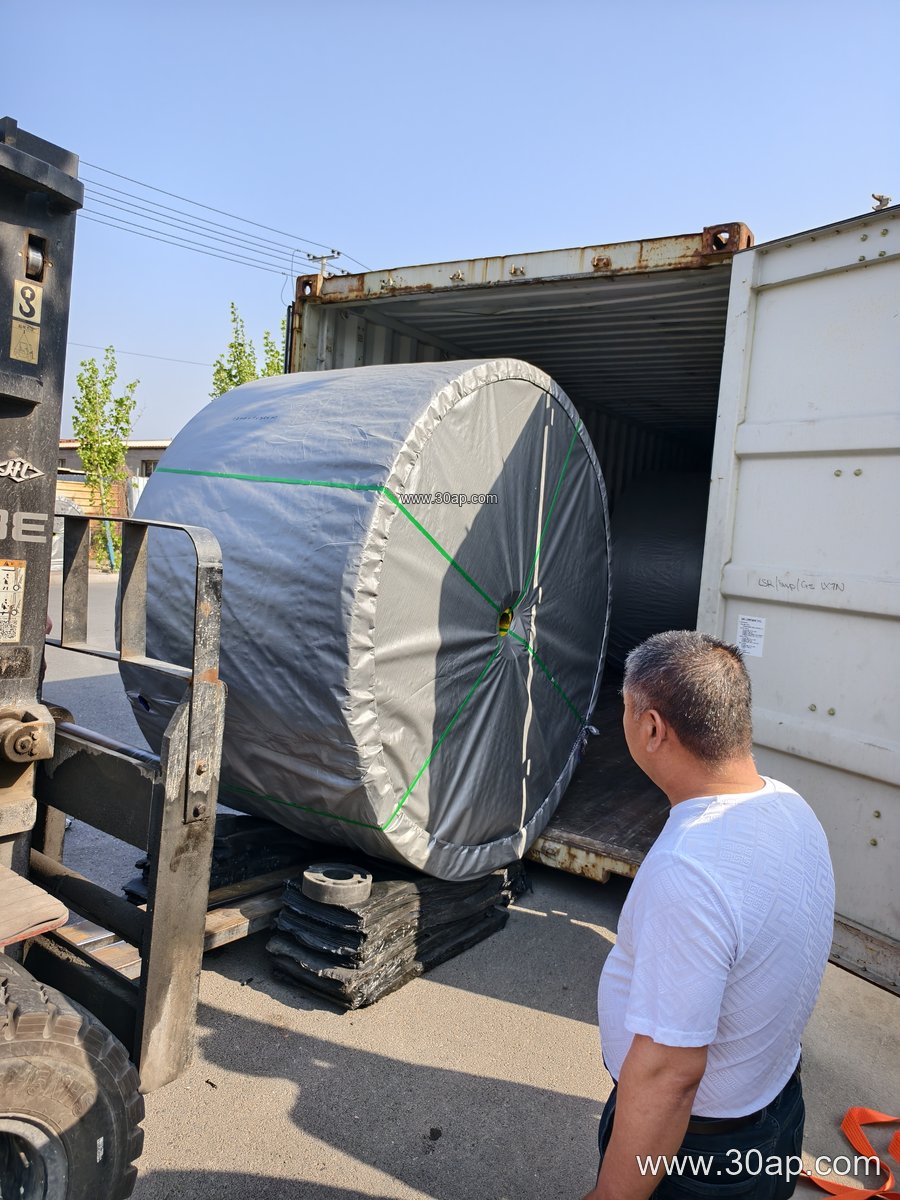
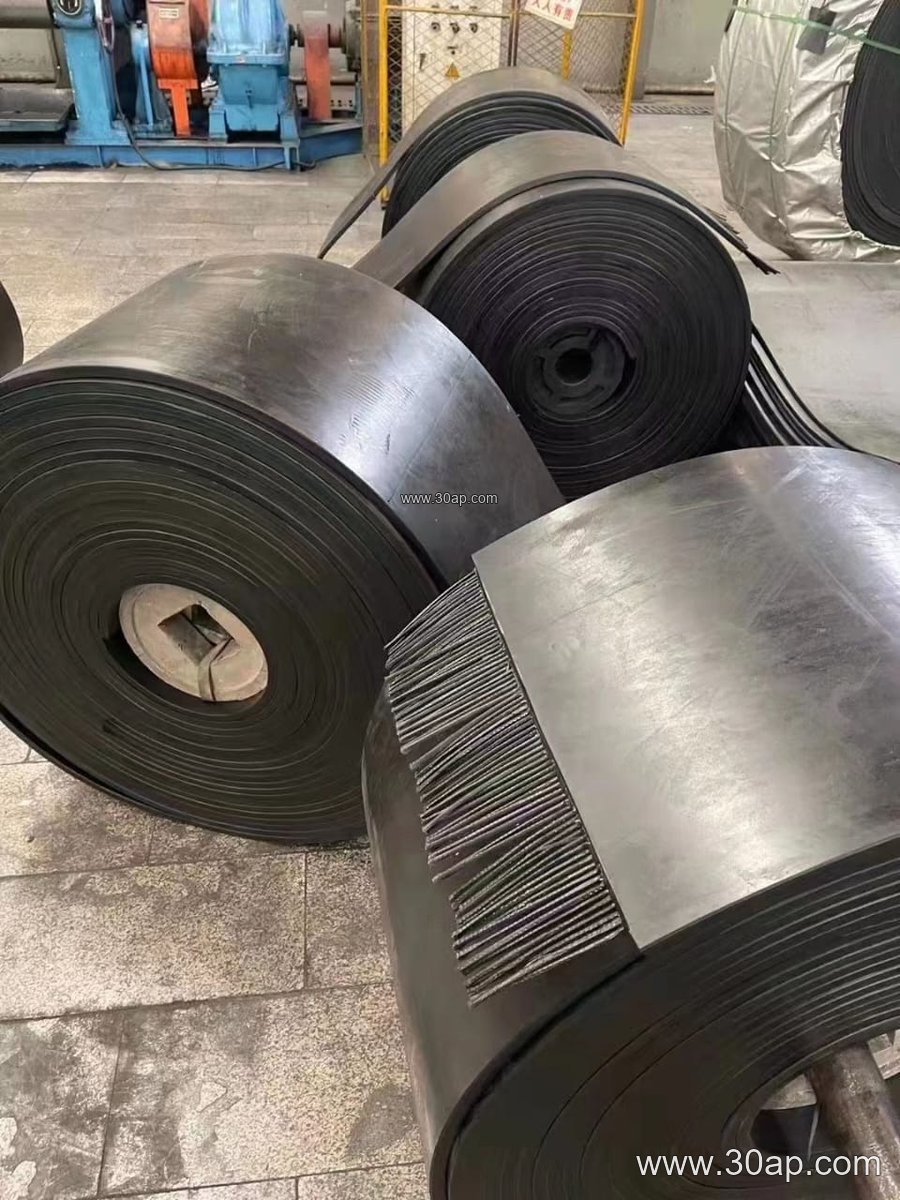
An Oil Resistant Conveyor Belt is a rubber conveyor belt designed to resist swelling, hardening, and cracking when it contacts mineral oils, vegetable oils, animal fats, and some solvent-bearing materials. In plants where lubricant drips, oily scrap, or coated aggregate reaches the belt surface, a standard rubber belt may soften and lose cover adhesion. The oil resistant conveyor belt uses a cover compound that limits hydrocarbon penetration, so the belt keeps its shape and cleaning characteristics over a longer service period. This product is often supplied as an EP conveyor belt or NN conveyor belt with a modified oil resistant cover, and it may also be built on a steel cord conveyor belt carcass for high tension duties.
Construction and Compound Design
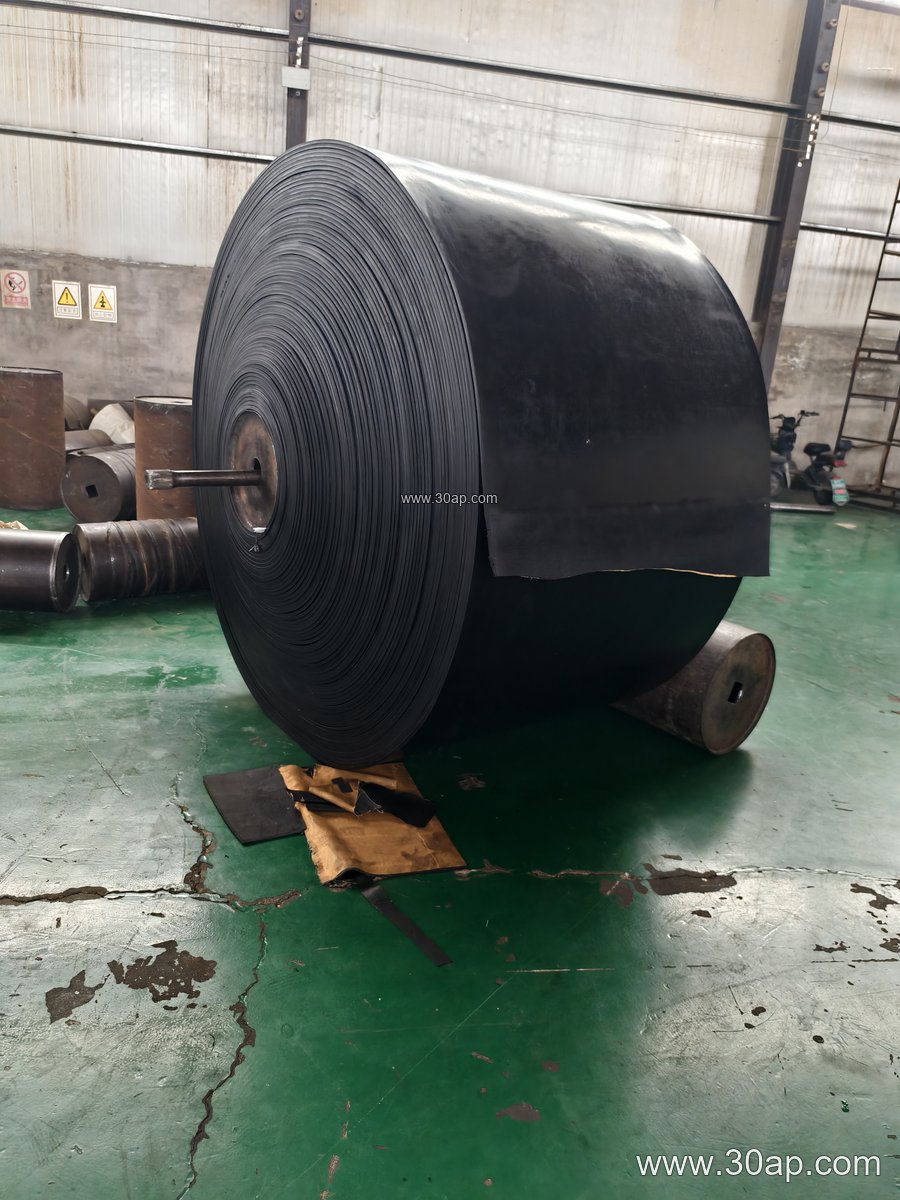
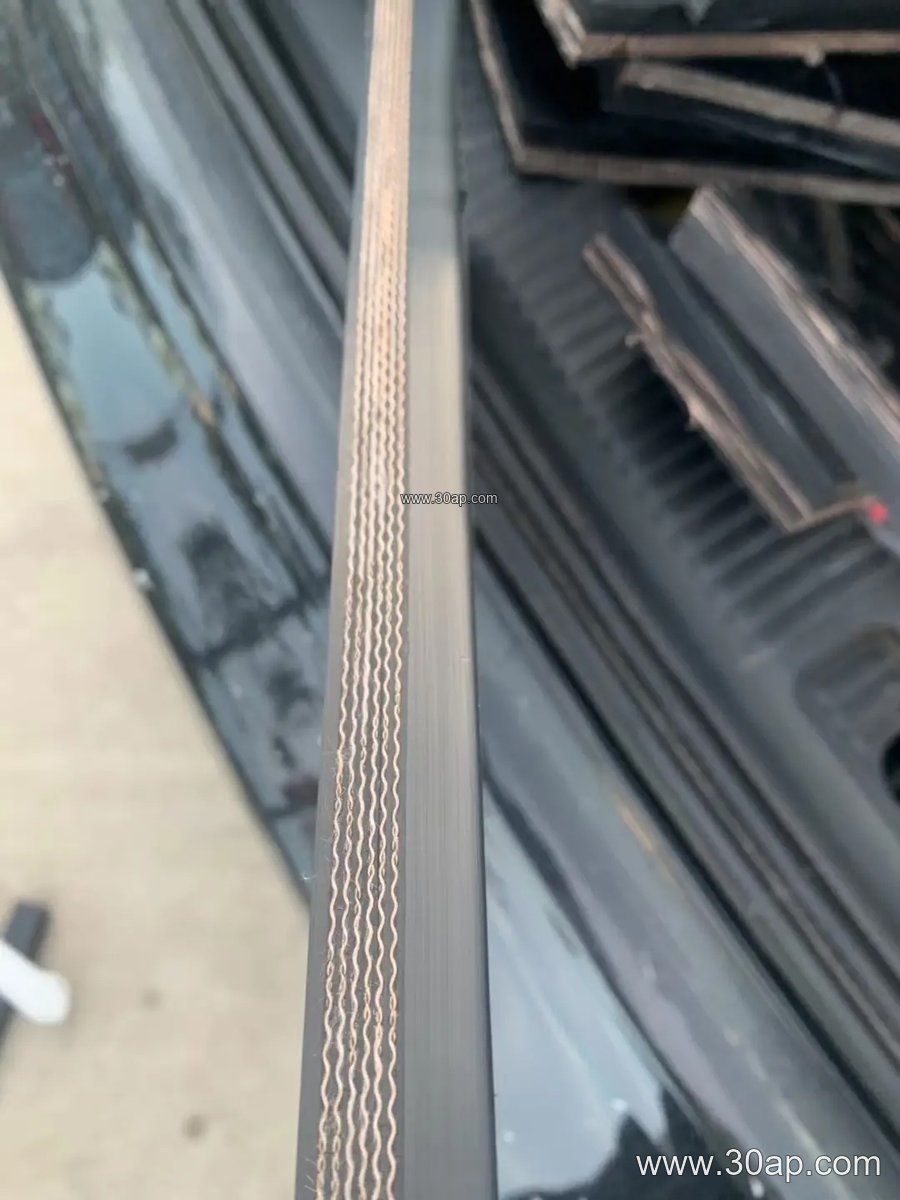
The belt usually combines a fabric core with oil resistant top and bottom covers. The carcass may be multi-ply fabric, EP fabric, or steel cord, depending on load and transition requirements. The cover compound is the key element: it typically uses nitrile rubber or similar oil resistant polymer instead of natural rubber. Buyers should note that oil resistance and abrasion resistance are separate properties. A belt can be oil resistant yet only moderately abrasion resistant, so the cover grade should match the actual exposure. Cover thickness is commonly expressed as top plus bottom, for example 4+2 mm or 6+2 mm, and the fabric core may run from 2 to 6 plies in general industrial use. For a comparison, a heat resistant conveyor belt is built for hot clinker or sinter, while an oil resistant belt addresses chemical attack from oils, not temperature.
Typical Applications
These belts appear in recycling lines, metal stamping shops, machine shops, and plants handling oily components. In the cement industry they may carry oil-contaminated limestone or alternative fuel residue. In power plants and steel plants, they can handle coal with oil contamination or oily mill scale. Quarries and sand making plants sometimes use them where equipment lubricants drip onto the return side. The same belt style is useful in food processing for vegetable oil contact only when a food grade conveyor belt compound is specified. In mining, an oil resistant belt is less common than a flame retardant conveyor belt or a high abrasion resistant conveyor belt, but it can be selected for workshop and preparation areas rather than the main underground haulage route.
Sizes, Types, and Specification Reference
Available widths usually range from 500 mm to 2000 mm, and wider or extra-wide belts can be discussed with the manufacturer. Strength grades follow the carcass type. EP belts are often quoted as EP200, EP315, EP400, EP630, EP800, EP1000, or EP1250, while steel cord belts use ST grades such as ST1000 or ST1600. The table below gives reference data only; final values depend on the conveyor design, pulley diameters, and load profile.
| Parameter | Common Reference |
|---|---|
| Belt width | B500, B650, B800, B1000, B1200, B1400, B1600 |
| Cover thickness | 3+1.5 mm, 4+2 mm, 5+2 mm, 6+2 mm, 8+3 mm |
| Fabric plies | 2 to 6 plies |
| Strength grade | EP200 to EP1250; ST1000 and above for steel cord |
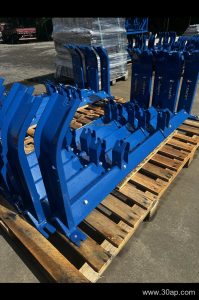
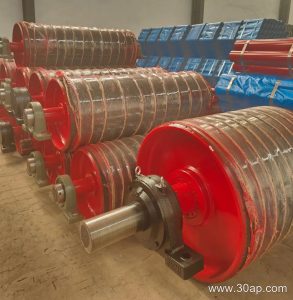
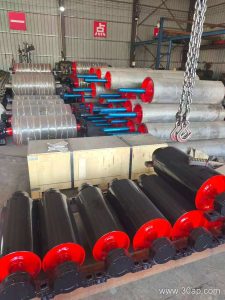
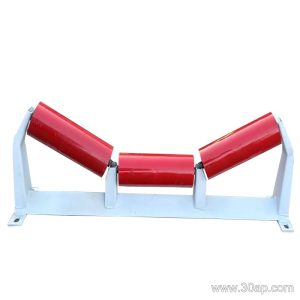
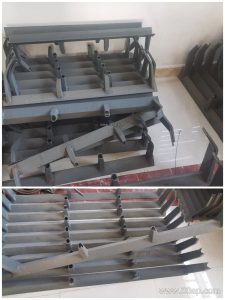
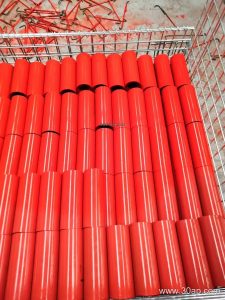
Do not assume a fixed relationship between belt width and conveyor pulley diameter. The drive pulley, tail pulley, and bend pulley are sized from belt tension, wrap angle, and carcass flexibility. The idler roller spacing and conveyor bracket layout also affect belt support and tracking. A 1200 mm wide belt may run on different pulley sizes in two different plants.
Selection and Maintenance Notes
- Identify the oil type and expected contact time. Some oils swell rubber more than others.
- Check whether the belt needs additional properties such as anti-static, flame retardant, or cold resistant behavior.
- Confirm cover thickness and carcass grade with the actual load and pulley geometry.
- Keep oil drips away from the return side, and clean spillage promptly.
- Inspect the belt at splice areas and edges, where oil penetration often starts.
For buyers sourcing from a supplier, request the cover compound data and carcass construction rather than relying on the product name alone. An oil resistant conveyor belt can be a practical choice in workshops and processing plants, but it should be matched to the specific oil exposure, conveyor layout, and maintenance practice.