What a Five-Roll Idler Bracket Does
A five-roll idler bracket is a support frame that holds five idler rollers in a single assembly, typically arranged with three rolls forming the trough and two additional rolls at the outer edges or in a staggered pattern to increase belt contact and load distribution. This arrangement is often used where a standard three-roll troughing set would struggle with wide belts, heavy lumps, or severe impact. In a quarry or a crushing circuit, for example, the bracket helps keep the conveyor belt stable as it carries large, uneven rock. The same hardware is sometimes called a five-roller idler frame or a five-roll troughing bracket, and it belongs to the broader family of conveyor brackets that position and secure idler rollers along the conveyor structure.
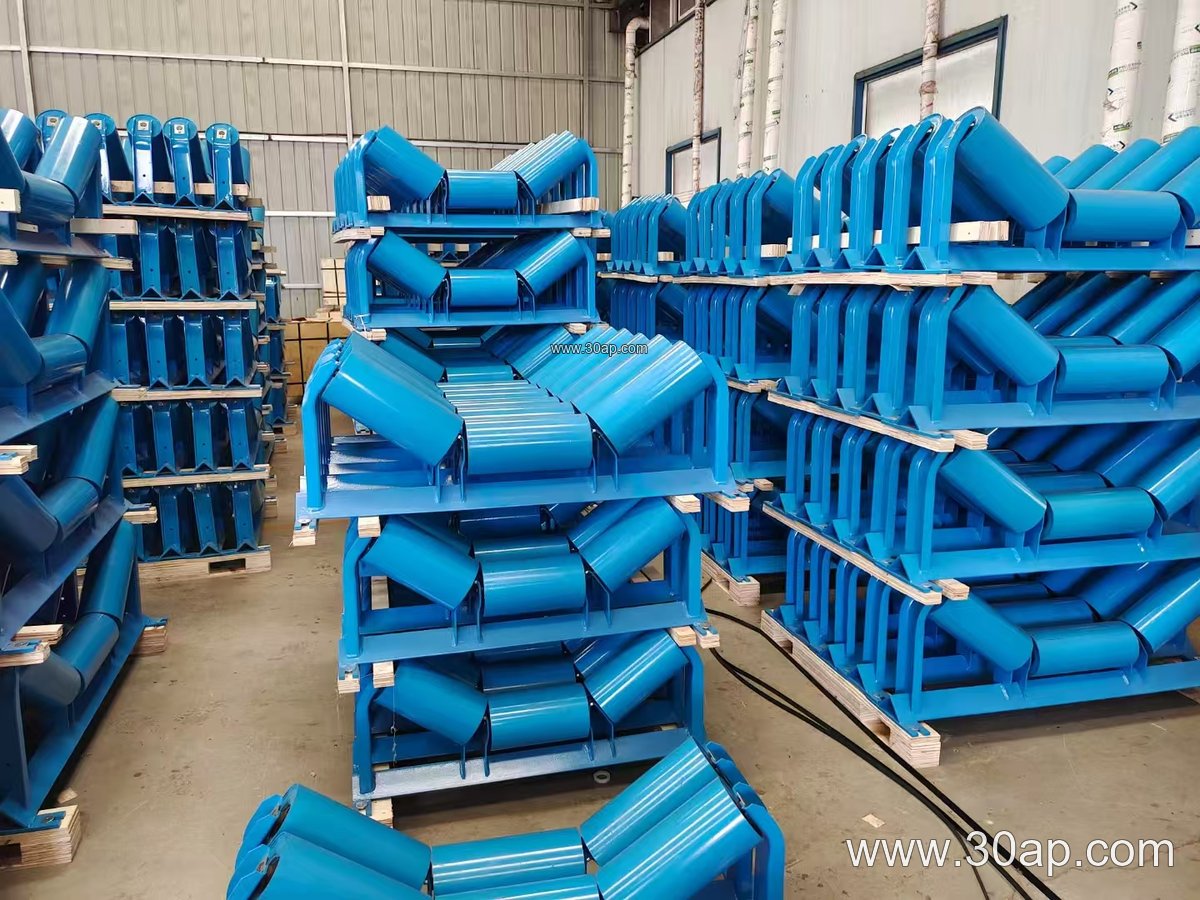
Construction and Key Features
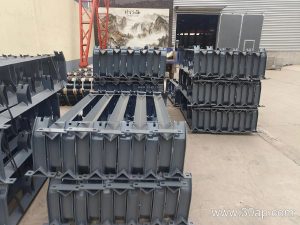
Most five-roll idler brackets are fabricated from angle steel, channel steel, or folded steel plate. The frame is welded or bolted, with mounting slots that match the conveyor stringer spacing. Because the five-roll layout spreads the load across more contact points, the bracket often uses reinforced cross members and thicker sections than a standard three-roll bracket. The roll mounting positions are set to a specific trough angle, and the outer rolls may be offset to guide the belt edges. Adjustable versions allow the trough angle to be changed on site, which is useful when a conveyor handles different materials or when belt tracking needs fine-tuning. Fixed versions are simpler and more rigid, and they are common in permanent installations such as a coal handling system at a power plant.
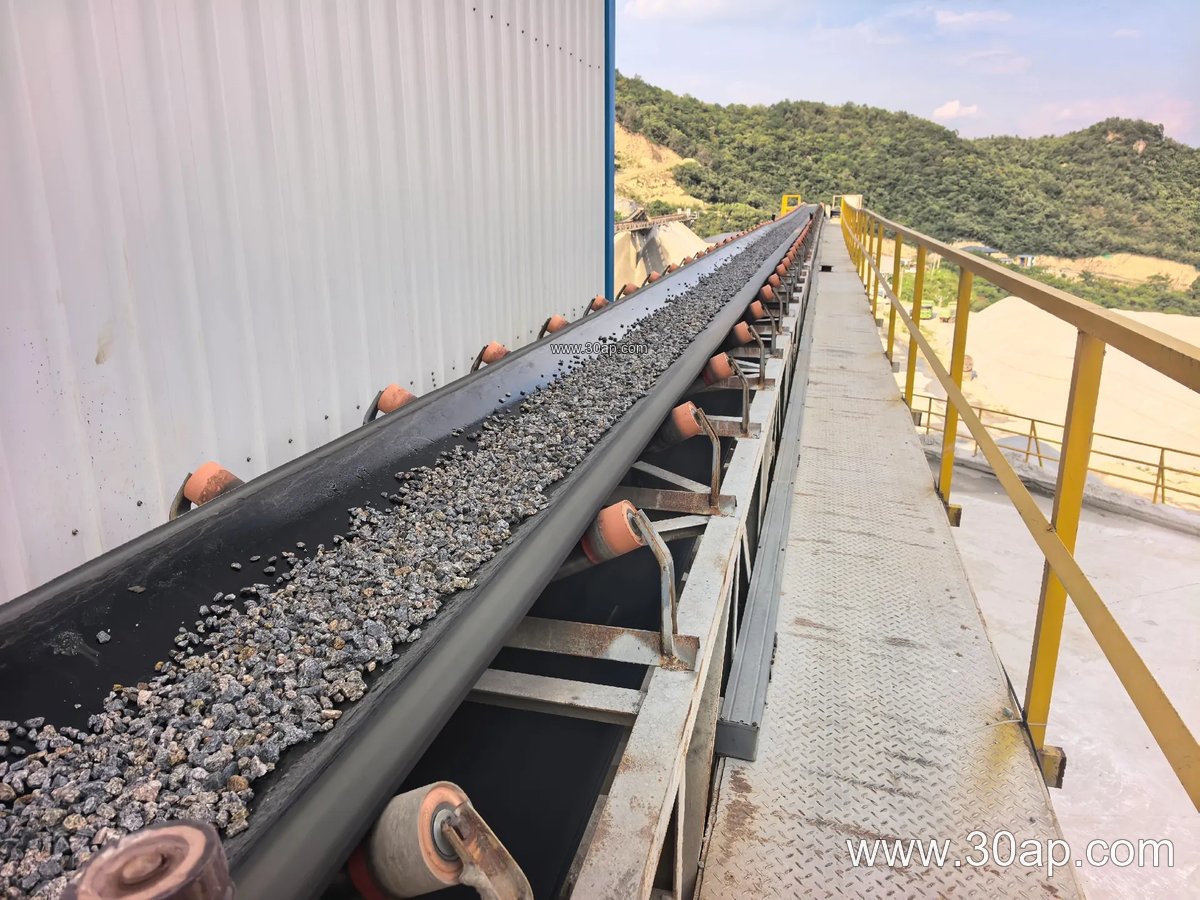
Where It Fits on the Conveyor
The five-roll idler bracket is normally installed on the carrying side, especially in the loading zone or along sections where the belt is wide and the material is heavy. It works together with the conveyor belt, idler roller, and conveyor pulley to keep the belt profile stable. On a long overland conveyor or a yard conveyor at a port, the bracket supports the belt between the drive pulley and the tail pulley. It is not a substitute for a bend pulley or a drive pulley; those are separate components with different functions. The bracket is also distinct from a return bracket or a V-return bracket, which support the belt on the return strand. In a five-roll set, the extra rolls are usually on the carrying side to improve troughing and reduce spillage.
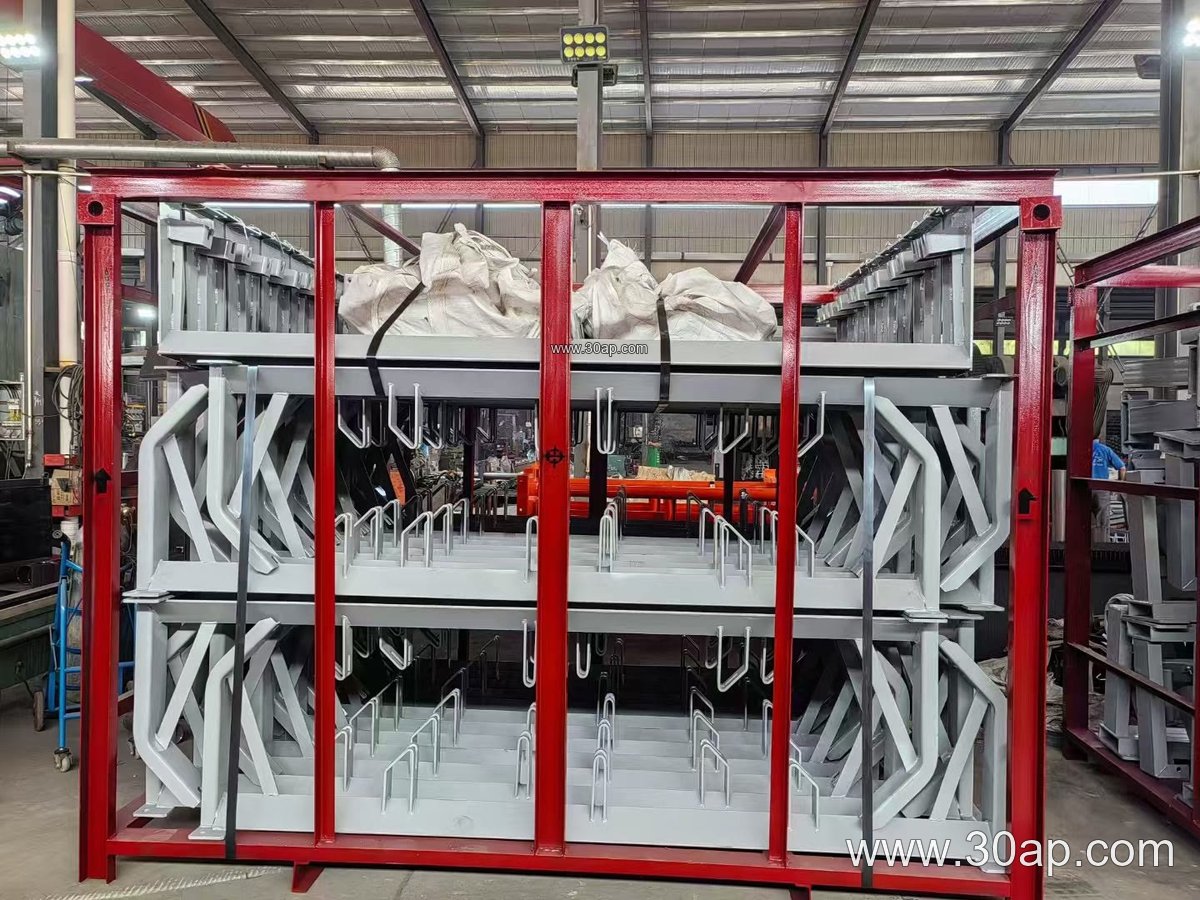
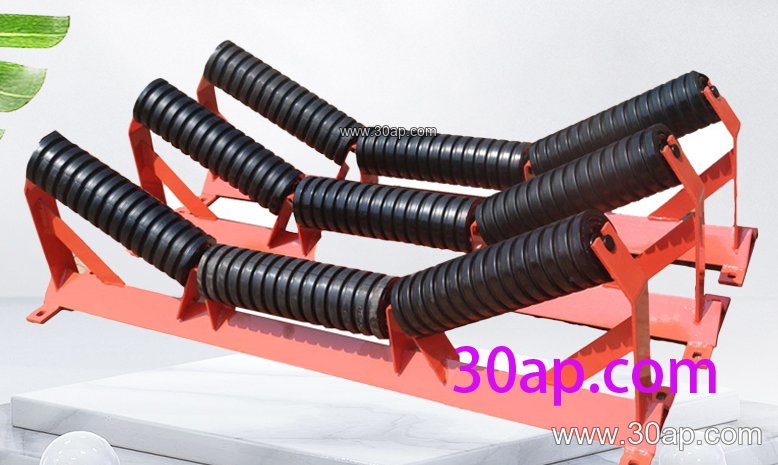
Common Configurations and Reference Dimensions
Five-roll brackets are made for a range of belt widths and roll diameters. The table below shows typical reference combinations; actual mounting hole spacing and beam length are determined by the conveyor design, not by a single fixed rule.
| Belt Width | Trough Angle | Roll Diameter | Typical Use |
|---|---|---|---|
| B800 | 35 degrees | Ø108 | Aggregate and sand conveying |
| B1000 | 35 degrees | Ø133 | Cement plant raw material |
| B1200 | 45 degrees | Ø133 | Heavy ore and rock |
| B1400 | 35 degrees | Ø159 | Coal handling at power plants |
| B1600 | 45 degrees | Ø159 | Large quarry and port systems |
| B1800 | 35 degrees | Ø194 | High-capacity bulk material |
These are common examples, not mandatory matches. A B1200 belt might use a 35-degree trough with Ø133 rolls in one plant and a 45-degree trough with Ø159 rolls in another, depending on the material and the conveyor speed. The bracket should be selected together with the idler roller type and the conveyor belt specification.
Selection and Maintenance Notes
When choosing a five-roll idler bracket, consider the belt width, the expected load, the material lump size, and the available space on the stringer. For a mining conveyor belt carrying abrasive ore, a heavier frame and larger roll diameter can extend service life. In a coal mining conveyor belt system, flame retardant and anti-static properties are usually specified for the belt, while the bracket itself is selected for strength and corrosion resistance. The bracket should be aligned with the conveyor centerline, and the rolls should turn freely after installation. Regular inspection of the bracket for loose bolts, bent frames, or worn mounting slots helps prevent belt misalignment. If the bracket is adjustable, check that the trough angle settings remain equal on both sides. A five-roll bracket is not a cure for poor belt tracking; it works best when the conveyor pulley alignment and belt tension are already correct. For general guidance on conveyor components, visit rugaoconveyorbelt.com or check our notes on conveyor idler and conveyor bracket selection at zhongkangconveyor.com.