What a Side Guide Idler Does
A side guide idler is a small-diameter idler roller mounted vertically or at an angle along the edges of a conveyor belt, usually just outside the belt line or directly against the belt edge. Its job is to keep the belt centered, prevent edge damage, and guide the belt through transitions, loading zones, and curves where misalignment is likely. In a quarry conveyor or a cement plant clinker line, a few well-placed side guide idlers often solve tracking problems that would otherwise need frequent manual adjustment. The device is also called a belt edge guide roller or vertical guide idler, and both names describe the same component.
Unlike carrying idlers that support the loaded belt from below, a side guide idler works on the belt edge. It is not a replacement for a training idler or a self-aligning troughing set, but it complements them. On a long overland conveyor carrying EP Conveyor Belt or heavy-duty Steel Cord Conveyor Belt, edge guides are often installed near the tail pulley, at transfer points, and before and after curves.
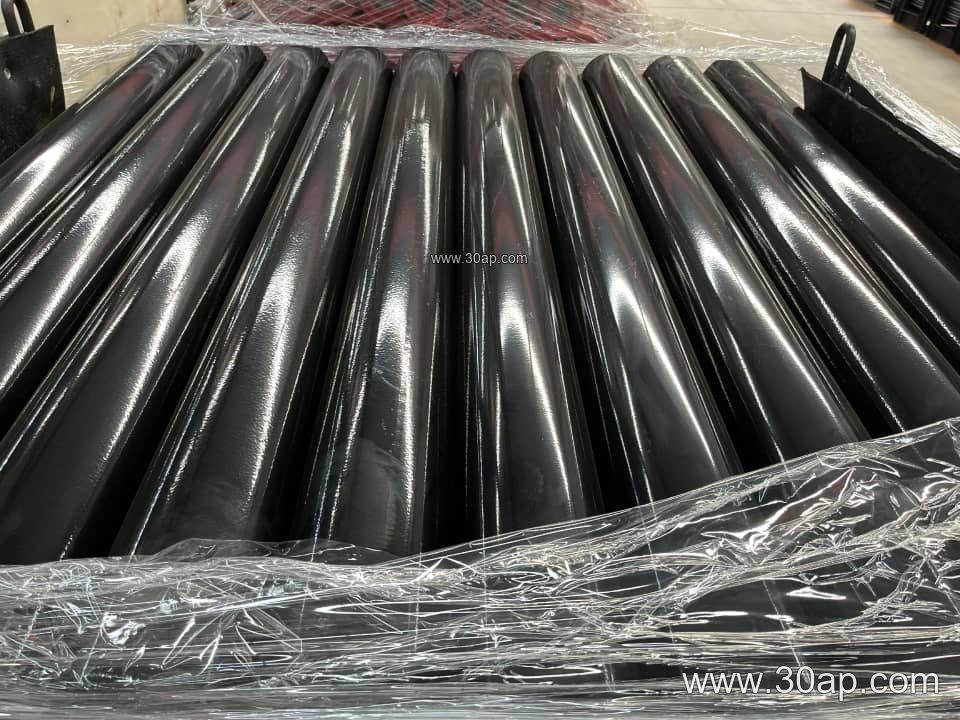
Construction and Mounting
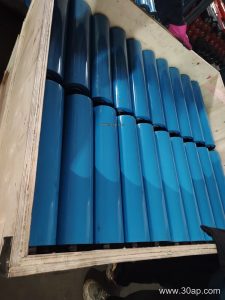
Most side guide idlers use a steel tube shell with sealed bearings, similar to a standard idler roller but with a smaller diameter and a shorter face. Common shell diameters for this duty are around Ø63 mm, Ø76 mm, and Ø89 mm, though larger sizes may appear on wide belts. The roller is fitted to a bracket or a stub shaft and clamped to the conveyor frame, so the belt edge runs against the roller face with light contact.
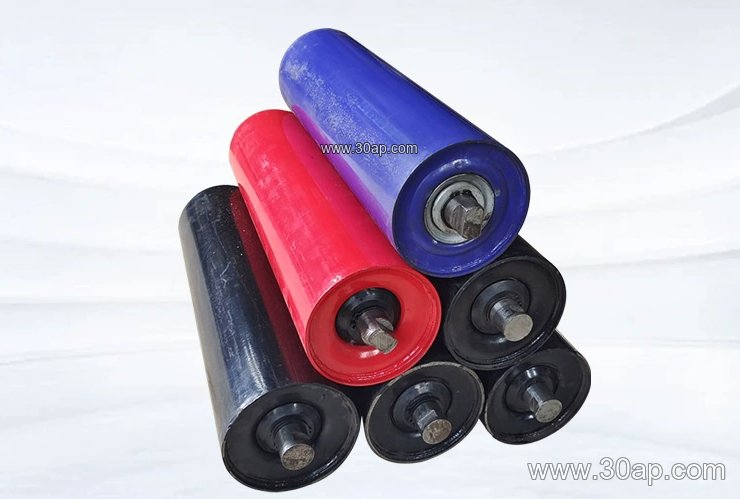
Surface options matter. A plain steel face is common, while a rubber-covered or nylon sleeve reduces wear on the belt edge. In dusty service such as a coal mining conveyor or a limestone crushing circuit, good bearing seals are important because fine dust shortens idler life. The mounting bracket should allow lateral adjustment so the roller can be set to the actual belt edge position.
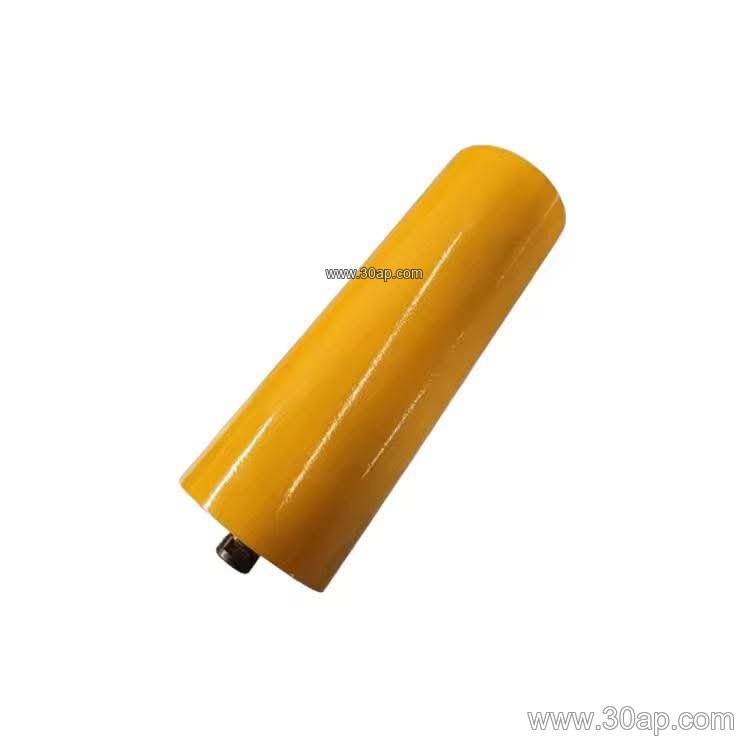
- Shell: steel tube, optional rubber or nylon sleeve
- Bearing: sealed ball bearing, often 6204 or 6205 for small sizes
- Mounting: adjustable bracket on the conveyor frame
- Typical position: belt edge, entry and exit of curves, transfer points
Where It Fits in a Conveyor System
Side guide idlers appear in many bulk handling plants. In a sand and gravel line, they help keep the belt on track after a crusher discharge. In a power plant coal yard, they protect belt edges on inclined sections. In a port ship loader or a cement plant, they guide the belt where the frame is narrow and the belt has little room to wander.
They are also useful with belts that are stiff or have a strong tendency to cup, such as a thick Abrasion Resistant Conveyor Belt or a Heat Resistant Conveyor Belt running near a kiln or sinter area. In these cases the guide roller should be positioned so it touches the belt edge without pinching it. On a pipe conveyor or a corrugated sidewall belt, edge guides are used only where the belt is open and flat, not against the cleats or sidewalls.
Selection Notes for Buyers
Choosing a side guide idler starts with the belt width and the space available at the frame. A B650 or B800 belt may use a compact Ø63 mm roller, while a B1400 or B1600 conveyor may need a Ø89 mm or Ø108 mm guide with a longer bracket. The roller face length is usually much shorter than a carrying idler, because it only contacts the belt edge. Do not assume a fixed shaft size from belt width alone; confirm the bracket and shaft dimensions with the frame drawing.
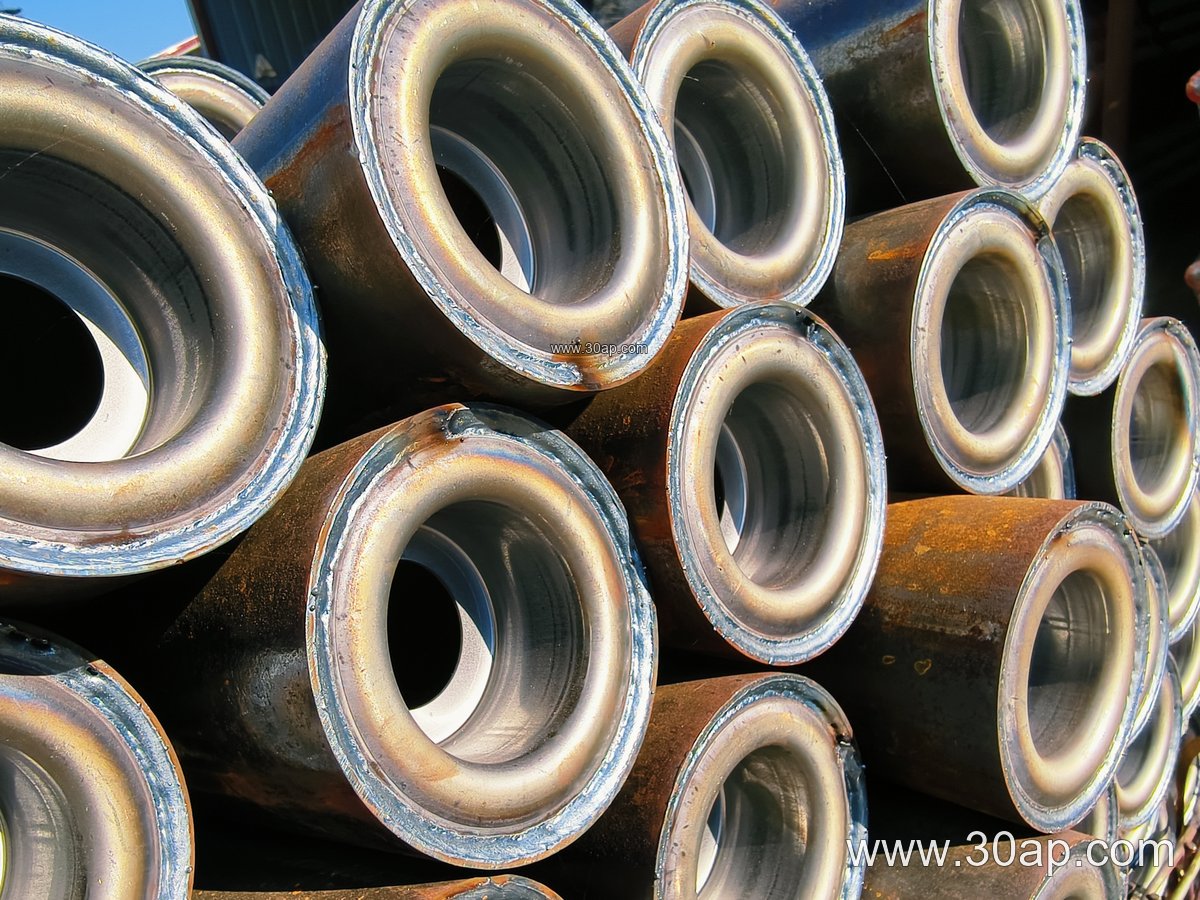
Check the belt speed and the load on the guide. A roller that spins freely under light contact is ideal. If the belt presses hard against the guide, edge wear increases and the roller bearing may fail early. Adjustable brackets help set a small clearance. For harsh duty, specify sealed bearings and a wear-resistant sleeve.
| Item | Common Range | Note |
|---|---|---|
| Shell diameter | Ø63, Ø76, Ø89, Ø108 mm | Smaller sizes for narrow belts |
| Belt width reference | B500 to B2000 | Bracket reach varies by frame |
| Bearing | 6204, 6205, 6305 | Sealed type for dusty service |
| Surface | Steel, rubber, nylon | Rubber reduces edge wear |
Remember that a side guide idler is a tracking aid, not a load-bearing roller. Drive pulleys, tail pulleys, and bend pulleys are different components with different design rules. A guide idler should be matched to the conveyor belt, the frame, and the operating environment. For a mining conveyor or a coal handling system, a small investment in correct edge guidance often extends belt life and reduces downtime. Visit our site for more on conveyor idlers and belt guidance at www.beltconveyorparts.com/side-guide-idler.