What the EP1000 Conveyor Belt Is
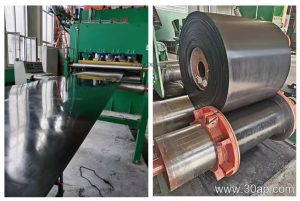
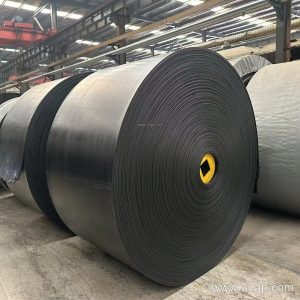
The EP1000 Conveyor Belt is a fabric core rubber belt built around polyester-polyamide (EP) carcass layers. The figure 1000 refers to the nominal tensile strength of the carcass, commonly expressed in newtons per millimeter of belt width. In practical terms, this is a high-strength EP Conveyor Belt that sits near the upper end of the common EP range, above EP200, EP400, EP630 and EP800, and below EP1250, EP1500 and EP2000. It is a Multi-Ply Fabric Core Conveyor Belt rather than a Steel Cord Conveyor Belt, and it is often chosen where a robust, impact-tolerant belt is needed without the splice complexity of steel cord construction.
How the Belt Is Built
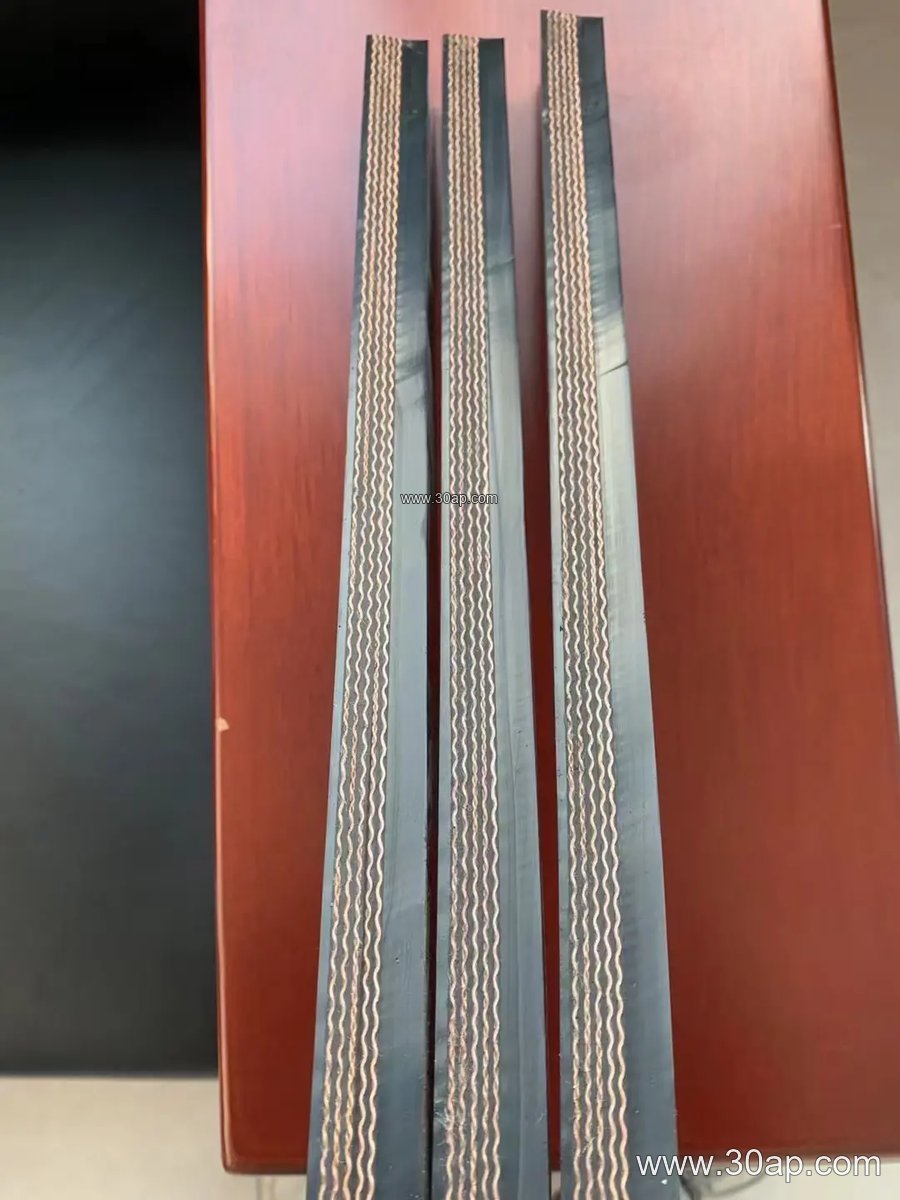
The carcass usually consists of multiple EP fabric plies, typically two to six layers depending on the design and the required strength-to-thickness balance. Rubber skim layers bond the plies, and top and bottom cover rubber protects the carcass from abrasion, moisture and material impact. Cover gauges are commonly quoted as combined figures such as 3+1.5, 4+2, 5+2, 6+2 or 8+3 mm, with the first number being the top cover and the second the bottom cover. The EP1000 Conveyor Belt can be supplied with different cover compounds, so a buyer may see it offered as an Abrasion Resistant Conveyor Belt, a Heat Resistant Conveyor Belt, an Oil Resistant Conveyor Belt, a Flame Retardant Conveyor Belt or an Anti-Static Conveyor Belt, depending on the duty.
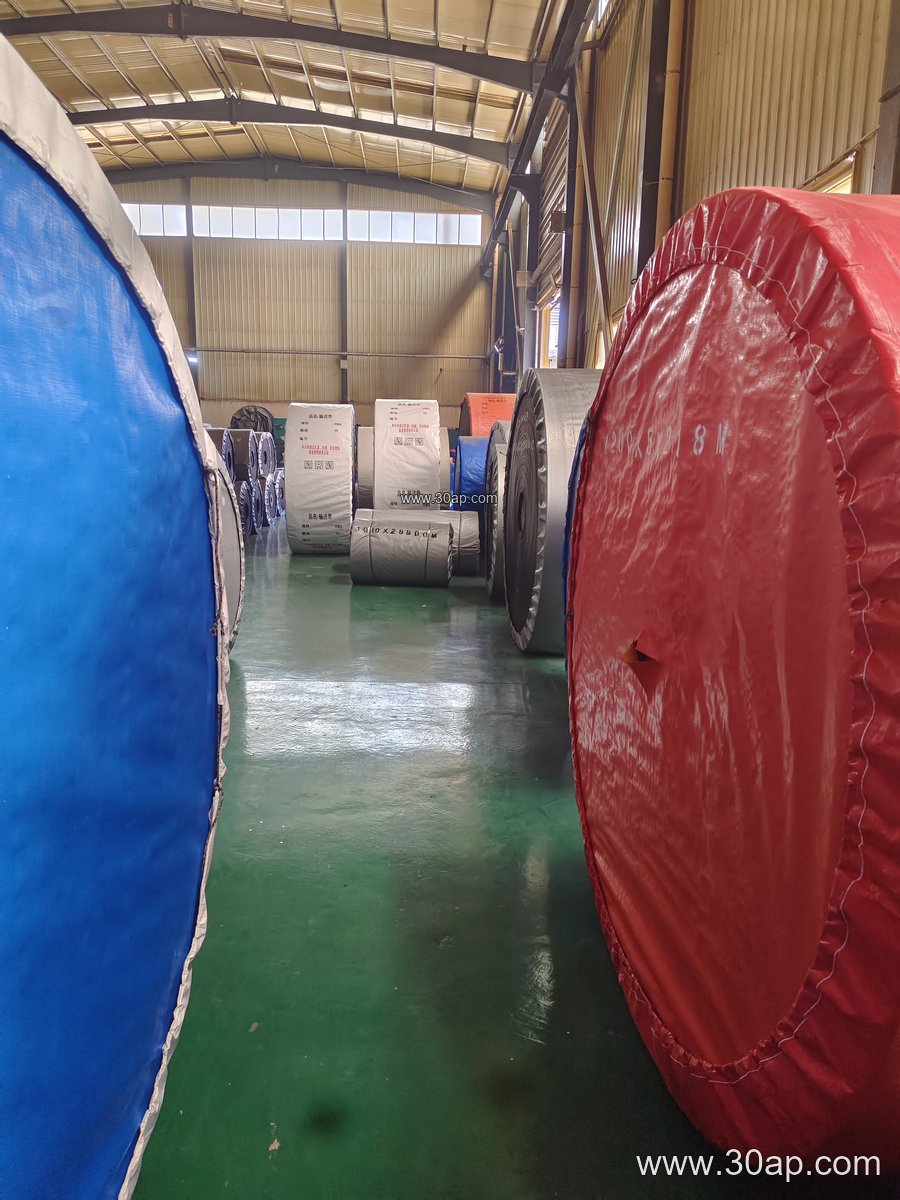
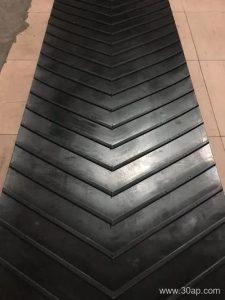
Edge construction matters as much as the center of the belt. Cut edges are common for general service, while molded edges help resist fraying in wet or abrasive conditions. On inclined routes, a Chevron Conveyor Belt or a Corrugated Sidewall Conveyor Belt may be preferred, but these are separate designs and should not be treated as direct substitutes for a flat EP1000 belt.
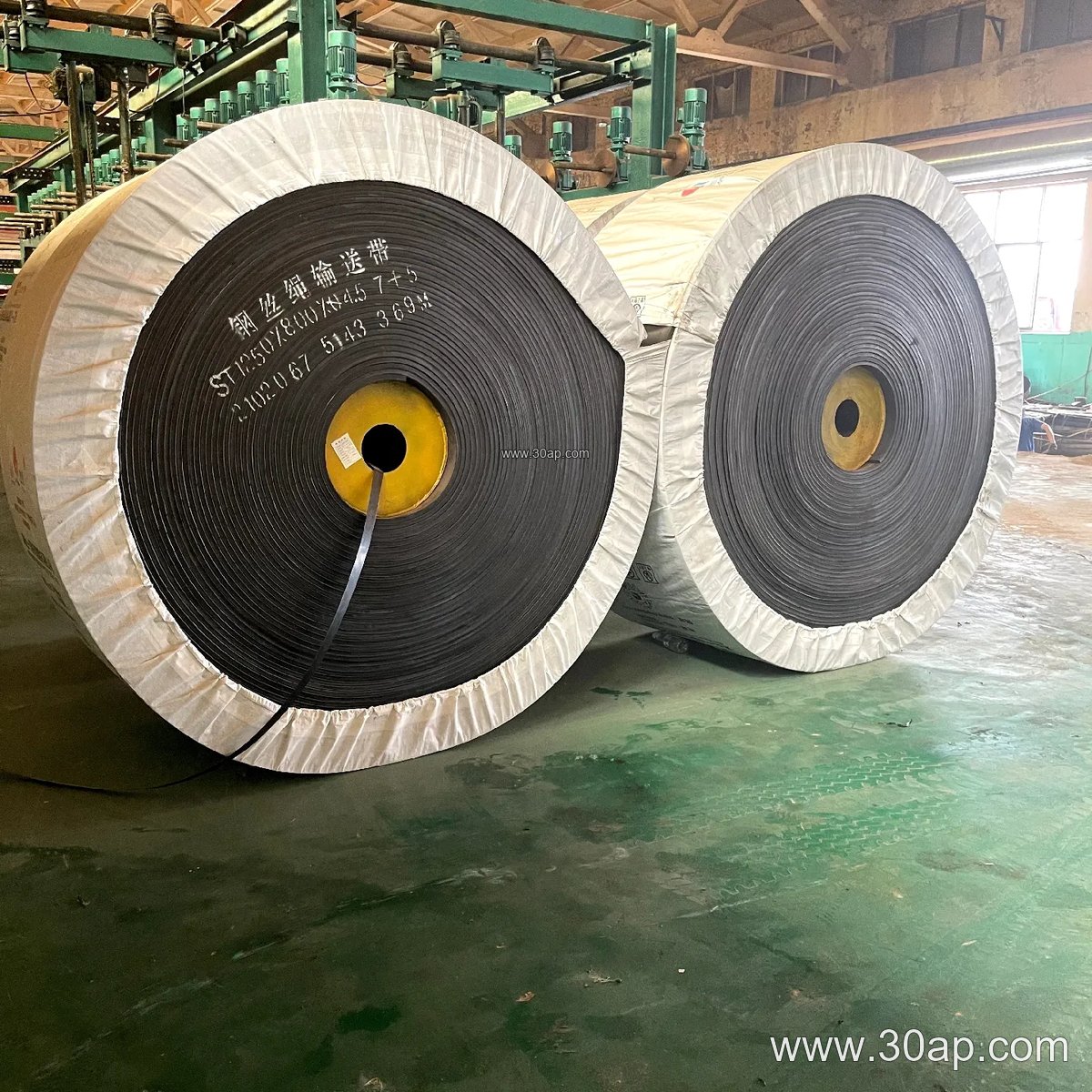
Where It Fits in a Conveyor System
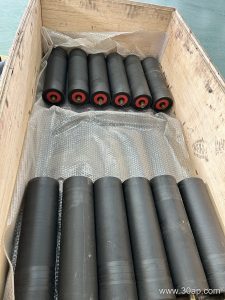
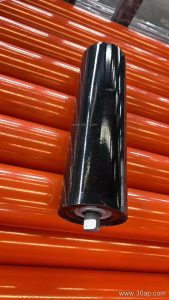
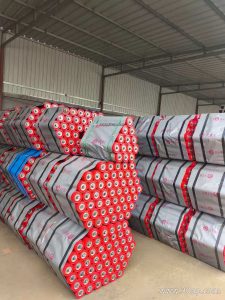
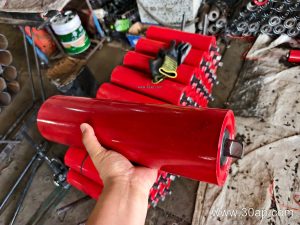
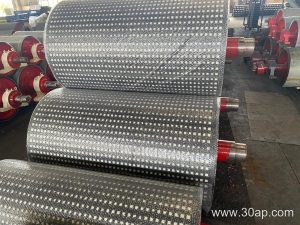
The belt runs over a conveyor pulley at the head and tail, supported along the carry side by idler roller sets mounted on conveyor bracket frames. Drive, tail and bend pulleys each perform a distinct role, and none should be treated as interchangeable when specifying a system. The EP1000 Conveyor Belt is frequently found in bulk material handling across mining, coal preparation, cement plants, power plants, quarries, sand and aggregate yards, steel plants, ports and recycling facilities. Typical duties include crusher discharge, screen feed, stockyard transfer, ship loading and long overland runs where a Heavy-Duty Conveyor Belt is required.
Because the carcass tolerates impact and ripping better than many lighter constructions, it is often considered for primary and secondary crushing circuits in stone crushing and ore handling. In underground coal mining, flame retardant and anti-static versions are usually specified, and PVG or PVC belts may be compared for the same route. Those comparisons are useful, but the EP1000 remains a fabric core rubber belt, not a solid-woven PVC belt.
Common Reference Dimensions
The values below are reference data, not fixed supply promises. Actual width, ply count, cover gauge and strength class are confirmed by design and by the manufacturer.
| Parameter | Common Reference Range |
|---|---|
| Strength class | EP1000 (also EP200, EP315, EP400, EP500, EP630, EP800, EP1250, EP1600, EP2000) |
| Belt width | B500, B650, B800, B1000, B1200, B1400, B1600, B1800, B2000 |
| Cover gauge | 3+1.5, 4+2, 5+2, 6+2, 8+3 mm |
| Carcass plies | Usually 2 to 6 layers |
| Surface options | Smooth, chevron, corrugated sidewall, skirted |
A 1200mm wide or 1400mm wide EP1000 belt is a common sight in aggregate and cement service, while narrower 800mm and 1000mm belts appear on plant conveyors and transfer lines. Width alone does not determine pulley diameter or shaft size; those follow the conveyor design, belt tension and pulley loading.
Buyer Checklist
- Confirm the required strength class and whether EP1000 is sufficient or whether EP1250 or EP1500 is needed for the duty.
- State the material, lump size, temperature and moisture exposure so the correct cover compound can be selected.
- Specify width, ply count and cover gauge, and confirm whether a cut edge or molded edge is preferred.
- Check compatibility with the existing conveyor pulley, idler roller, conveyor bracket and take-up arrangement.
- For coal or dusty service, confirm flame retardant and anti-static properties in writing.
- Plan splicing, storage and inspection routines before installation to protect belt life.
Choosing an EP1000 Conveyor Belt is largely a matter of matching carcass strength and cover compound to the route, the material and the environment. When the specification is clear, the belt, pulleys, rollers and frames work together as one system rather than as separate parts.