What an Anti-Sticking Idler Is
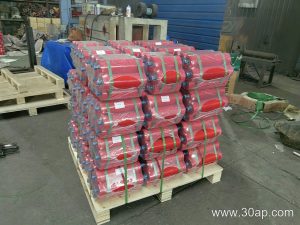
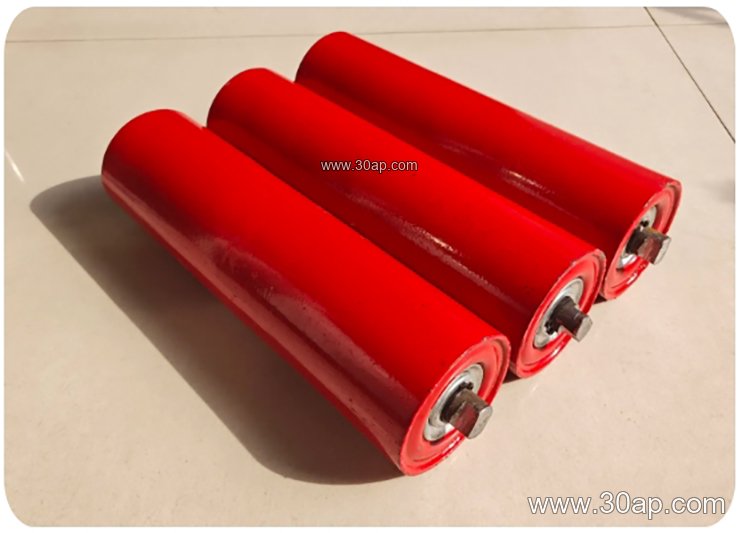
An anti-sticking idler is a carrying or return roller built to keep sticky, wet, or clay-rich material from building up on its shell. In a quarry, a wash plant, or a tunnel spoil line, fines can cling to a standard roller and form an uneven sleeve. That sleeve changes the belt line, adds vibration, and can damage the conveyor belt. The anti-sticking idler roller addresses this by combining a non-stick or self-cleaning surface with a sealed bearing arrangement that keeps grit out.
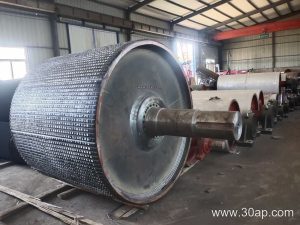
The name describes a function rather than one fixed shape. Buyers will see the same product described as a self-cleaning idler, a non-stick roller, or an anti-adhesion idler. These are accurate equivalent names for the same item. It is not a drive pulley, tail pulley, or bend pulley, and it should not be confused with them.
How the Roller Is Built
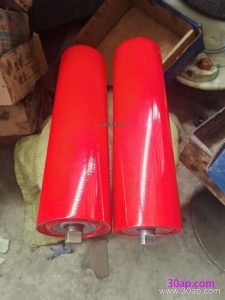
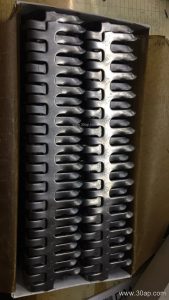
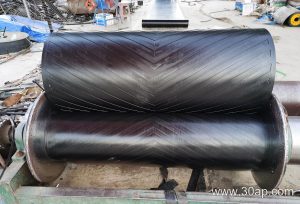
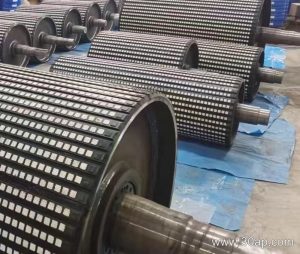
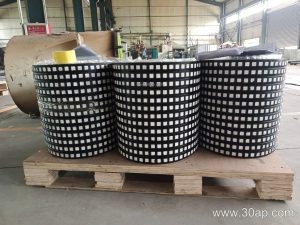
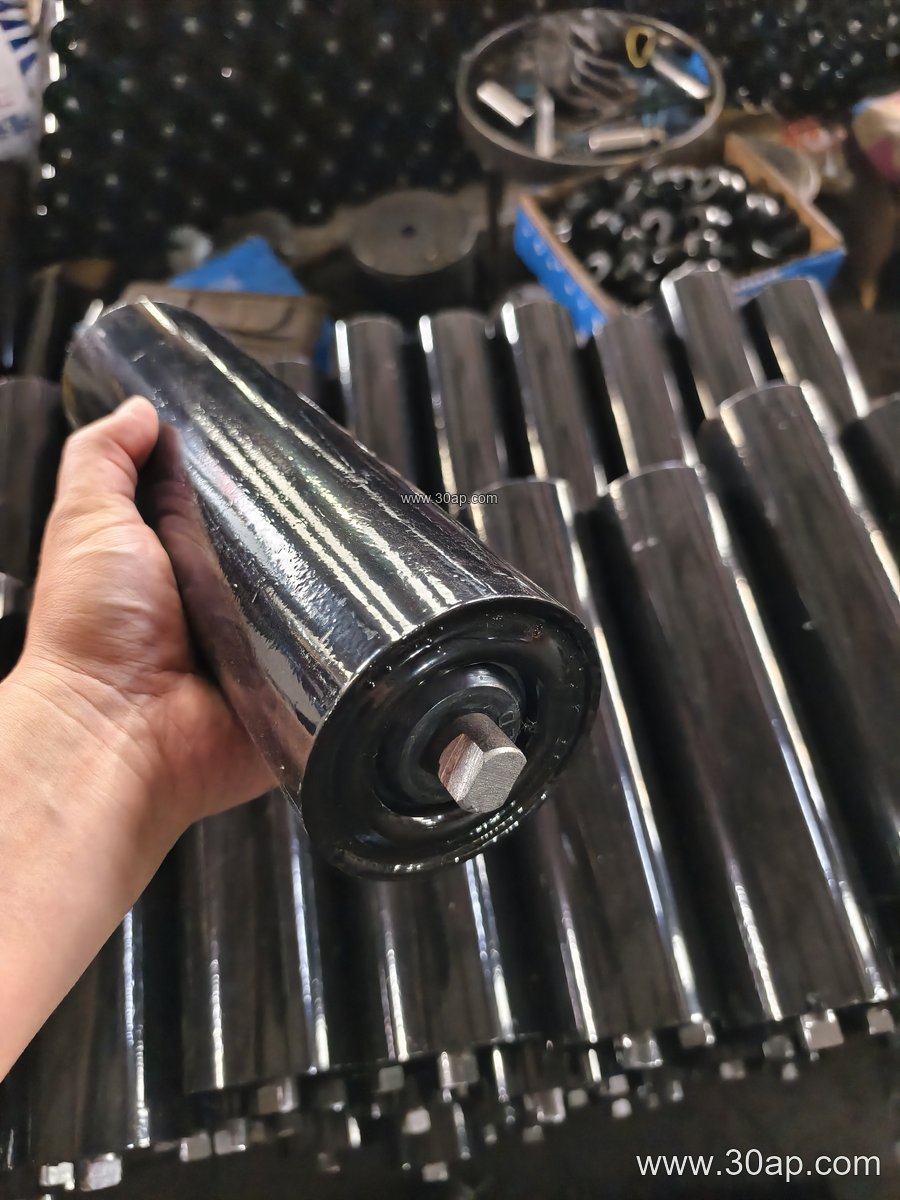
Most designs start with a steel tube shell. The surface treatment is where the anti-sticking behavior comes from. Common approaches include a smooth polymer or rubber covering, a segmented or stepped shell, and a spiral or grooved profile that sheds material as the roller turns. Some versions use closely spaced discs or a cage-like form so that sticky fines fall away instead of packing tight.
Inside, the bearing housing is the second line of defense. A labyrinth seal or multi-stage lip seal protects the bearing from dust and moisture. Typical bearing sizes found in this family include 6204, 6205, 6305, 6306, 6308, and 6310, matched to the shaft and load rather than to belt width alone. Shaft diameter is set by the conveyor design, not by a simple rule from belt width.
Where It Fits on the Conveyor
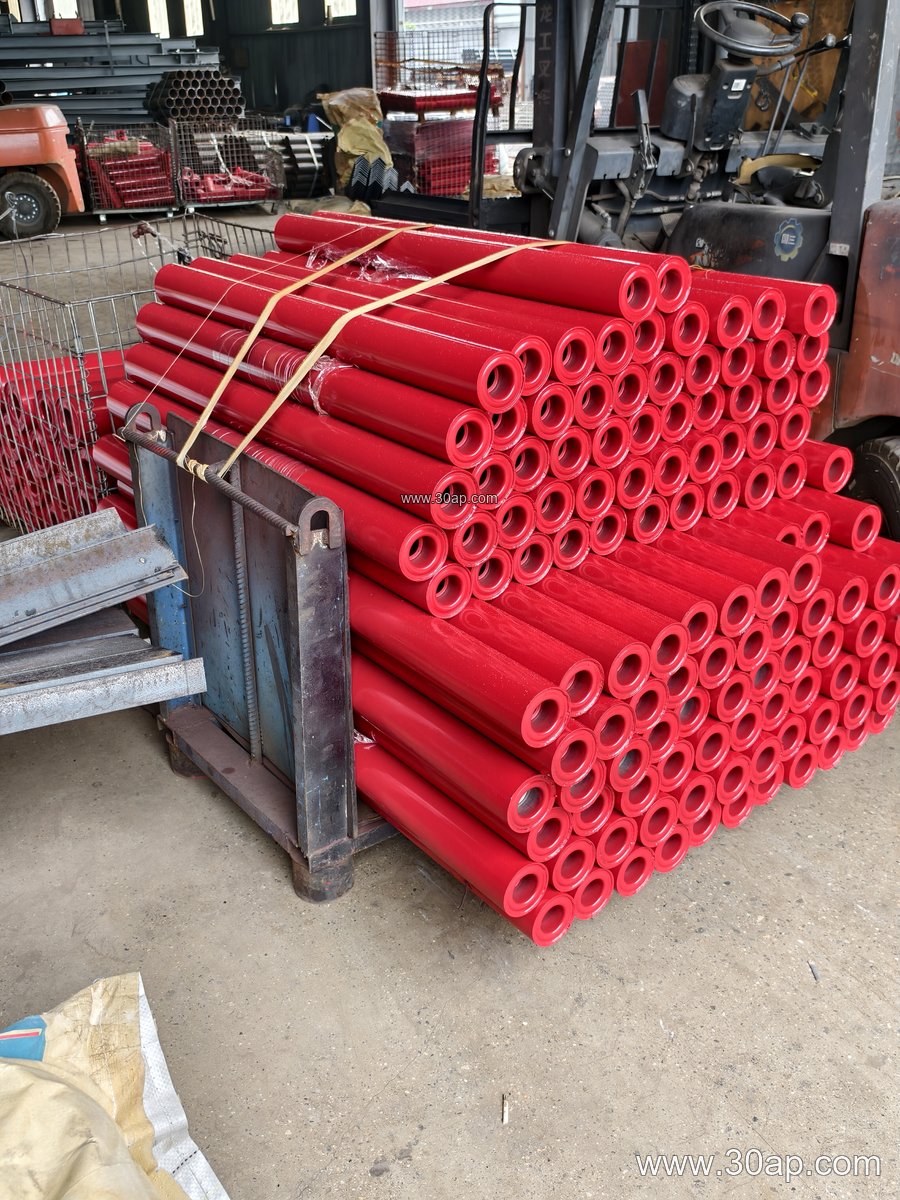
Anti-sticking rollers are most useful on the carrying side, just after a transfer point where wet material lands, and on the return side where fines can stick to the belt and transfer onto plain rollers. In a sand and gravel plant, a coal washing house, or a cement plant handling moist raw meal, they are often placed in the first few idler stations after loading.
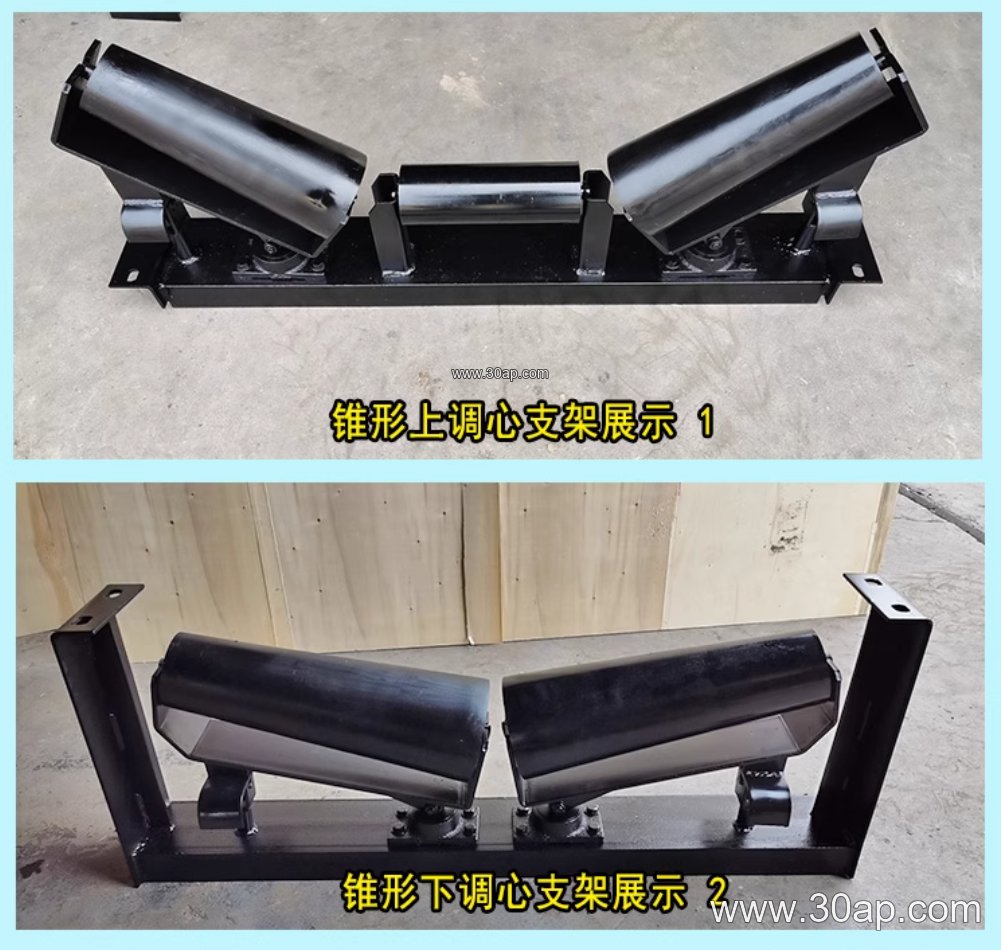
They can be supplied in the usual frame forms, such as single-roller, two-roller, and three-roller troughing sets, with trough angles of 20, 30, 35, or 45 degrees. A transitional idler position near a conveyor pulley may also benefit when material is damp. For comparison, a buffer idler with rubber rings is chosen for impact absorption, while an anti-sticking roller is chosen for release of adhered material; the two jobs are different and are sometimes combined in one station.
Typical Sizes and Fit
Dimensions follow the belt and the frame, so the table below is a reference guide only. Final roller length, shaft, and bearing are confirmed by the conveyor designer.
| Belt width | Common roller diameter | Typical three-roller center length | Typical trough angle |
|---|---|---|---|
| B500 | Ø63 to Ø89 mm | about 200 mm | 20 to 35 degrees |
| B650 | Ø76 to Ø108 mm | about 250 mm | 20 to 35 degrees |
| B800 | Ø89 to Ø108 mm | about 315 mm | 30 to 35 degrees |
| B1000 | Ø102 to Ø133 mm | about 380 mm | 30 to 35 degrees |
| B1200 | Ø108 to Ø159 mm | about 465 mm | 30 to 45 degrees |
| B1400 | Ø127 to Ø159 mm | about 530 mm | 30 to 45 degrees |
| B1600 | Ø133 to Ø178 mm | about 600 mm | 35 to 45 degrees |
| B1800 | Ø159 to Ø194 mm | about 670 mm | 35 to 45 degrees |
| B2000 | Ø178 to Ø219 mm | about 750 mm | 35 to 45 degrees |
Side rollers and center rollers can differ in length, and a wide belt does not force one fixed pulley or shaft size. The shell material may be steel, nylon, ceramic-coated, or rubber-ringed depending on the duty.
Choosing and Maintaining the Roller
Start with the material. If it is wet and clay-like, a smooth release surface or a segmented shell usually works better than a plain steel tube. If the load also includes sharp rock, check that the covering resists cutting. Confirm the bearing seal class for dusty service, and verify the shaft and mounting dimensions against the existing conveyor bracket.
Maintenance is simple but matters. Check for build-up at each inspection, confirm that the roller turns freely, and listen for bearing noise. A roller that stops turning will flat-spot the belt and can wear through a conveyor belt quickly. Keep the scraper and skirt rubber in good order, because a clean belt reduces the load on every idler.
For matching belt and roller specifications, buyers can review product pages at www.bulkconveyorparts.com covering rubber conveyor belt, EP conveyor belt, and conveyor idler options before ordering.