What an Idler Bearing Does
An idler bearing is the small but critical component inside a conveyor idler roller that allows it to spin freely under the weight of the belt and material. Without a properly functioning bearing, the roller drags, the belt wears faster, and energy consumption climbs. In a quarry, cement plant, or coal mining operation, hundreds of these bearings work quietly day after day, so understanding their construction and selection is essential for reliable conveying.
The idler bearing sits inside the roller shell, mounted on a shaft that is fixed to the conveyor bracket. Its job is to minimize friction while supporting radial and axial loads. Common bearing types for idlers include deep groove ball bearings such as 6204, 6205, 6305, 6306, 6308, and 6310, though the choice depends on roller diameter, load, and speed rather than a fixed pairing.
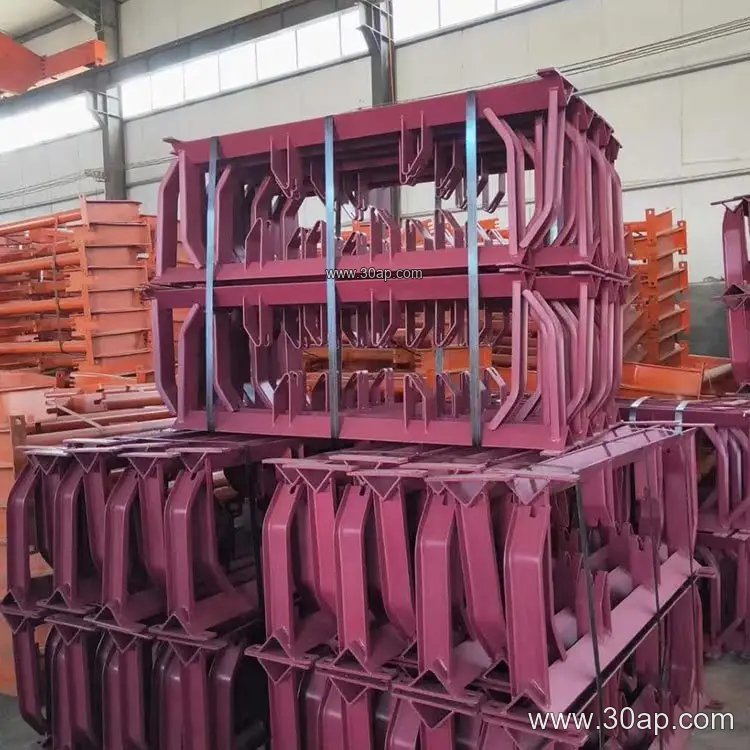
Construction and Sealing
A typical idler roller uses a steel tube shell, a through shaft, and two bearing housings. The bearing itself is usually a sealed or shielded ball bearing packed with grease. Sealing is what separates a long-life idler from a short-lived one. Dust, water, and fine particles are the main enemies in aggregate, mining, and power plant applications. Effective labyrinth seals or multi-lip seals keep contaminants out and grease in.
Bearing clearance and fit matter too. A loose fit causes vibration; an overly tight fit can preload the bearing and shorten its life. Reputable manufacturers control housing bore and shaft tolerances carefully. When you specify idlers for a conveyor belt carrying abrasive rock or hot clinker, ask about the sealing arrangement and the grease type, because these details often decide maintenance intervals.
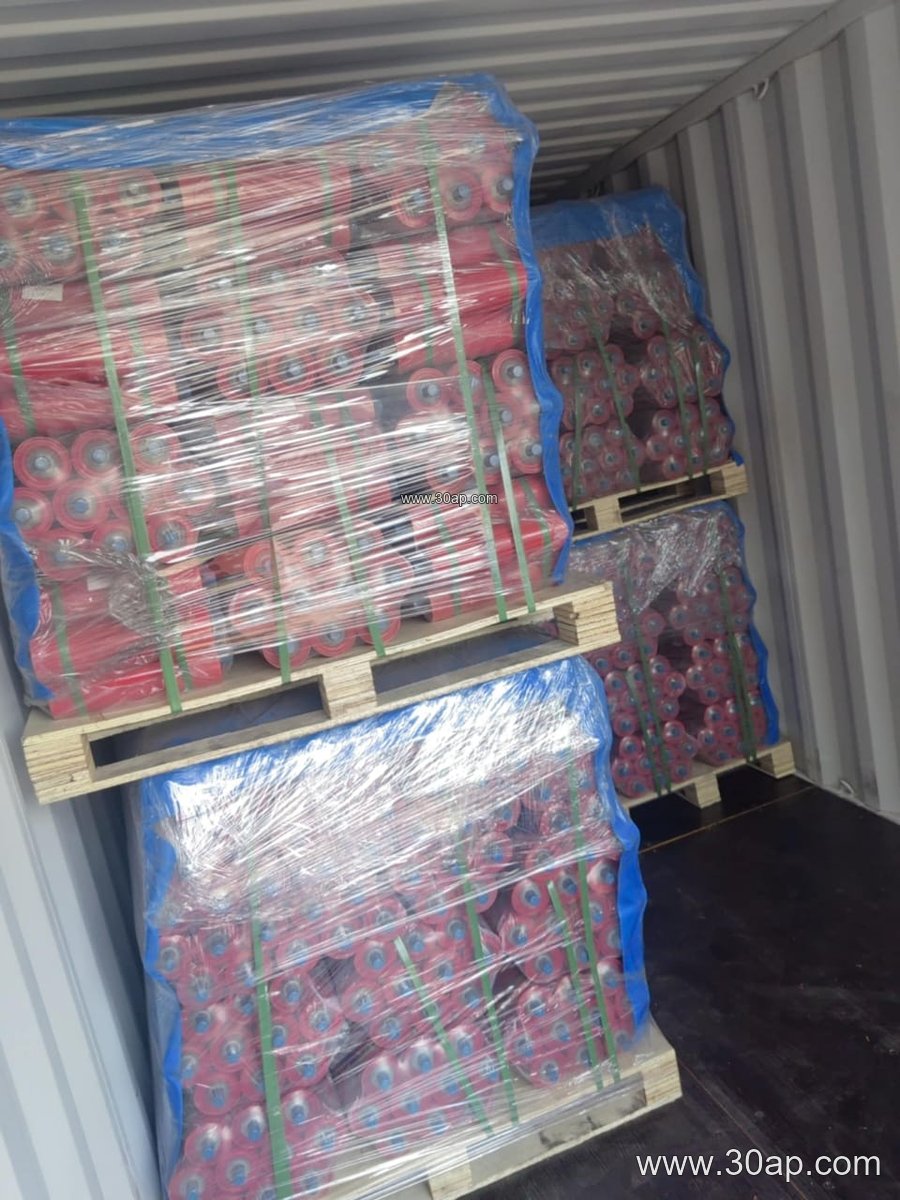
Where Idler Bearings Are Used
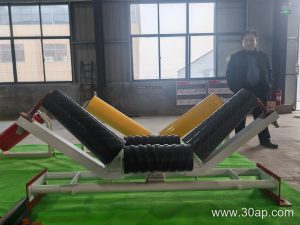
You will find idler bearings in every section of a belt conveyor. Carrying idlers support the loaded belt, return idlers support the empty side, and impact idlers absorb shock at transfer points. In a limestone mine or stone crushing line, impact and troughing idlers take a beating, so bearing quality directly affects uptime. In a coal mining conveyor or a power plant coal handling system, flame retardant and anti-static properties of the belt are important, and the idler bearings must cope with fine coal dust.
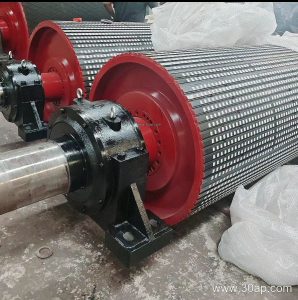
Other common locations include port ship loading conveyors, steel plant sinter lines, and concrete batching plants. Even a short aggregate conveyor belt relies on dozens of idler bearings. The related conveyor pulley, whether a drive pulley or a bend pulley, has its own bearing arrangement, but those are not interchangeable with idler bearings and should be selected separately.
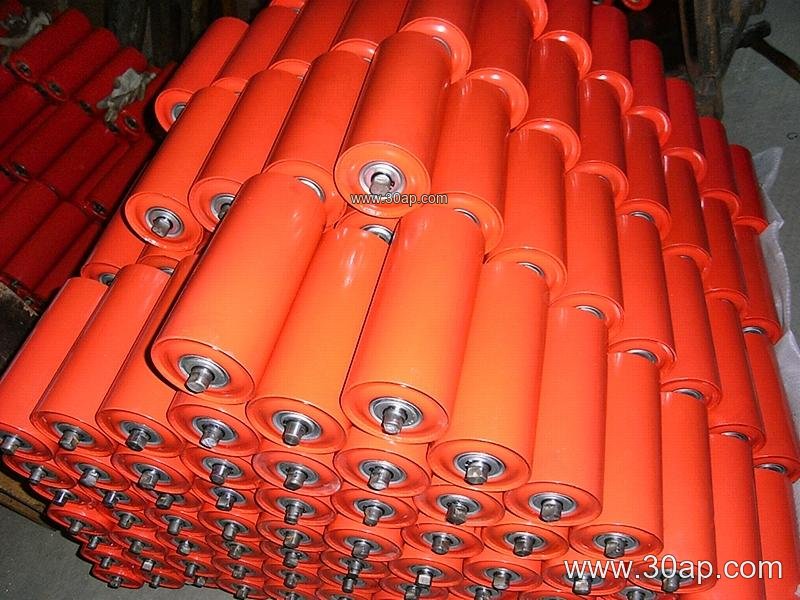
Matching Bearings to Roller Diameter and Belt Width
There is no universal rule that one belt width matches one bearing size. Roller diameter, shaft size, load rating, and speed all influence the choice. The table below shows common reference combinations, but final selection should follow the conveyor design.
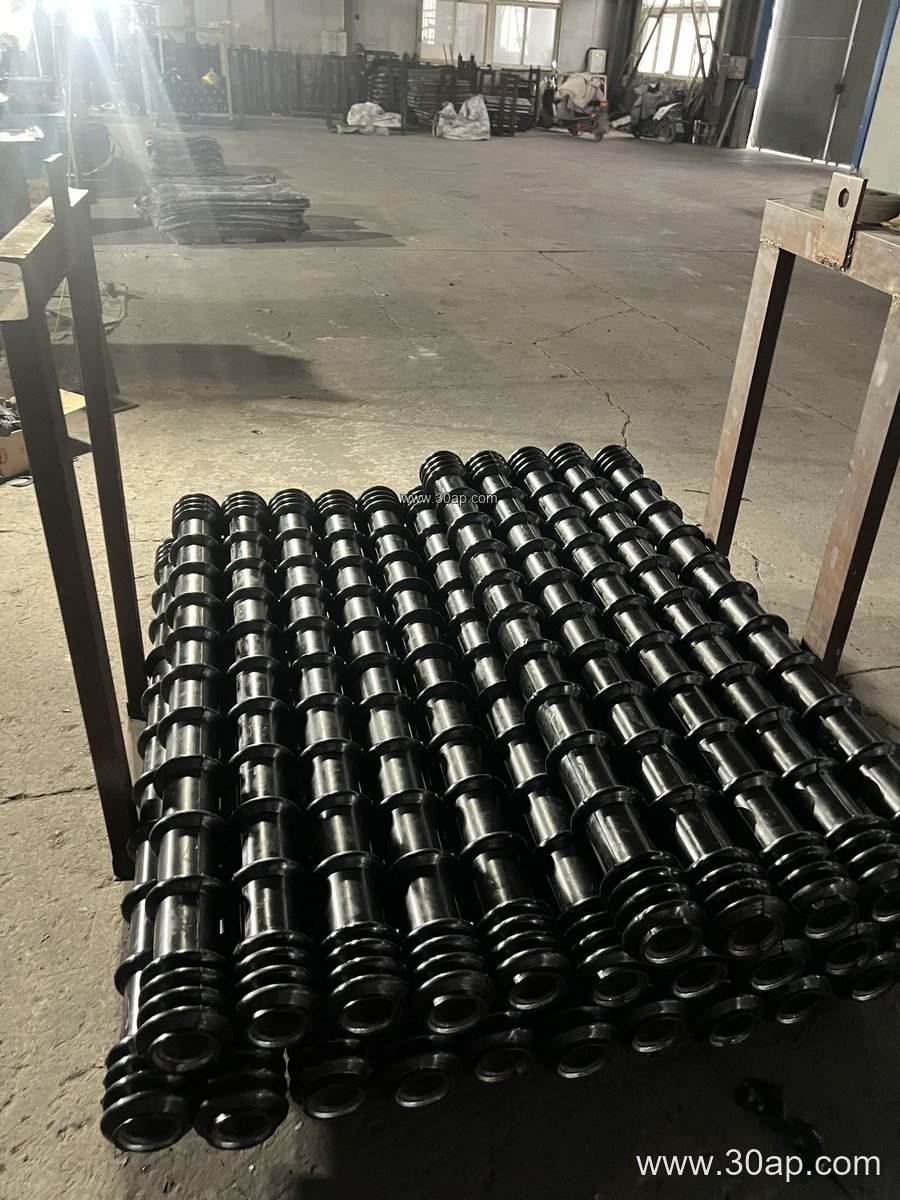
| Roller Diameter (mm) | Typical Bearing Examples | Common Belt Width Range |
|---|---|---|
| Ø63–Ø89 | 6204, 6205 | B500–B800 |
| Ø102–Ø133 | 6205, 6305, 6306 | B650–B1200 |
| Ø159–Ø194 | 6306, 6308, 6310 | B1000–B1800 |
| Ø219 | 6308, 6310 | B1400–B2400 |
These are common examples, not fixed pairings. A heavy-duty mining conveyor belt carrying iron ore may use a larger shaft and bearing than a light-duty aggregate line of the same width. Always confirm the idler manufacturer’s load rating and speed limit.
Buyer Checklist
- Confirm the roller diameter and shaft diameter required by your conveyor bracket.
- Ask for the bearing brand or quality grade and the sealing method.
- Check the grease type and operating temperature range, especially for heat resistant conveyor belt applications.
- Verify load ratings against your actual belt tension and material weight.
- Consider the environment: dust, water, corrosive chemicals, or extreme cold all affect bearing life.
For harsh conditions such as a copper ore conveyor or a fertilizer plant, sealed-for-life bearings with reinforced seals are often worth the extra cost. In a quarry conveyor belt system, keeping spare idler rollers with pre-fitted bearings on hand reduces downtime.
Maintenance Notes
Idler bearings are generally lubricated for life, but they still need attention. Listen for squealing or rumbling, check for wobble, and look for grease leakage. A failed bearing can seize the roller and wear through the conveyor belt quickly. During routine inspections, spin each idler by hand and replace any that feel rough. Maintaining proper belt tracking also reduces side loads on idler bearings, extending their service life.
When replacing idlers, match the bearing size and seal type to the original specification or consult the conveyor designer. Mixing bearing grades across a long conveyor can create uneven wear and unpredictable failures. For more information on idler rollers, conveyor brackets, and related components such as rubber conveyor belt and EP conveyor belt, check with your supplier.