Understanding the Heavy-Duty Conveyor Bracket
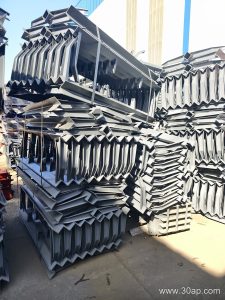
A heavy-duty conveyor bracket is the structural component that supports and positions idler rollers along a conveyor system. Often referred to as a heavy-duty idler bracket or heavy-duty conveyor frame bracket, it is engineered to withstand high loads, abrasive materials, and demanding operating conditions. While standard brackets serve light to medium duties, the heavy-duty version is built with thicker steel and reinforced joints to maintain alignment and extend service life in industries such as mining, cement, and power generation.
Construction and Design Features
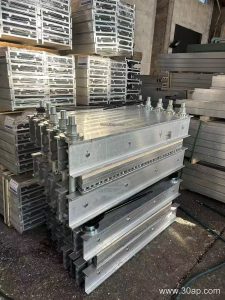
These brackets are typically fabricated from angle steel, channel steel, or bent steel plate. The material thickness and design are selected based on the load capacity required. Common surface treatments include painting or galvanizing to resist corrosion, although the specific finish depends on the environment. The bracket’s geometry determines the trough angle of the idler rollers, which in turn affects the conveyor belt’s material containment. Heavy-duty brackets often feature adjustable slots or multiple mounting positions to accommodate different trough angles and belt widths.
Key structural aspects include:
- Reinforced mounting holes and crossbeams to handle vibration and impact.
- Welded or bolted construction for rigidity.
- Compatibility with various idler roller diameters, such as Ø89, Ø108, Ø133, Ø159, and Ø194.
- Provisions for easy installation and maintenance.
Where Heavy-Duty Brackets Are Used
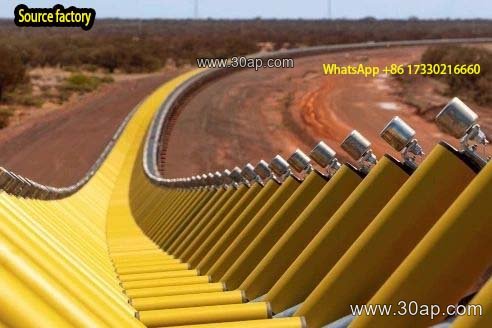
These brackets are essential in facilities that handle large volumes of bulk materials. In a limestone quarry, for example, heavy-duty conveyor brackets support the idlers that carry abrasive stone along the primary crushing circuit. In a coal-fired power plant, they ensure stable belt tracking in coal handling systems where dust and variable loads are common. The robust design also suits cement plants, steel mills, and port terminals. When paired with a heavy-duty conveyor belt or abrasion resistant conveyor belt, these brackets contribute to a reliable conveyor line.
Selection Considerations for Buyers
Choosing the right heavy-duty conveyor bracket involves several factors. First, determine the belt width (e.g., B800, B1000, B1200) and the required trough angle (20°, 30°, 35°, or 45°). The bracket must match the idler roller diameter, which is often Ø108 or Ø133 for medium-duty applications, while Ø159 or Ø194 may be used for higher loads. Adjustable brackets allow fine-tuning of the trough angle, which can be beneficial when handling materials with varying characteristics.
Consider the operating environment. In corrosive settings, galvanized or painted finishes are advisable. For high-impact zones, such as transfer points, buffer idler brackets may be needed. Also, verify that the bracket’s mounting dimensions align with the conveyor’s stringer spacing and that the design accommodates the chosen idler type, whether it’s a carrying idler or a return idler.
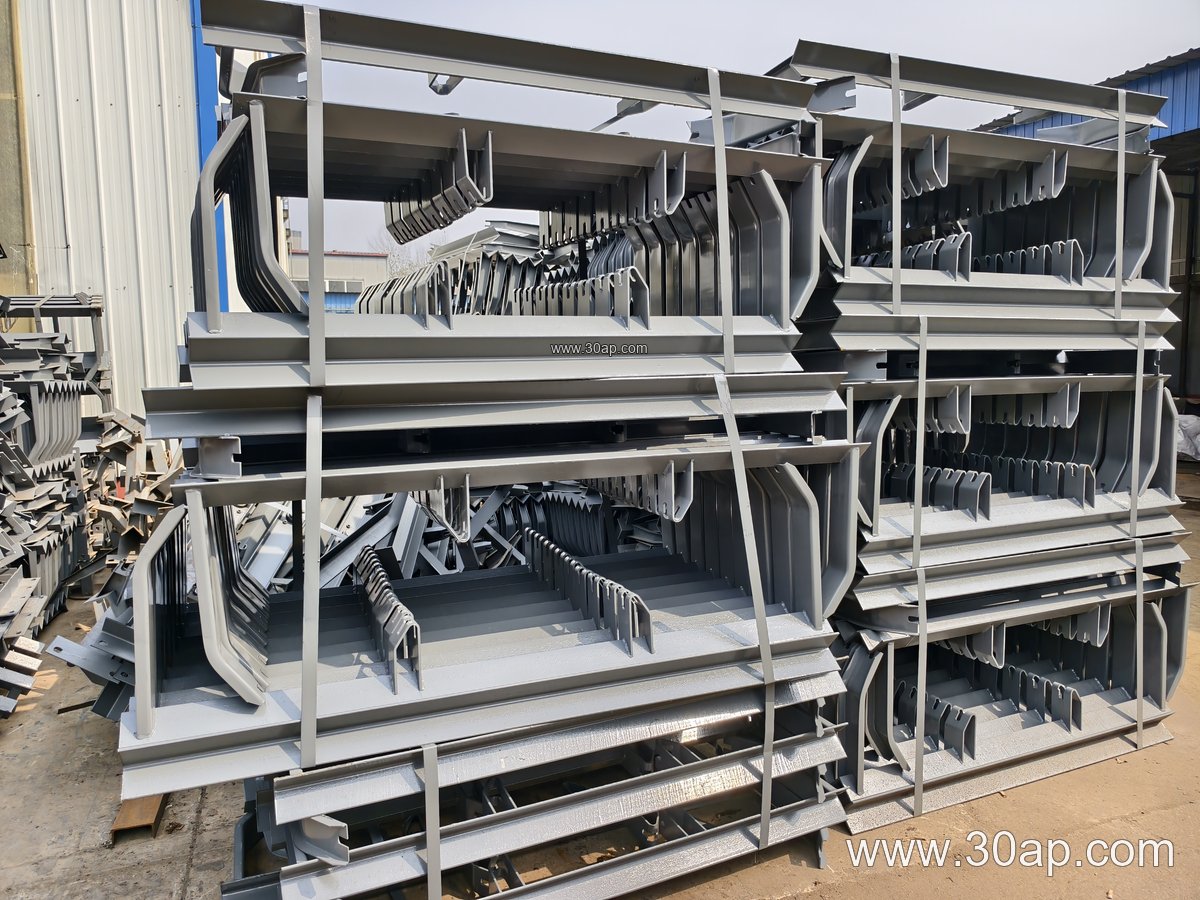
It’s important to note that no single bracket size fits all conveyors. The combination of belt width, trough angle, and roller diameter should be determined by the conveyor designer based on load calculations and material properties.
Maintenance and Longevity
Regular inspection of heavy-duty conveyor brackets helps prevent unplanned downtime. Check for loose bolts, signs of fatigue, or deformation, especially in high-impact areas. Keeping the brackets clean and repainting damaged areas can extend their service life. In dusty environments, such as a sand and gravel plant, periodic cleaning prevents material buildup that could misalign the idlers.
When replacing brackets, ensure the new units match the original specifications or are upgraded for higher loads. Using brackets that are not rated for the application can lead to premature failure of idlers and belt misalignment.
Final Thoughts
Heavy-duty conveyor brackets are a critical investment for any bulk material handling system that demands reliability. By understanding their construction, applications, and selection criteria, buyers can make informed decisions that enhance conveyor performance and reduce maintenance costs. For more information on conveyor components, visit our site for details on conveyor belt, idler roller, and conveyor pulley options.