What an EP Rubber Conveyor Belt Is
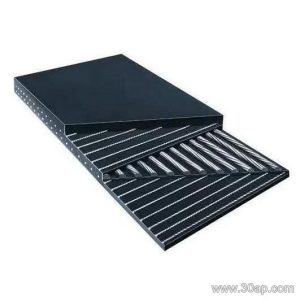
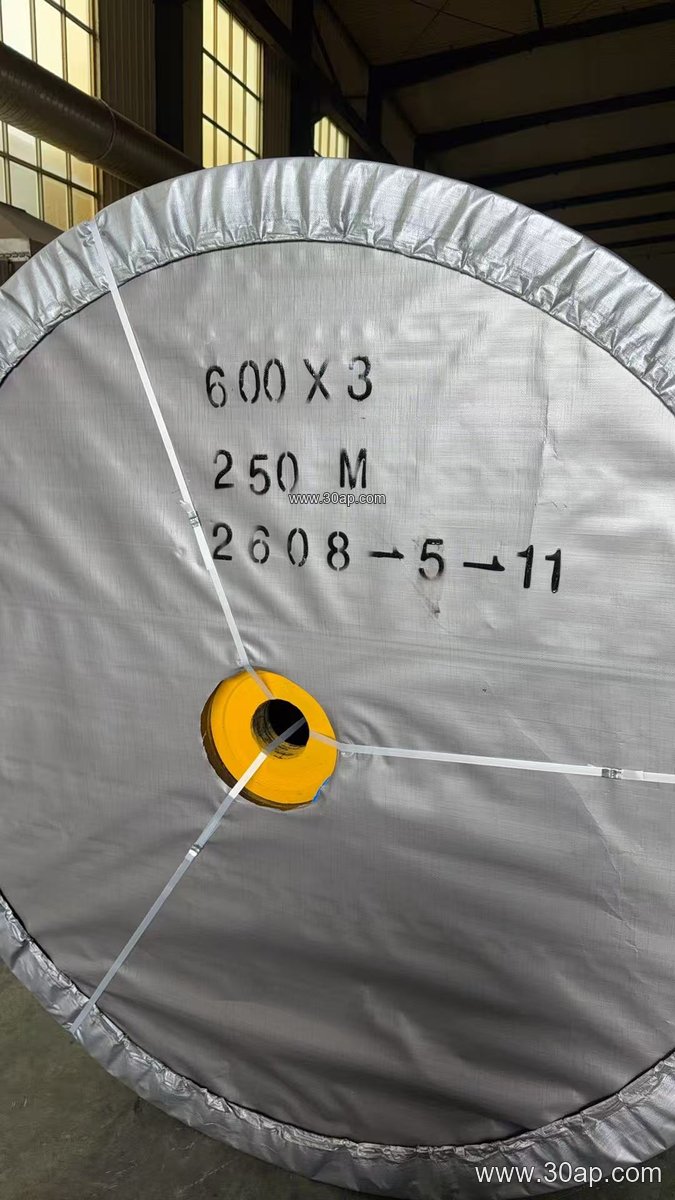
An EP Rubber Conveyor Belt is a fabric-core belt whose carcass is built from polyester warp yarns and polyamide weft yarns, bonded in rubber. The carcass is usually called EP fabric, and the belt is also described as an EP Fabric Core Conveyor Belt. The polyester warp keeps the belt from stretching too much under load, while the polyamide weft gives it good resistance to impact and tearing. This balance is why many bulk handling lines choose this construction over a plain cotton or light fabric belt.
The belt is not a single product but a family. Strength grades, cover compounds and widths are selected to match the conveyor, the material and the working environment. A quarry handling sharp rock needs different covers from a cement plant moving hot clinker or a coal yard working in cold weather.
How the Belt Is Built
A typical EP Rubber Conveyor Belt has three main parts:
- Carcass: usually 2 to 6 plies of EP fabric, bonded with rubber skim between the layers.
- Top cover: the carrying surface, compounded for abrasion, heat, oil, flame or cold resistance as required.
- Bottom cover: the pulley side, often thinner than the top cover.
Cover thickness is commonly written as a pair, for example 3+1.5, 4+2, 5+2, 6+2 or 8+3 mm, where the first figure is the top cover and the second is the bottom cover. The correct combination depends on material size, drop height and pulley contact, not on habit alone.
Strength Grades and Common Sizes
EP belts are named by nominal tensile strength. The table below shows reference grades and typical belt widths; final values should always be confirmed against the conveyor design.
| Strength grade | Common belt widths |
|---|---|
| EP200, EP315, EP400 | B500, B650, B800 |
| EP500, EP630, EP800 | B650, B800, B1000, B1200 |
| EP1000, EP1250 | B1000, B1200, B1400, B1600 |
| EP1600, EP2000 | B1400, B1600, B1800, B2000 |
These figures are reference data, not a fixed rule. A wider belt does not dictate one pulley diameter, and shaft size must come from the conveyor designer’s calculation rather than from belt width alone.
Where It Fits in Real Plants
In a sand and gravel pit, an abrasion resistant EP belt carries crushed stone from the crusher to the screening deck. In a cement plant, heat resistant covers may be needed near the kiln and cooler, while ordinary EP belts handle limestone and additives. Power plants use flame retardant grades on coal handling lines, and underground coal mining conveyors often require fire resistant and anti-static properties together.
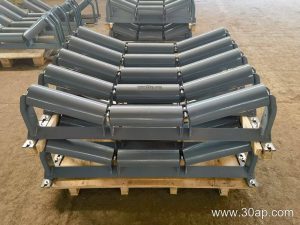
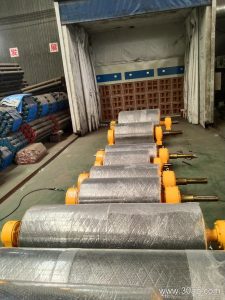
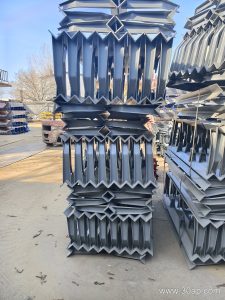
Ports and ship loading terminals favour wide belts, sometimes 1800 mm or 2000 mm, to move large tonnages at speed. Iron ore, copper ore and gold mining operations often specify heavy-duty covers and higher strength grades because of sharp, dense material. In all these cases the belt works with conveyor pulleys, idler rollers and conveyor brackets, and the whole system must be matched, not just the belt.
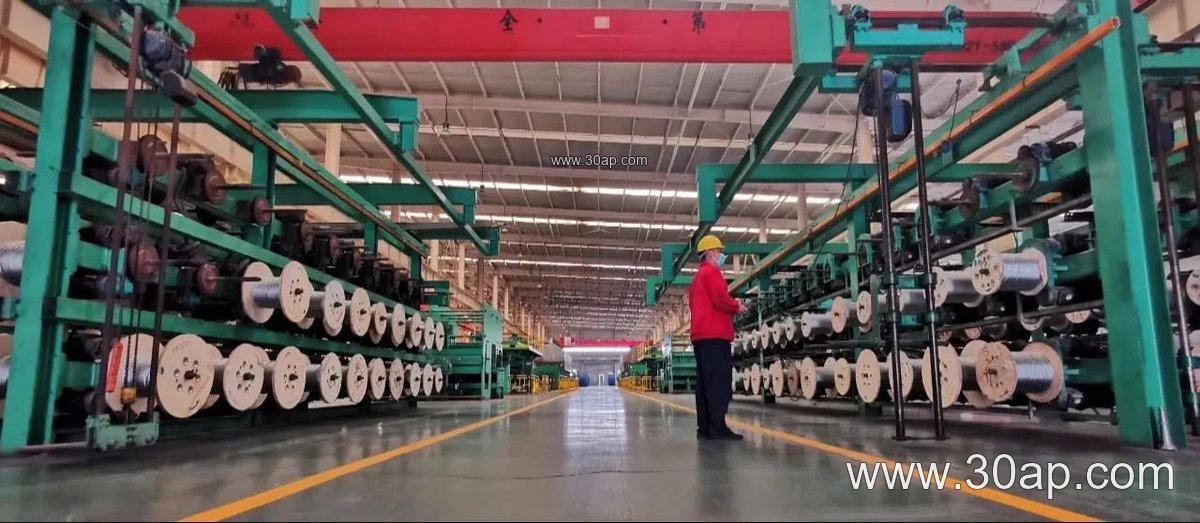
Other carcass types appear in the same plants. An NN Conveyor Belt uses nylon in both directions and can suit shock loading, while a Steel Cord Conveyor Belt is chosen for very long runs and high tension. Those are separate products with their own design rules; they are not substitutes for an EP belt in every duty.
What a Buyer Should Check
- Material and duty: lump size, temperature, oil content, moisture and abrasion level.
- Strength grade: EP200 to EP2000 range, matched to the calculated belt tension.
- Cover thickness: top and bottom covers, for example 4+2 mm or 6+2 mm, chosen for wear life.
- Width: B500 to B2000 as required by the conveyor profile and tonnage.
- Special properties: flame retardant, anti-static, heat, oil, acid or cold resistance where the environment demands it.
- Joint method: whether the belt will be spliced on site or supplied as an endless belt.
Ask for the manufacturer’s data sheet, confirm the cover grade and carcass ply count, and check that the belt matches the pulley and idler roller arrangement. Buying on strength grade alone often leads to short cover life or splicing problems.
Care and Long Service
Keep idler rollers turning freely, check conveyor pulleys for material build-up, and inspect the belt edges for cuts. A correctly tensioned belt runs straighter and wears more evenly. Store spare belts away from sunlight, oil and heat, and rotate stock so the rubber does not age before installation.
For more information on EP Rubber Conveyor Belt options or to compare fabric and steel cord designs for your site, our team can help match the belt to your conveyor.