What a Self-Cleaning Idler Does
A self-cleaning idler is a conveyor roller designed to shed material that would otherwise stick to the shell and build up over time. In plants handling wet, sticky, or fine bulk solids, ordinary idlers can become wrapped with fines or coated with mud, which changes the roll diameter and causes belt tracking problems. The self-cleaning idler uses a shell profile or surface pattern that breaks the bond between the material and the roller, so carryback and spillage fall away as the belt moves. This type of idler roller is common on conveyor belts in limestone quarries, coal preparation plants, and aggregate lines where moisture is present.
Construction and Surface Forms
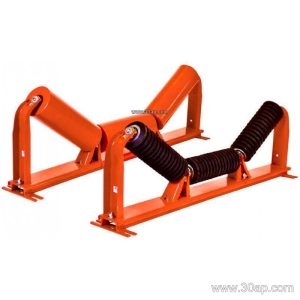
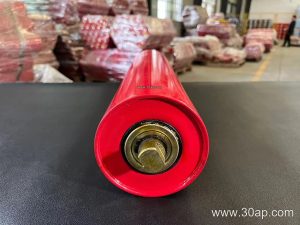
The core of a self-cleaning idler is similar to a standard idler roller: a steel tube shell, bearing housings, a shaft, and seals. The difference lies in the shell. Common surface forms include spiral or helical ribs, raised rubber discs, and segmented rings that create gaps. These features interrupt the continuous surface where clay or damp fines would adhere. Some designs use a rubber-covered shell with a pronounced profile, while others use a steel spiral welded to the tube. Bearing protection matters as much as the shell shape, because dust ingress shortens service life. Seals are usually a multi-labyrinth type, and the bearing size is selected according to load and speed rather than matched to one specific roller diameter.
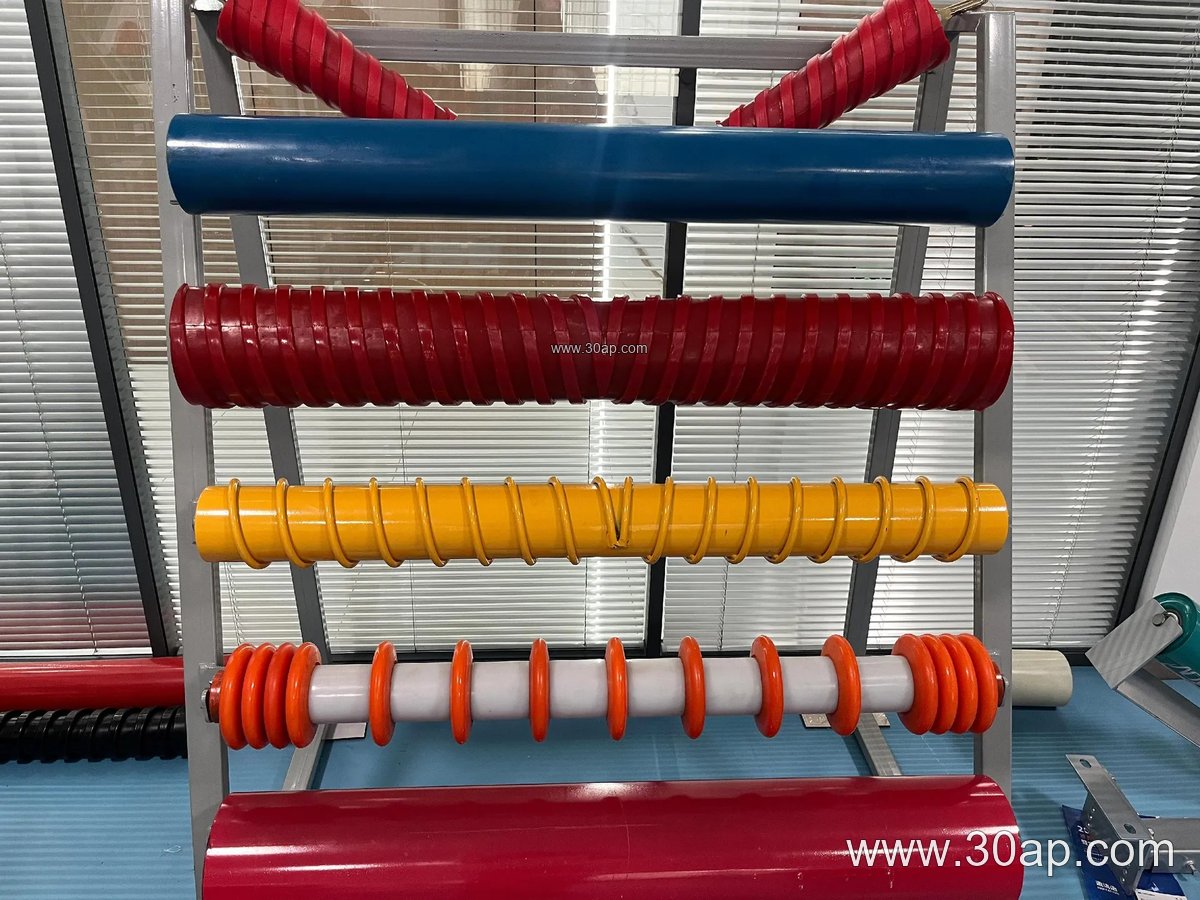
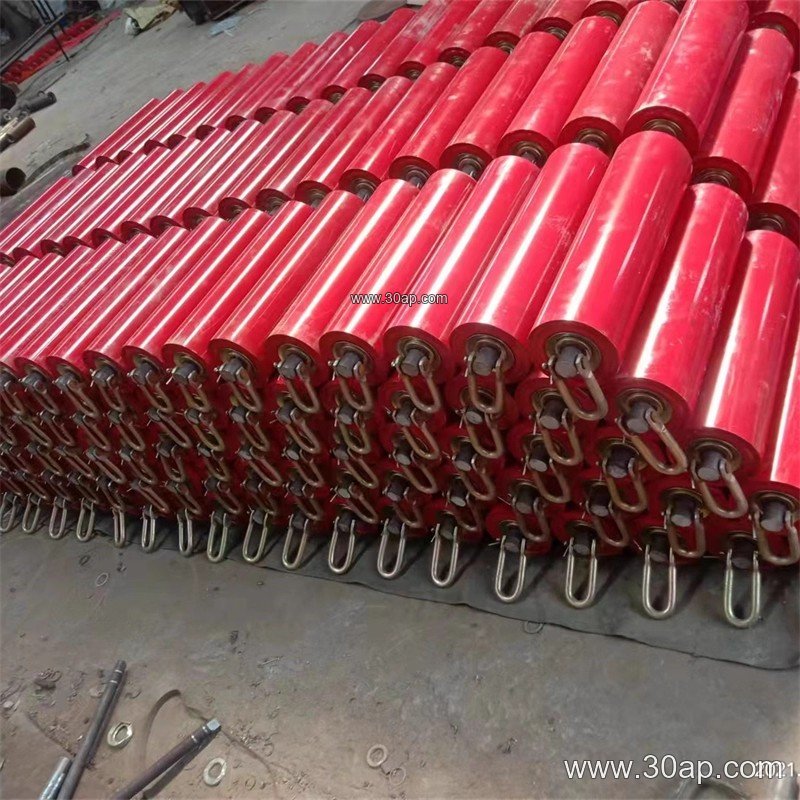
The table below lists common reference dimensions for self-cleaning idlers. Values are typical ranges, not fixed combinations, and final dimensions are determined by conveyor design.
| Parameter | Common Reference Values |
|---|---|
| Roller diameter | Ø89, Ø102, Ø108, Ø127, Ø133, Ø159 mm |
| Belt width | B500, B650, B800, B1000, B1200, B1400 mm |
| Shell surface | Spiral steel, rubber disc, segmented ring |
| Bearing | 6205, 6305, 6306, 6308 |
| Trough angle | 20°, 30°, 35° |
Where Self-Cleaning Idlers Fit on the Conveyor
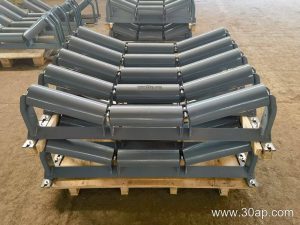
These idlers are most often placed on the carrying side in the transition zone after the feed point, and on the return side where sticky material drops from the belt. In a sand and gravel line, a self-cleaning idler under the crusher discharge helps prevent fines from wrapping the roller. In a cement plant, they are used on clinker and raw meal conveyors where dust combines with moisture. They can also serve as return idlers on a conveyor belt carrying damp ore in a copper or iron ore operation. The self-cleaning action reduces the need for manual scraping and lowers the risk of belt misalignment caused by a built-up roller.
Selection Points for Buyers
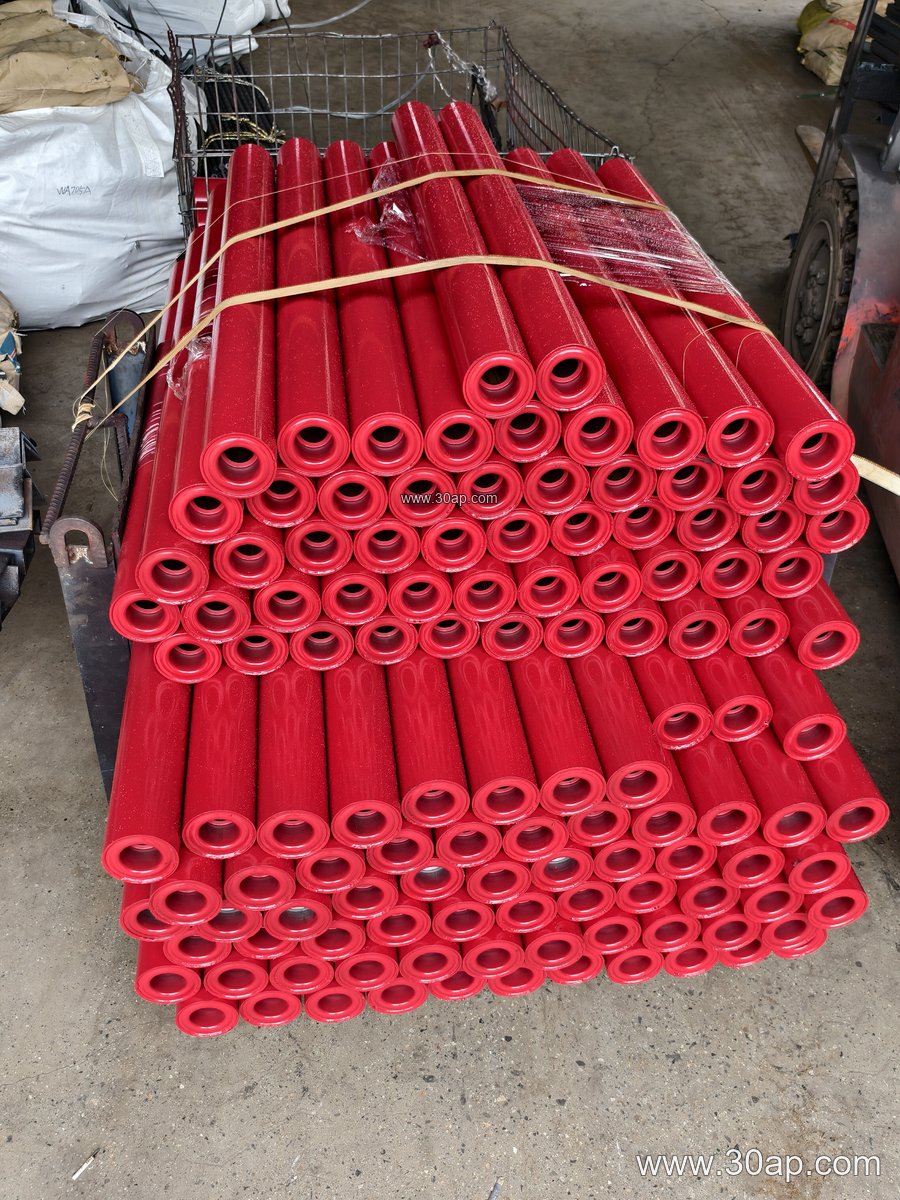
Start with the material characteristics: stickiness, moisture content, and particle size. A spiral steel shell works well for damp fines, while a rubber disc design may suit larger lumps that would damage a thin spiral. Check the belt width and trough angle to confirm the idler length and mounting dimensions. The roller diameter should be chosen for the belt speed and load; a larger diameter generally runs cooler and lasts longer under heavy abrasive conditions. Bearing selection should follow the load calculation, not a fixed rule based on belt width. Also confirm that the idler frame matches the existing conveyor bracket and that the shaft ends fit the mounting slots. For conveyors using a heavy-duty mining conveyor belt or an abrasion resistant conveyor belt, the idler shell should be thick enough to resist wear from the belt edge.
Maintenance and Compatibility
Inspect self-cleaning idlers at the same interval as other rollers. Check for loose discs, worn spiral edges, and seal leakage. A roller that no longer sheds material may have a worn surface profile rather than a bearing fault. Keep the conveyor belt tension correct, because slack belts press harder on idlers and increase buildup. When replacing a standard idler with a self-cleaning type, verify that the new roller diameter and shaft size match the original mounting. The self-cleaning idler is not a substitute for a bend pulley or a drive pulley; those components handle belt direction and power transmission, while the idler supports the belt. A tail pulley and a self-cleaning idler serve different functions and should not be interchanged. For more information on conveyor components, visit www.example.com/self-cleaning-idler or www.example.com/conveyor-idler.
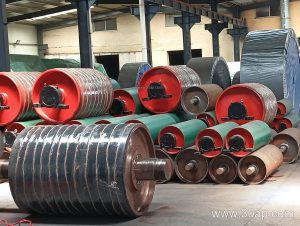
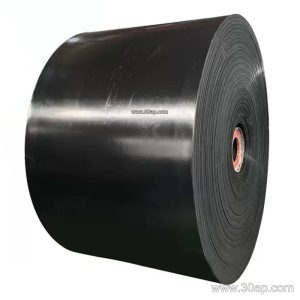
Related equipment such as the conveyor pulley, conveyor bracket, and conveyor belt should be reviewed together when specifying a self-cleaning idler. In a coal mining conveyor belt system, flame retardant conveyor belt and fire resistant conveyor belt grades are often required, and the idler specification should follow the same safety level. For high temperature zones, a heat resistant conveyor belt may be paired with idlers that use heat-tolerant seals and grease. The self-cleaning idler remains a support component, and its performance depends on correct alignment with the belt and the overall conveyor design.