What a Large-Diameter Pulley Is
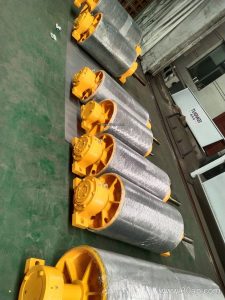
A large-diameter pulley is a conveyor pulley with a drum diameter substantially above the typical range for a given belt width. In heavy-duty conveyor systems, this usually means diameters from Ø800 up to Ø1800 or more. It is not a separate category of drive, tail, or bend pulley; rather, the term describes a size class. A large-diameter drive pulley at the head end, for example, can handle higher torque and reduce belt bending stress. Similarly, a large-diameter bend pulley may be used to increase wrap angle or accommodate thick, stiff belts. The key point is that drive, tail, and bend pulleys remain distinct functional types, and a large-diameter pulley can serve any of these roles where the application demands it.
Construction and Surface Options
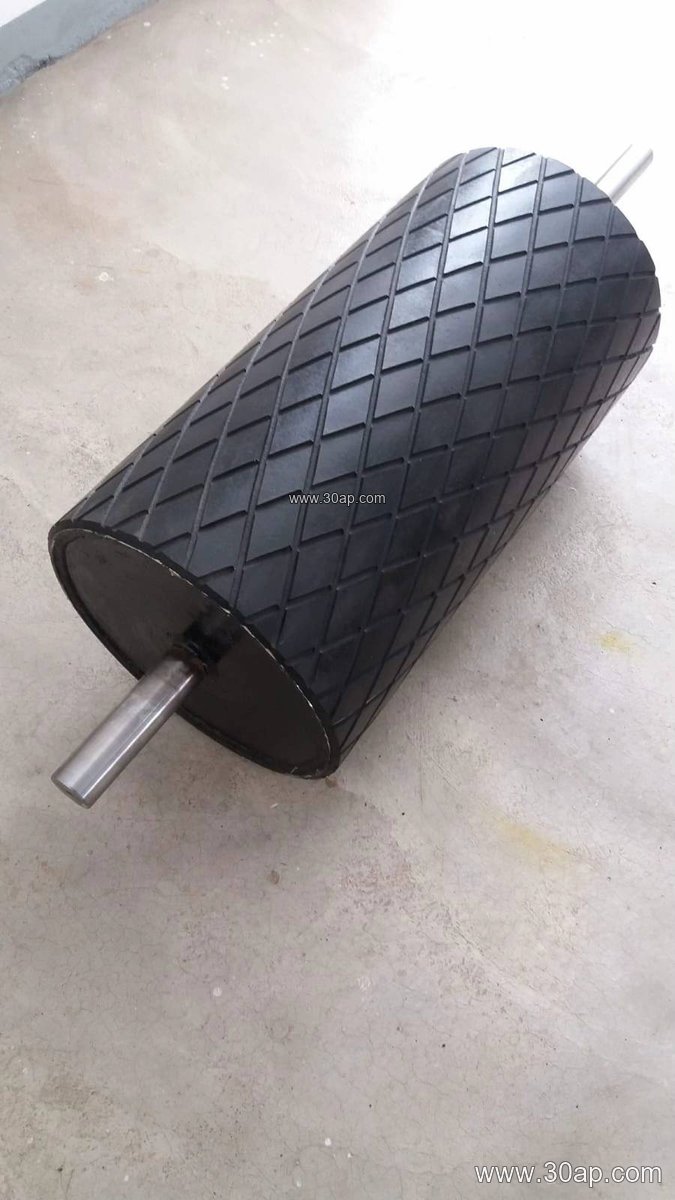
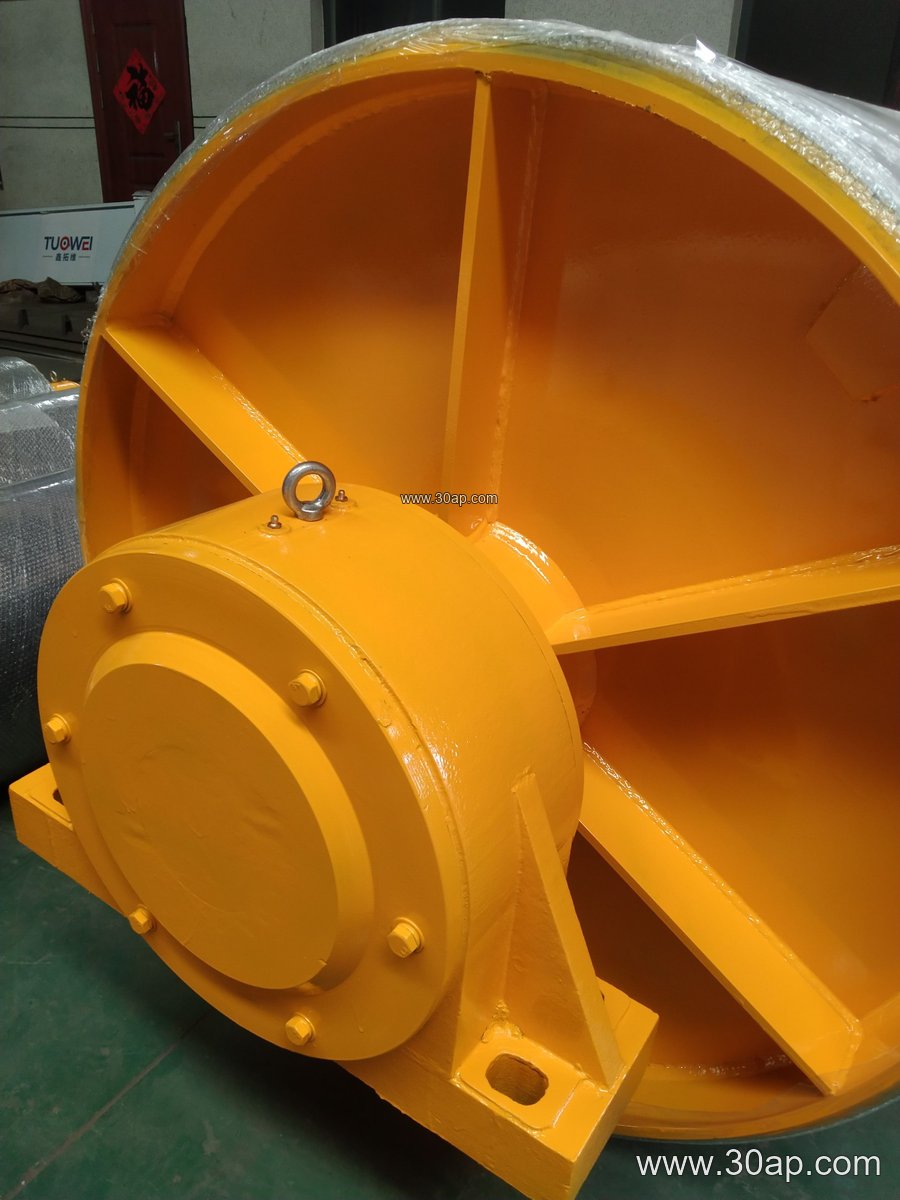
These pulleys are built around a robust steel drum with welded end discs and a shaft sized by torque and load, not by belt width alone. Common shaft diameters range from Ø50 to Ø200 mm, with larger shafts for higher tension. The pulley face width typically exceeds the belt width to allow for belt tracking; for example, a B1200 belt often runs on a pulley face of about 1400 mm, and a B1800 belt on about 2000 mm. Surface finishes include plain steel, cast rubber, cold-bonded rubber, hot-vulcanized rubber, diamond grooving, chevron grooving, and ceramic lagging. Lagging thickness is commonly 8, 10, 12, 15, or 20 mm. The choice depends on grip requirements and material carried. In a quarry or aggregate line, diamond rubber lagging is often used to shed fines, while a ceramic lagging may suit a high-torque drive pulley in a coal mining conveyor.
Where It Fits in the System
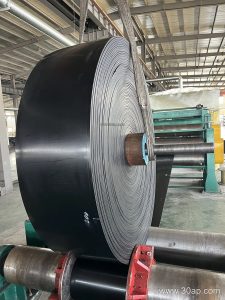
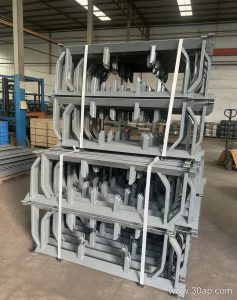
Large-diameter pulleys appear in mines, cement plants, power stations, ports, and steel works. In an underground coal mining conveyor, a large-diameter tail pulley can reduce material buildup and improve belt tracking. At a power plant coal handling facility, a large-diameter bend pulley may help route a thick, heavy-duty conveyor belt around a transfer point. They are also used with a pipe conveyor belt or a corrugated sidewall conveyor belt where the belt is stiff and requires a gentler bend radius. The pulley works together with the conveyor belt, idler roller, and conveyor bracket; a mismatch in diameter or lagging can affect belt life and tracking.
Matching Diameter to Belt and Duty
There is no universal rule that one belt width matches one pulley diameter. A B800 belt might run on a Ø500 pulley in a light duty, but a heavy-duty mining conveyor belt with high tension could require a Ø800 or larger pulley. For reference, common combinations include B800 × Ø500, B1200 × Ø1000, and B1400 × Ø800, but these are examples, not fixed pairs. The pulley diameter should be selected based on belt thickness, cord type, minimum bend radius, and the torque to be transmitted. For instance, a steel cord conveyor belt such as ST1600 or ST2000 typically needs a larger pulley diameter than an EP conveyor belt of the same width. A fabric core conveyor belt like EP1000 or NN300 may work with a smaller diameter, but the design must still consider the actual load. Buyers should provide belt type, belt width, and operating tension to the pulley manufacturer.
Buyer Checklist
- Define the pulley role: drive, tail, bend, take-up, or snub. Each has different load and wrap requirements.
- Specify belt data: type (e.g., EP conveyor belt, steel cord conveyor belt, flame retardant conveyor belt), width, and tension rating.
- Choose lagging: plain, rubber, diamond, chevron, or ceramic, with thickness 8–20 mm as needed.
- Confirm shaft and bearing size: based on torque and radial load, not belt width alone.
- Check face width: typically 100–200 mm wider than the belt, e.g., B1000 belt on a 1150 mm face.
- Consider environment: heat resistant, oil resistant, or abrasion resistant conveyor belts may require specific lagging and pulley design.
For more information on conveyor pulleys and related components, visit our site at https://www.example.com/conveyor-pulley and https://www.example.com/large-diameter-pulley. A well-matched large-diameter pulley helps extend belt life and keep your conveyor running smoothly.