What a Conveyor Rubber Lagged Pulley Does
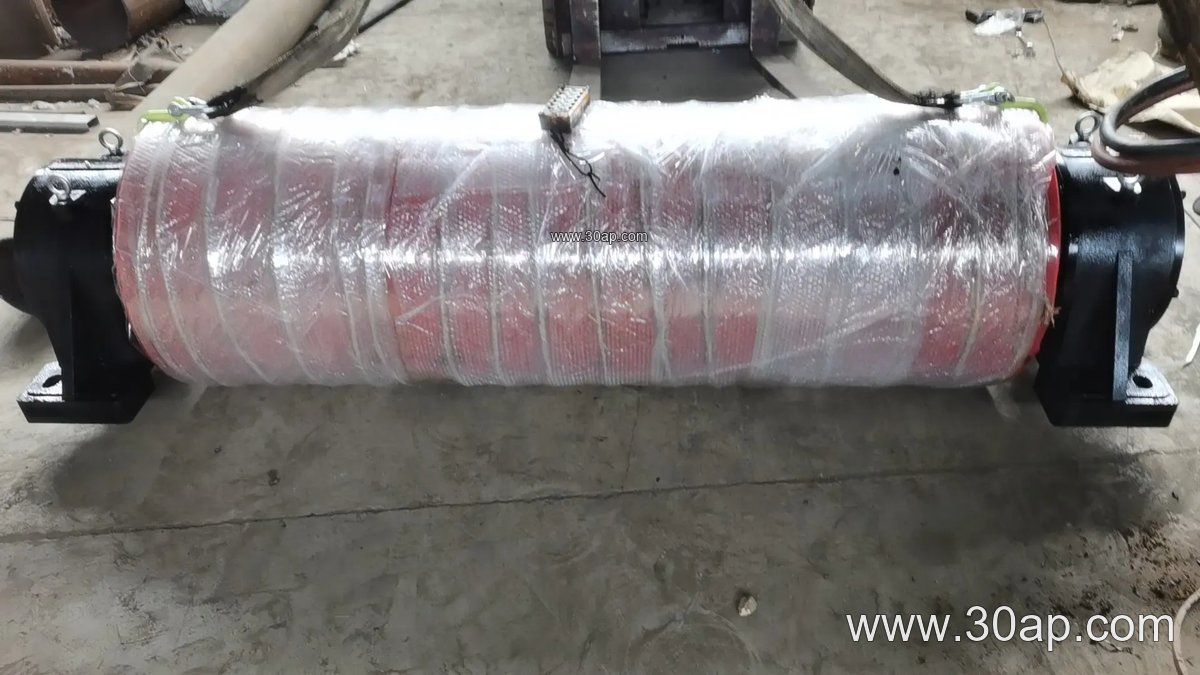
A conveyor rubber lagged pulley is a conveyor pulley whose shell is covered with a rubber layer to improve grip between the drum surface and the conveyor belt. In a belt conveyor system, the pulley transfers motion and tension, while the rubber lagging raises friction, protects the shell from wear, and helps shed fine material in dusty plants. Users often call this part a lagged drum, rubber-covered pulley, or rubber lagging pulley, but it remains the same product: a pulley with a rubber surface layer.
Lagging matters most where the belt must not slip. On a drive pulley, friction between shell and belt carries the torque needed to move the loaded belt. On a tail or bend pulley, the rubber layer can reduce wear and improve tracking. The surface also cushions the belt slightly and limits the polishing that bare steel shells sometimes develop in abrasive service.
How the Rubber Layer Is Built
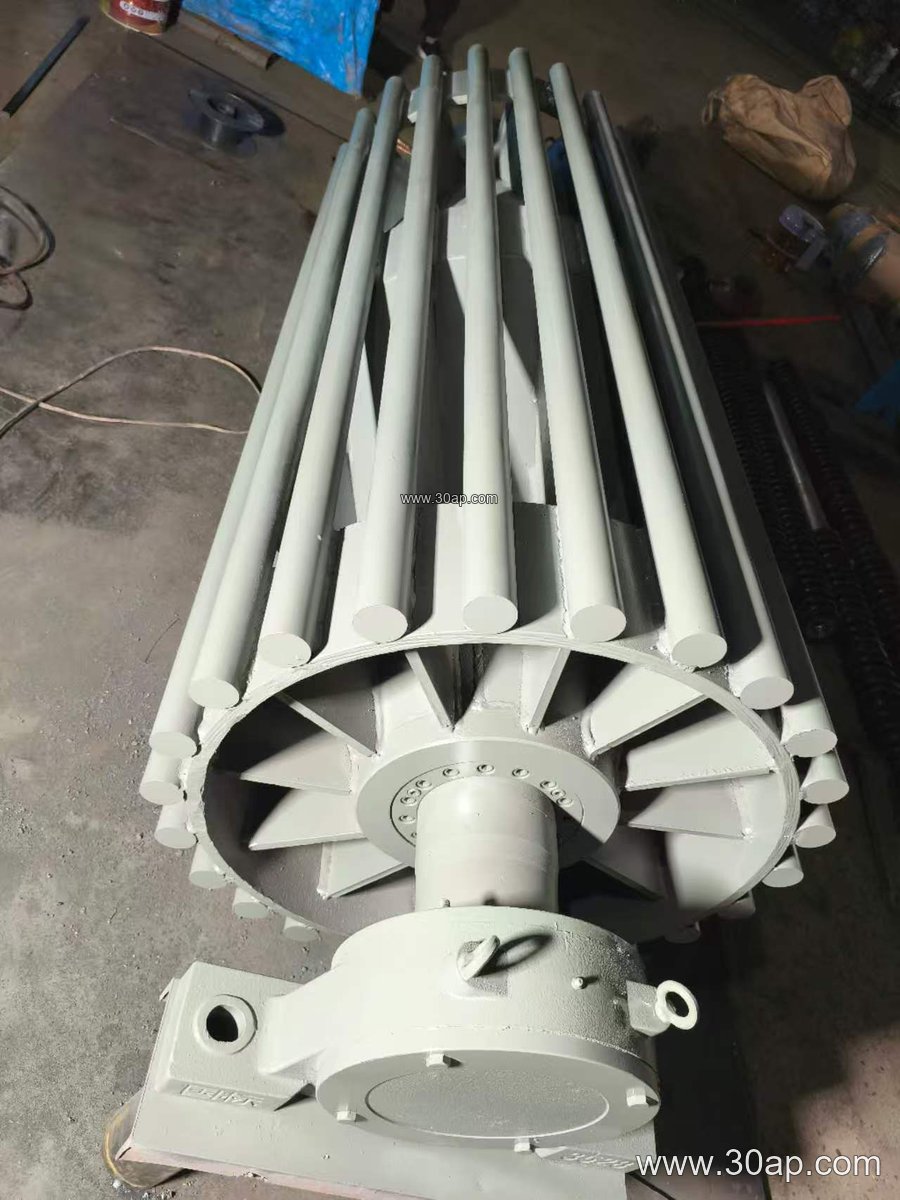
Most rubber lagged pulleys start as a welded steel shell with shaft, hubs, and end discs. The rubber is then applied in one of several ways. Cold-bonded rubber is glued on in sheets or strips, which suits many general duties. Hot-vulcanized rubber is cured onto the shell under heat and pressure, giving a strong bond for heavy loads. Cast rubber lagging is molded directly onto the drum. Diamond and herringbone patterns are common surface forms, while plain sheet lagging is chosen where a simple flat cover is enough.
Lagging thickness is usually selected from a range such as 8, 10, 12, 15, or 20 mm, depending on belt tension, pulley diameter, and wear conditions. Grooved patterns help water and fines escape from the contact area, which is useful in wet or muddy service. A smooth cover is easier to clean and may suit certain food or light bulk duties.
Matching Bandwidth and Pulley Diameter
Buyers often ask how belt width relates to pulley size. The pulley face width is normally wider than the belt so the belt stays supported across its full width. For example, a B800 belt commonly runs on a pulley with a face around 950 mm, while a B1200 belt may use a face near 1400 mm. Diameter is a separate decision: B800 × Ø500 and B1200 × Ø1000 are both plausible combinations, but no single belt width fixes one diameter. Diameter depends on belt tension, wrap angle, shaft load, and the space available in the conveyor frame.
Shaft diameter is determined from torque and bearing loads, not from belt width alone. Common shaft sizes include Ø80, Ø100, Ø120, Ø140, and Ø160, but the final value should come from the pulley design calculation. Where a conveyor bracket or conveyor bracket assembly is being planned, confirm the bearing housing dimensions and the distance between bearing centers before ordering.
Drive, Tail and Bend Positions
Position changes what the pulley must do. A drive pulley, also called the head pulley when it sits at the discharge end, needs high friction and is often supplied with diamond grooved lagging. A tail pulley at the loading end may use plain or lightly grooved rubber to resist abrasion from spillage. A bend pulley changes belt direction and may carry less torque, so a thinner cover can be adequate. These are different positions, not interchangeable names, and each should be specified by its role in the conveyor.
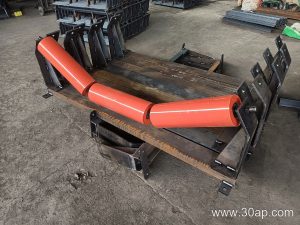
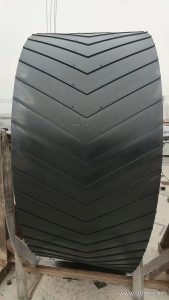
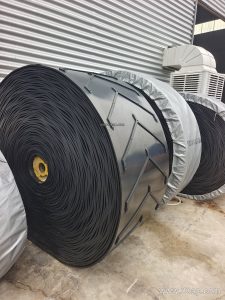
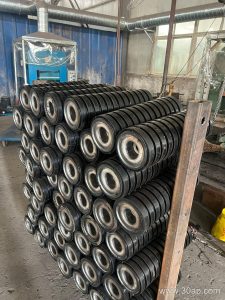
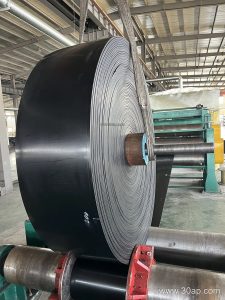
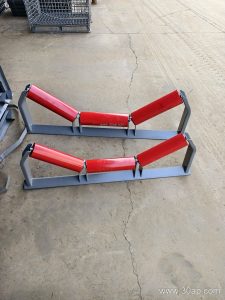
For comparison, a snub pulley is sometimes added to increase wrap angle on the drive pulley; it is a different function from the main drive drum. Idler rollers support the belt along the carry and return runs, while the lagged pulley handles traction and direction changes. Both work with the conveyor belt as one system, so belt type and pulley surface should be reviewed together.
Where Lagged Pulleys Are Used
Rubber lagged pulleys appear in many bulk handling plants. In a limestone quarry or aggregate crushing line, they drive the main field conveyor and the crusher discharge belt. In a coal preparation plant, flame retardant conveyor belt and anti-static conveyor belt are common, and the pulley lagging should be selected with fire safety in mind. Cement plants use them on clinker and raw material belts, while power plant coal yards rely on them for reliable traction in dusty conditions.
Port bulk terminals and ship loading conveyors use large pulleys with wide faces, often in the B1400 to B1800 range. Steel plants and sinter lines may combine heat resistant conveyor belt with a pulley cover that can tolerate warm fines. In every case, the rubber lagged pulley should match the belt construction, whether that is EP conveyor belt, NN conveyor belt, or steel cord conveyor belt.
Buyer Checklist
- Confirm the pulley position: drive, tail, bend, take-up, or snub.
- State belt width and required face width, for example B650 with about 750 mm face.
- Provide belt tension and torque so the shaft and diameter can be calculated.
- Choose lagging thickness and pattern for the duty, such as 10 mm diamond or 15 mm plain rubber.
- Check bearing size, bracket fit, and shaft diameter before manufacture.
- Review the conveyor belt specification, including abrasion, heat, oil, or flame requirements.
For more information on related conveyor components, visit www.beltconveyorparts.com for conveyor pulley, idler roller, and conveyor bracket references. A well-specified rubber lagged pulley reduces belt slip, extends shell life, and keeps the conveyor running smoothly in demanding industrial service.