What a Conveyor Self-Aligning Idler Does
A conveyor self-aligning idler is a training idler that keeps the belt centered on the conveyor structure. When a belt drifts toward one side, the idler frame pivots slightly and the angled rollers steer the belt back toward the middle. This correcting action happens continuously, so the belt does not need an operator to nudge it back into line. In a quarry, a coal preparation plant, or a cement plant, that steady correction reduces edge damage and spillage along the whole line.
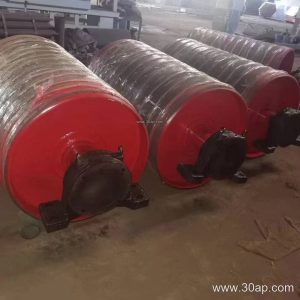
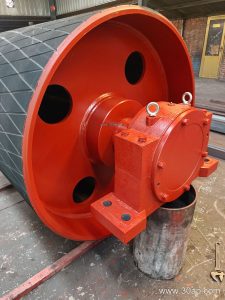
The same product is often called a self-training idler or a belt training idler. These names describe the same component; they are not separate products. The idler should not be confused with a conveyor pulley at the head or tail of the machine, nor with a bend pulley that changes belt direction. Each of those parts has its own job.
How the Idler Is Built
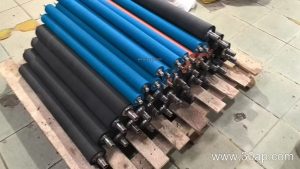
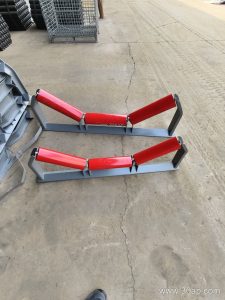
A typical unit is a two-roll or three-roll assembly mounted on a pivoting frame. The frame sits on a base that bolts to the conveyor bracket or stringer. A vertical pivot lets the assembly swing when the belt presses harder on one side. The rollers themselves are often steel tube, and the surface may be plain steel, nylon, or rubber-covered depending on the duty.
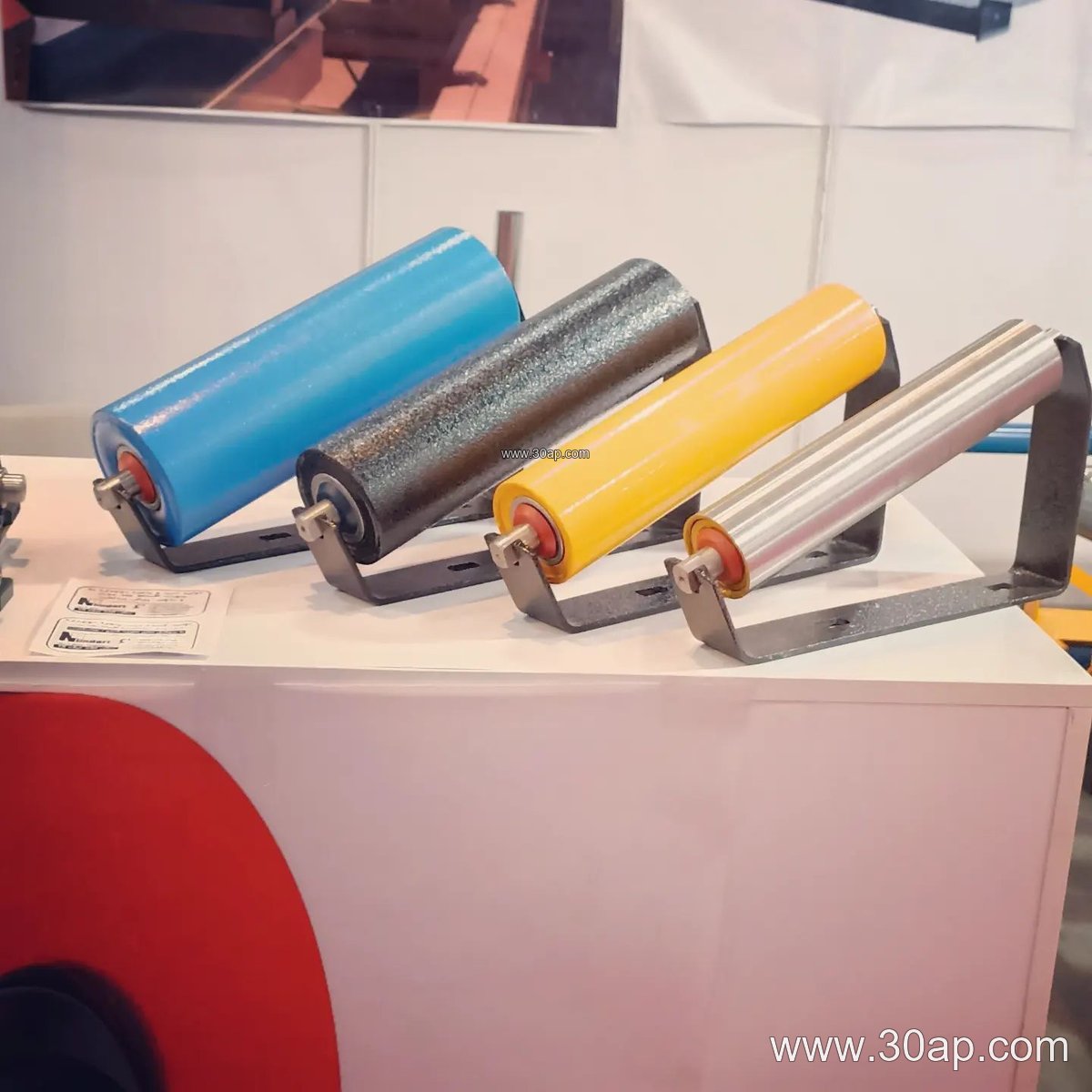
- Roller shell: steel tube, sometimes with a rubber ring for grip in wet or dusty conditions
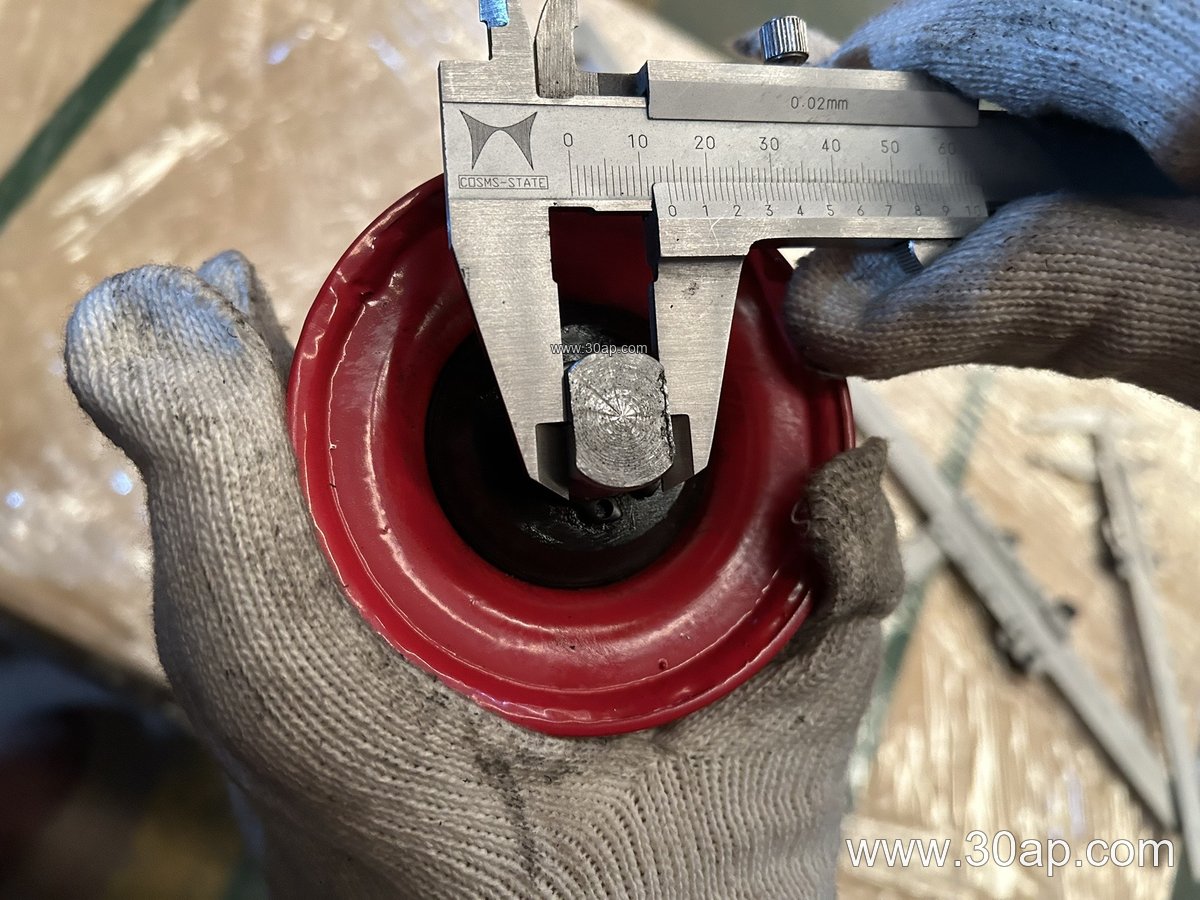
- Bearing: common sizes include 6205, 6305, and 6306, matched to the shaft and load by the maker
- Seal: labyrinth or contact seal to keep out dust and water
- Frame: welded steel with a pivot and stop, bolted to the conveyor bracket
Some designs use tapered rollers set at an angle, which is why the unit is also described as a conical self-aligning idler. The tapered shape increases the correcting force when the belt touches one side.
Where It Fits on the Conveyor
Training idlers are usually placed on the carrying side, spaced along the run where tracking problems are likely, such as after a load point or before a transfer. On long overland lines they may also appear on the return side. They are not a substitute for a troughed carrying idler set in normal support duty, and they are not a replacement for a drive pulley or tail pulley. In a coal mining conveyor or an ore conveyor, a few well-placed training idlers often do more for belt life than a large number of fixed rollers.
The belt itself matters too. A heavy, stiff belt such as a steel cord conveyor belt responds differently from a lighter EP conveyor belt or NN conveyor belt. A misaligned splice or an unevenly loaded belt will still drift, and no idler can fully correct a badly installed belt.
Common Sizes and Configurations
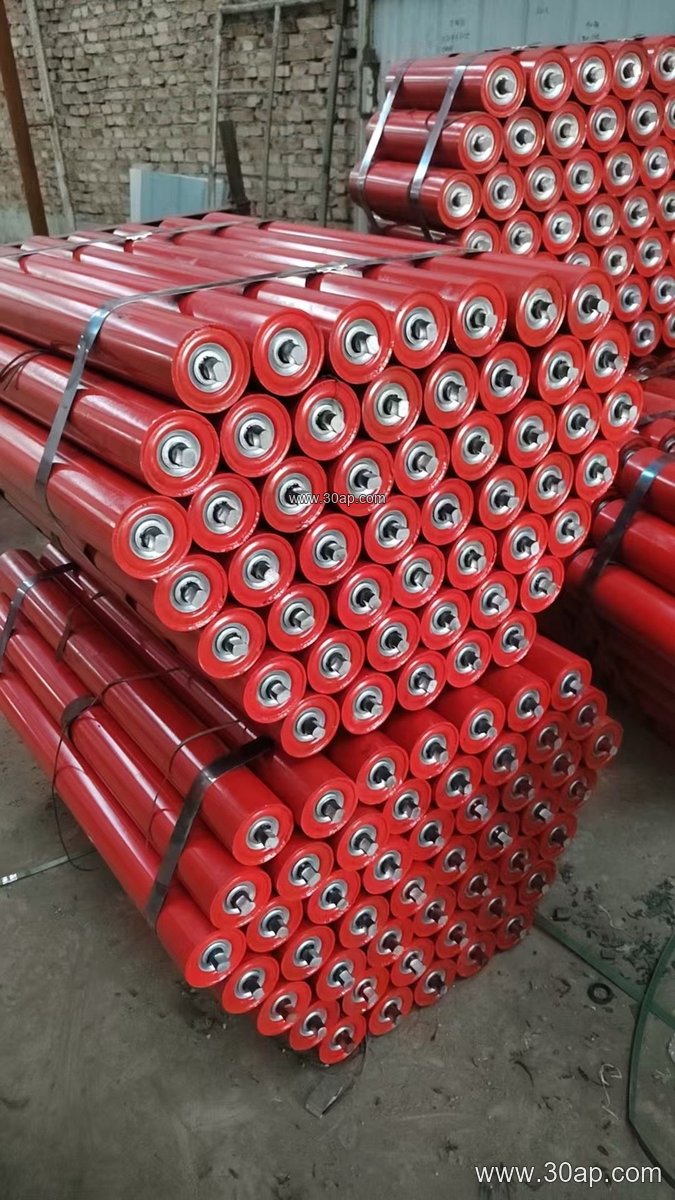
Roller diameter and belt width are selected together with the conveyor design. The values below are common examples, not fixed rules, and the final choice belongs to the conveyor designer.
| Item | Common examples |
|---|---|
| Roller diameter | Ø89, Ø102, Ø108, Ø127, Ø133, Ø159 mm |
| Belt width | B500, B650, B800, B1000, B1200, B1400, B1600 mm |
| Trough angle | 20°, 30°, 35°, 45° |
| Roller length, three-roll set | about 250 mm at B650, 315 mm at B800, 380 mm at B1000, 465 mm at B1200, 530 mm at B1400 |
| Bearing | 6204, 6205, 6305, 6306, 6308 |
Side rollers and center rollers can differ in length, so the figures above are only a starting point. A wide belt on a high-tonnage line may use a larger diameter and a heavier frame than a short transfer conveyor.
Buyer Checklist
Before ordering, confirm the belt width, the trough angle, the mounting hole pattern, and the space available for the pivot. Ask how the seal handles dust, because a failed bearing is the usual reason a training idler stops correcting. Check that the roller surface suits the material: a rubber ring helps in wet conditions, while a plain steel roller is easier to clean. For hot service, consider how the idler sits relative to a heat resistant conveyor belt and keep enough clearance. On food or clean lines, a smooth, easy-to-wash surface is preferred.
Finally, match the idler to the belt type and load. A chevron conveyor belt or a corrugated sidewall belt has a raised profile that can contact the idler differently, and a pipe conveyor belt needs its own support arrangement. Used correctly, a conveyor self-aligning idler is a low-cost way to protect belt edges and keep material moving at mines, power plants, and aggregate operations.