What a Cement Conveyor Belt Has to Handle
A cement conveyor belt is the load-carrying element on a conveyor system that moves clinker, limestone, gypsum, cement powder, and other bulk materials through a cement plant. The duty is rarely gentle. Material may arrive hot from the kiln, abrasive from the crusher, or fine and dusty from the packing area, and the belt usually runs for long shifts in a dusty, alkaline environment. That combination makes belt construction, cover compound, and carcass strength the first things a buyer should examine.
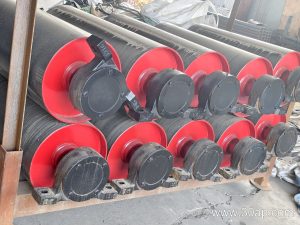
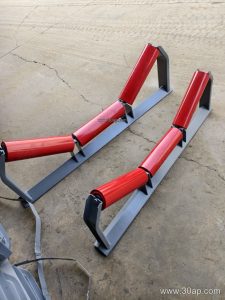
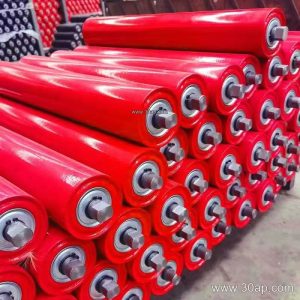
The same product is often called a cement plant conveyor belt, and the two names describe the same belt rather than different categories. In many installations it is a heavy-duty conveyor belt built around a fabric or steel cord carcass, running over idler rollers and driven by a conveyor pulley at the head end.
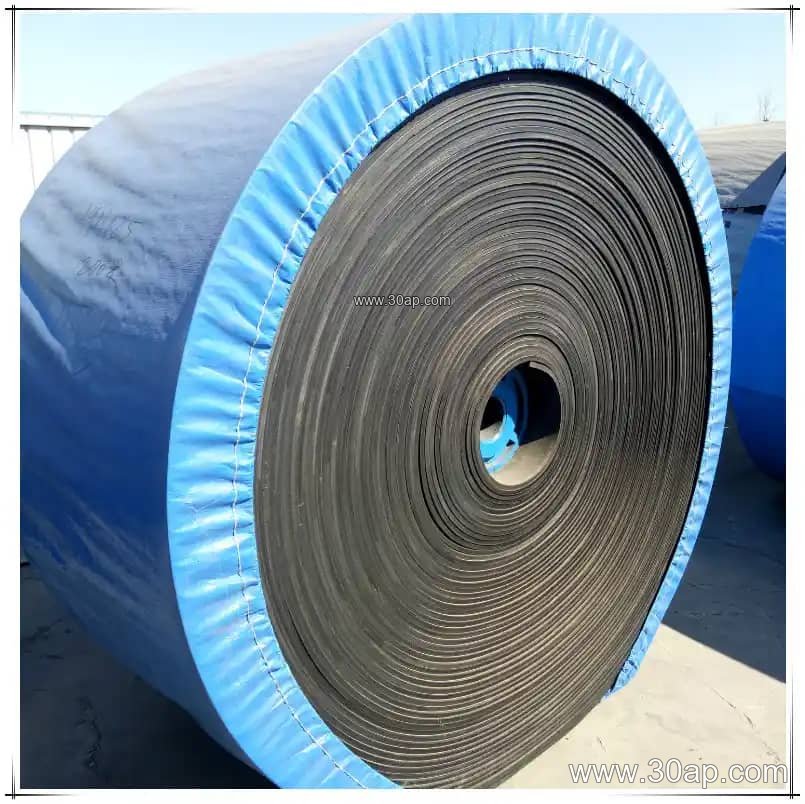
Construction and Carcass Choices
Most cement conveyor belts use a rubber cover on both faces and a reinforcing carcass inside. The carcass decides tensile strength and elongation, while the cover decides resistance to abrasion, heat, oil, and flames.
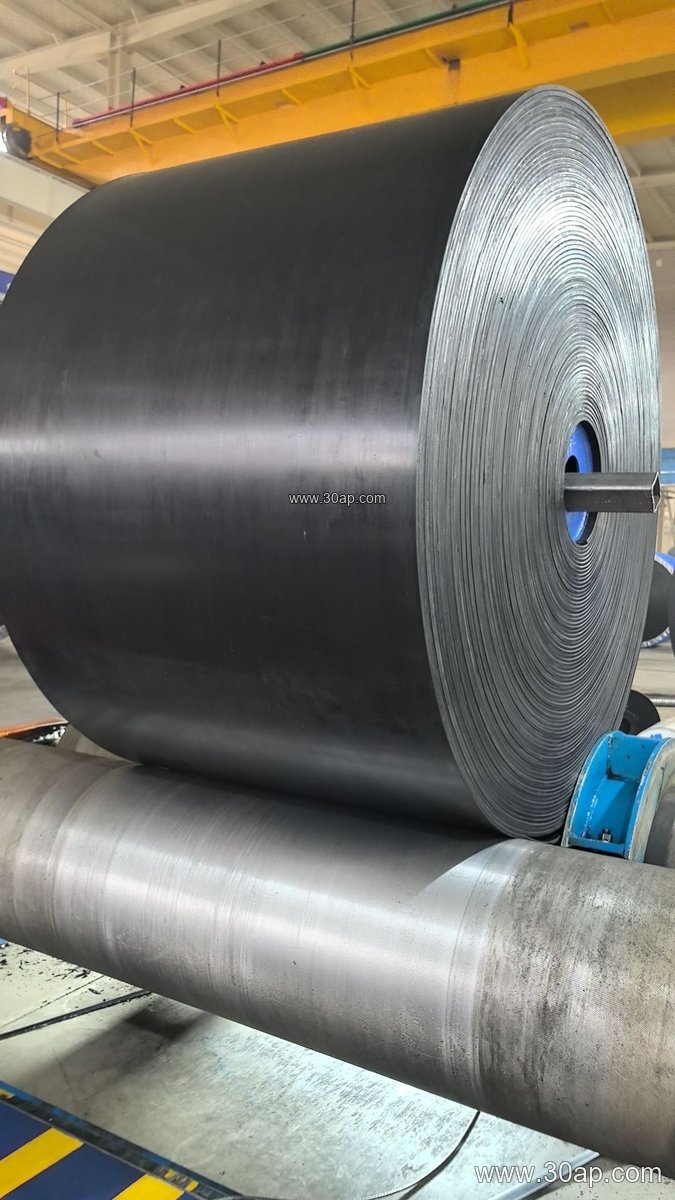
- EP conveyor belt — polyester-polyamide fabric carcass, a common general-purpose choice for clinker and limestone lines.
- NN conveyor belt — nylon-nylon fabric carcass, valued for flexibility and impact absorption at transfer points.
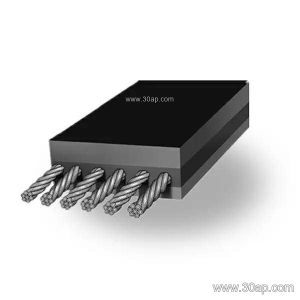
- Steel cord conveyor belt — used for long centre distances and high tonnage, where a single strong carcass is preferred over multiple fabric plies.
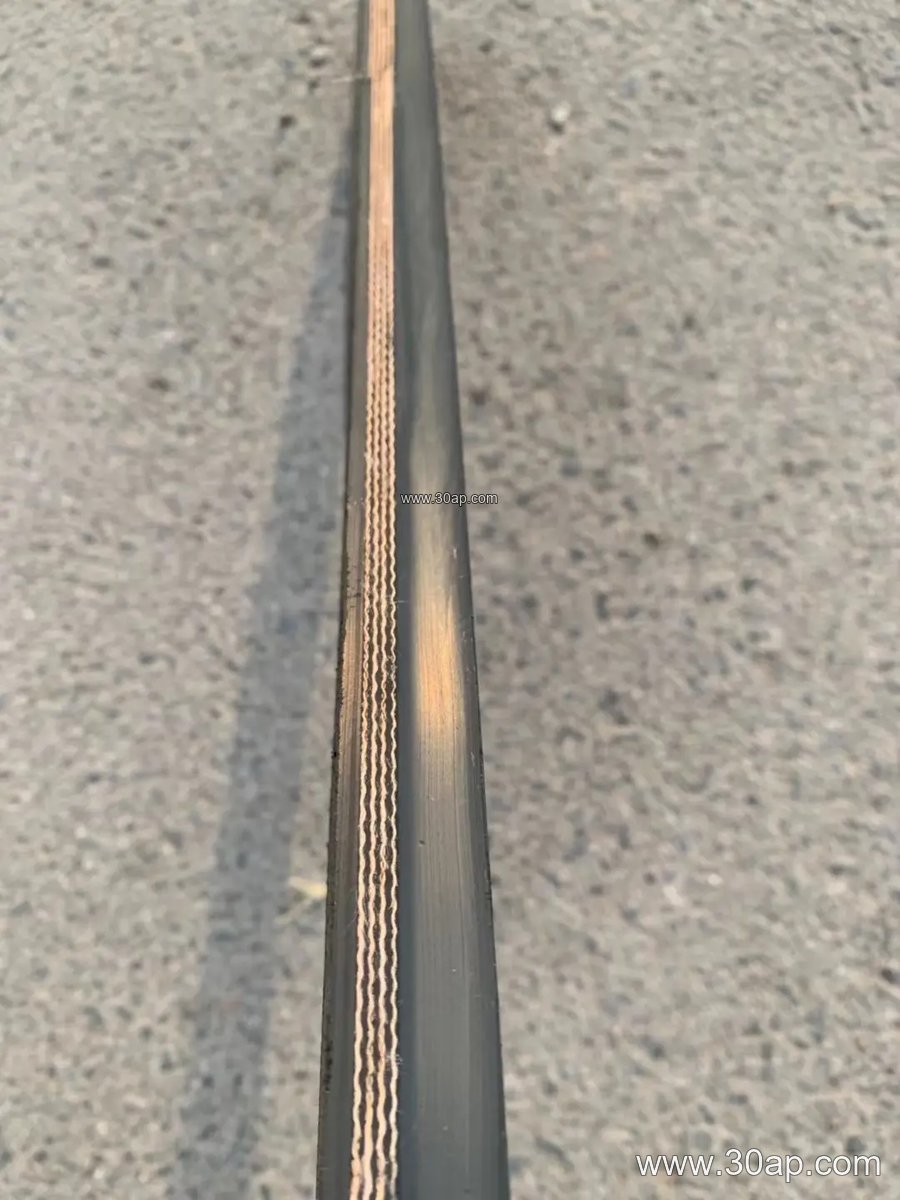
- Multi-ply fabric core conveyor belt — 2 to 6 plies are typical, selected by the required strength rather than by habit.
Cover compounds are matched to the material. An abrasion resistant conveyor belt suits limestone and clinker, a heat resistant conveyor belt handles hot clinker and kiln discharge, and an oil resistant conveyor belt is relevant where oil-bearing material or equipment leaks are present. Flame retardant and anti-static grades are often specified for enclosed galleries and coal handling areas.
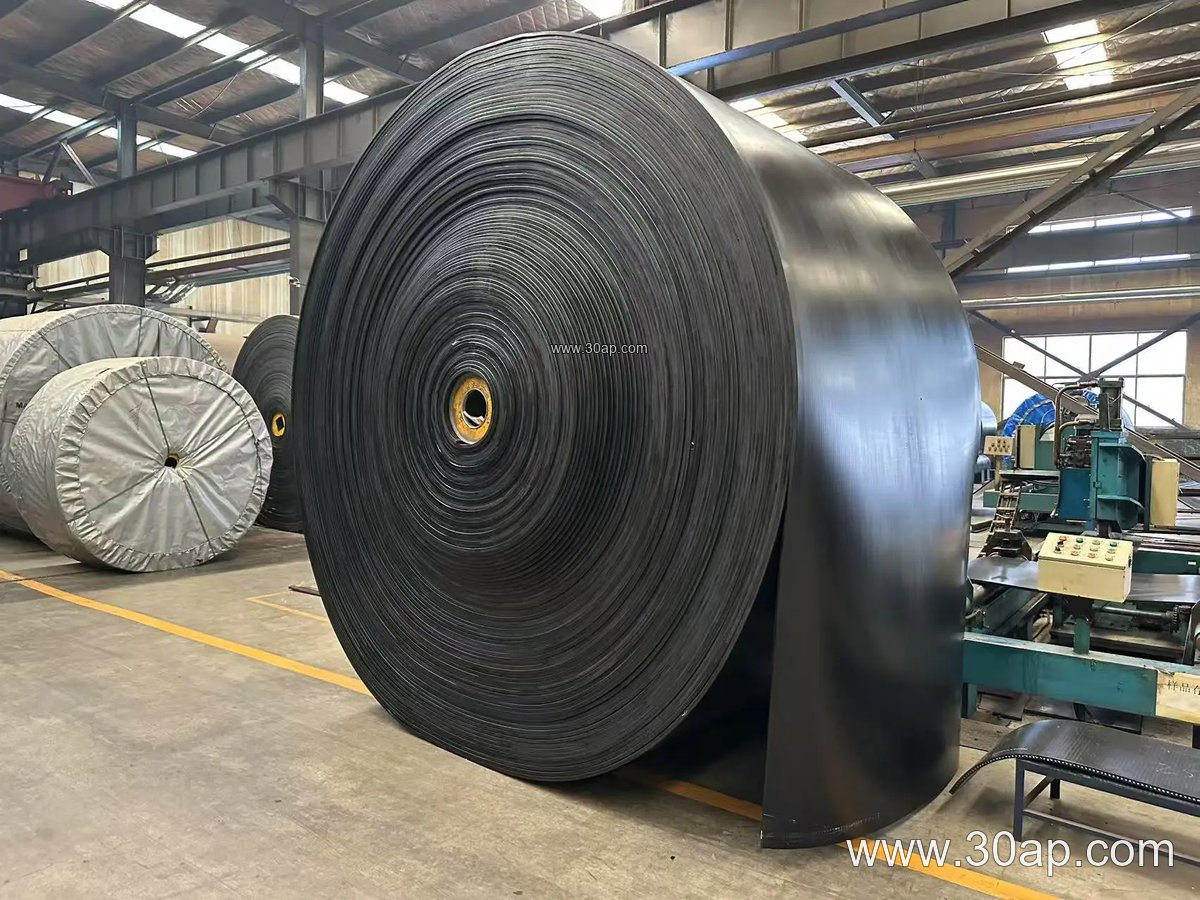
Common Strength and Size References
The figures below are reference ranges, not a fixed catalogue. Actual selection depends on the conveyor design, tonnage, incline, and environment.
Fabric carcass strength references
- EP200, EP315, EP400, EP500, EP630
- EP800, EP1000, EP1250, EP1600, EP2000
Belt width references
- B500, B650, B800, B1000, B1200
- B1400, B1600, B1800, B2000
Cover thickness references
- 3+1.5 mm, 4+2 mm, 5+2 mm for lighter duty
- 6+2 mm and 8+3 mm for abrasive, high-impact service
A belt width does not dictate one pulley diameter, and shaft size must be calculated from the actual load and drive design rather than guessed from the belt width. The drive pulley, tail pulley, and bend pulleys each have their own role and are not interchangeable, so the belt specification should be confirmed together with the pulley and idler roller selection.
Where It Runs
Cement plants are the main setting, but the same belt family appears in quarries feeding a crusher, in power plants handling limestone for flue gas treatment, and in ports and ship loading terminals moving bulk material. In a sand and gravel yard, a quarry conveyor belt may face sharper rock; in a coal yard, a flame retardant conveyor belt may be mandatory. The cement line itself often combines several belts: a crusher conveyor belt on the raw side, a heat resistant belt after the kiln, and a smaller endless conveyor belt in packing and dispatch.
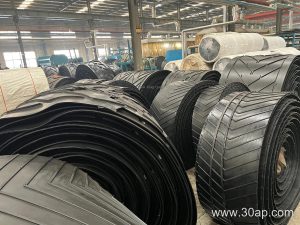
Where the route climbs steeply or material spills easily, a chevron conveyor belt or a corrugated sidewall conveyor belt can be considered. These are different subtypes with their own profiles, and they should only replace a standard belt when the incline or containment problem actually calls for it.
Buyer Checklist
- Confirm the material type, lump size, temperature, and moisture before choosing the cover compound.
- Match carcass strength to the calculated tension, not to the widest belt available.
- Check pulley diameters and idler roller spacing so the belt bends without excessive stress.
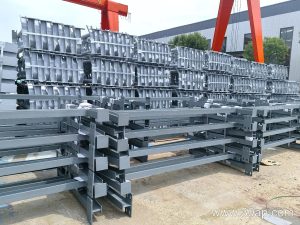
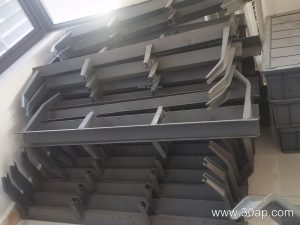
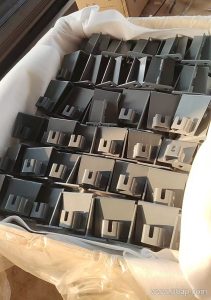
- Review the conveyor bracket and frame condition at transfer points, where impact damage starts.
- Ask for the cover thickness and ply count in writing, and keep a spare length for splice repair.
For cement industry buyers, a practical approach is to specify the belt by duty rather than by name alone. A cement conveyor belt that fits a limestone quarry may be unsuitable after the kiln, and a belt that works in a covered gallery may fail in an open yard. Matching the carcass, cover, and conveyor hardware together is what keeps the line running.