What EP200 Conveyor Belt Means in Practice
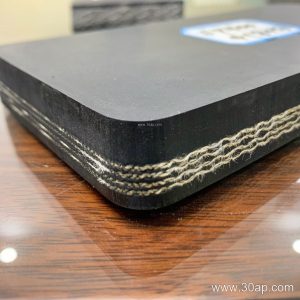
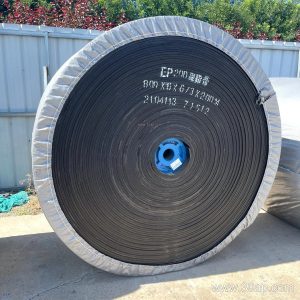
An EP200 Conveyor Belt is a fabric-core belt built around polyester (E) and nylon (P) warp and weft yarns, with the nominal breaking strength of the carcass rated at 200 N/mm per ply. It sits in the lower-middle part of the common EP range, above EP100 and EP160, and below EP315, EP400 and the heavier EP500 to EP2000 grades. Because of that position, EP200 is often chosen for medium-duty lines where the belt must carry abrasive rock, clinker or sand without the weight and cost of a Steel Cord Conveyor Belt.
The low-stretch polyester warp keeps take-up travel reasonable, while the nylon weft helps the belt absorb impact at loading points. That balance is why this EP Conveyor Belt grade appears in quarry, cement, power plant and sand and gravel circuits. For buyers, the key point is that the EP rating describes the carcass, not the cover; the rubber on top does the wear work.
Construction and Cover Options
Standard builds use 2 to 6 plies, with 3, 4 and 5 ply constructions common for EP200. Cover rubber is usually specified as top plus bottom thickness: 3+1.5 mm, 4+2 mm, 5+2 mm, 6+2 mm and 8+3 mm are typical references rather than fixed guarantees. The top cover can be graded for abrasion, heat, oil, flame, cold or anti-static duty, depending on the plant.
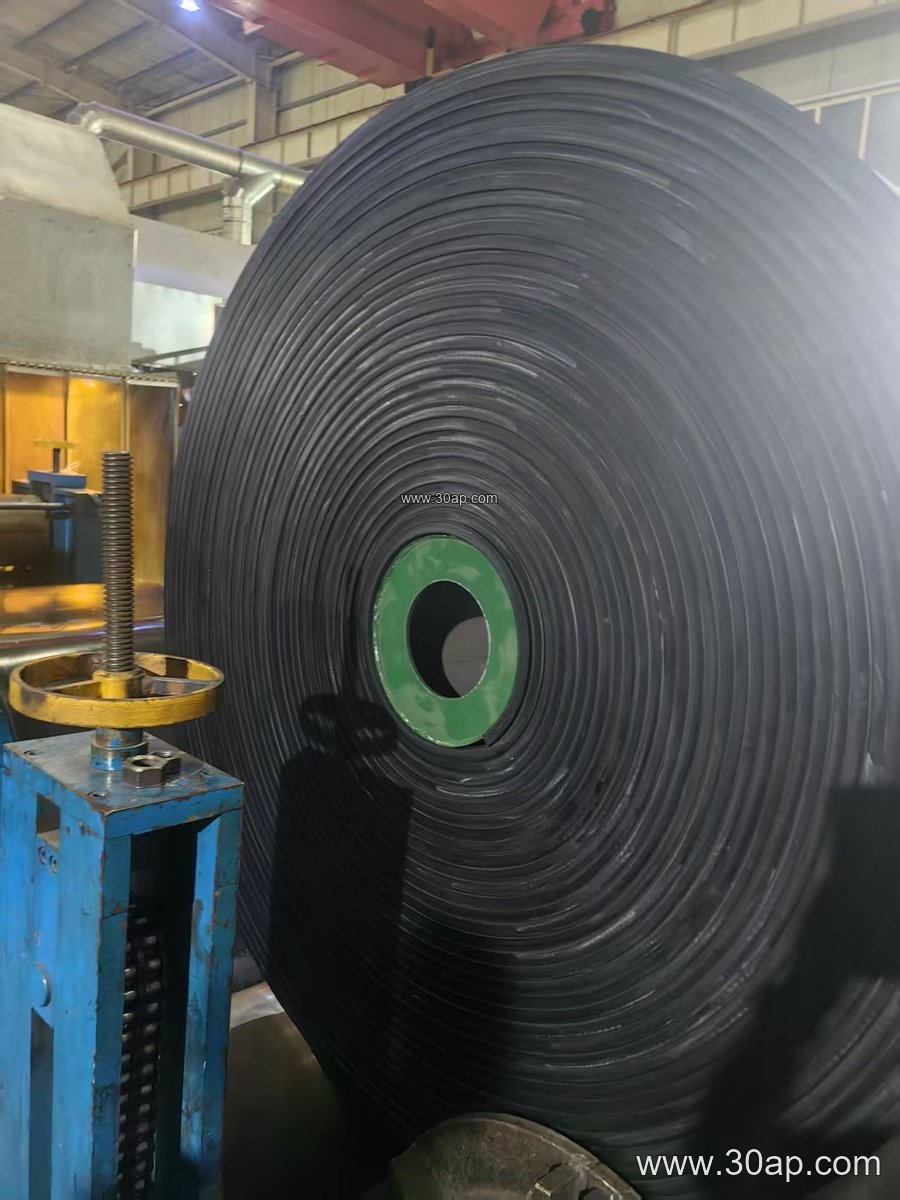
- Abrasion Resistant Conveyor Belt covers suit crusher discharge and stone handling.
- Heat Resistant Conveyor Belt covers are used after kilns and in clinker transport.
- Flame Retardant Conveyor Belt and Anti-Static Conveyor Belt builds are frequently requested for coal and underground work.
- Oil Resistant Conveyor Belt covers help where oil-soaked scrap or machinery leaks are present.
Edge condition, splice type and whether the belt is supplied as an Endless Conveyor Belt should be stated on the order, because a vulcanised endless belt behaves differently from an open-ended roll.
Where EP200 Fits on the Conveyor
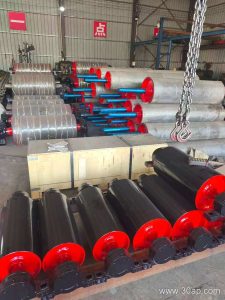
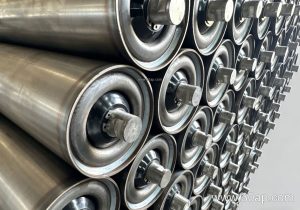
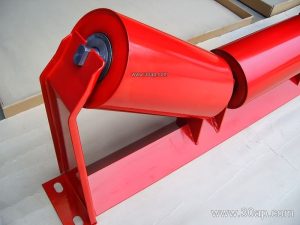
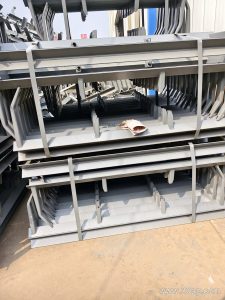
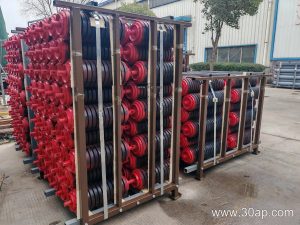
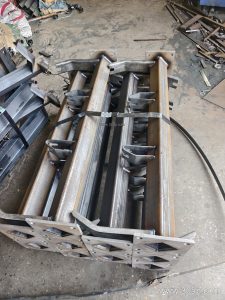
The belt is only one part of the line. It runs over a drive pulley that transmits torque, a tail pulley that returns the belt, and bend pulleys that guide it around the take-up and transfer zones. These are separate components and are not interchangeable names. An idler roller supports the loaded strand and sets the trough shape; a conveyor pulley at the head or tail handles tension and direction; conveyor brackets hold the idlers and pulleys in alignment. Misalignment at any of these points shortens belt life faster than most cover wear.
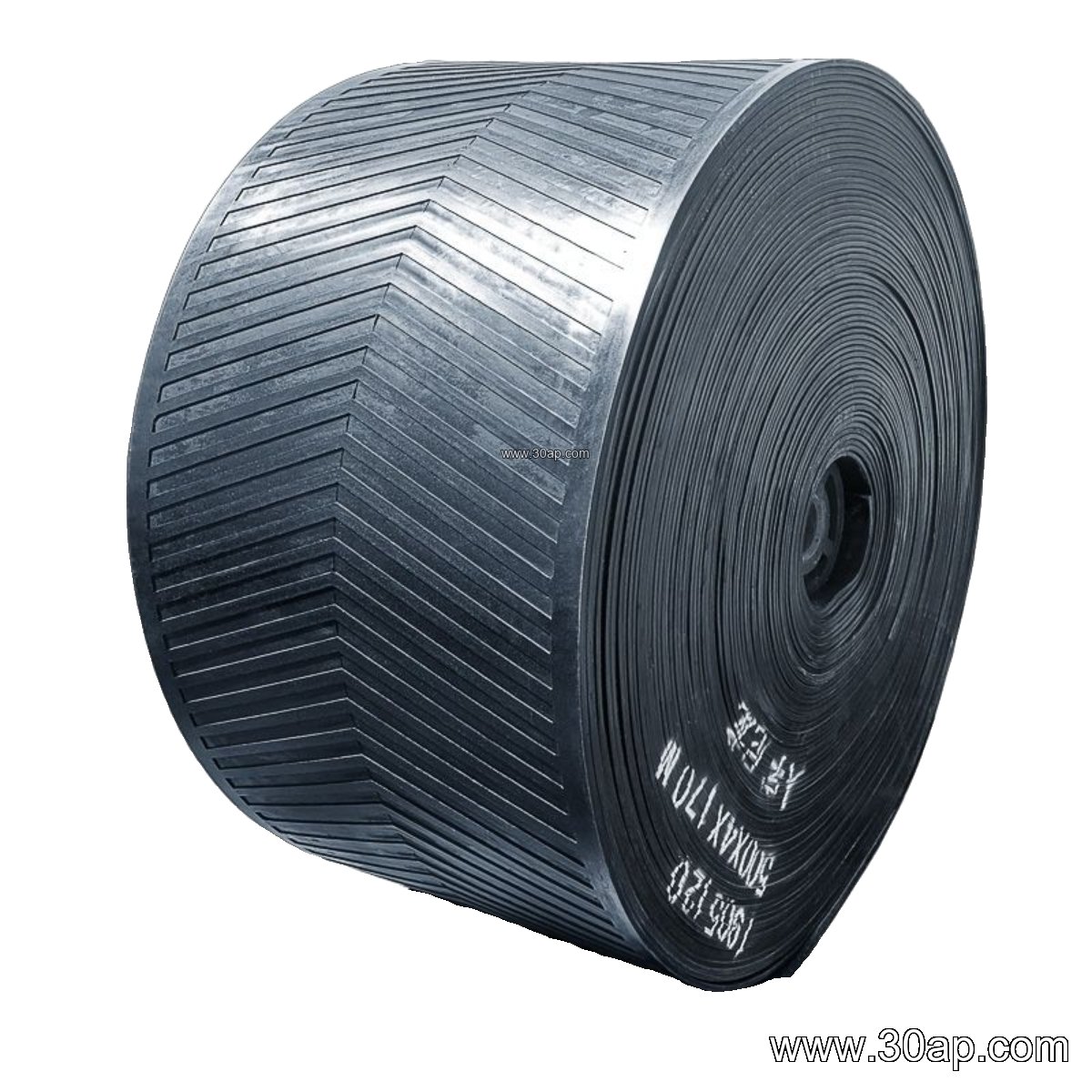
Typical applications include quarry and aggregate lines, cement plants, power plant coal yards, iron ore and copper ore handling, and port or ship loading systems. In a coal mining conveyor belt duty, flame resistance and anti-static behaviour often matter as much as tensile strength. For very long, high-tension trunk lines, a Steel Cord Conveyor Belt or a higher EP grade such as EP500 or EP630 may be a better fit; a Chevron Conveyor Belt or Corrugated Sidewall Conveyor Belt is chosen when the incline is steep rather than because the flat EP200 is unsuitable.
Common Reference Sizes
Widths are usually selected from the standard range below, and the figures are references to be confirmed against the conveyor design. Belt width and pulley diameter are matched by calculation, not by a fixed rule; one width does not lock the line to a single pulley size.
| Parameter | Typical reference values |
|---|---|
| Carcass grade | EP200 (also EP100, EP315, EP400, EP500, EP630, EP800) |
| Number of plies | 2 to 6, commonly 3 to 5 |
| Belt width | B500, B650, B800, B1000, B1200, B1400, B1600, B1800, B2000 |
| Cover thickness | 3+1.5, 4+2, 5+2, 6+2, 8+3 mm |
| Cover grades | Abrasion, heat, oil, flame, anti-static, cold |
A 1200mm wide EP200 belt with 5+2 mm covers is a common combination for medium-duty aggregate lines, but the final choice should follow the actual tonnage, lump size, incline and pulley diameters. NN Conveyor Belt (nylon-nylon) is an alternative where higher impact absorption is wanted, and PVC or PVG belts appear in lighter or underground fire-resistant duties.
Buyer Checklist
- Confirm the required tensile grade and ply count, not just the EP200 label.
- Specify top and bottom cover thickness and rubber grade for the real material.
- State belt width, edge type, splice method and whether endless delivery is needed.
- Check drive, tail and bend pulley diameters and the idler roller spacing with the conveyor designer.
- Ask about troughability, elongation and minimum pulley diameter for the selected carcass.
- Plan storage and handling so the roll is not kinked before installation.
Maintenance is mostly about alignment and loading. Keep skirt rubber and chute lips from pressing on the belt, check that material lands centrally, and inspect the drive pulley lagging and return idlers for build-up. A well-matched EP Rubber Conveyor Belt on a correctly aligned frame usually gives long service; a good belt on a badly aligned frame does not. For plants comparing grades, EP200 Conveyor Belt remains a practical middle option between light EP100 fabric belts and heavy high-strength constructions.