What an Impact Idler Set Does at the Loading Zone
An Impact Idler Set is the group of idler rollers placed directly under the point where bulk material lands on a conveyor belt. Its job is simple but demanding: absorb the energy of falling rock, ore, clinker or aggregate before that energy reaches the belt carcass. In a quarry conveyor line, a crusher discharge or a cement plant transfer tower, the drop height and lump size can be severe, and a standard carrying idler may not be the right choice at that spot.
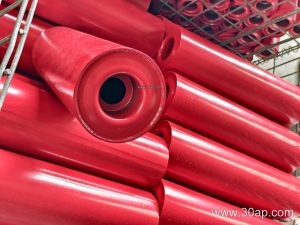
The set usually consists of two or three rollers mounted in a frame with a trough angle, but the rollers themselves are built differently from ordinary carrying idlers. Rubber rings, thick rubber discs or heavy resilient covers are fitted around the shell so the impact is cushioned rather than transmitted straight into the bearing and the belt. This is why the assembly is often called a rubber ring impact idler set or a cushion idler set, and both names describe the same product.
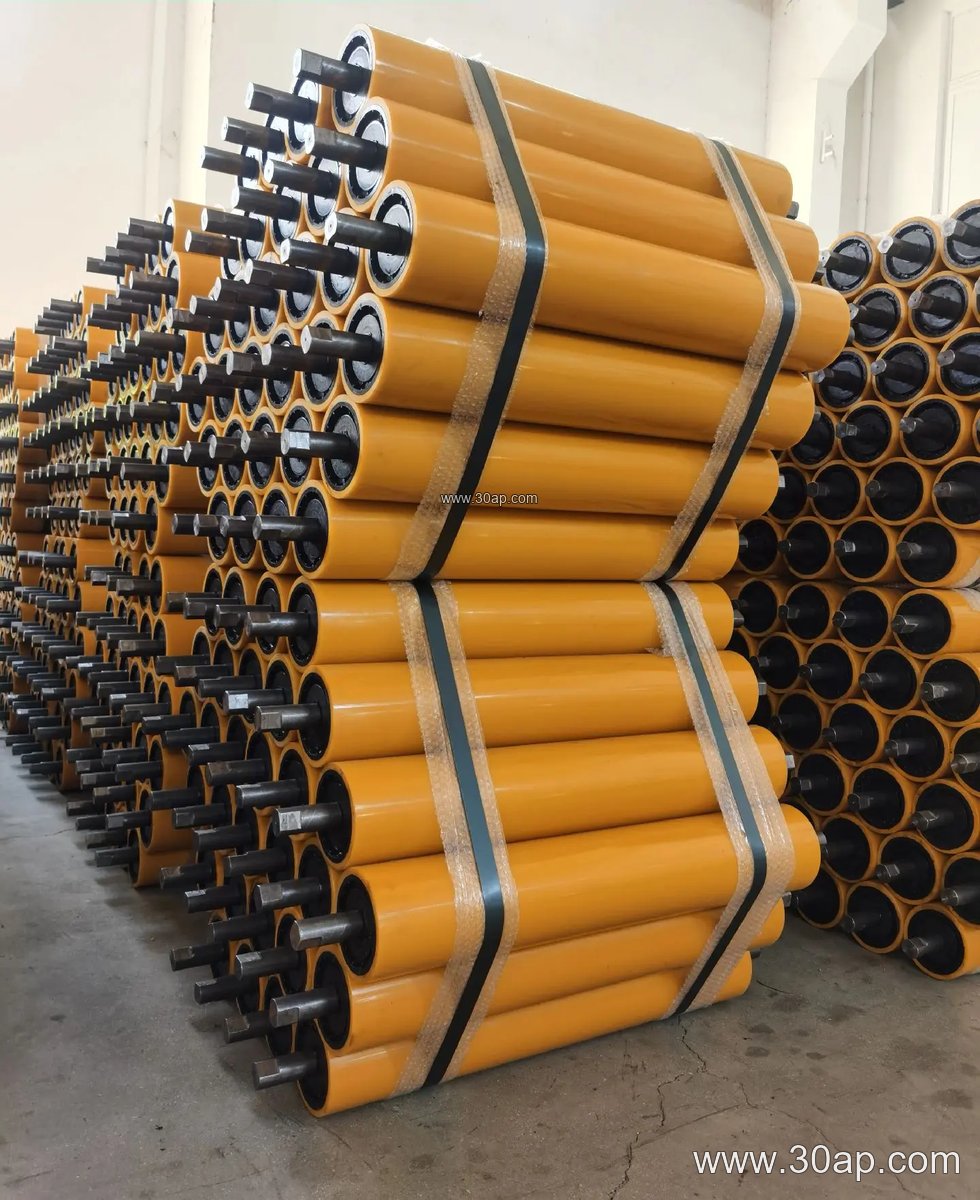
Construction Details That Matter
A typical impact idler roller uses a steel tube shell with a bonded rubber layer, sometimes in the form of separate rings spaced along the roller length. The rubber grade is chosen for resilience and abrasion resistance, because the same surface that absorbs shock also wears against the belt. Bearings are normally sealed for dusty service, and common bearing sizes in this range include 6205, 6305, 6306 and 6308, matched to the shaft and load according to the design rather than to a single fixed rule.
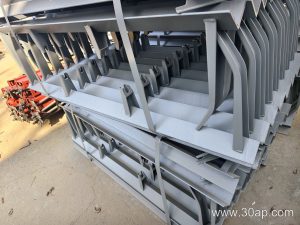
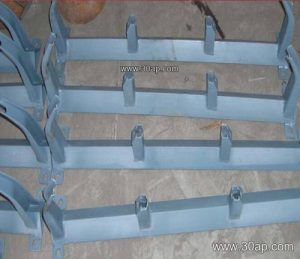
The frame is equally important. The conveyor bracket that holds the set must be rigid enough to keep the rollers aligned when material hits off-center. A weak bracket allows the set to deflect, which changes the trough profile and can lead to belt edge damage or spillage. Buyers should check the frame material, the mounting hole pattern and the roller fixing method against the existing conveyor structure before ordering.
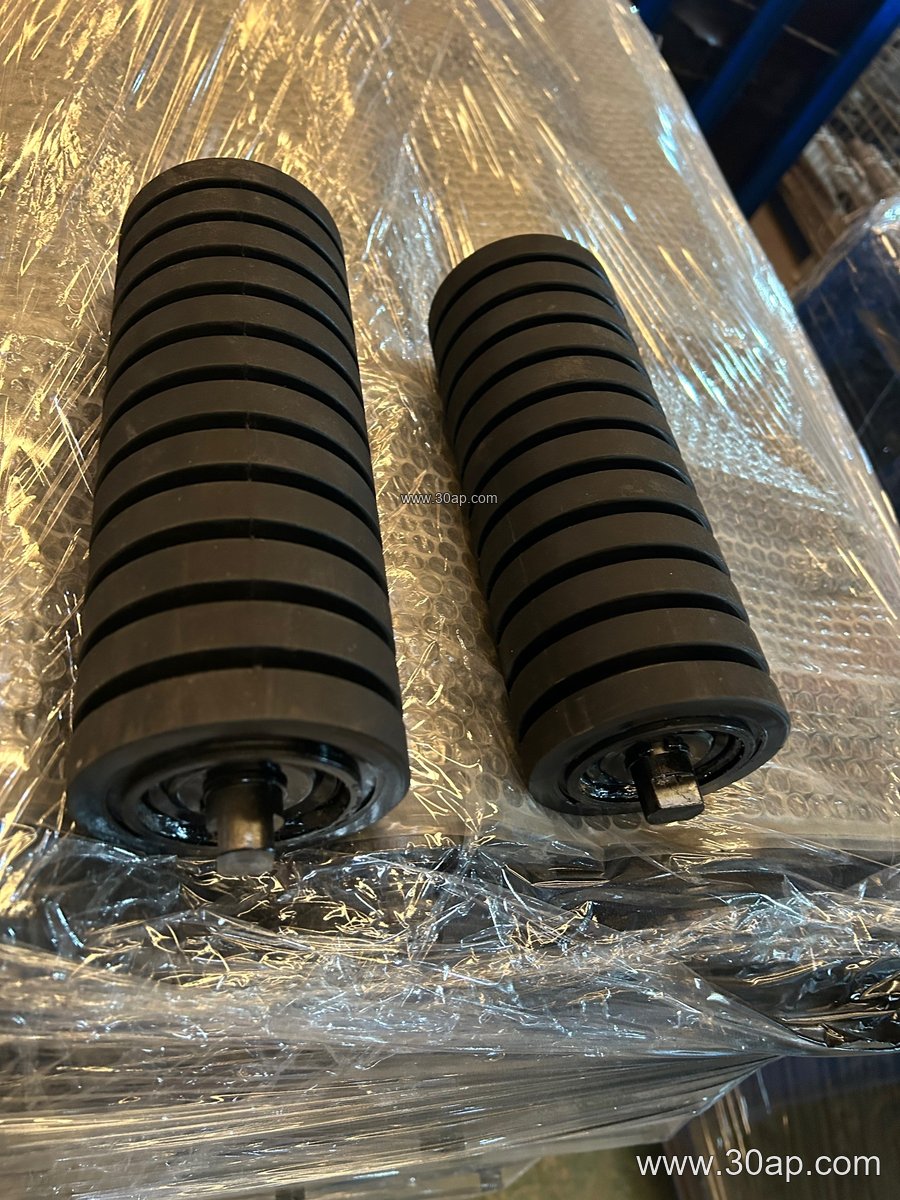
- Roller shell: steel tube with rubber rings or a full rubber cover
- Bearing housing: sealed, grease-retained design for dusty conditions
- Frame: two-roll or three-roll trough form, welded or bolted
- Trough angle: commonly 20, 30, 35 or 45 degrees
- Roller diameter: often Ø89, Ø108, Ø127, Ø133, Ø159 or Ø178 mm
Where Impact Sets Are Used
The most common location is under the feed chute of a belt conveyor. In an iron ore or copper ore handling circuit, the set sits below the transfer point and protects the belt from sharp lump impact. In a coal mining conveyor or a power plant coal yard, the same arrangement reduces the risk of carcass damage at every transfer. Sand and gravel plants use impact sets beneath crusher outlets, where the material is coarse and the fall height is significant.
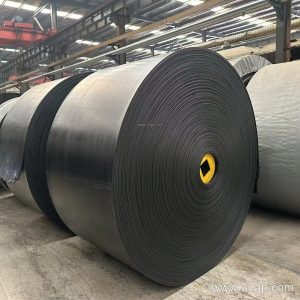
The set works together with the rest of the conveyor system. The conveyor belt itself may be an EP conveyor belt, an NN conveyor belt or a steel cord conveyor belt, and the impact resistance required from the idlers depends on the belt construction and the load. A heavy-duty mining conveyor belt with a thick cover tolerates more abuse than a lighter fabric core belt, but neither should be expected to absorb direct lump impact without cushioning idlers underneath.
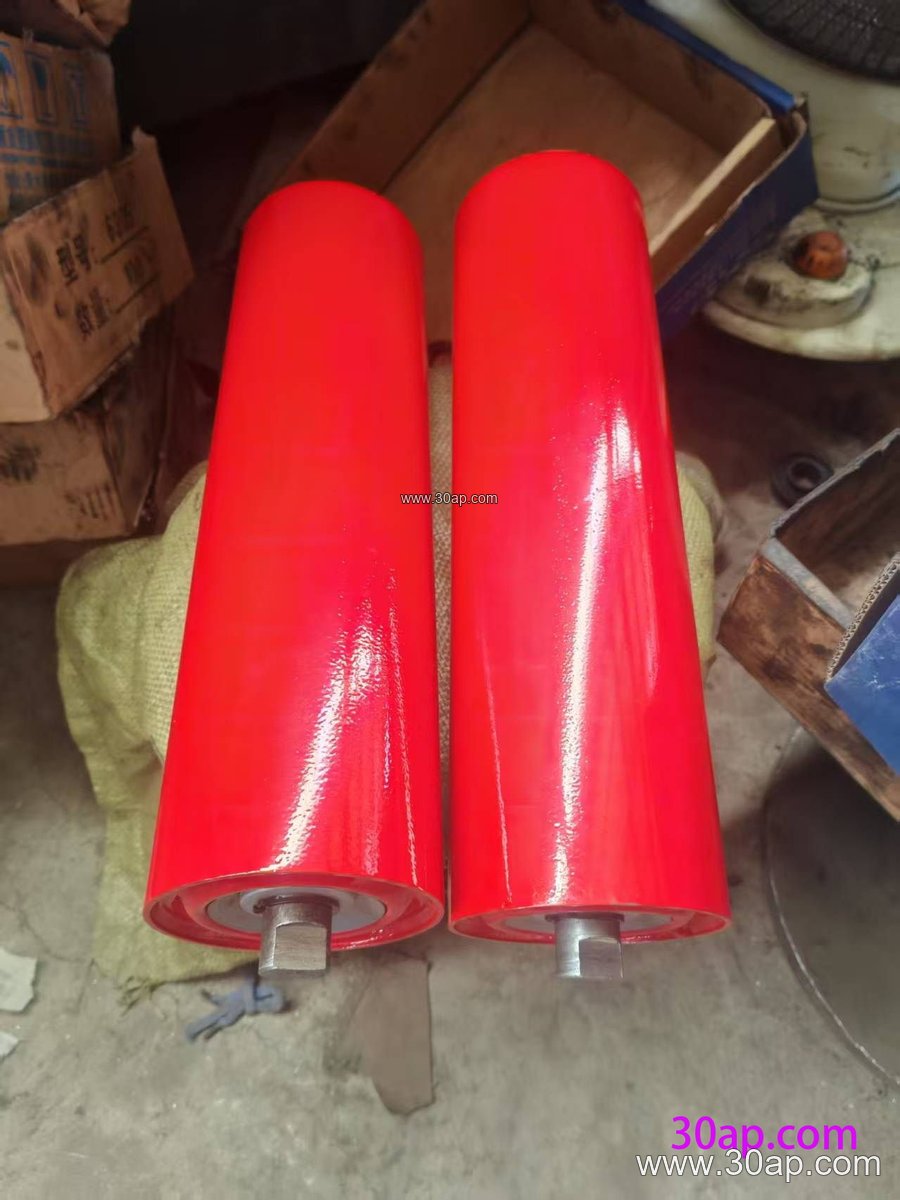
Selecting the Right Set for a Conveyor
Selection starts with the belt width and the trough angle, then moves to the drop height and the maximum lump size. A three-roll set at 35 degrees is common for general bulk handling, while a two-roll arrangement may suit narrower belts or specific chute layouts. Roller length follows the belt width and the trough form; for example, a three-roll trough set on a B800 belt often uses side rollers around 315 mm long, while a B1200 belt commonly uses rollers near 465 mm. These are typical references, not fixed matches, and the middle roller can differ from the side rollers.
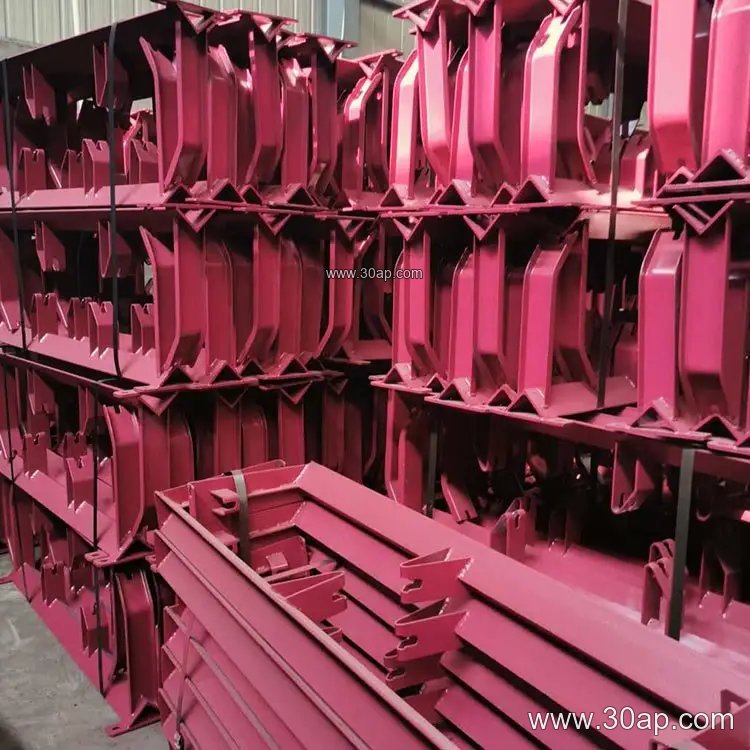
Buyers should also consider the belt speed, the material temperature and the presence of oil or chemicals. In a cement plant, hot clinker may call for a heat resistant conveyor belt and idlers with suitable rubber compounds. In a coal preparation plant, a flame retardant conveyor belt is often specified, and the idler set should be compatible with the same environment. Where fine dust is present, sealed bearings and a smooth roller surface help extend service life.
Installation and Maintenance Notes
Impact idler sets are installed close together at the loading point, often in a short row of three to five sets, so the belt is supported through the entire impact zone. The first set should sit directly under the chute discharge, with the following sets spaced to spread the load. Alignment with the adjacent carrying idlers matters; a step in height or angle can cause the belt to track poorly.
During inspection, look for flattened or cracked rubber rings, loose rings, grease leakage at the bearing seals and frame distortion. Replacing a worn impact idler roller early is cheaper than repairing a damaged belt. Keep a small stock of the most frequently worn rollers, and record the roller diameter, bearing size and frame dimensions so that replacements match the original set.
Buyer Checklist
- Confirm belt width, trough angle and the number of rollers in the set
- State the drop height and maximum lump size at the loading point
- Specify roller diameter and bearing size, or provide the existing drawing
- Check the conveyor bracket and mounting hole dimensions
- Match the rubber compound to the material and site conditions
- Ask for the roller length of each position, since side and center rollers may differ
An impact idler set is a small part of the conveyor, but it sits at the point where damage begins. Getting the roller cover, bearing protection and frame rigidity right at the loading zone protects the belt, the conveyor pulley and the whole conveying line.