What a Conveyor Impact Idler Does at the Loading Point
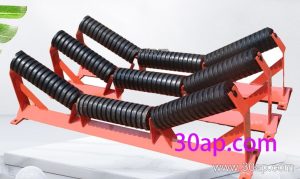
A conveyor impact idler is a specialized roller assembly installed at the transfer point where material drops onto the belt. Its primary job is to absorb the shock of falling lumps, reduce belt damage, and keep the conveyor line running smoothly. Unlike standard carrying idlers, impact rollers are built with shock-absorbing elements—often rubber rings or discs—that cushion the load and protect the belt from cuts, gouges, and premature wear. This makes them essential in industries handling heavy, abrasive, or lumpy materials, such as mining, quarrying, cement plants, and power stations.
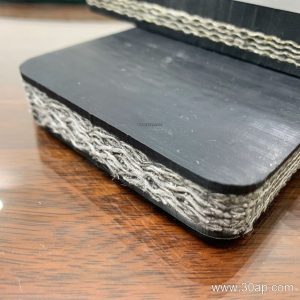
In a typical bulk material handling system, the conveyor belt receives material from a chute or crusher. The force of impact can be substantial, especially with large rocks or clinker. A well-designed impact idler station distributes that energy across multiple rollers, preventing localized stress on the belt and extending the service life of the entire conveyor. For operations dealing with high-drop points, pairing impact idlers with an abrasion resistant conveyor belt or a heavy-duty mining conveyor belt is a common practice to maximize durability.
Construction and Key Components
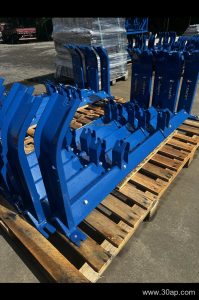
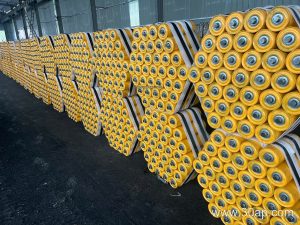
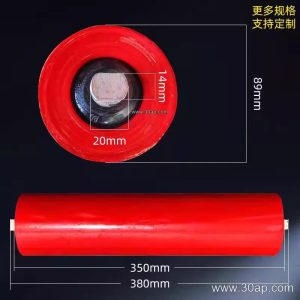
Impact idlers share the basic structure of standard idler rollers but incorporate features to handle dynamic loads. The roller shell is usually made of steel, and the impact-absorbing layer consists of rubber rings or a continuous rubber disc arrangement. These rubber elements are mounted on the shaft and can be replaced individually in some designs, which simplifies maintenance. The bearings are typically housed in a sealed enclosure to keep out dust and moisture, a critical factor in harsh environments like coal mines or cement plants.
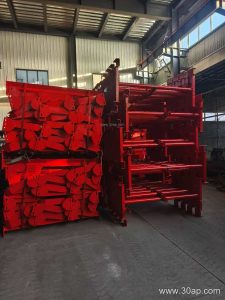
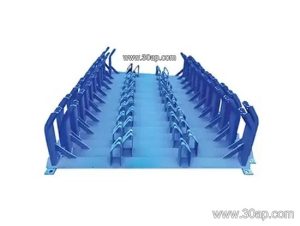
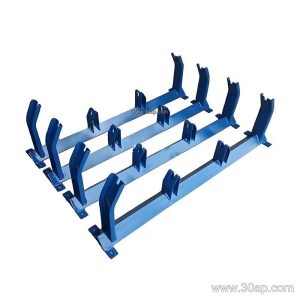
Common roller diameters for impact idlers include Ø89, Ø108, Ø127, Ø133, Ø159, and Ø178 mm, though the exact size depends on belt width and load requirements. Bearing sizes such as 6205, 6305, 6306, and 6308 are frequently used, but the selection must match the shaft and load conditions rather than following a fixed rule. The idler frame—often a sturdy steel bracket—supports the rollers and maintains the proper trough angle. Typical trough angles for impact idler sets are 20°, 30°, 35°, and 45°, with three-roller arrangements being the most common for effective material containment.
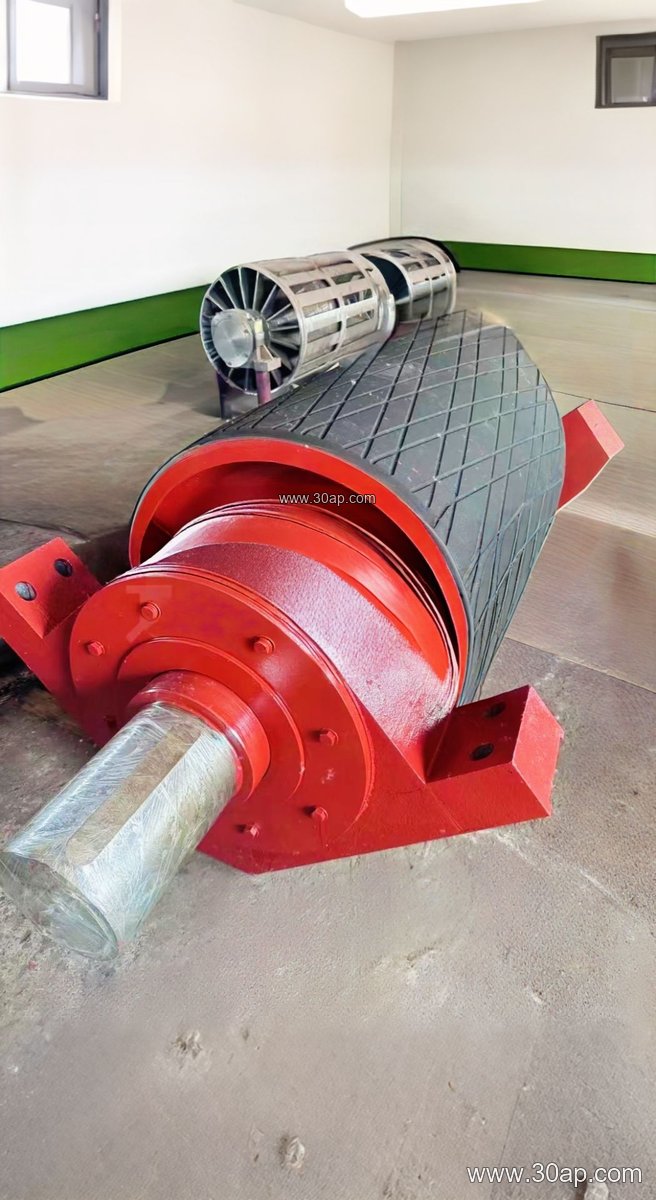
For very wide belts, such as 1800mm or 2000mm, impact idler sets may use larger rollers and reinforced frames. The roller length varies with belt width and trough angle; for example, a three-roll set for a 1200mm belt might use rollers around 465mm long, but this is only a reference and should be confirmed by the conveyor designer. It is important not to assume that a specific belt width automatically dictates a particular pulley diameter or shaft size—those are separate engineering decisions.
Where Impact Idlers Are Used
Impact idlers are found in a wide range of bulk handling operations. In the mining sector, they are installed at the discharge point of crushers and screens, where run-of-mine material drops onto the belt. Underground coal mining conveyor belts also benefit from impact rollers to handle lump coal and rock. In quarry and aggregate plants, impact idlers protect the belt at transfer points from shovels and trucks. Cement plants use them under clinker chutes, and power plants rely on them in coal handling systems.
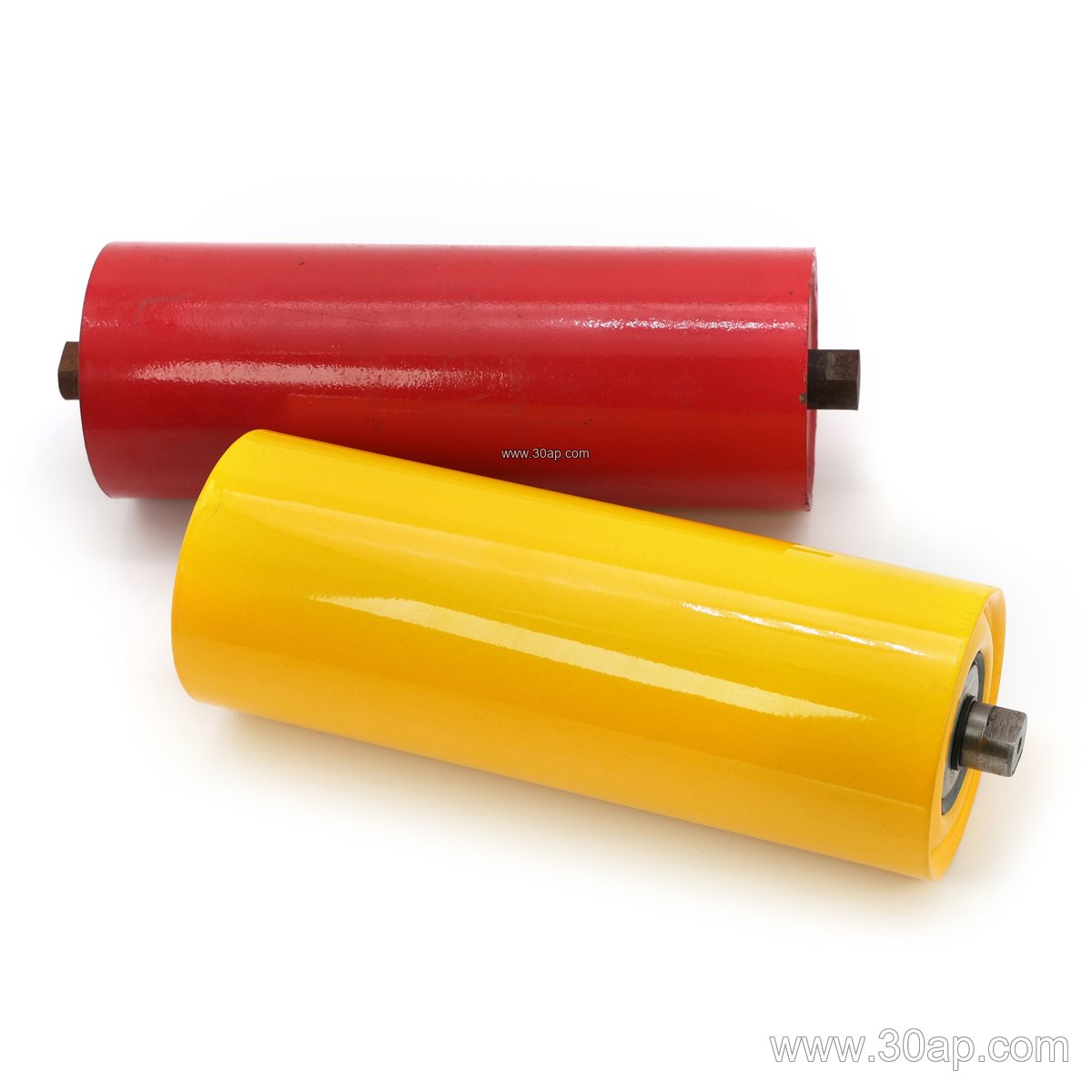
Other applications include port facilities, steel mills, and recycling plants. In each case, the impact idler works alongside other conveyor components: the conveyor pulley drives the belt, the idler roller frame supports the rollers, and the conveyor bracket holds everything in alignment. For operations involving sharp or hot materials, combining impact idlers with a heat resistant conveyor belt or a flame retardant conveyor belt can further improve safety and longevity.
Selection and Maintenance Tips
Choosing the right impact idler involves assessing the material size, drop height, throughput, and belt width. The impact energy increases with lump size and fall height, so heavier duty idlers with thicker rubber rings may be needed. The belt speed also matters—higher speeds amplify the dynamic load. It is wise to consult the conveyor designer to match the idler diameter, bearing type, and frame strength to the specific application.
Maintenance is relatively straightforward. Inspect the rubber rings for wear, cracking, or missing pieces, and replace them as needed. Check the bearings for smooth rotation and listen for unusual noise. Keep the area around the impact idler clean to prevent material buildup that could cause misalignment. Lubrication requirements depend on the bearing type; many modern idlers use sealed-for-life bearings that require no additional greasing.
For those sourcing components, it helps to work with suppliers who understand the entire conveyor system. Whether you need an EP conveyor belt, a steel cord conveyor belt, or a specialized impact idler, the goal is to ensure compatibility and reliable performance. Remember that impact idlers are just one part of the puzzle—proper design of the transfer point, belt training, and regular inspection all contribute to a productive and safe conveyor operation.