What a V-Type Idler Bracket Does on a Conveyor
A V-Type Idler Bracket is a support frame that holds two idler rollers in a V shape, usually on the return side of a belt conveyor. The arrangement forms a shallow trough that cradles the returning belt, helping it track straighter and shedding loose material before it reaches the tail pulley. In a quarry, a coal preparation plant, or a cement plant, this bracket is often one of the simplest components on the line, yet it quietly affects belt life and spillage.
The bracket is also called a V-return idler bracket, and both names describe the same product. It should not be confused with a troughing bracket, a transition bracket, or a self-aligning bracket, each of which serves a different position and duty on the conveyor.
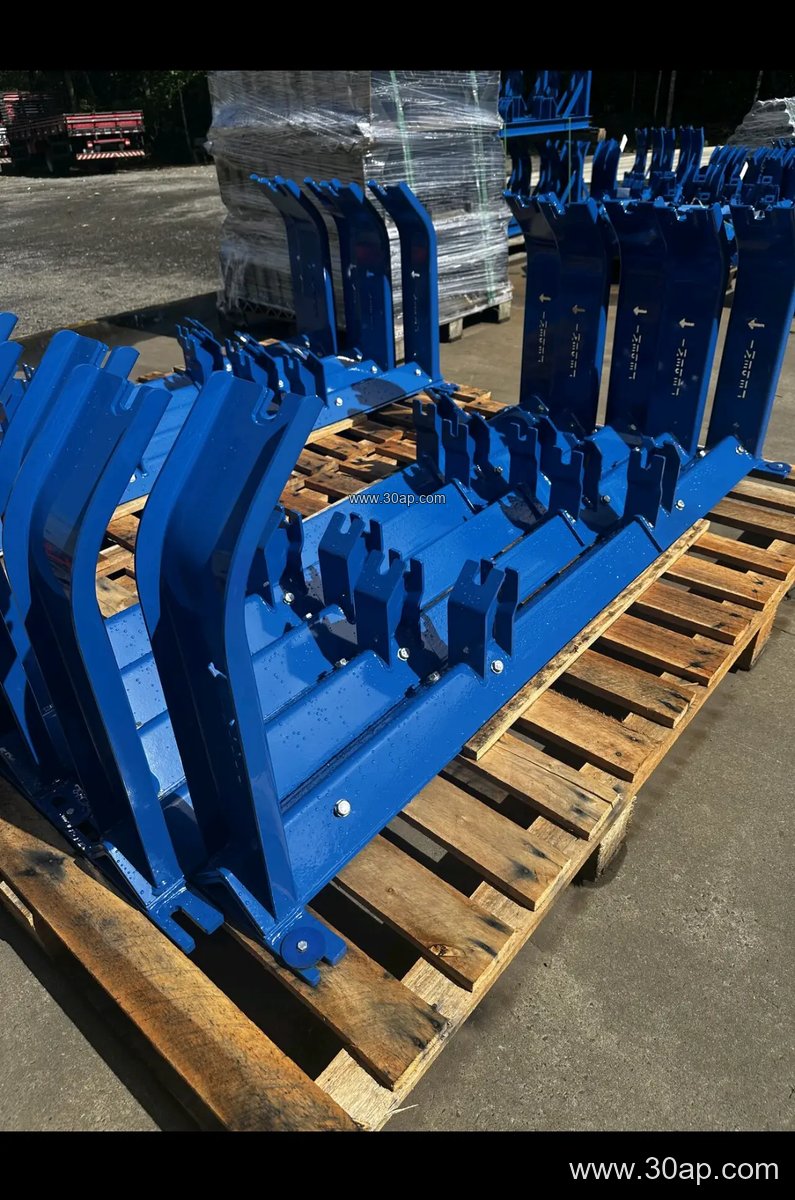
Construction and Mounting Position
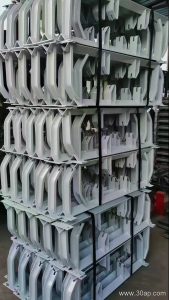
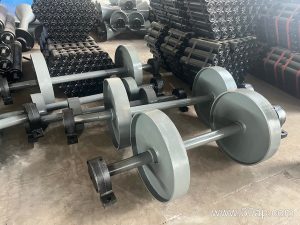
Most V-Type Idler Brackets are fabricated from angle steel, channel steel, or folded steel plate. Two inclined arms meet at a central low point, and the included angle between the arms is set to suit the belt width and the desired belt profile. The frame is bolted or welded to the conveyor stringer, and the idler shafts sit in slots or saddles at the ends of the arms.
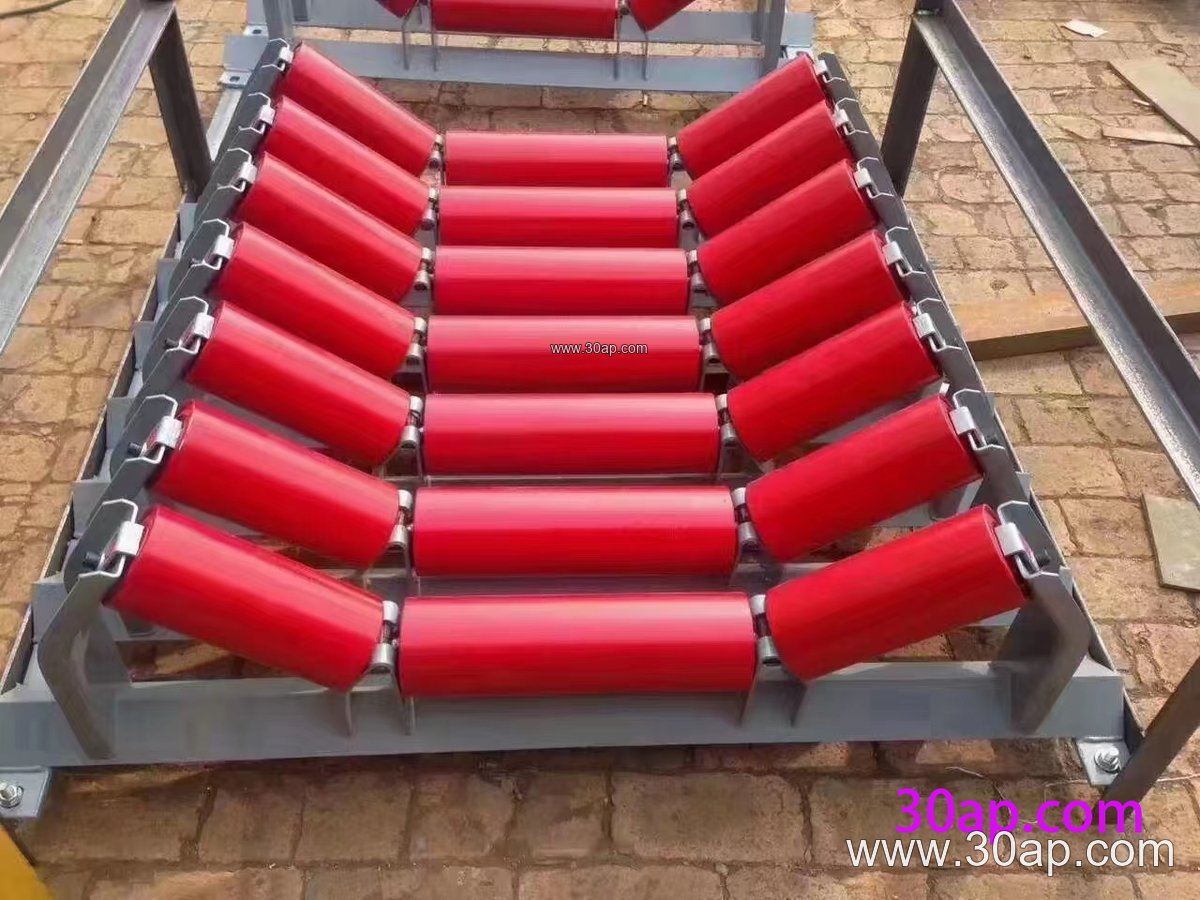
- Material options: angle steel, channel steel, folded steel plate
- Finish: painted or galvanized, depending on the environment
- Mounting: bolted to the stringer or welded to a cross beam
- Position: return strand, ahead of the tail pulley or along the carry-back zone
Because the bracket sits under the returning belt, it works together with the conveyor belt and the idler roller to keep the belt centered. A worn or misaligned bracket can cause the belt to drift, rub the structure, or trap material.
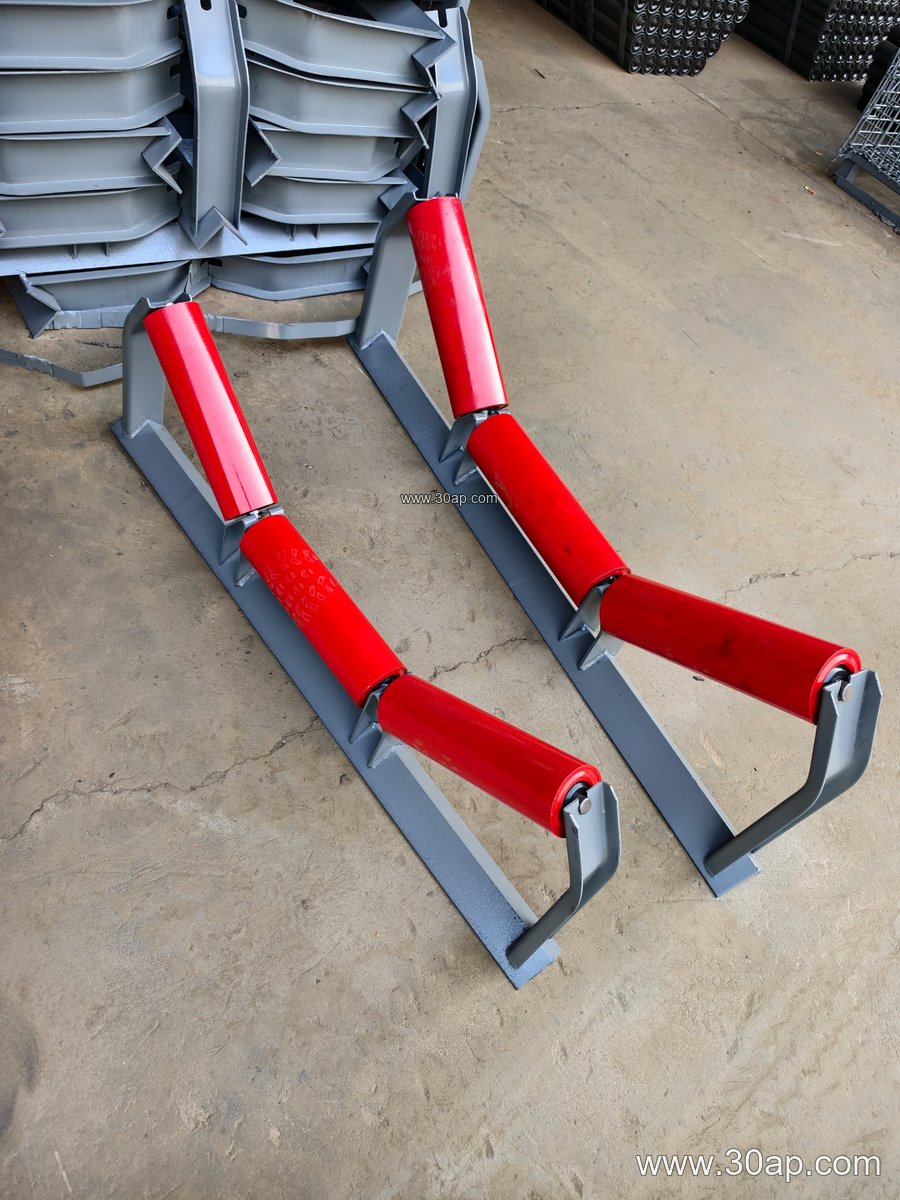
Common Sizes and Matching with Belt Widths
V-Type Idler Brackets are usually ordered by belt width, roller diameter, and the angle between the arms. The table below gives typical reference values; actual dimensions follow the conveyor design and the idler manufacturer’s drawing.
| Belt width | Typical roller diameter | V angle | Typical application |
|---|---|---|---|
| B500 | Ø89 | 20°–30° | Light aggregate lines, small transfer points |
| B650 | Ø89 / Ø108 | 20°–30° | Sand and gravel plants, fertilizer handling |
| B800 | Ø108 / Ø133 | 30°–35° | Coal preparation, cement raw material |
| B1000 | Ø108 / Ø133 | 30°–35° | Power plant coal conveying, iron ore |
| B1200 | Ø133 / Ø159 | 30°–45° | Heavy-duty mining and port lines |
| B1400 | Ø133 / Ø159 | 35°–45° | Large throughput bulk material systems |
| B1600 | Ø159 / Ø194 | 35°–45° | Mine haulage, primary crushing discharge |
| B1800–B2200 | Ø159 / Ø194 | 35°–45° | Wide belts in ports and steel plants |
These are common combinations, not fixed rules. A B800 conveyor may use a 30° or 35° V angle depending on the belt stiffness and the load, and the roller diameter follows the shaft and bearing selection rather than the belt width alone.
Where It Fits in Bulk Handling
In a limestone quarry, the return bracket helps keep the belt clear of the ground and reduces material build-up under the line. In a coal preparation plant, a flame retardant conveyor belt may run on the same structure, and the V bracket keeps the return strand tidy where fine coal tends to cling. The same component appears in power plant coal yards, iron ore terminals, and sand making plants, often alongside a rubber conveyor belt, an EP conveyor belt, or a steel cord conveyor belt.
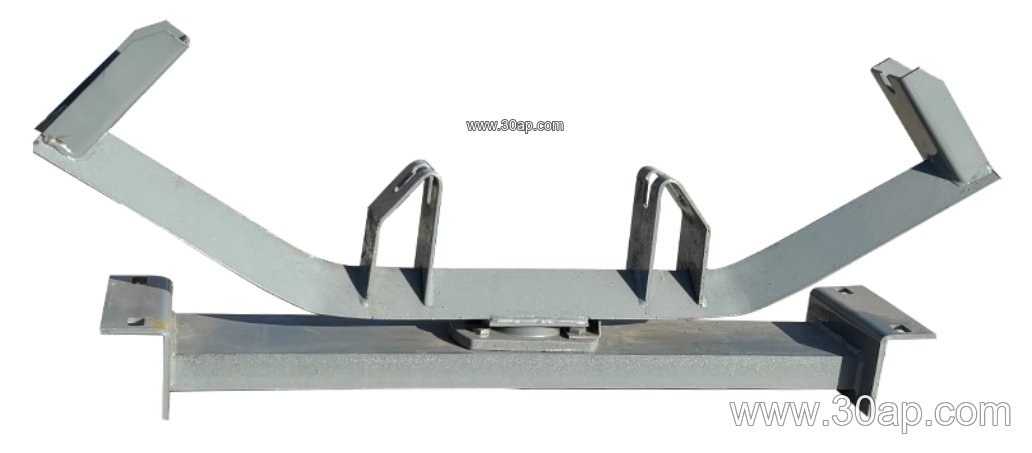
For abrasive duties, such as a crusher conveyor belt line handling rock, the bracket should be checked for wear at the mounting holes and arm tips. In dusty or wet conditions, drainage and clean-out around the V are worth considering during layout.
Buyer Checklist
- Confirm belt width and the return idler diameter before ordering.
- State the V angle or the required belt profile, since adjustable and fixed versions differ.
- Check the mounting hole spacing against the stringer drawing; it changes with belt width and angle.
- Match the finish to the site: painted steel for dry plants, galvanized or coated for wet and corrosive areas.
- Ask whether the bracket is fixed or adjustable if belt tracking needs fine tuning later.
A V-Type Idler Bracket is a small purchase, but it pays back through steadier belt tracking and less spillage. Buyers who match the bracket to the belt width, the return roller, and the site conditions usually get the best service from it.