What a Conveyor Bracket Really Does
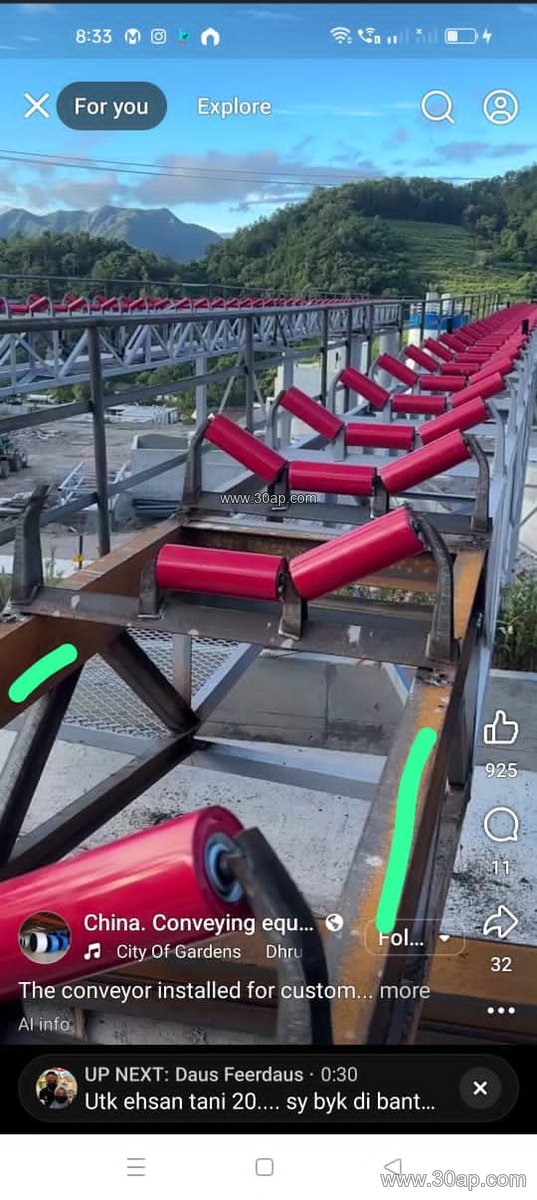
In any belt conveyor line, the conveyor bracket is the quiet structural link between the idler roller and the conveyor frame. It holds each roller at the correct height, angle and spacing so the conveyor belt keeps its trough shape and tracks smoothly. Buyers who treat bracket purchasing as a simple hardware order often discover later that small differences in hole spacing, trough angle or material thickness affect the whole support system. Good conveyor bracket procurement starts with understanding where each bracket sits and what load it carries.
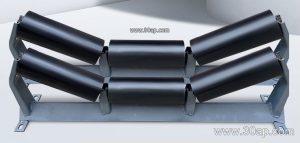
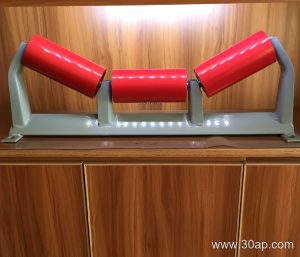
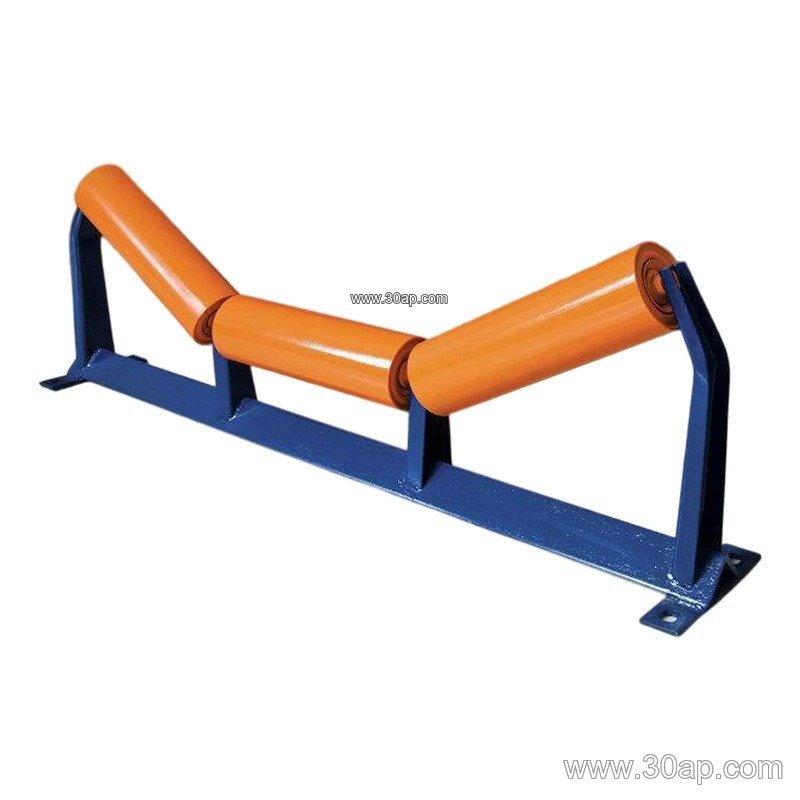
Brackets are usually fabricated from angle steel, channel steel or folded steel plate. A troughing bracket carries three rollers in a trough profile; a return bracket supports the belt on its lower run; a transition bracket eases the belt from flat to troughed; and a self-aligning bracket helps correct minor belt drift. Adjustable versions let maintenance teams fine-tune the trough angle on site, while fixed versions keep a stable, repeatable geometry.
Matching Brackets to Belt Width and Roller Diameter
Belt width and roller diameter are the two dimensions that shape most bracket orders. A bracket for a B800 belt with Ø108 rollers is a different fabrication from one built for B1400 and Ø159 rollers, and neither should be assumed to fit the other. Common belt widths in procurement enquiries include B500, B650, B800, B1000, B1200, B1400, B1600 and B1800, with wider frames available for large installations. Roller diameters such as Ø89, Ø108, Ø133, Ø159 and Ø194 are all in normal use, and the right pairing depends on belt speed, load and design choices rather than a single fixed rule.
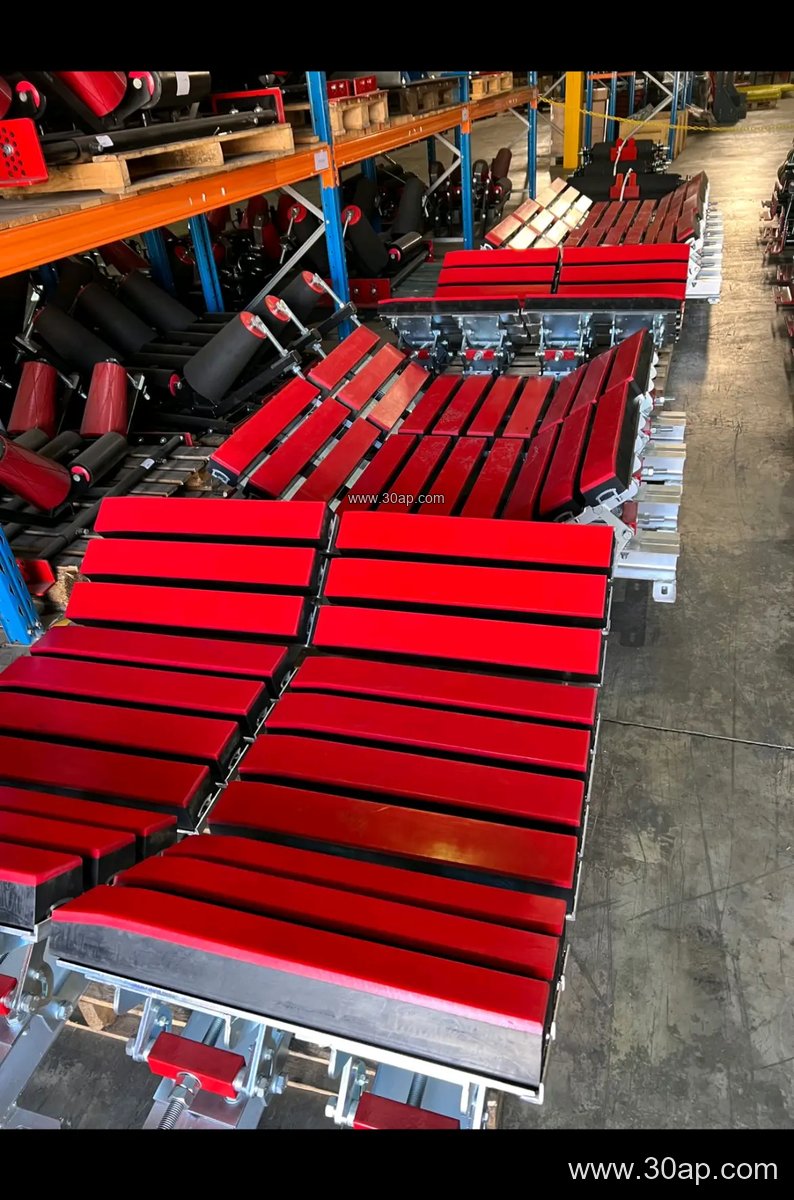
Trough angles of 20, 30, 35 and 45 degrees are typical. Adjustable brackets can move between these angles, while forward-leaning designs often use about 1.5 to 2 degrees to assist belt centering. Installation hole spacing and crossbeam length change with belt width and trough angle, so they should be confirmed from the conveyor drawing rather than copied from an old purchase list.
Reference Dimensions for Bracket Enquiries
| Parameter | Common Options | Notes |
|---|---|---|
| Belt width | B500, B650, B800, B1000, B1200, B1400, B1600, B1800 | Match to frame design |
| Trough angle | 20°, 30°, 35°, 45° | Adjustable types allow change |
| Roller diameter | Ø89, Ø108, Ø133, Ø159, Ø194 | Selected by load and speed |
| Bracket material | Angle steel, channel steel, folded plate | Thickness per design |
| Bracket types | Troughing, return, transition, self-aligning, impact, suspended, adjustable | Position-specific |
Where Bracket Choice Matters Most
In a quarry or stone crushing line, dust and impact loads punish lightweight brackets, so heavier channel sections and impact bracket positions near the loading point are worth discussing. In a coal washing plant or power station coal yard, flame retardant conveyor belt and anti-static properties dominate belt selection, but the brackets still need to resist vibration and keep rollers aligned. Cement plants and lime kiln feed lines often run long conveyors where a single misaligned bracket can cause edge wear on an abrasion resistant conveyor belt.
Ports and ship loading systems handle wide belts, and here the bracket must match the conveyor pulley layout and frame height precisely. In fertilizer or grain silo applications, corrosion resistance and easy cleaning may matter more than raw strength. Each site pushes the specification in a different direction.
Procurement Checklist Before Ordering
- Confirm the bracket type by position: troughing, return, transition, impact, self-aligning or suspended.
- Record belt width, trough angle and roller diameter together, for example B1000, 35 degrees, Ø133.
- Ask for hole spacing and crossbeam length based on the actual conveyor drawing.
- State the material and finish, especially for wet or corrosive environments.
- Clarify whether fixed or adjustable brackets are needed for future maintenance.
- Check that brackets suit the conveyor pulley and idler roller series already in use.
Well-planned conveyor bracket procurement keeps the belt supported, the rollers turning freely and maintenance predictable. Whether the line moves ore, clinker or aggregate, the bracket is a small part with a large effect on uptime.