What a Conveyor Head Pulley Does
The conveyor head pulley, also called the head drum or discharge pulley, sits at the delivery end of a conveyor and does two jobs at once. It transmits the drive torque that keeps the belt moving, and it sets the point where material leaves the belt into a chute, screen, or stockpile. Because it carries the full belt tension and the highest load in the system, it is usually the largest and most heavily built pulley on the machine. In a quarry, coal preparation plant, or cement clinker line, the head pulley is the component that decides how smoothly the whole discharge end behaves.
It is not the same as a tail pulley or a bend pulley. The tail pulley turns freely at the loading end, and a bend pulley only changes belt direction. Only the head pulley combines drive duty with discharge, which is why its design, lagging, and shaft sizing deserve separate attention.
Construction and Main Components
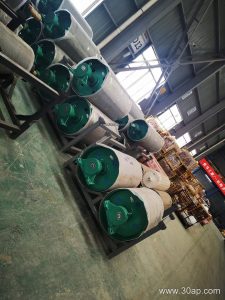
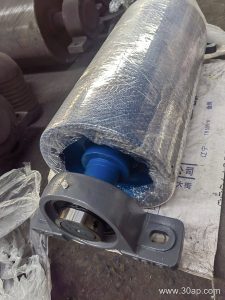
A typical head drum is built around a welded steel shell with machined end discs, a heavy shaft, and bearing housings mounted on a sturdy frame. The shell is often machined or balanced to reduce runout at speed. Lagging is applied to the face to raise friction between the drum and the belt, and the pattern is chosen to match the duty.
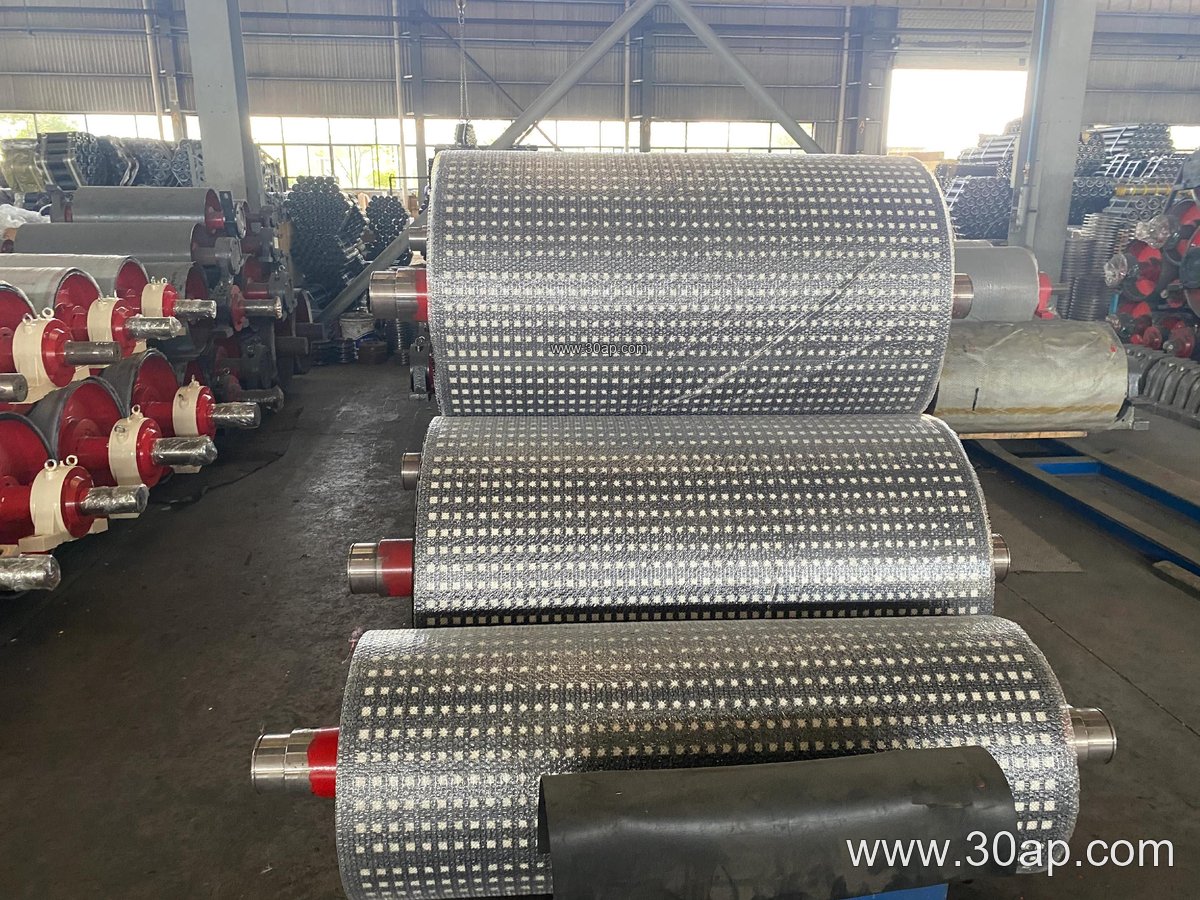
- Shell – rolled and welded steel, sometimes with a crowned face to help belt tracking.
- Shaft – sized by torque and radial load, not by belt width alone.
- Bearings and housings – selected for the continuous load and the environment.
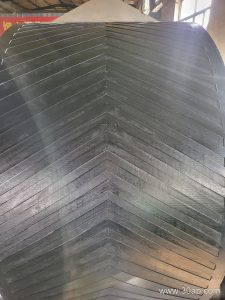
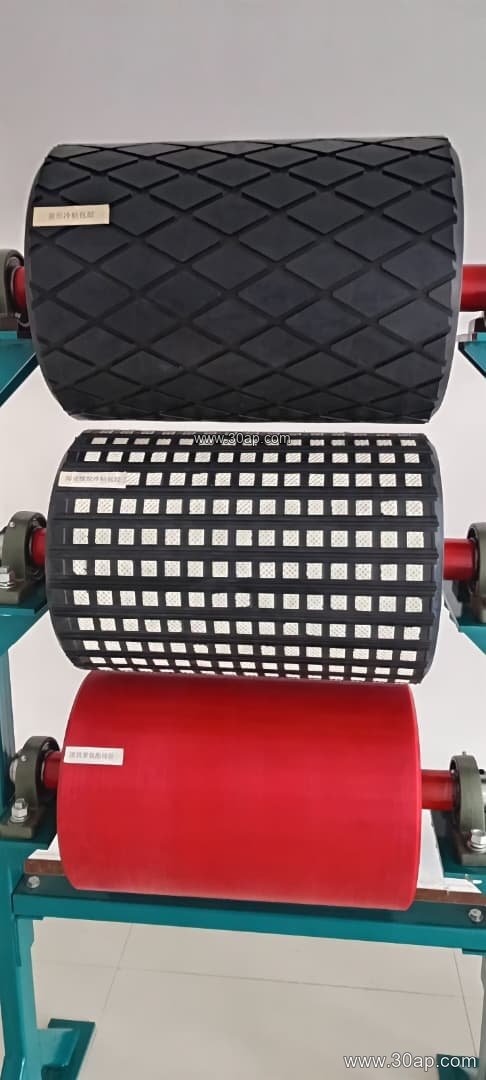
- Lagging – plain, rubber, diamond, chevron, or ceramic, usually 8 to 20 mm thick.
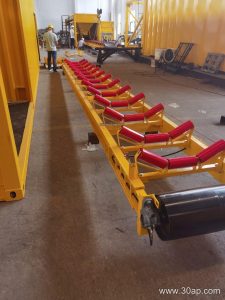
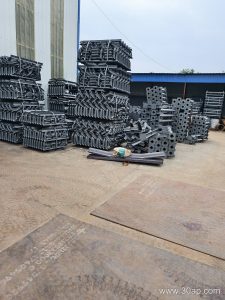
- Conveyor bracket – the mounting structure that ties the pulley to the conveyor frame.
Common Sizes and Surface Options
Diameters commonly run from about Ø200 up to Ø1800, and face widths generally exceed the belt width so the belt is fully supported. The table below gives typical reference combinations; the final choice depends on belt tension, speed, and load.
| Belt width | Typical face width | Example diameter | Common lagging |
|---|---|---|---|
| B500 | about 600 mm | Ø315 – Ø400 | plain or 8–10 mm rubber |
| B800 | about 950 mm | Ø500 – Ø630 | diamond rubber, 10–12 mm |
| B1000 | about 1150 mm | Ø630 – Ø800 | diamond or chevron, 12–15 mm |
| B1200 | about 1400 mm | Ø800 – Ø1000 | chevron or ceramic, 15 mm |
| B1400 | about 1600 mm | Ø1000 – Ø1250 | ceramic or heavy rubber, 15–20 mm |
| B1800 | about 2000 mm | Ø1250 – Ø1600 | ceramic, 20 mm |
Shaft diameters of Ø80, Ø100, Ø120, Ø140, and larger are common on these units, but they are calculated from drive torque and bearing load. A wide belt does not automatically mean a fixed shaft size, and a given belt width can work with more than one drum diameter.
Where It Fits in the Plant
Head pulleys appear wherever a belt hands off material. In a limestone quarry they discharge onto screens, and in an iron ore or copper ore circuit they feed crushers and stockpiles. Coal preparation plants and power plant coal handling systems rely on them at transfer towers, while aggregate and sand plants use them at the end of every conveyor section. Port bulk terminals and ship loading conveyors also depend on a well-lagged head drum to keep heavy belts from slipping under wet or dusty conditions.
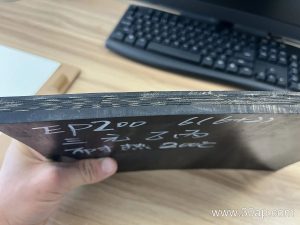
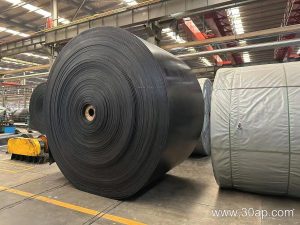
The belt itself matters too. A heavy-duty mining conveyor belt, an abrasion resistant conveyor belt, or a steel cord conveyor belt all place different demands on the drum. High-tension belts need adequate diameter to limit bending stress, while heat resistant conveyor belt duties may call for heat-tolerant lagging. In underground coal mining, flame retardant conveyor belt and anti-static conveyor belt requirements often mean the drum and its lagging are specified with fire safety in mind. Matching the head pulley to the belt type, rather than treating them separately, prevents slip, edge damage, and premature cover wear.
Buyer Checklist
- Confirm the actual belt width, belt type, and maximum operating tension.
- State the drive arrangement: motor, gearbox, coupling, and whether the pulley is driven or free-running.
- Choose lagging by duty: diamond or chevron for grip, ceramic for abrasive and wet service, plain for light duties.
- Verify shaft diameter against torque and load, not just belt width.
- Check that the conveyor bracket matches the frame and allows bearing access.
- Ask for balancing and runout tolerances, and confirm the lagging thickness in writing.
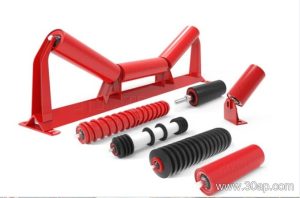
Whether the discharge point is a coal yard, a cement plant, or a stone crushing line, a correctly specified head drum keeps the belt tracking straight and the material flowing. For more conveyor pulley and belt guidance, visit conveyorheadpulley.com and review the drum options alongside your belt and idler roller selections.