What Is an Acid Resistant Conveyor Belt
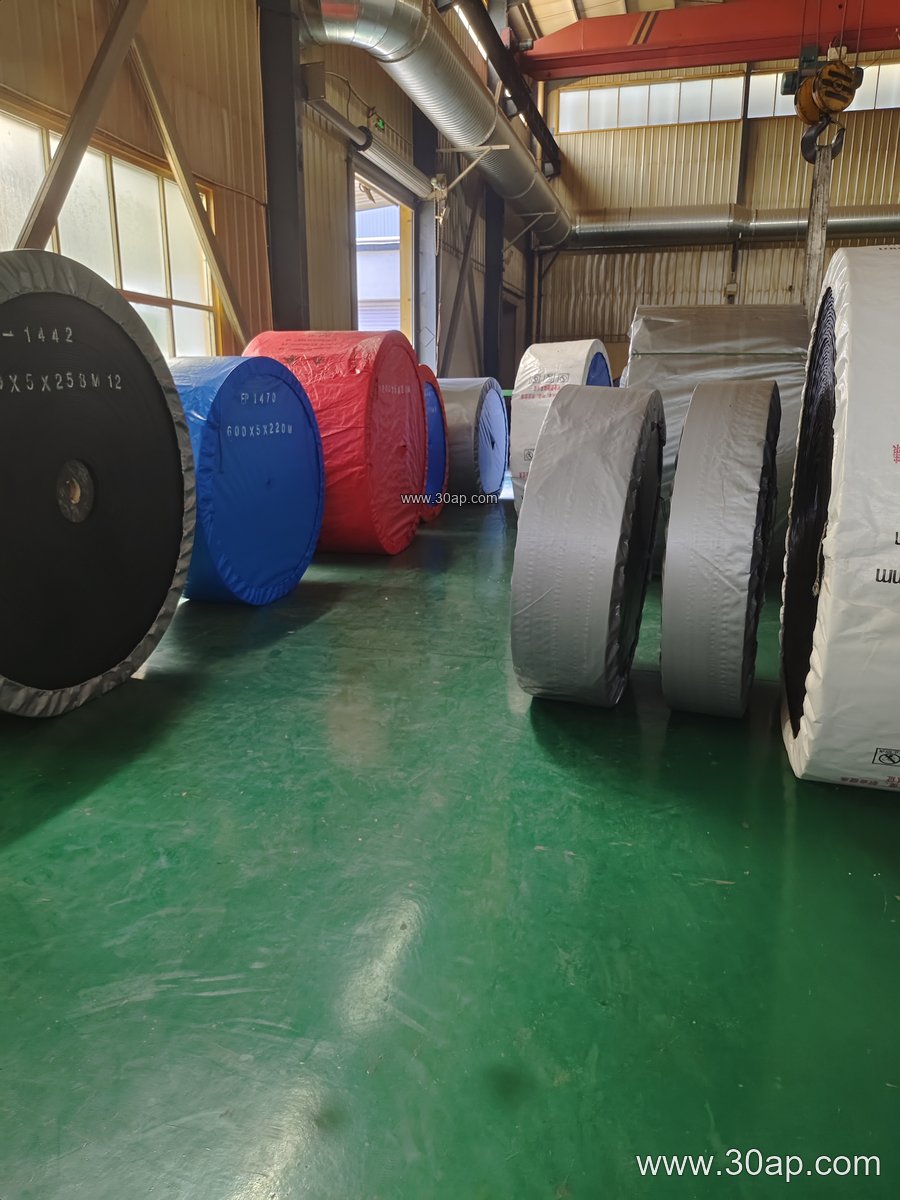
An acid resistant conveyor belt is a specialized rubber conveyor belt designed to withstand contact with acidic substances, such as those found in fertilizer plants, chemical processing, and certain mining operations. This belt is part of the broader family of chemical resistant conveyor belts, but it is specifically engineered to resist acid attack. It is often used in industries where materials like phosphate rock, sulfuric acid residues, or acidic slurries are present. The belt’s construction typically involves a fabric core, such as EP or NN, covered with a rubber compound that resists acid degradation.
Construction and Materials
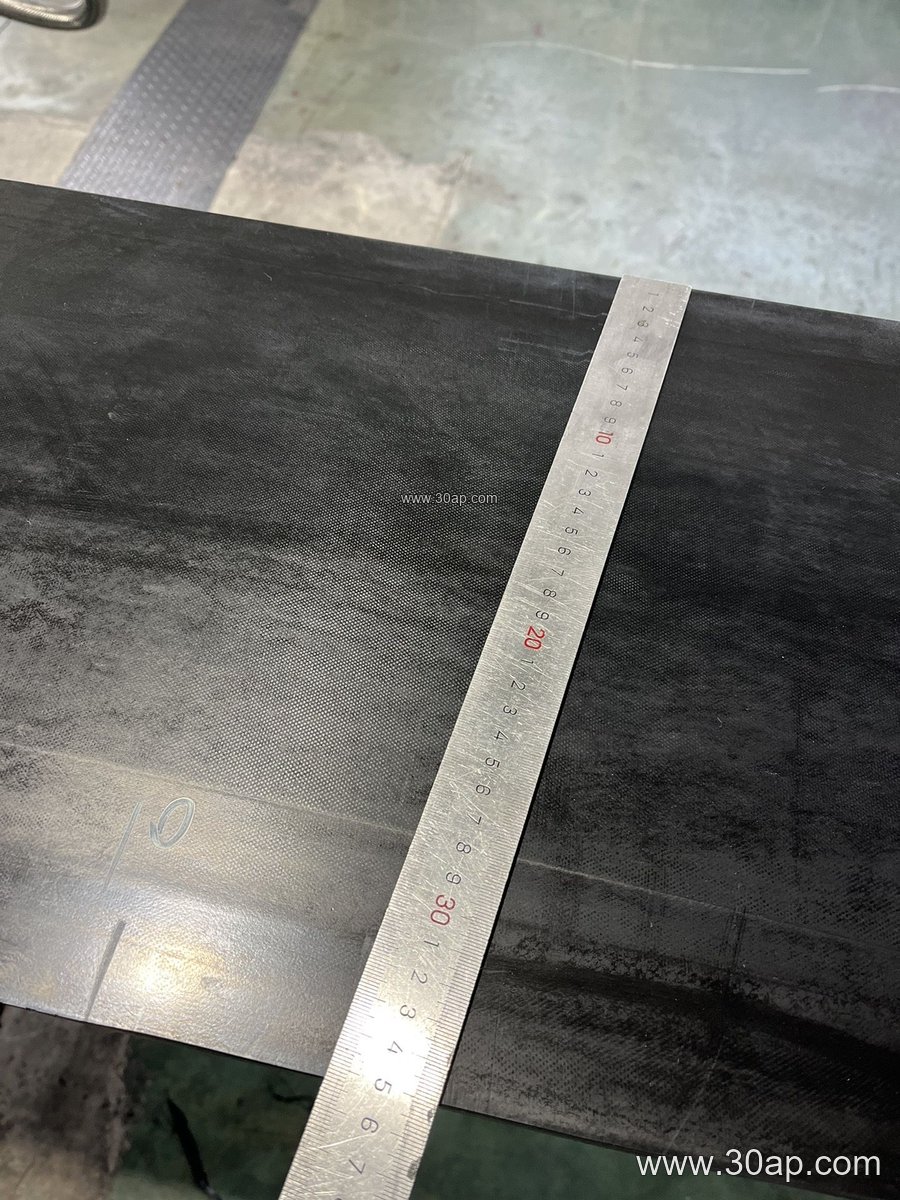
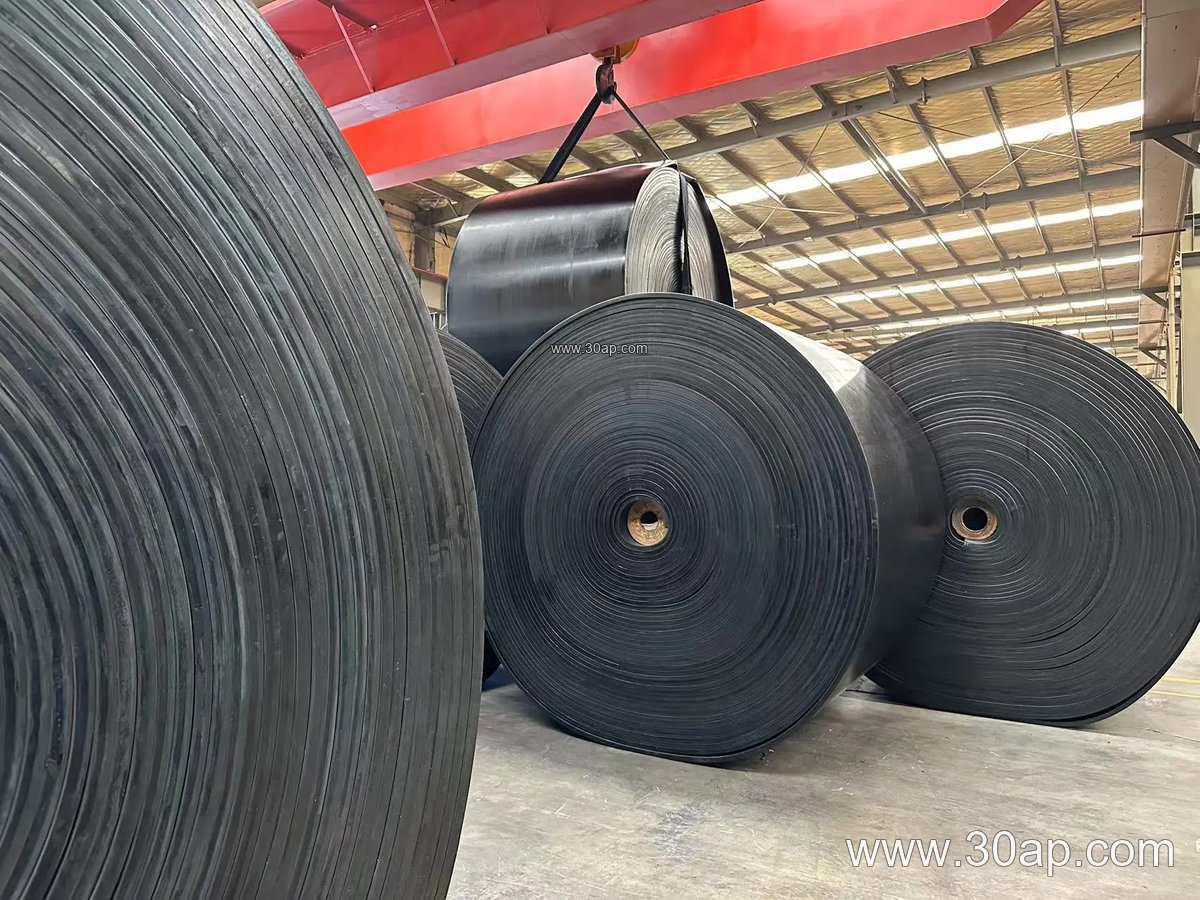
The acid resistant conveyor belt usually features a multi-ply fabric core, which provides strength and flexibility. Common core types include EP conveyor belt (polyester-nylon) and NN conveyor belt (nylon-nylon), both offering good tensile strength and resistance to moisture. The cover rubber is formulated with acid-resistant polymers, often using EPDM or chloroprene rubber, to prevent swelling, cracking, or softening when exposed to acidic environments. The belt may also include anti-static properties if required. The construction can vary: for example, an EP fabric core conveyor belt with acid-resistant cover is common. The number of plies typically ranges from 2 to 6, depending on the required strength. Cover thickness might be 3+1.5 mm, 4+2 mm, or 5+2 mm, with the first number indicating top cover thickness and the second bottom cover thickness. These values are common references and should be confirmed with the manufacturer based on the specific application.
Where It Is Used
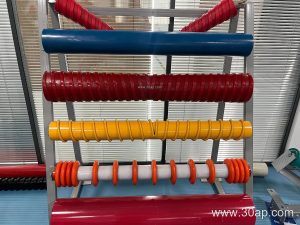
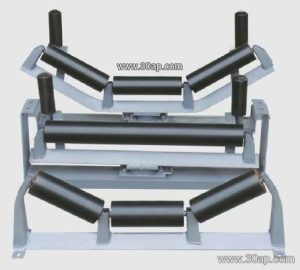
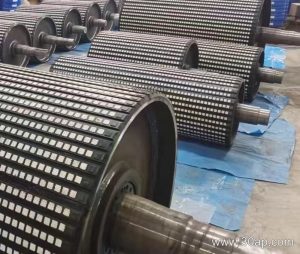
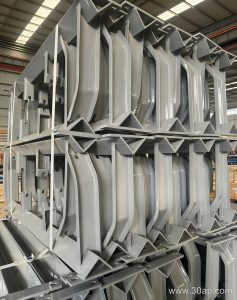
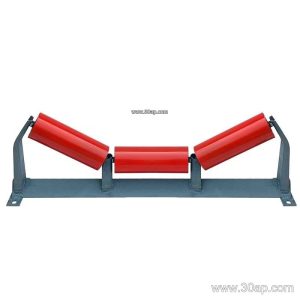
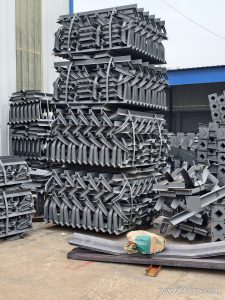
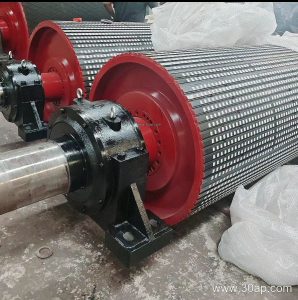
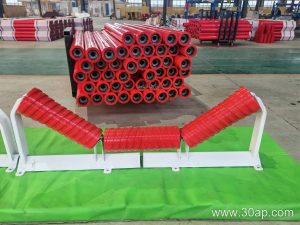
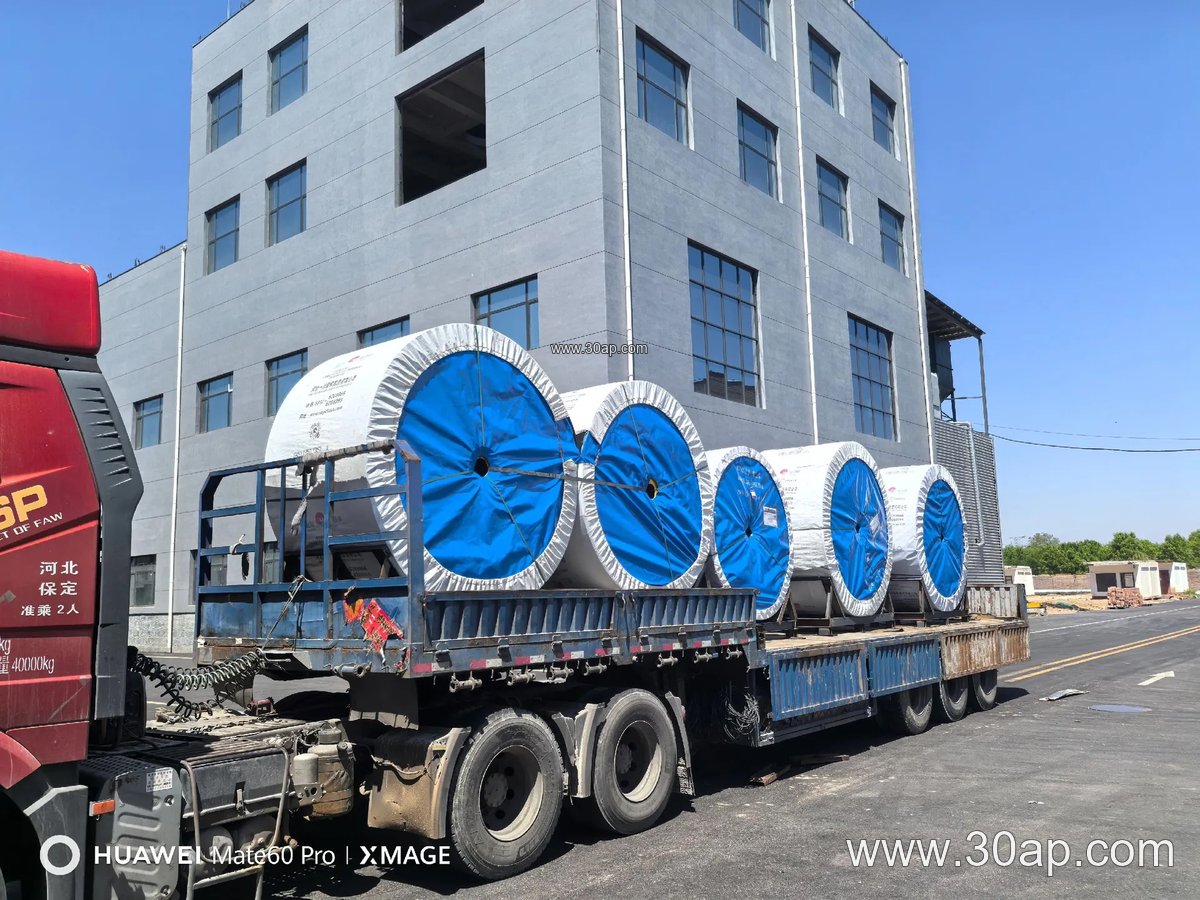
Acid resistant conveyor belts are found in chemical plants, fertilizer production, mining operations (especially where acidic ores or tailings are handled), and some power plants that deal with acidic byproducts. In the mining industry, they may be used in copper ore conveyor belts or gold mining conveyor belts where acidic conditions exist. They are also suitable for bulk material conveyor belts that transport acidic powders or slurries. Other industries include cement plants (where acidic materials may be present) and port conveyor belts for handling acidic cargo. The belt works in conjunction with conveyor pulleys, idler rollers, and conveyor brackets to form a complete conveying system.
Key Specifications and Types
When selecting an acid resistant conveyor belt, several parameters matter. The strength grade is often expressed in EP or NN terms; for instance, EP200 or EP400 might be chosen for moderate duty, while higher grades like EP630 or EP800 are for heavier loads. The belt width can range from 500mm to 2000mm, with common widths including 800mm, 1000mm, and 1200mm. The table below lists typical specifications for reference; actual values depend on the design and manufacturer.
| Parameter | Common Options |
|---|---|
| Core type | EP (polyester-nylon), NN (nylon-nylon) |
| Strength grade | EP200, EP315, EP400, EP500, EP630, EP800, EP1000 |
| Number of plies | 2 to 6 |
| Belt width | 500mm, 650mm, 800mm, 1000mm, 1200mm, 1400mm, 1600mm, 1800mm, 2000mm |
| Cover thickness (top+bottom) | 3+1.5 mm, 4+2 mm, 5+2 mm, 6+2 mm |
Other subtypes like chevron conveyor belt or corrugated sidewall conveyor belt are available with acid-resistant covers for specific needs such as inclined conveying or material containment, but they are not replacements for the standard acid resistant belt in terms of primary function.
Buyer’s Checklist
Before purchasing an acid resistant conveyor belt, consider the following:
- Identify the exact chemicals and concentrations the belt will contact, as different acids require different rubber compounds.
- Determine the required tensile strength based on the load and conveyor length; choose an appropriate EP or NN grade.
- Select belt width and cover thickness that match the material size and throughput; wider belts like 1200mm or 1400mm are common in high-capacity operations.
- Check compatibility with conveyor pulleys, idler rollers, and brackets to ensure smooth operation.
- Consult the manufacturer for specific acid resistance data and ensure the belt meets the application’s temperature and mechanical demands.
For more information on acid resistant conveyor belts and related equipment such as conveyor idlers and pulleys, visit our website at www.example.com/acid-resistant-conveyor-belt. Proper selection and maintenance will extend the belt’s service life in corrosive environments.