What the Impact Idler Bracket Does at a Load Point
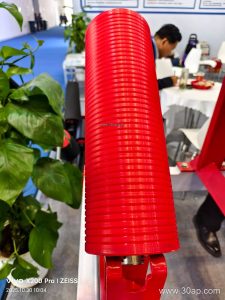
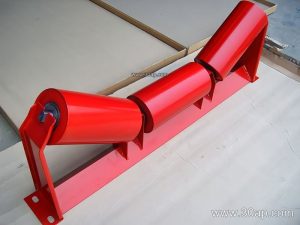
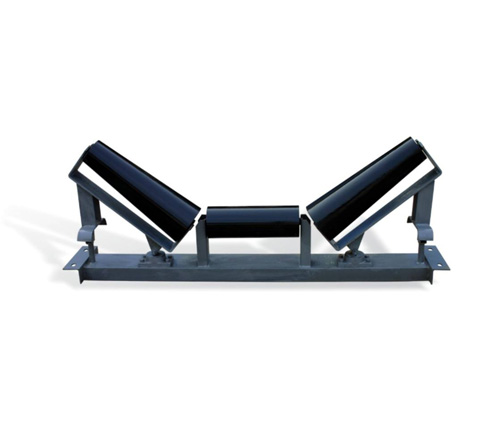
At the transfer point where material drops onto a conveyor belt, the belt takes its hardest hit. An impact idler bracket is the support frame that holds the cushioning rollers directly under that falling stream. Its job is to keep those rollers at the right height and angle so they absorb shock, protect the belt carcass, and keep the load centered as it moves downstream. In a quarry, a cement plant, or a coal handling system, this small frame often decides whether a belt lasts for years or fails at the loading zone.
The bracket is not a wear part in the same sense as the roller shell, but it is a structural element. It must resist vibration, repeated impact, and the buildup of dust and fines. A poorly supported impact station can sag, letting the belt dip into the frame and causing edge damage or mistracking.
Construction and Mounting
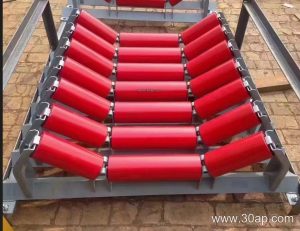
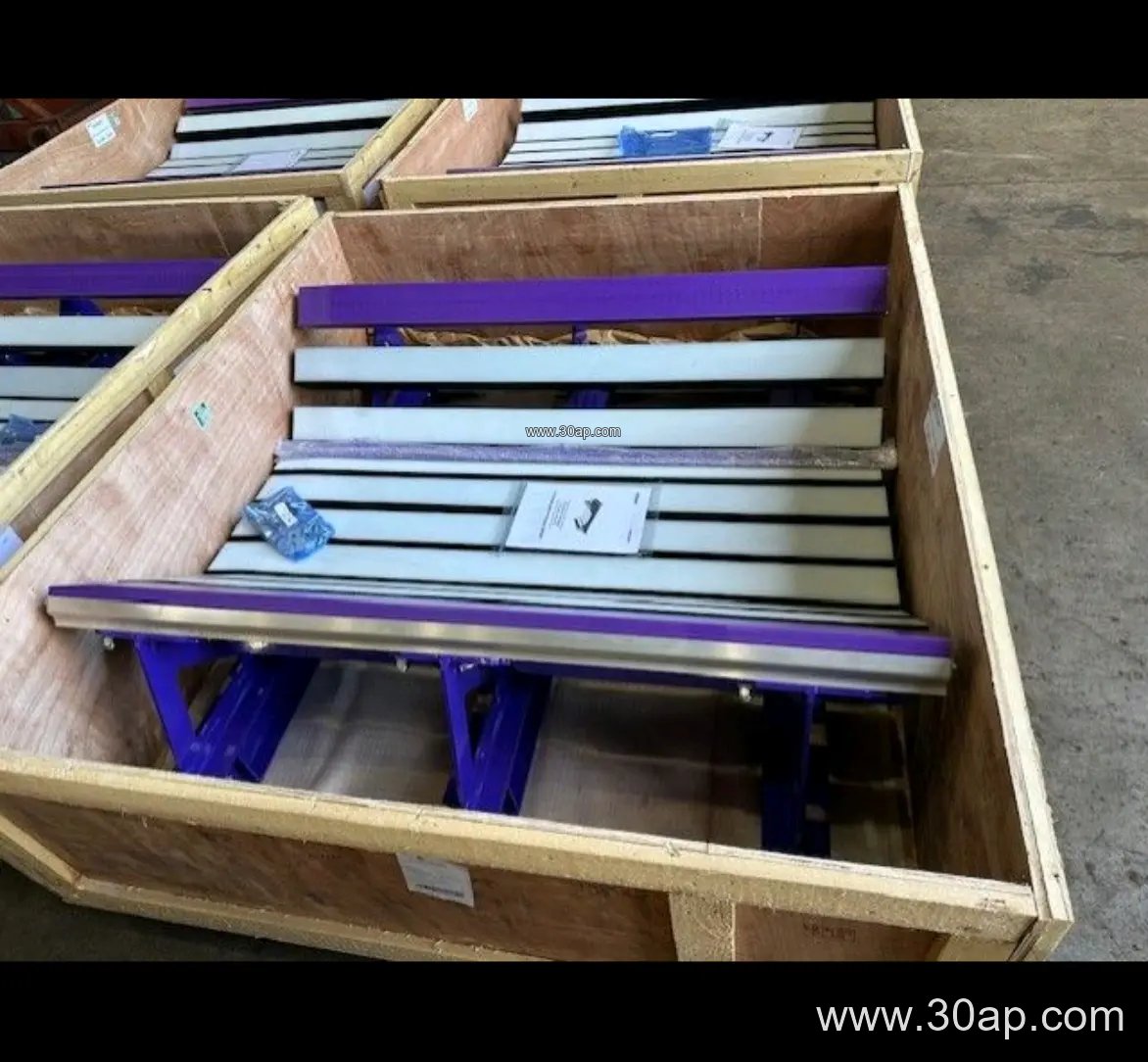
Most impact idler brackets are fabricated from angle steel, channel steel, or folded steel plate. The design usually includes a crossbeam that spans the conveyor frame, mounting plates or slots for the idler shafts, and sometimes a reinforced base to spread the load. Because the bracket sits in the impact zone, builders often add gussets or thicker plate at the corners.
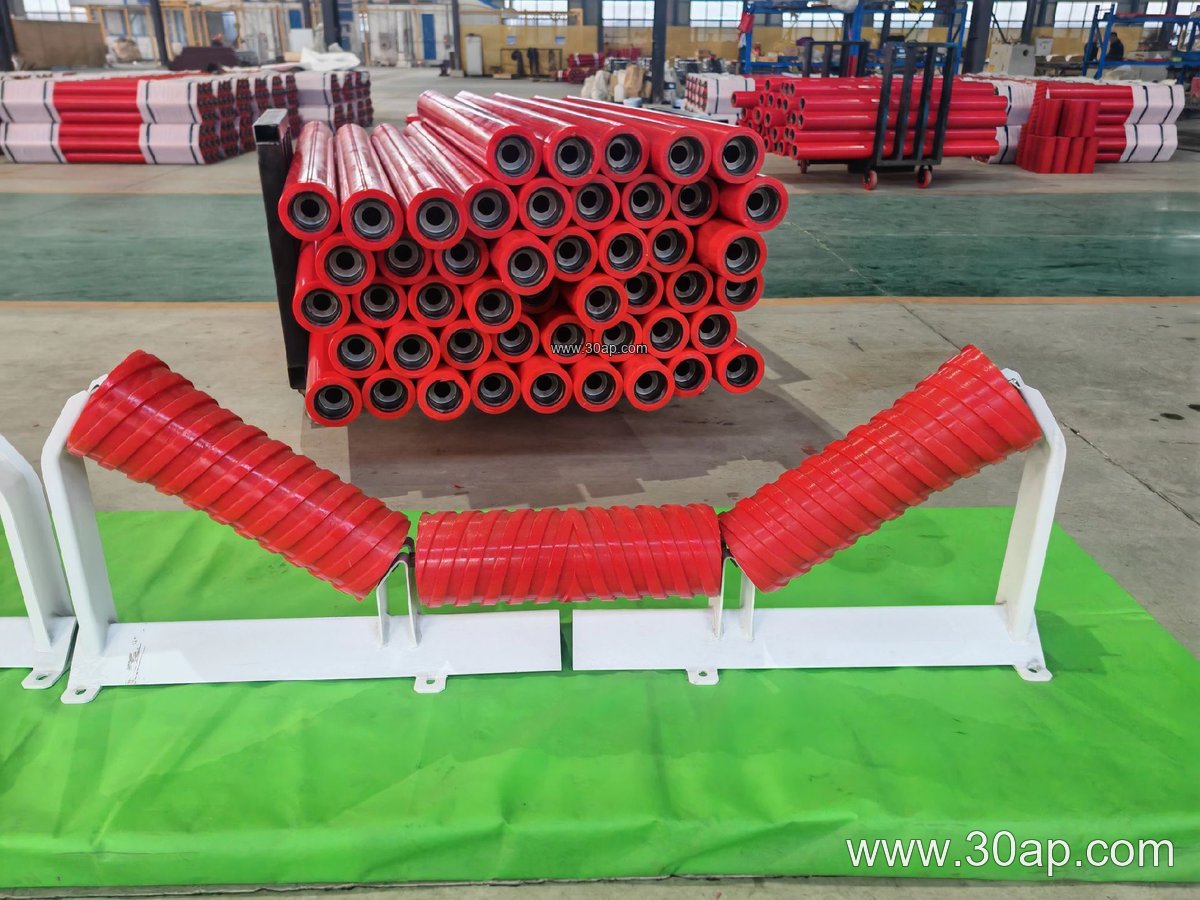
Mounting position matters. The bracket is fixed to the conveyor stringers just below the belt line, and the height is set so the rubber discs or rings of the impact rollers sit slightly above the normal carrying idler profile. This allows the belt to compress the cushioning rollers under load rather than striking a rigid surface. On portable or re-locatable conveyors, bolted brackets are common; on long overland systems, welded or heavy bolted frames are preferred.
Matching the Bracket to Belt Width, Trough Angle, and Roller Diameter
An impact idler bracket is selected together with the roller set it carries. Common belt widths in bulk handling include B500, B650, B800, B1000, B1200, B1400, B1600, and B1800, with wider frames available for large port and plant conveyors. The trough angle is usually 20, 30, 35, or 45 degrees, and adjustable brackets allow the angle to be set within that range during installation. Roller diameters are typically Ø89, Ø108, Ø133, Ø159, or Ø194, depending on belt width and load.
There is no single fixed match between belt width and roller diameter or trough angle. A B800 frame may be built for 30 or 35 degrees and for Ø108 or Ø133 rollers, depending on the conveyor design and the impact energy expected. The table below shows reference combinations, not mandatory pairings.
- B650, 30 degrees, Ø89 — light to medium impact, smaller aggregate
- B800, 35 degrees, Ø108 — typical quarry or cement transfer point
- B1000, 35 degrees, Ø133 — heavier lump size or higher drop height
- B1200, 45 degrees, Ø133 — wide belt with deep troughing at the load zone
- B1400, 35 degrees, Ø159 — high-capacity bulk material conveyor
- B1600, 45 degrees, Ø194 — large port or primary crushing discharge
Installation hole spacing and crossbeam length change with belt width and trough angle, so the bracket should be ordered against the actual conveyor drawing rather than a nominal size alone.
Where It Fits in the Conveyor Line
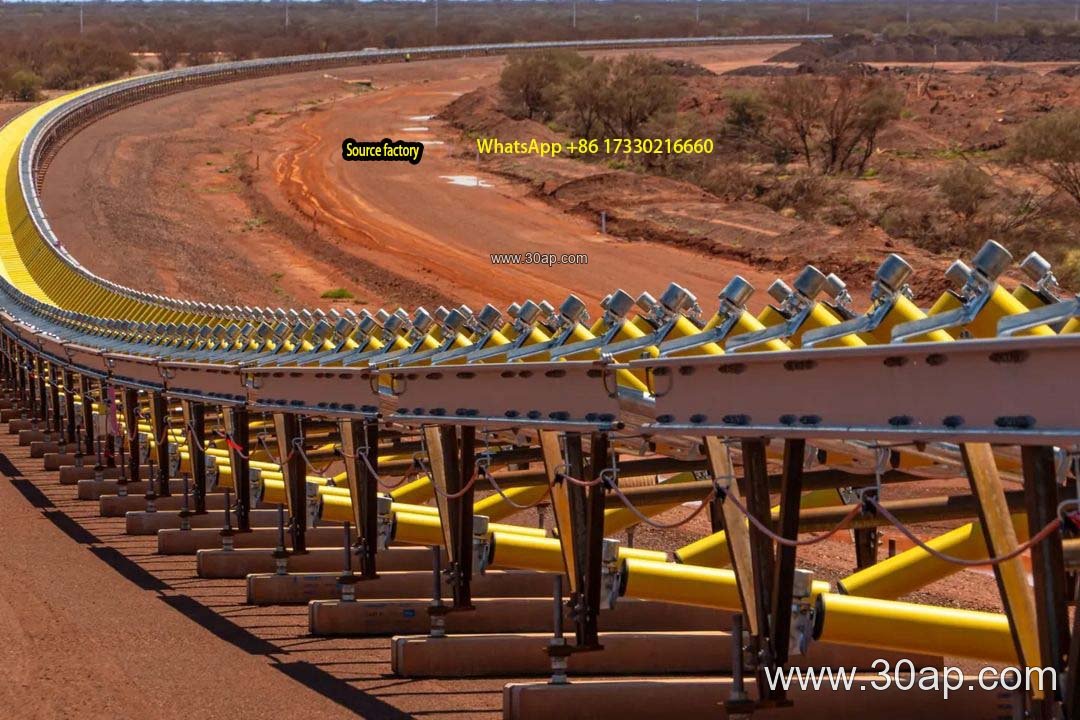
The impact idler bracket is normally used at the receiving point under a crusher, screen, or chute. In a sand and gravel line, it protects the belt beneath the primary jaw or cone discharge. In a power plant coal yard, it sits under the transfer house where coal drops from one conveyor to the next. In an iron ore or copper ore handling circuit, it cushions the belt against sharp, heavy lumps.
It works alongside the troughing idler bracket, transition bracket, and return bracket, but it should not be confused with them. The transition bracket gradually changes belt shape near a pulley; the impact bracket is specifically a shock-absorbing support at the load point. The conveyor pulley itself, whether a drive pulley or a bend pulley, has a different role and is not a substitute for impact support.
Buyer Checklist
Before ordering, confirm the belt width, the required trough angle, the impact roller diameter, and the mounting hole pattern. Ask whether the frame is welded or bolted and whether it is fixed or adjustable. Check the material thickness and the surface treatment, especially in wet or corrosive plants. For a coal mining conveyor belt or an underground mining conveyor belt, flame retardant and anti-static properties usually apply to the belt, while the bracket should be selected for ruggedness and ease of replacement.
The bracket should also suit the belt it supports. A heavy-duty mining conveyor belt or a high abrasion resistant conveyor belt may need a stiffer frame and larger rollers than a lightweight fabric core conveyor belt. At the same time, the impact station should not be treated as a cure for poor chute design; a properly directed material stream reduces the load on both the bracket and the belt.
For buyers sourcing complete conveyor components, it helps to review the belt specification together with the idler and bracket selection. A rubber conveyor belt, an EP conveyor belt, or a steel cord conveyor belt each has different tolerance for impact, and the bracket layout should reflect that. Matching the impact idler bracket to the actual duty keeps maintenance predictable and protects the investment in the belt.