What a Conveyor Idler Quotation Covers
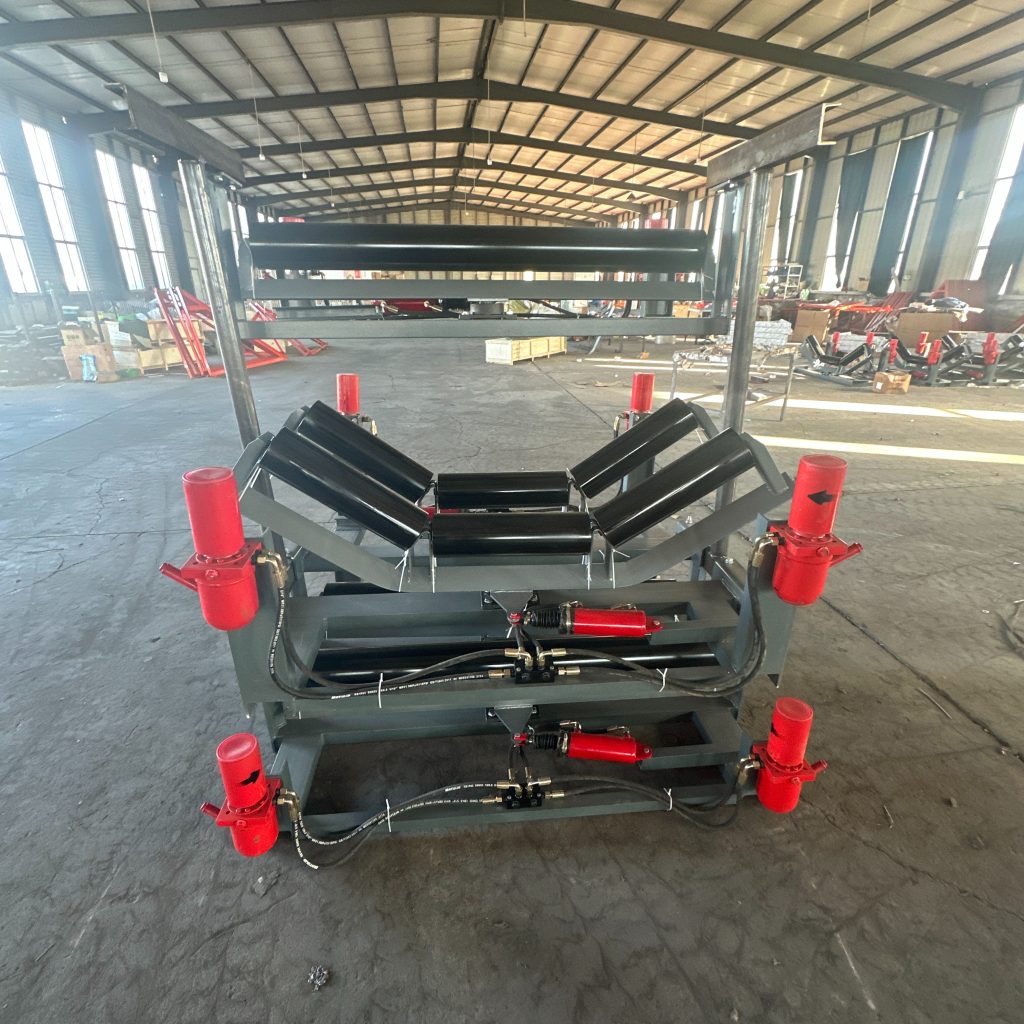
A conveyor idler quotation is more than a price list. It is a technical and commercial summary of the carrying and return rollers that support the conveyor belt along a bulk handling line. Because idlers are consumables that wear gradually, the quotation often decides how smoothly maintenance budgets and spare-part planning will run for the next few years. A well-prepared offer usually links each roller to its position on the conveyor, its load duty, and the environment it works in.
Buyers in quarries, coal washing plants, cement kilns, power station coal yards, and aggregate crushing circuits all ask for the same core information, even if their operating conditions differ. The quotation should make clear which items are standard troughing sets, which are impact or return units, and which are special designs such as self-aligning or spiral rollers.
How the Roller Assembly Is Built
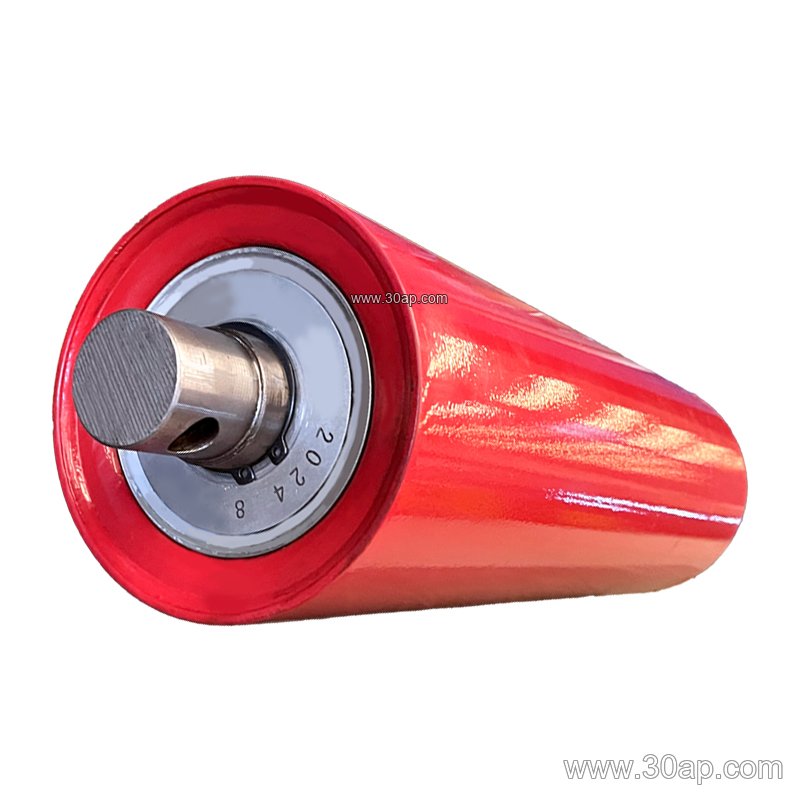
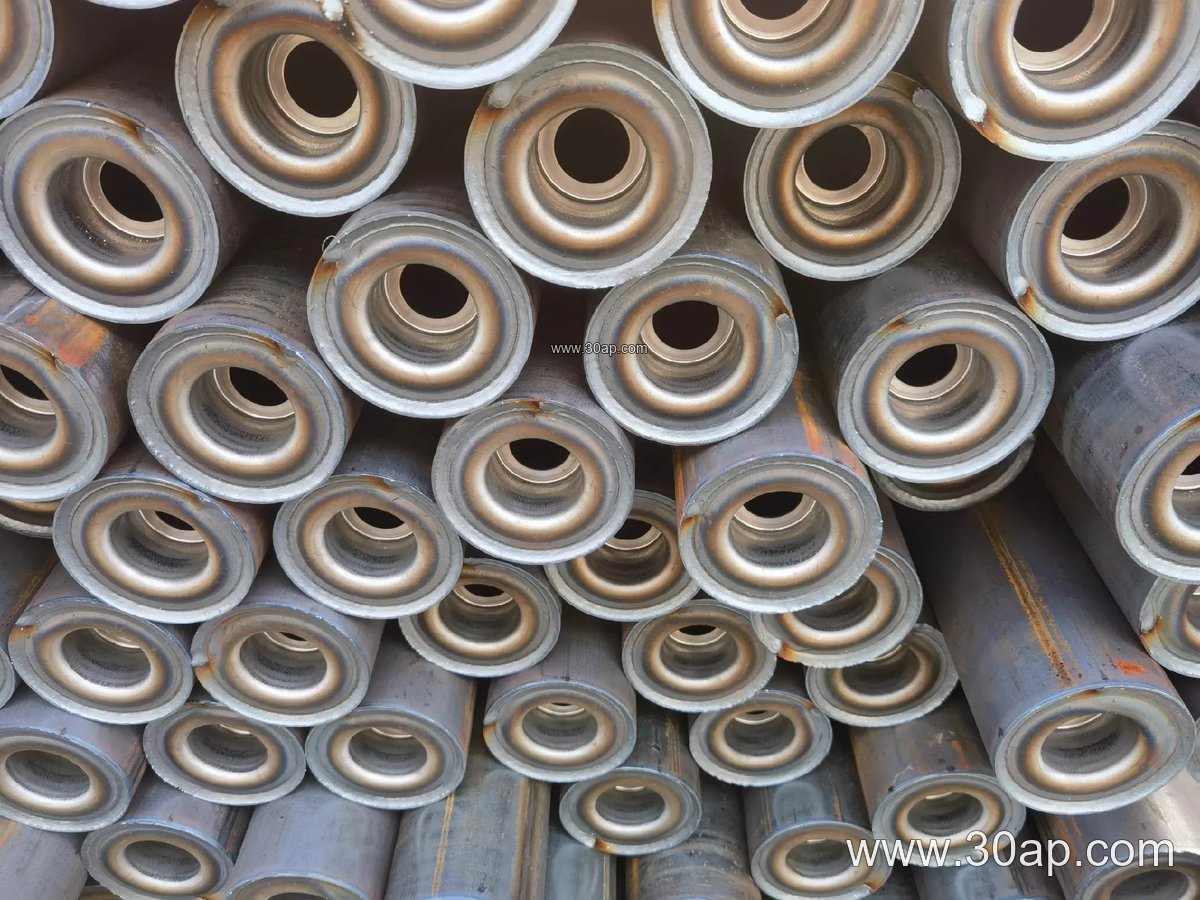
A typical idler roller consists of a steel tube shell, a shaft, bearing housings, labyrinth seals, and a set of bearings. The shell may be plain steel, nylon-coated, ceramic-lined, or fitted with rubber rings for impact absorption. Sealing quality matters as much as tube thickness, because fine dust from crushing and screening lines can destroy bearings quickly if the labyrinth is poorly designed.
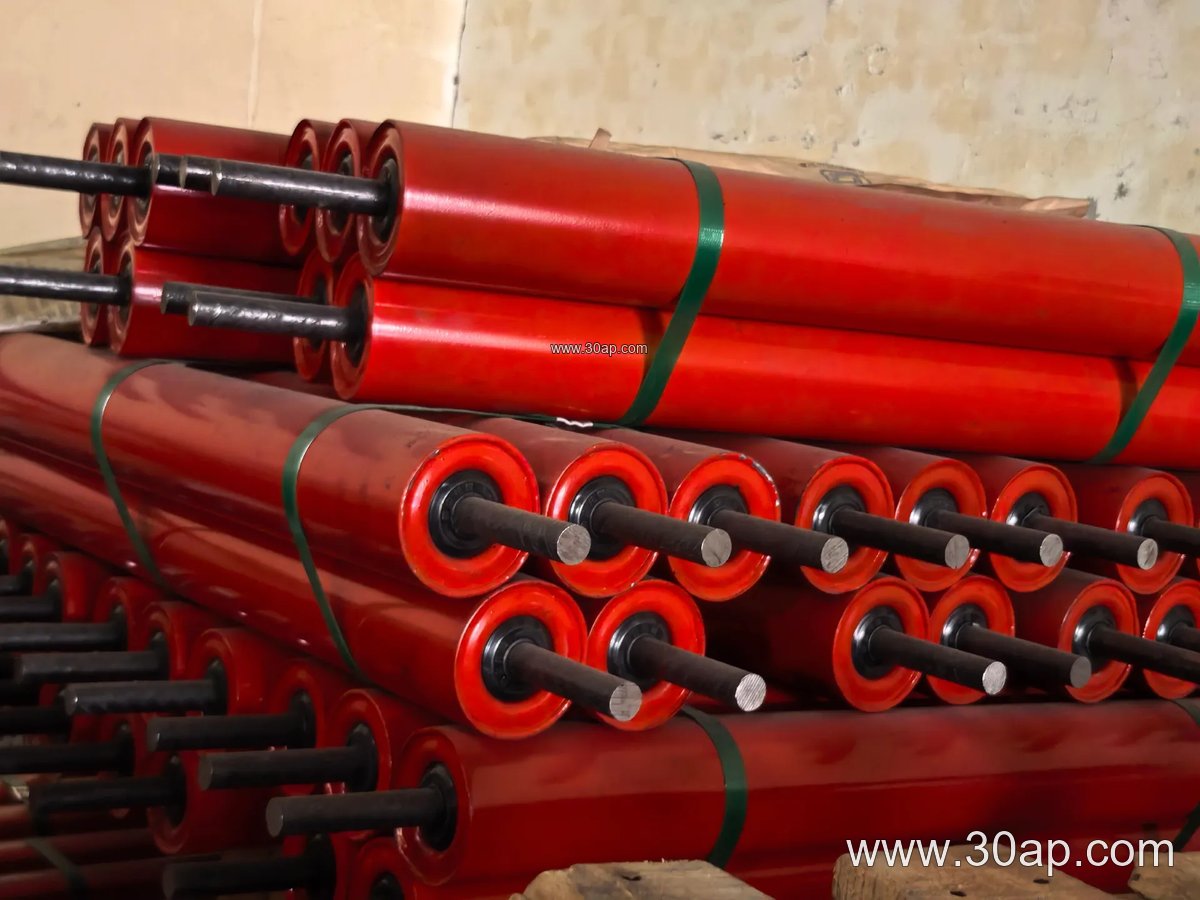
Bearing selection is usually matched to load and speed rather than to a single tube size. Common bearing numbers include 6204, 6205, 6305, 6306, 6308, and 6310, but the same bearing can serve several roller diameters depending on the duty. This is why a quotation should state the bearing brand or grade, the seal type, and the grease specification instead of only the roller diameter.
Matching Roller Diameter and Belt Width
Roller diameter and belt width are related through the conveyor design, not through a fixed rule. A 500 mm or 650 mm belt may use smaller rollers, while a 1200 mm or 1400 mm belt in a heavy-duty mining application often needs a larger shaft and bearing. The table below shows typical reference values; actual selections are confirmed by the conveyor designer.
| Belt Width | Common Troughing Roller Length (three-roll set) | Typical Roller Diameter Range |
|---|---|---|
| B500 | approx. 200 mm | Ø63 to Ø89 mm |
| B650 | approx. 250 mm | Ø76 to Ø102 mm |
| B800 | approx. 315 mm | Ø89 to Ø108 mm |
| B1000 | approx. 380 mm | Ø102 to Ø133 mm |
| B1200 | approx. 465 mm | Ø108 to Ø159 mm |
| B1400 | approx. 530 mm | Ø127 to Ø159 mm |
| B1600 | approx. 600 mm | Ø133 to Ø178 mm |
| B1800 | approx. 670 mm | Ø159 to Ø194 mm |
| B2000 | approx. 750 mm | Ø178 to Ø219 mm |
Side rollers and centre rollers can differ in length, and transition or impact idlers often use a different arrangement from the standard three-roll troughing set. A quotation that treats every roller as identical is a warning sign.
Types That Commonly Appear in an Offer
The main carrying group is the troughing idler, usually supplied as a single-roll, two-roll, or three-roll set with a trough angle of 20, 30, 35, or 45 degrees. A forward tilt of about 1.5 to 2 degrees is sometimes specified on training idlers to help keep the belt centred. Return side rollers include flat return rollers and V-shaped return rollers, while impact rollers with rubber rings are placed under loading points in crusher and transfer stations.
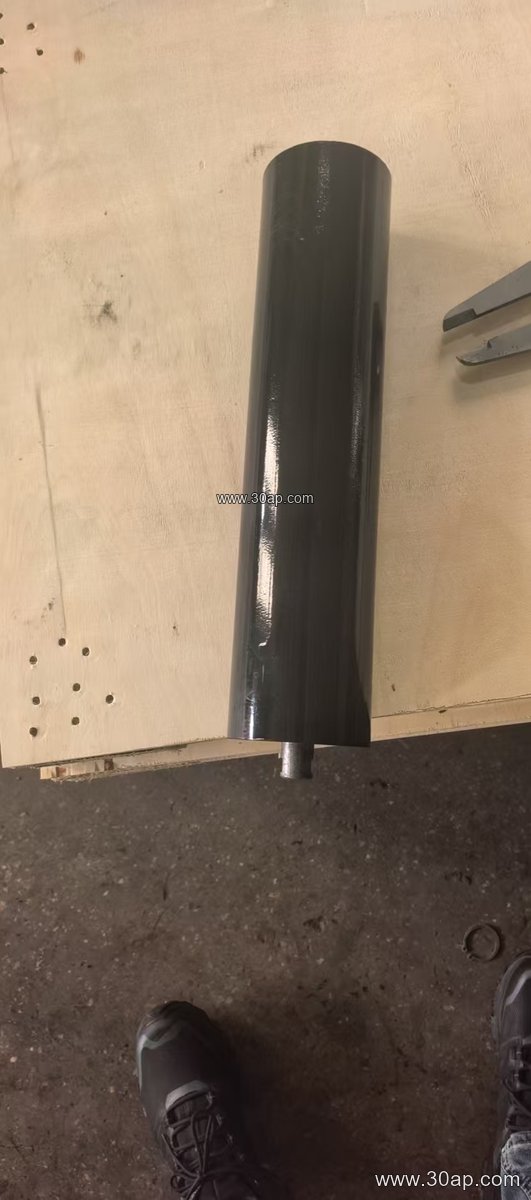
Self-aligning types, including friction and tapered designs, are often quoted for long overland conveyors where belt wander is a concern. Spiral rollers are used where sticky material tends to build up on the shell. Each of these is a distinct subtype and should not be confused with drive, tail, or bend pulleys, which are different components altogether.
Information a Buyer Should Confirm
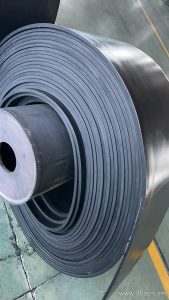
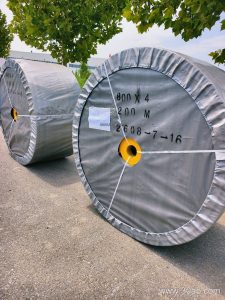
- Belt width and belt type, for example an EP conveyor belt or a steel cord conveyor belt, since belt stiffness affects idler spacing.
- Material being carried and its lump size, especially at transfer points where impact rollers are needed.
- Operating environment: dusty coal handling, abrasive quarry rock, or high-temperature clinker near a cement kiln.
- Roller diameter, shell material, bearing number, and seal design for each line item.
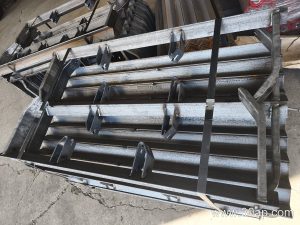
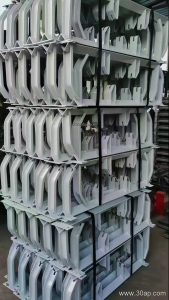
- Mounting details, including the conveyor bracket type and frame dimensions.
- Required quantity per set, spare ratio, and delivery schedule.
For abrasive duties such as iron ore or copper ore, buyers often pair abrasion resistant conveyor belt with heavier roller shells. In coal mining, flame retardant conveyor belt and anti-static conveyor belt are common alongside fire resistant conveyor belt specifications. The idler quotation should reflect these conditions rather than offering one universal roller for every line.
How to Compare Offers Fairly
Price alone rarely shows the real cost. A quotation using thinner tube walls, lower-grade bearings, or simpler seals may look cheaper but will need replacement sooner. Ask each supplier to state tube thickness, shaft diameter, bearing brand, seal type, painting or coating, and packing method. Where possible, request a sample roller for inspection before a large order. A clear, itemised conveyor idler quotation makes this comparison straightforward and helps maintenance teams plan spare stock with confidence.