What a 500mm Conveyor Belt Is
A 500mm conveyor belt is a belt with a nominal width of 500 mm, often written as B500 in specifications and drawings. It sits at the compact end of standard belt widths, above small package-handling belts and below the 650mm, 800mm and 1000mm sizes used on heavier bulk lines. Because the width is modest, the belt is usually paired with a matching frame, idler roller set and conveyor pulley arrangement, and it can be found in sand and gravel plants, small cement packing lines, recycling yards and light mining duties where the tonnage per hour is moderate.
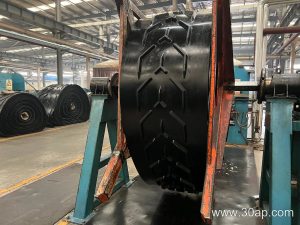
The product is not a single material. A 500mm belt can be a Rubber Conveyor Belt, an EP Conveyor Belt, an NN Conveyor Belt, a PVC belt or a special construction such as a Chevron Conveyor Belt or Corrugated Sidewall Conveyor Belt. The width stays the same; the carcass and cover compound change with the duty.
How the Belt Is Built
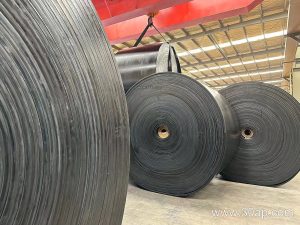
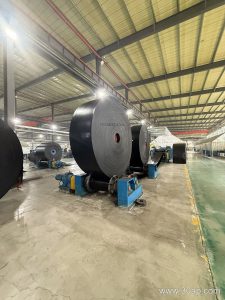
Most fabric-core belts in this width use a multi-ply construction. Two to five plies of EP or NN fabric carry the tension, and rubber covers protect the carcass from abrasion, water, oil or heat. A Fabric Core Conveyor Belt of this width is common on short to medium centres. Where the conveyor is long or the load is heavy, a Steel Cord Conveyor Belt may be chosen instead, though steel cord designs are more often seen in wider sizes.
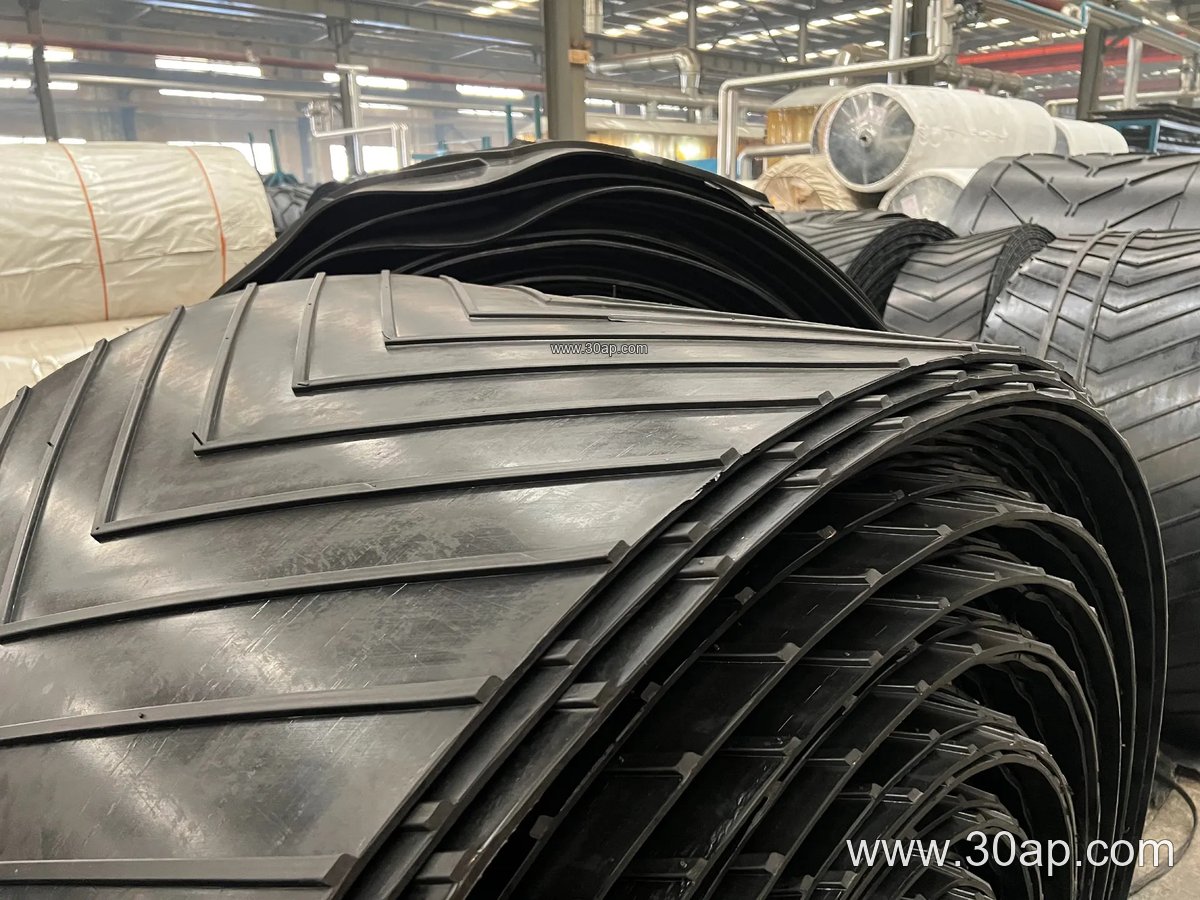
Cover thickness is usually quoted as top plus bottom, for example 4+2 mm or 6+2 mm. The right grade depends on the material: An Abrasion Resistant Conveyor Belt for crushed stone, a Heat Resistant Conveyor Belt near clinker or hot ash, a Flame Retardant Conveyor Belt in coal handling, or an Oil Resistant Conveyor Belt where lubricants or oily scrap are present. Anti-Static Conveyor Belt grades are also available for dusty or explosive-risk areas.
Common Specifications
The table below shows indicative values only. Actual figures are set by the belt manufacturer and the conveyor design, and they vary between suppliers.
| Item | Typical Range or Example |
|---|---|
| Nominal width | 500 mm (B500) |
| Belt types | EP, NN, PVC, PVG, chevron, corrugated sidewall |
| Fabric strength grades | EP200, EP315, EP400, EP500, EP630, EP800 |
| Number of plies | 2 to 5, common for this width |
| Cover thickness | 3+1.5 mm, 4+2 mm, 5+2 mm, 6+2 mm |
| Surface forms | Smooth, patterned, cleated, sidewall |
Strength grades such as EP200 or EP400 describe the fabric, not the belt width. A 500mm belt can be built in several grades, and the choice should follow the calculated tension, not habit.
Where It Fits on Site
In a quarry or aggregate plant, a 500mm belt often feeds a screen or transfers material between crushers on a short conveyor. In a cement plant it may carry additives or bagged product. In coal mining, a Flame Retardant Conveyor Belt or PVG belt in this width can serve auxiliary sections, while main haulage usually needs wider belts. Recycling and food processing lines also use this size, sometimes with a Food Grade Conveyor Belt or a PVC belt for easy cleaning.
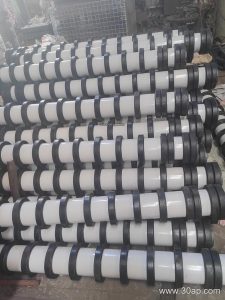
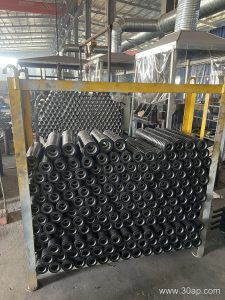
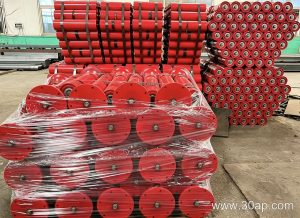
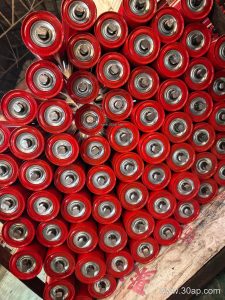
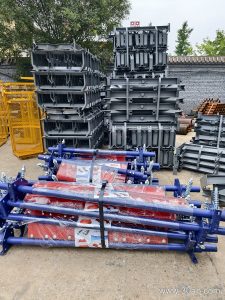
Small drives still need proper components. The conveyor pulley at the head and tail, the idler roller spacing and the conveyor bracket mounts all affect belt tracking. A narrow belt is less forgiving of misalignment, so pulley alignment and roller squareness matter as much as belt quality.
Buyer Checklist
- Confirm the actual duty: material, lump size, temperature, moisture and oil exposure.
- Match the carcass grade to the calculated belt tension, not to the width alone.
- Check cover thickness and grade against wear and heat conditions.
- Ask whether the belt is supplied as an Endless Conveyor Belt or in open lengths for mechanical splicing.
- Confirm pulley diameter and roller spacing with the conveyor designer; belt width does not fix pulley size.
- For inclined sections, consider a Chevron Conveyor Belt or a Skirted Conveyor Belt to control material rollback and spillage.
For anyone sourcing a 500mm Conveyor Belt, the practical rule is to treat width, carcass, cover and surface form as separate decisions. A belt that matches the frame but not the load will wear early, while an over-specified belt adds cost without benefit. Buyers can compare grades and dimensions through a supplier such as www.hnconveyorbelt.com and confirm the final specification against the conveyor layout.