What a Trough Idler Bracket Set Does
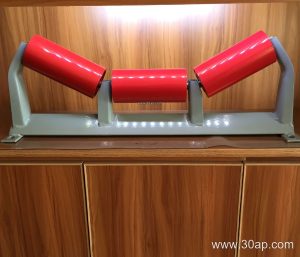
A trough idler bracket set is the structural frame that holds the carrying idlers in a troughed arrangement on a belt conveyor. It positions three or more idler rollers in a V or U shape so the conveyor belt forms a trough, keeping bulk material centered during transport. This bracket set is a key component in industries such as mining, coal preparation, cement plants, power plant coal handling, and quarry operations. The set typically includes the main bracket, mounting plates, and adjustable arms that set the trough angle.
Construction and Materials
Most trough idler bracket sets are fabricated from angle steel, channel steel, or bent steel plate. The material choice depends on load requirements and environmental conditions. For corrosive or wet environments, galvanized or painted finishes are common. The bracket must be rigid enough to resist vibration and impact from material loading, especially in primary crushing circuits or transfer points where a heavy-duty mining conveyor belt operates.
Key structural features include:
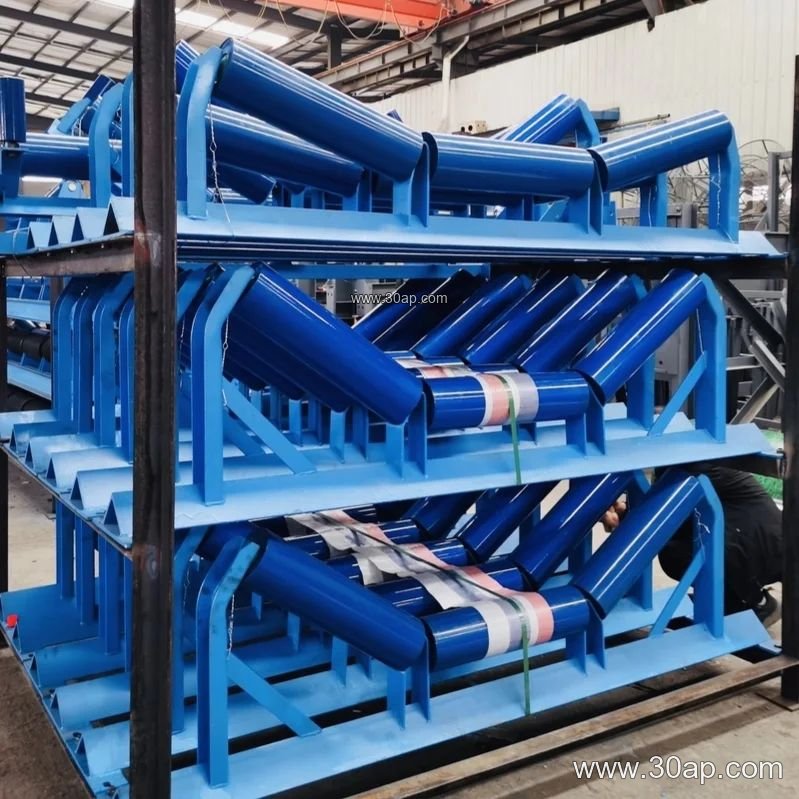
- Mounting slots or holes for attaching idler rollers
- Adjustable or fixed arms to set the trough angle (commonly 20°, 30°, 35°, or 45°)
- Cross beams sized to match belt width
- Reinforcement at pivot points for long service life
Where It Fits in a Conveyor System
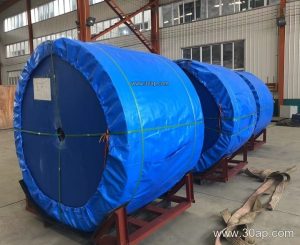
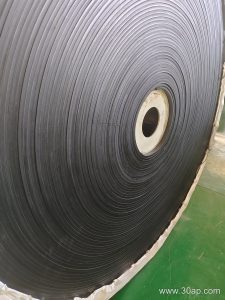
The trough idler bracket set is installed on the carrying side of the conveyor, between the head and tail pulleys. It works together with the conveyor belt and idler rollers to maintain proper belt profile. In a typical mining conveyor belt system, these bracket sets are spaced along the conveyor length, with closer spacing at loading points to support impact. They are not used on the return side, where different bracket types such as flat or V-return brackets are employed.
For example, in a coal mining conveyor belt or a quarry conveyor belt, the bracket set must handle continuous loading and possible material spillage. In cement plants and power plants, dust and fine particles require brackets that resist buildup and are easy to clean.
Matching Bracket Sets to Belt Width and Idler Diameter
Selection of a trough idler bracket set depends on belt width, idler roller diameter, and required trough angle. Common belt widths include B500, B650, B800, B1000, B1200, B1400, B1600, B1800, B2000, and B2200. Idler diameters often range from Ø89 to Ø194. The bracket set must be sized so the idler shafts fit the mounting slots and the cross beam length matches the belt width.
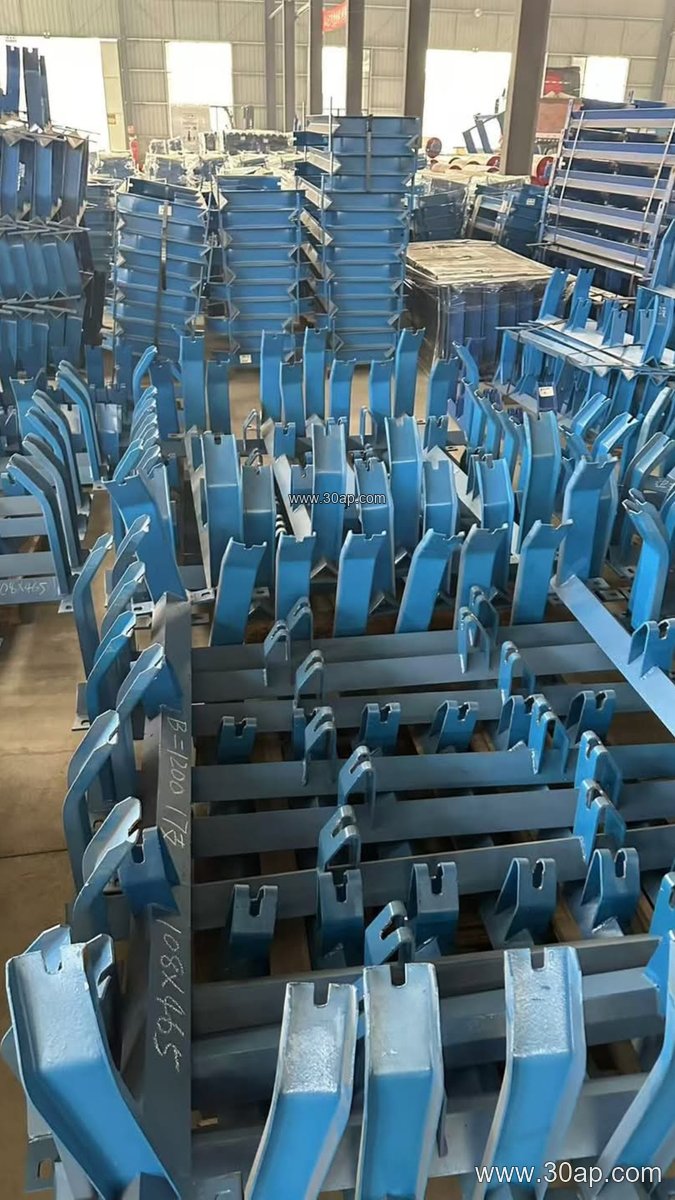
Typical combinations seen in industry (for reference only, not fixed rules):
- B800 with 35° trough angle and Ø108 idlers
- B1200 with 45° trough angle and Ø133 idlers
- B650 with 30° trough angle and Ø89 idlers
These examples show that a given belt width can work with different trough angles and idler diameters depending on the application and conveyor design. Installation hole spacing and beam length vary with belt width and trough angle, so they should be confirmed with the conveyor designer.
Adjustable vs. Fixed Bracket Sets
Adjustable trough idler bracket sets allow the trough angle to be changed on site, typically between 20° and 45°. This flexibility helps optimize material containment for different bulk materials. Fixed bracket sets are welded or bolted at a set angle and are common in stable, high-volume operations where the material profile is consistent. Both types are used in heavy-duty mining conveyor belt systems and aggregate conveyor belt lines.
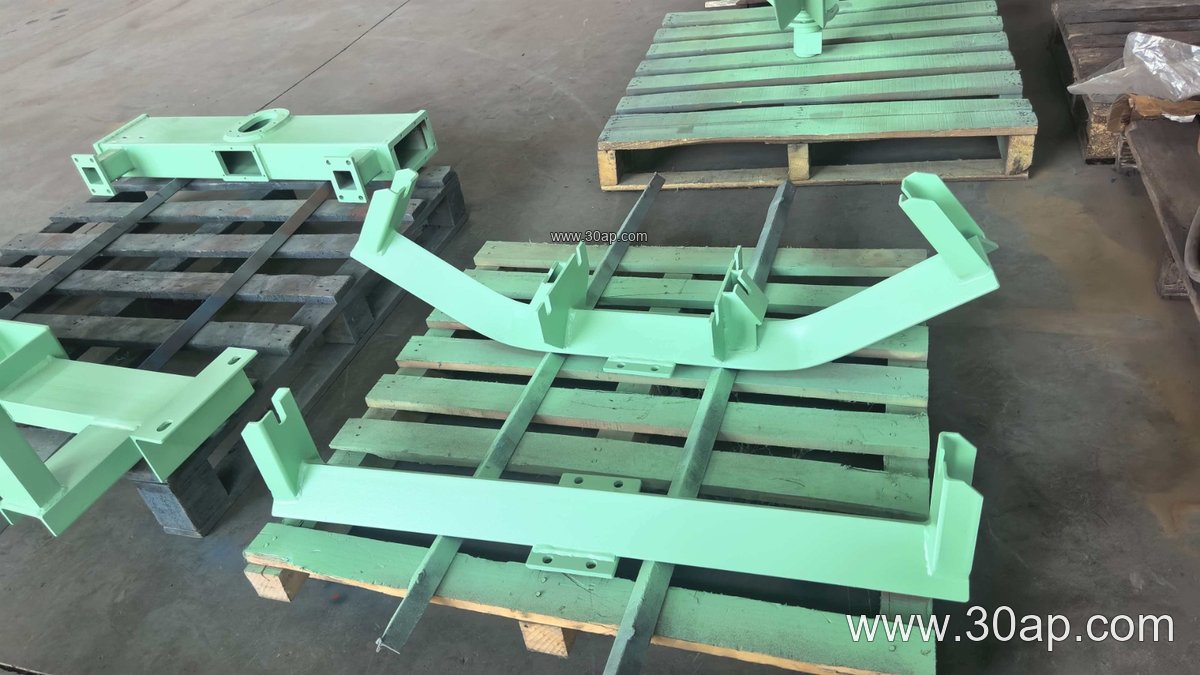
Forward-tilted brackets (about 1.5° to 2°) are another option that helps train the belt and reduce mistracking. These are often used in combination with self-aligning idler sets in long conveyors.
Buyer Checklist
When specifying a trough idler bracket set, consider:
- Belt width and conveyor capacity
- Idler roller diameter and shaft size
- Required trough angle and whether adjustment is needed
- Material of construction and surface finish
- Mounting dimensions and compatibility with existing conveyor structure
- Environmental factors such as dust, moisture, and temperature
For conveyors handling abrasive materials like iron ore or copper ore, brackets should be robust and well-sealed at pivot points. In food or chemical applications, consider stainless steel or coated brackets where contamination is a concern.
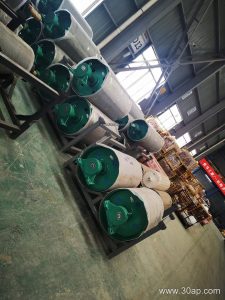
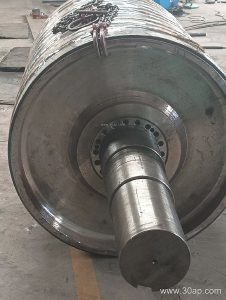
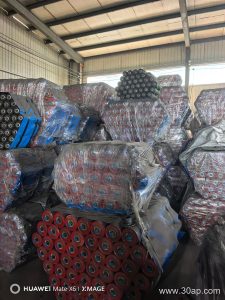
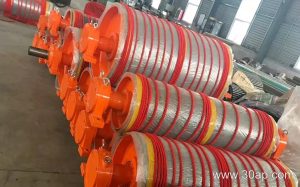
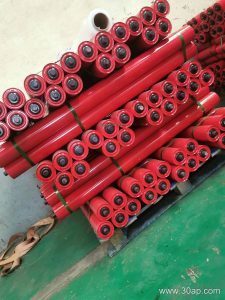
Related conveyor components such as the conveyor pulley, idler roller, and conveyor bracket should be selected as a system to ensure proper belt tracking and long service life.