What a Steel Idler Is and Where It Fits
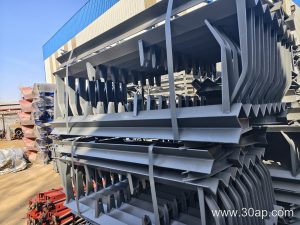
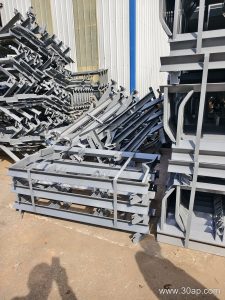
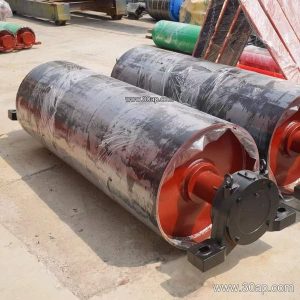
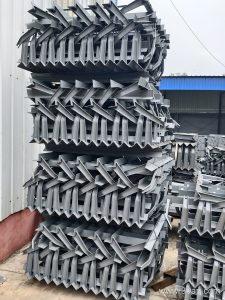
A steel idler is a rotating roller assembly used to support and guide the conveyor belt along its carrying and return runs. In a typical bulk handling line, these rollers are mounted in frames or brackets at regular intervals, forming the trough that shapes the belt and the flat or V-shaped path that supports the return strand. The steel idler is distinct from the conveyor pulley, which drives, tails, or bends the belt at the ends of the conveyor. Drive pulleys, tail pulleys, and bend pulleys are not interchangeable with idlers, and each has a different role in the conveyor structure.
Steel idlers appear in quarry and aggregate lines, coal handling sections of power plants, cement plants, and iron ore or copper ore operations. They also work in port loading systems and tunnel spoil removal, wherever a conveyor belt moves bulk material continuously.
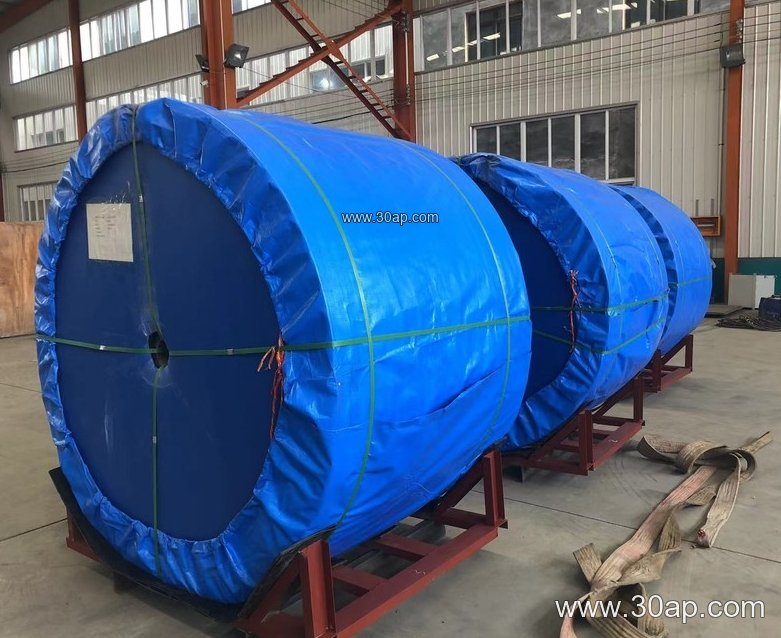
Construction of a Steel Idler
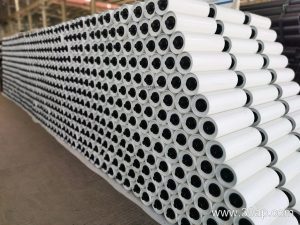
A standard steel idler consists of a steel tube shell, bearing housings at each end, a shaft, and a sealing arrangement. The shell is often made from steel pipe with machined ends to hold the bearings. Common bearing sizes include 6204, 6205, 6305, 6306, 6308, and 6310, but the bearing is selected by the load and speed of the application, not by the roller diameter alone. Seals are critical in dusty work such as crushing and screening, because fine particles can shorten bearing life if they enter the housing.
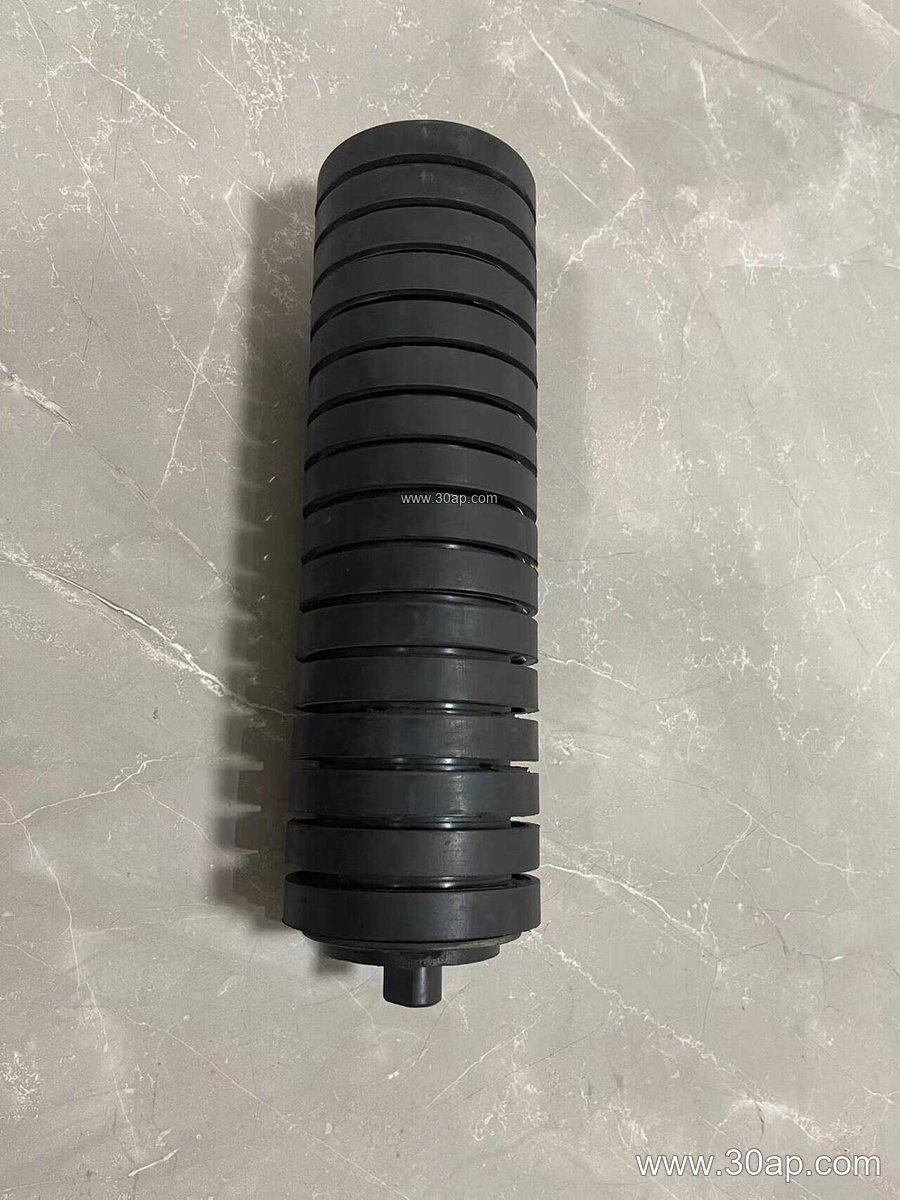
Roller surface options include plain steel, nylon, ceramic, and rubber rings. Rubber rings are common on impact idlers at transfer points where the belt receives falling material. The roller diameter may be Ø63, Ø76, Ø89, Ø102, Ø108, Ø127, Ø133, Ø159, Ø178, Ø194, or Ø219 mm, depending on the belt width and the load. These values are reference examples, not fixed pairings with any one belt width.
Common Idler Arrangements and Their Tasks
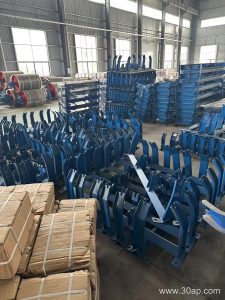
Troughing idlers are usually arranged as a single roller, two rollers, or three rollers in a trough set. The trough angle may be 20, 30, 35, or 45 degrees. A three-roller trough set on a 1000 mm wide belt might use a roller length around 380 mm for the center roller, but side rollers can differ, and the final length is determined by belt width, trough angle, and frame design. A slight forward tilt of about 1.5 to 2 degrees is sometimes used on troughing idlers to help self-align the belt.
- Carrying idlers support the loaded belt and form the trough.
- Impact idlers with rubber rings absorb shock at loading points.
- Return idlers support the empty belt; flat and V-shaped return rollers are common.
- Self-aligning idlers help correct belt tracking on long runs.
- Spiral idlers reduce material buildup on the return side in sticky service.
These are subtypes of the same steel idler family, and each is selected for a specific position on the conveyor. They are not replacements for the drive pulley or tail pulley.
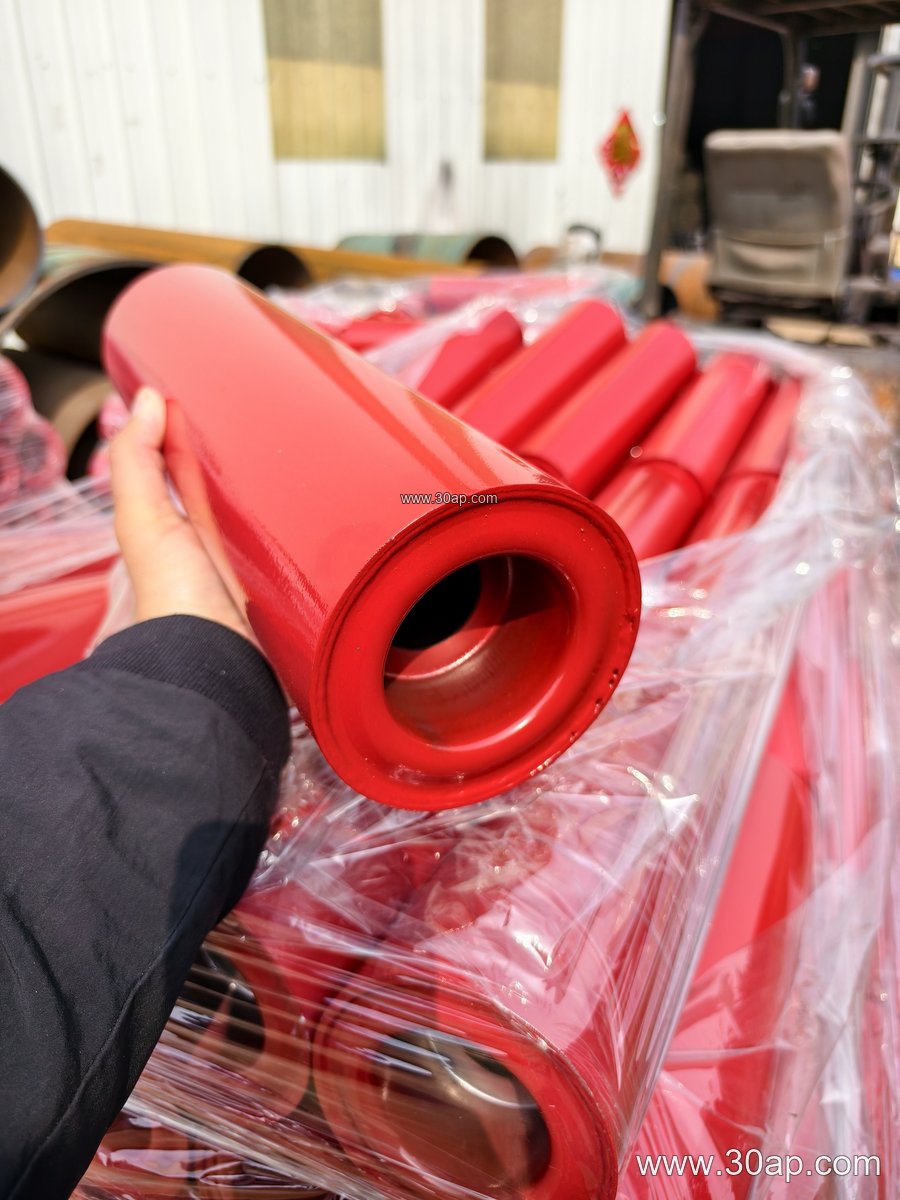
Specifying the Right Steel Idler
Belt width is the starting point for idler selection. Common belt widths include B400, B500, B650, B800, B1000, B1200, B1400, B1600, B1800, B2000, B2200, and B2400. The idler length and frame dimensions follow the belt width and the trough configuration. A buyer should also confirm the material being carried, the belt speed, the load per meter, and the environment. For example, a conveyor handling abrasive ore may need a heavy-duty roller with reinforced seals, while a food or chemical line may call for a different surface finish.
When the conveyor uses a fabric core belt such as an EP conveyor belt or NN conveyor belt, the idler spacing and trough angle affect belt training and power demand. In coal mining and underground mining, flame retardant and anti-static properties are often required for the belt, and the idler seals must resist coal dust. The idler itself does not provide those belt properties, but it must work reliably in the same environment.
Buyer Checklist for Steel Idlers
- Confirm the roller diameter and shaft size required by the conveyor frame.
- Match the idler type to the position: carrying, impact, return, or self-aligning.
- Check bearing size and sealing class for dust and moisture conditions.
- Verify roller length and trough angle against the actual belt width.
- Ask for the surface form, such as plain steel or rubber rings, where impact or buildup is a concern.
- Keep spare idlers and brackets available for critical transfer points.
Regular inspection of idler rotation, seal condition, and frame alignment helps prevent belt damage. A seized roller or a misaligned bracket can wear the belt edge and increase operating cost. For conveyor systems using an abrasion resistant conveyor belt or a heat resistant conveyor belt, the idler should be selected to match the belt’s operating temperature and load profile. More information on idler and belt matching is available at www.example.com/steel-idler and www.example.com/conveyor-idler.