What a Corrugated Sidewall Conveyor Belt Is
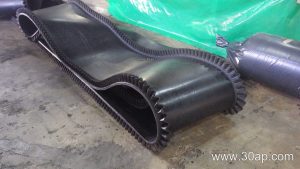
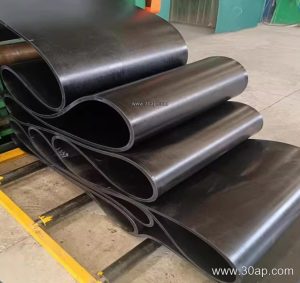
A corrugated sidewall conveyor belt is a fabric- or steel-reinforced rubber belt with raised, wave-shaped edges moulded onto the carrying surface. The sidewalls are usually paired with horizontal cleats or crossbars, forming open pockets that hold material on a steep slope. In many plants this product is also called a skirted conveyor belt or a belt with corrugated sidewalls and cleats, and those names refer to the same construction rather than to different products.
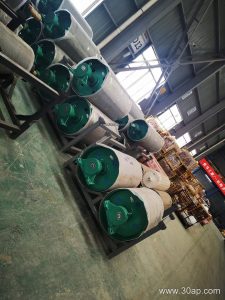
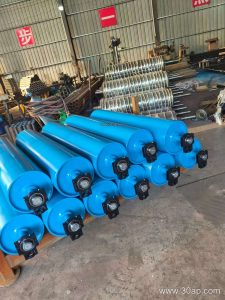
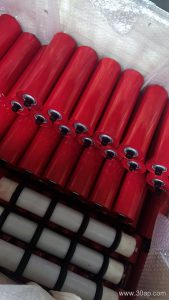
The belt runs on a conventional conveyor frame but needs properly matched pulleys. Drive pulleys, tail pulleys and bend pulleys each do a specific job and are not interchangeable; a bend pulley at the loading or transition zone, for example, cannot substitute for the drive pulley. Idler rollers and conveyor brackets support the carrying and return strands as they would on a standard installation.
How the Belt Is Built
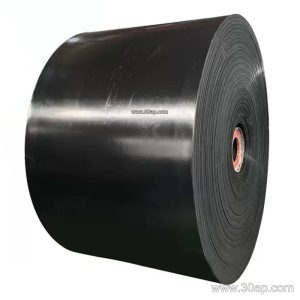
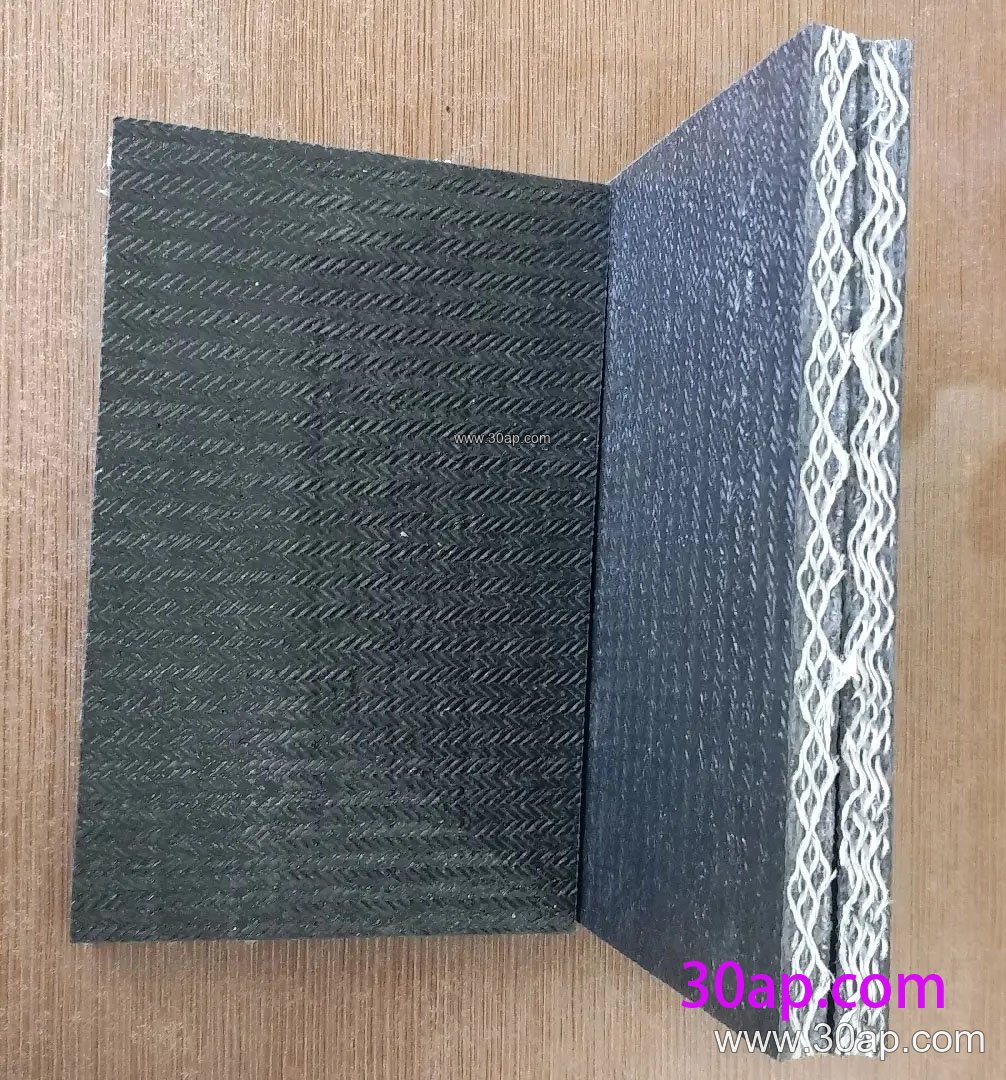
The base belt is commonly an EP conveyor belt or NN conveyor belt carcass with two to six fabric plies, covered on both faces with abrasion resistant rubber. Heavier duties may use a steel cord conveyor belt carcass, while underground coal work often calls for a PVG conveyor belt with flame retardant and anti-static properties. Sidewall height, cleat pattern and cleat pitch are selected together so the pocket volume suits the material and the incline angle.
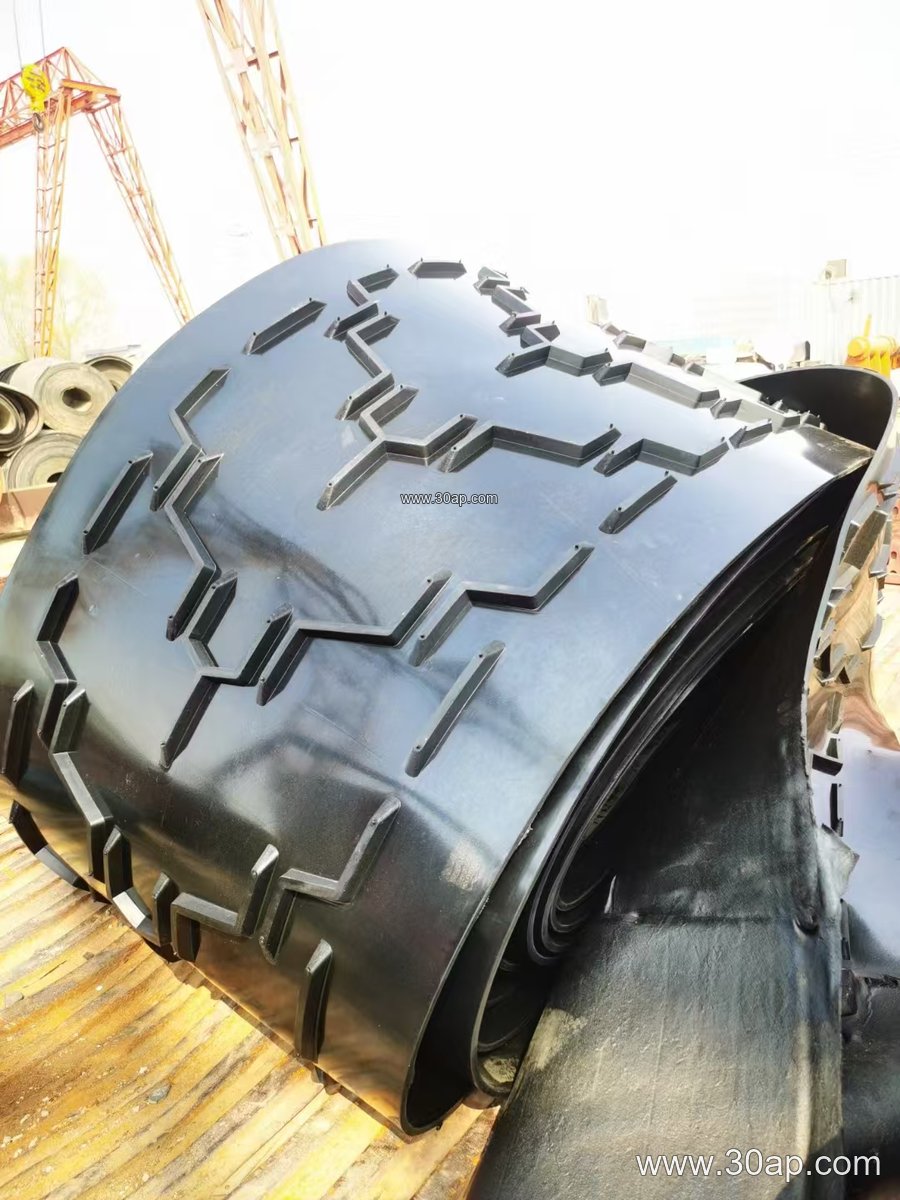
Typical reference values for the base belt are listed below. They are common ranges, not fixed rules, and final values are confirmed by design.
| Parameter | Common reference values |
|---|---|
| Belt width | B500, B650, B800, B1000, B1200, B1400, B1600, B1800, B2000 |
| Carcass strength | EP200, EP315, EP400, EP500, EP630, EP800, EP1000, EP1250, EP1600, EP2000 |
| Cover thickness | 3+1.5, 4+2, 5+2, 6+2, 8+3 mm |
| Fabric plies | 2 to 6 layers |
| Sidewall height | Usually 40, 60, 80, 100, 120 mm and above, by design |
Where It Fits in the Plant
The main advantage is space. A steep-angle belt with corrugated sidewalls can lift material at angles that a smooth belt cannot manage, so the conveyor is shorter and needs less floor area. This suits cement plants handling clinker and limestone, power plants moving coal, quarries and aggregate yards loading crushed stone, and ports transferring bulk material to ships. Sand making plants and crusher discharge lines also use it where the layout is tight.
Material type decides the cover compound. Abrasion resistant conveyor belt grades handle ore and rock, heat resistant conveyor belt grades suit clinker and sinter, oil resistant conveyor belt grades are chosen for oily feedstock, and cold resistant conveyor belt grades are used in freezing yards. In coal mining and underground mining, flame retardant conveyor belt and fire resistant conveyor belt specifications are normally required. Food grade conveyor belt construction is available for edible products, though sidewall belts are more often found in heavy bulk duty.
Selection Points for Buyers
- Confirm the incline angle and the required capacity per hour before choosing sidewall height and cleat pitch.
- Check the pulley diameters for drive, tail and bend positions; the belt thickness and cleat height affect how it wraps each pulley.
- State the material: lump size, temperature, moisture, oil content and whether dust is explosive.
- Decide between an EP fabric core and a steel cord carcass based on tension and splice preference.
- Ask for the cleat and sidewall profile drawing, because base belt width alone does not define the pocket volume.
A belt width of, say, 1200 mm does not lock the installation to one pulley size; pulley diameter follows the carcass, the load and the wrap angle. Buyers should also plan the skirt rubber and cleat wear inspection interval, since these parts see the most abrasion. Matching the belt with the right conveyor pulley, idler roller and conveyor bracket set keeps tracking stable and extends service life.
Installation and Care
Store the belt rolled and supported, avoid sharp folds at the sidewalls, and check belt tracking after the first few shifts. Keep the loading point centred so material does not press against one sidewall. On steep routes, inspect cleats for cracks and re-tension if the belt slips on the drive pulley. A well-matched skirted conveyor belt from a bulk material conveyor line will usually outlast a smooth belt on the same incline because it carries the load instead of letting it slide back.