What a Gold Mining Conveyor Belt Has to Do
A gold mining conveyor belt moves crushed ore, screened gravel, and alluvial wash material between the pit, the crusher, the mill feed, and the tailings area. The duty is rarely gentle. Material can be sharp, damp, abrasive, and sometimes hot from drying or roasting circuits. That is why a belt chosen for a gold plant usually combines high tensile strength with a tough cover compound, and why the conveyor frame, idler roller, and conveyor pulley arrangement must be matched to the same duty. You can review related heavy-duty belting options at goldminingconveyorbelt.com before specifying a full conveyor line.
Construction and Common Belt Types
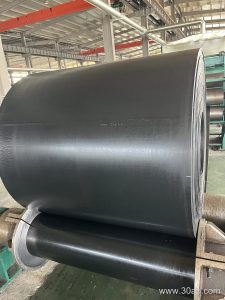
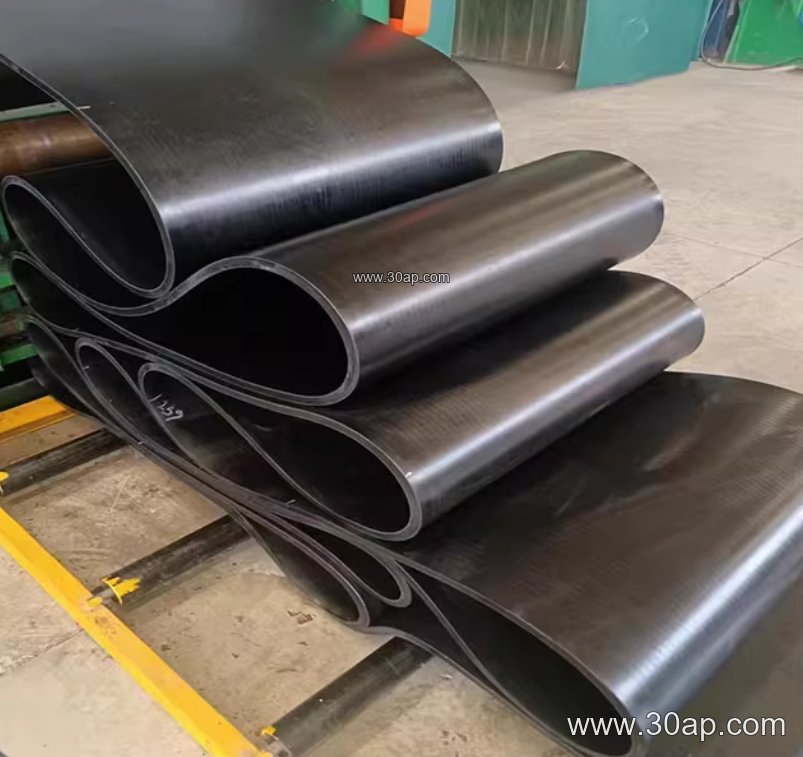
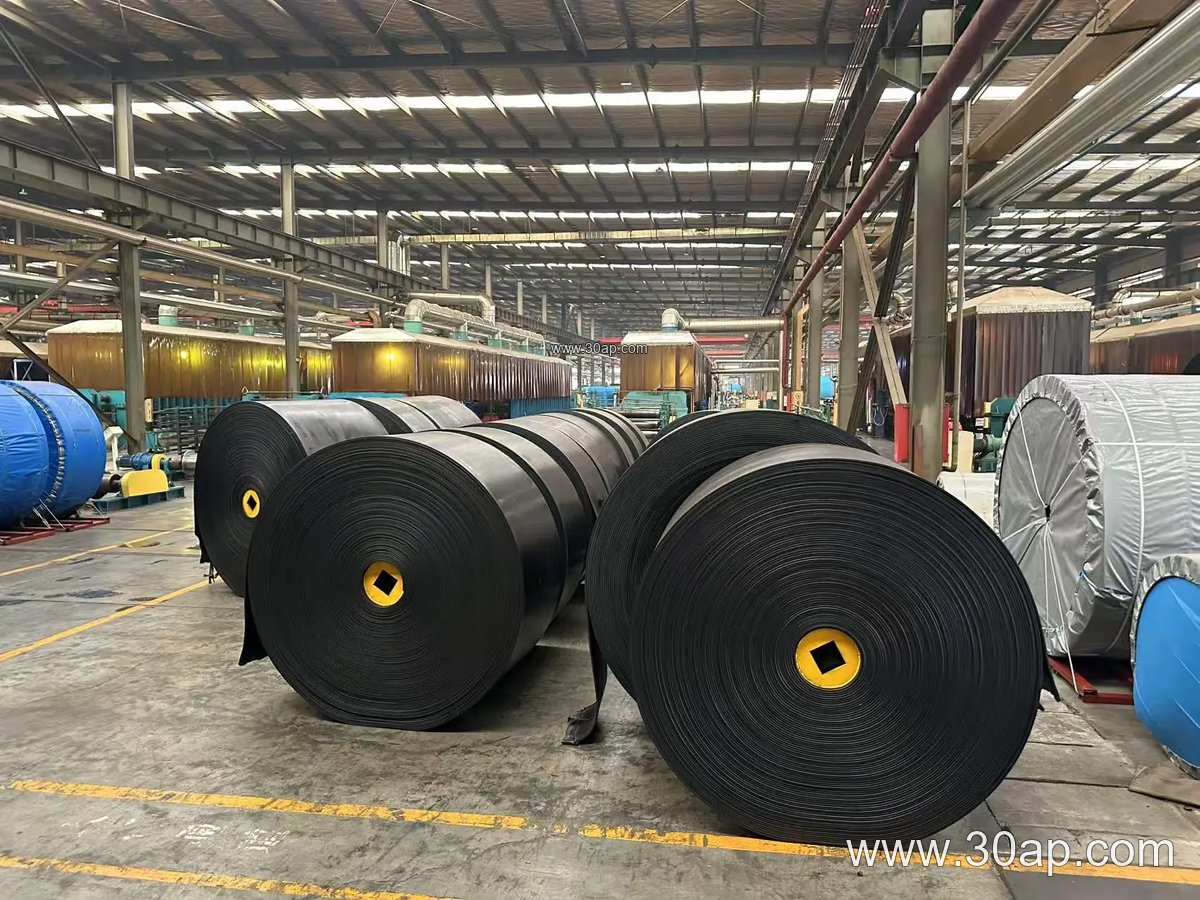
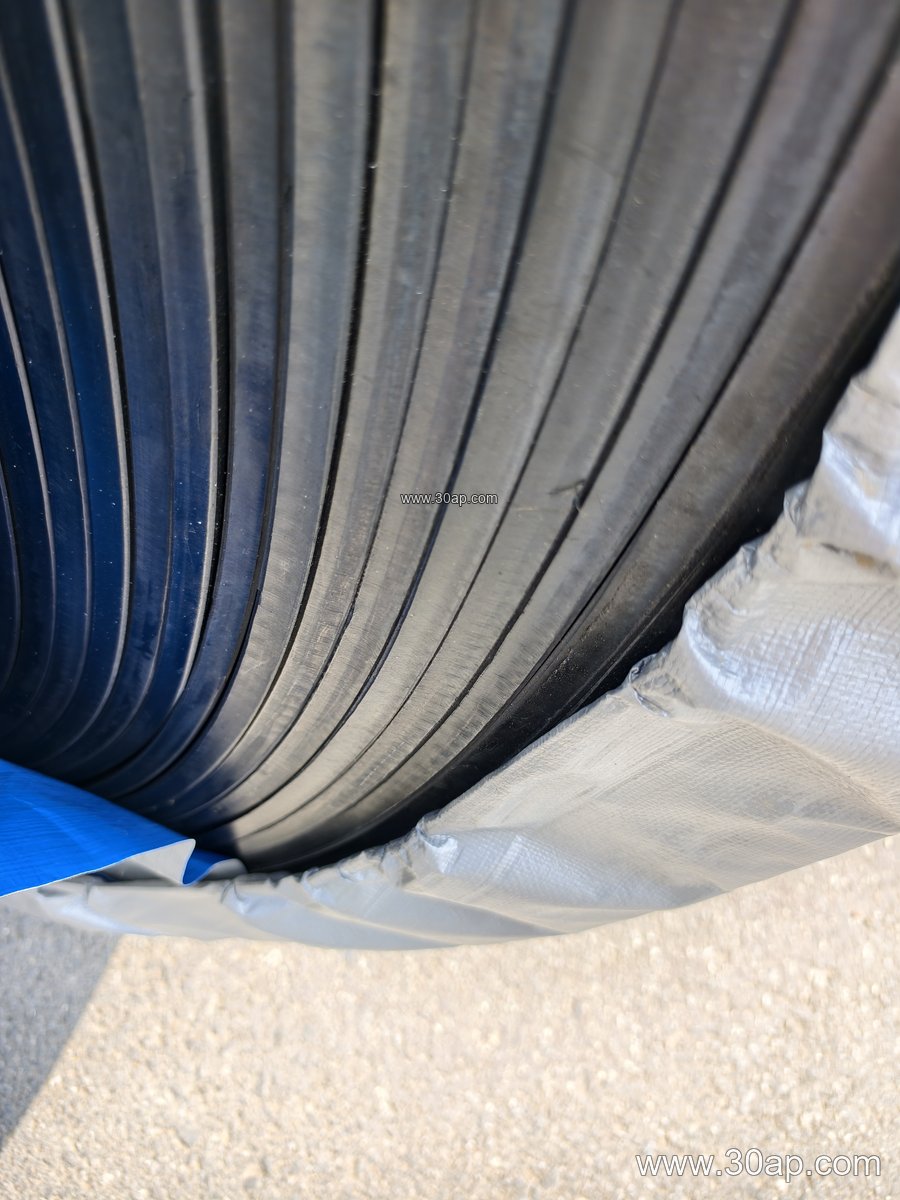
Most gold plant conveyors use a fabric core or a steel cord carcass. Fabric core belts are built from multiple plies of EP or NN fabric, while steel cord belts use brass-plated wires for very long runs and high tension. Cover rubber protects the carcass from cutting, gouging, and wear. A typical specification may look like the table below, but final values depend on the conveyor design, tonnage, and lump size.
Reference Data Often Used in Specifications
- Fabric types: EP Conveyor Belt, NN Conveyor Belt, Multi-Ply Fabric Core Conveyor Belt
- Strength grades: EP200, EP315, EP400, EP500, EP630, EP800, EP1000, EP1250
- Steel cord grades: ST1000, ST1250, ST1600, ST2000
- Common widths: B500, B650, B800, B1000, B1200, B1400, B1600, B1800, B2000
- Cover thickness examples: 4+2 mm, 5+2 mm, 6+2 mm, 8+3 mm
- Carcass plies: usually 2 to 6 layers in fabric belts
For abrasive ore, an Abrasion Resistant Conveyor Belt with a thicker top cover is common. Where oil or grease is present, an Oil Resistant Conveyor Belt helps protect the rubber. In cold regions, a Cold Resistant Conveyor Belt keeps the cover flexible. Where fine gold-bearing material must be contained on an incline, a Chevron Conveyor Belt or a Corrugated Sidewall Conveyor Belt can reduce spillage. In underground development, a Flame Retardant Conveyor Belt or Fire Resistant Conveyor Belt is often requested, and an Anti-Static Conveyor Belt supports safe operation in dusty conditions.
Where It Fits in a Gold Plant
Gold flows through several conveyor stages. Run-of-mine ore from the primary crusher is often carried on a Heavy-Duty Mining Conveyor Belt toward stockpile or mill feed. Screened oversize may travel on a Crusher Conveyor Belt back to the crusher. Fines and concentrate can move on a smaller Bulk Material Conveyor Belt. In alluvial operations, a Quarry Conveyor Belt or Aggregate Conveyor Belt may handle washed gravel and sand. The same plant can also include a Cement Conveyor Belt or Power Plant Conveyor Belt in adjacent facilities, but the gold circuit itself needs covers that resist sharp rock and wet slurry.
Equipment Around the Belt
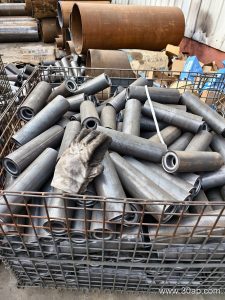
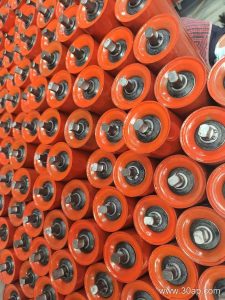
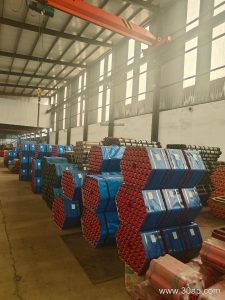
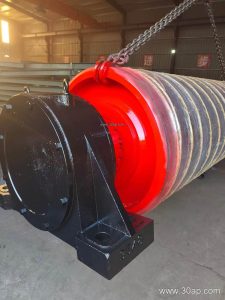
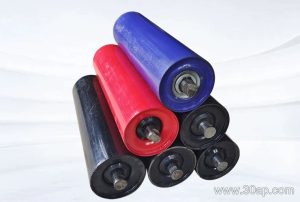
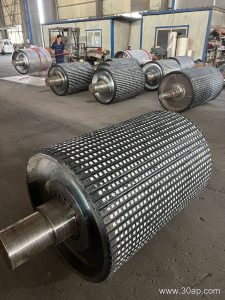
The belt does not work alone. A conveyor pulley at the head drives the belt, a tail pulley returns it, and bend pulleys guide the path. The idler roller supports the loaded strand, while the conveyor bracket holds idlers and pulleys in alignment. A worn pulley or misaligned bracket can damage even a high-quality belt, so alignment and tension should be checked regularly.
Selection Points for Buyers
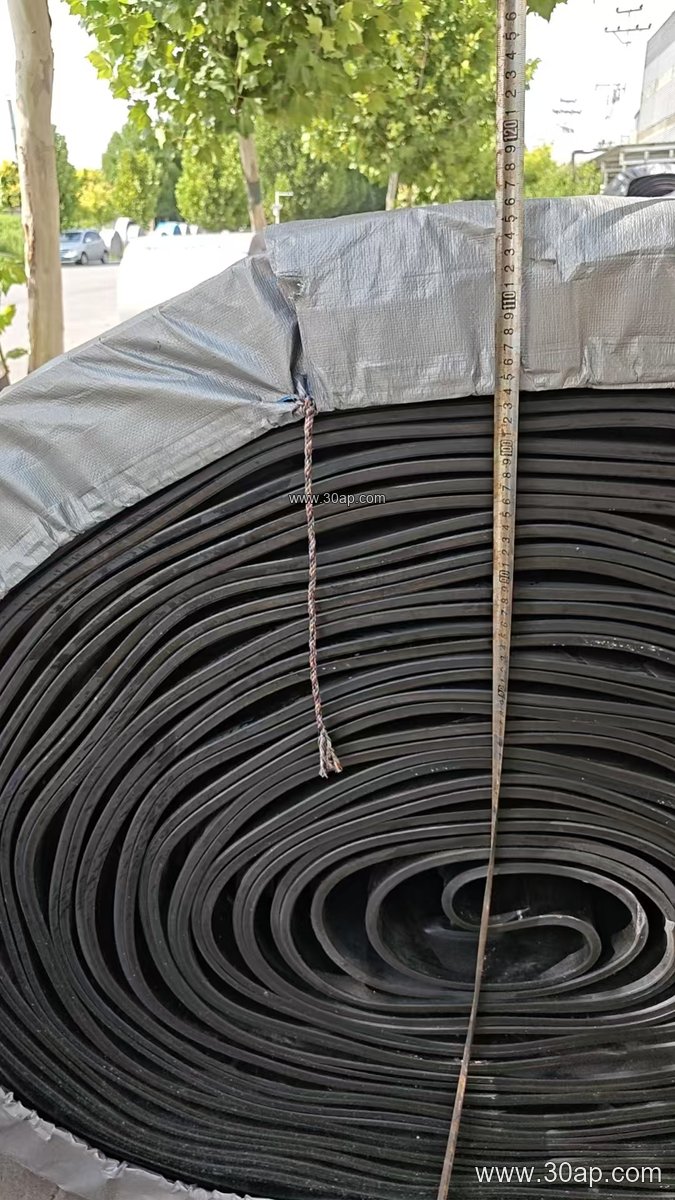
Start with the material: lump size, moisture, temperature, and abrasiveness. Then confirm the required tensile grade, belt width, and cover thickness. A 1200mm Wide Conveyor Belt and an 1800mm Wide Conveyor Belt may both appear in a gold project, but they suit different tonnages and pulley sizes. Do not assume one belt width matches one pulley diameter; the pulley is sized from belt tension, wrap angle, and shaft load. Ask for the carcass type, cover grade, and splice method in writing. For long overland runs, a Steel Cord Conveyor Belt or High Strength Conveyor Belt may be justified. For short transfers, an EP Conveyor Belt or NN Conveyor Belt is often sufficient. A reputable supplier can also discuss rubber conveyor belt cover compounds, edge protection, and whether an Endless Conveyor Belt is preferred to reduce splice failure.
Maintenance and Operating Notes
Keep the belt tracking straight, clean spillage from return idlers, and inspect the conveyor pulley lagging for wear. Check that the conveyor bracket bolts remain tight after heavy ore surges. Replace worn idlers before they cut the cover. Store spare belting away from sunlight and oil. During shutdowns, look for edge damage, cover gouges, and exposed fabric. Small repairs early can prevent a full belt replacement later.