What a Rock Conveyor Belt Is
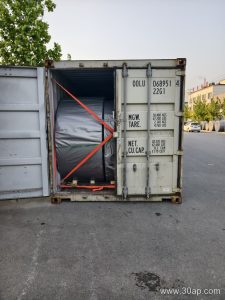
A rock conveyor belt is a heavy-duty rubber belt engineered to move crushed stone, ore, gravel, and other abrasive bulk materials across long distances in mines, quarries, cement plants, power stations, and aggregate yards. Unlike general-purpose belting, this product is built with a robust carcass and a thick, wear-resistant cover to withstand sharp edges, impact loading, and constant flexing around pulleys. When sourced from a trusted supplier such as http://www.beltconveyorpro.com/rock-conveyor-belt, the belt becomes the backbone of a reliable haulage system.
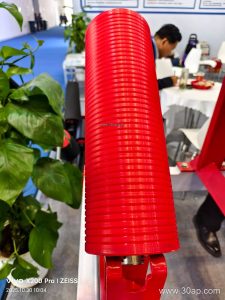
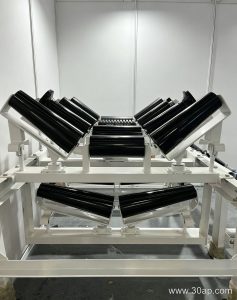
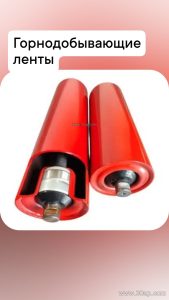
In practice, the term covers several constructions, including EP conveyor belt, NN conveyor belt, and steel cord conveyor belt, each selected according to the duty and the material being carried. The belt works together with idler rollers, conveyor pulleys, and conveyor brackets to form a complete conveying line.
Construction and Key Components
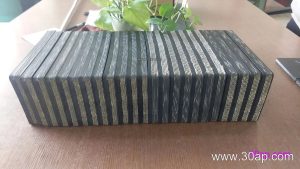
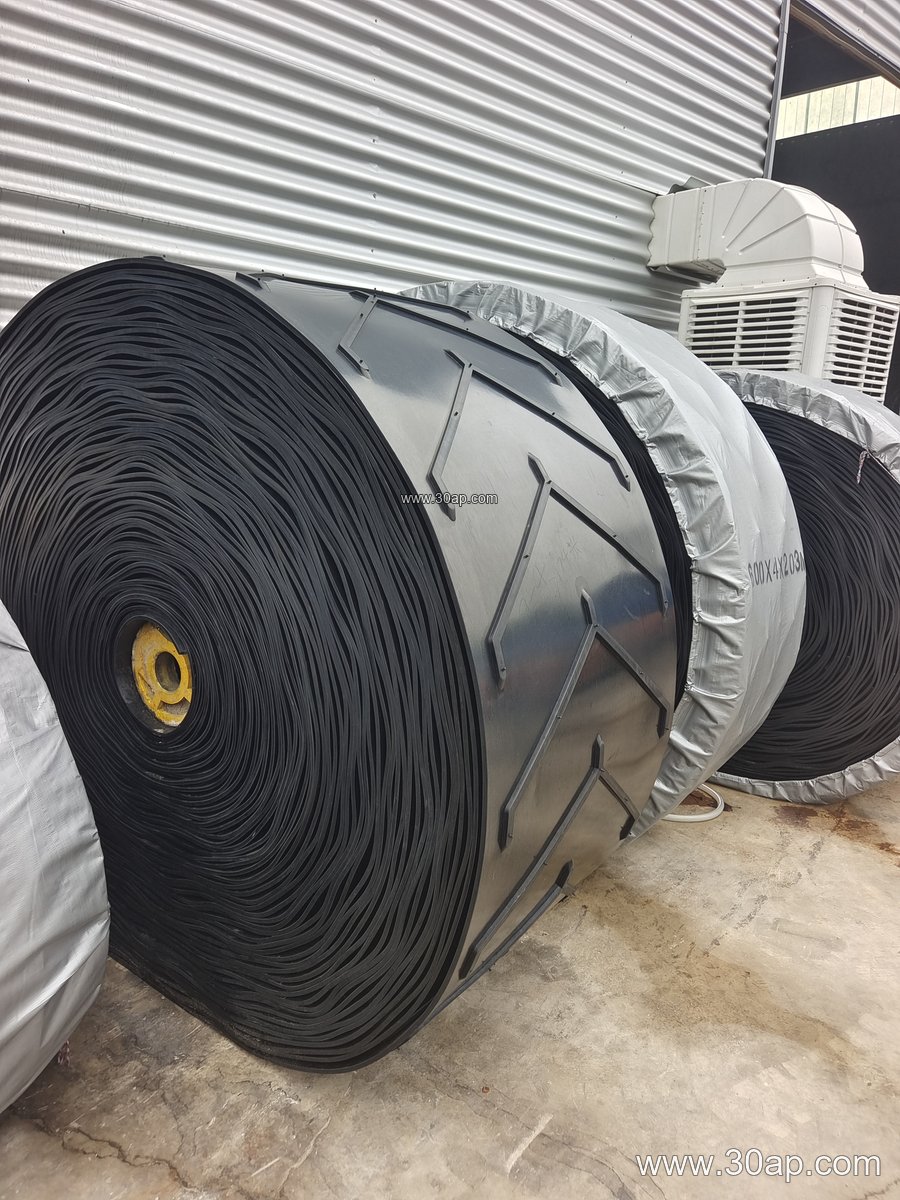
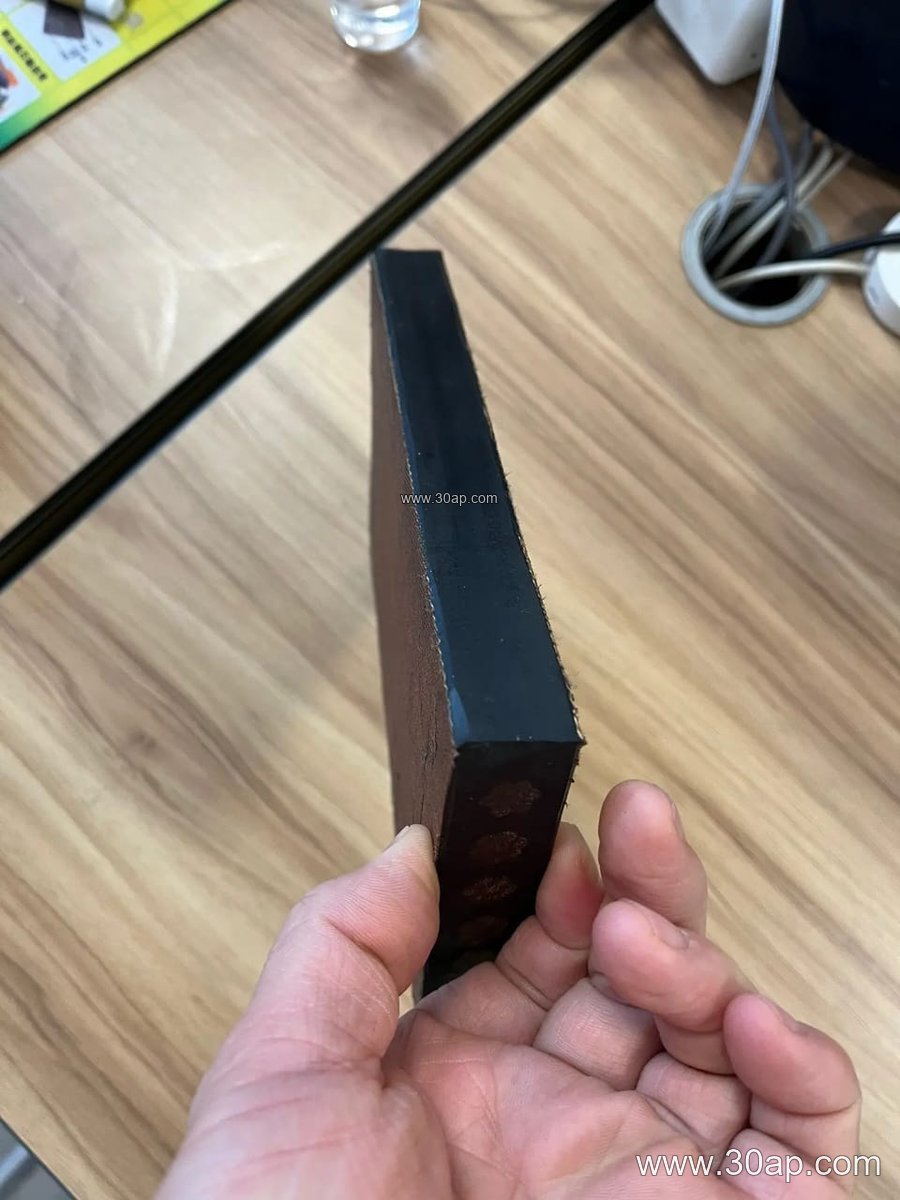
A typical rock conveyor belt comprises three main elements: the carcass, the top cover, and the bottom cover. The carcass provides tensile strength and resistance to elongation. For most quarry and mining duties, a multi-ply fabric core conveyor belt using EP or NN fabric is common, while very high-tonnage operations may specify a steel cord conveyor belt.
Carcass Options
- EP conveyor belt – polyester-polyamide fabric, offering low elongation and good fatigue resistance; grades such as EP200, EP400, EP630, EP1000, and EP1600 are frequently referenced.
- NN conveyor belt – nylon-nylon fabric, known for high flexibility and impact absorption.
- Steel cord conveyor belt – used for long overland lines and high tension; ST1000, ST1600, and ST2500 are illustrative designations.
Cover Compounds
The cover grade determines how well the belt handles the environment. Common options include abrasion resistant conveyor belt for sharp rock, heat resistant conveyor belt for cement clinker or sinter, flame retardant conveyor belt and fire resistant conveyor belt for coal mining, and oil resistant conveyor belt where lubricants or oily materials are present. Anti-static conveyor belt is also available for applications where static build-up is a concern.
Surface Forms and Special Designs
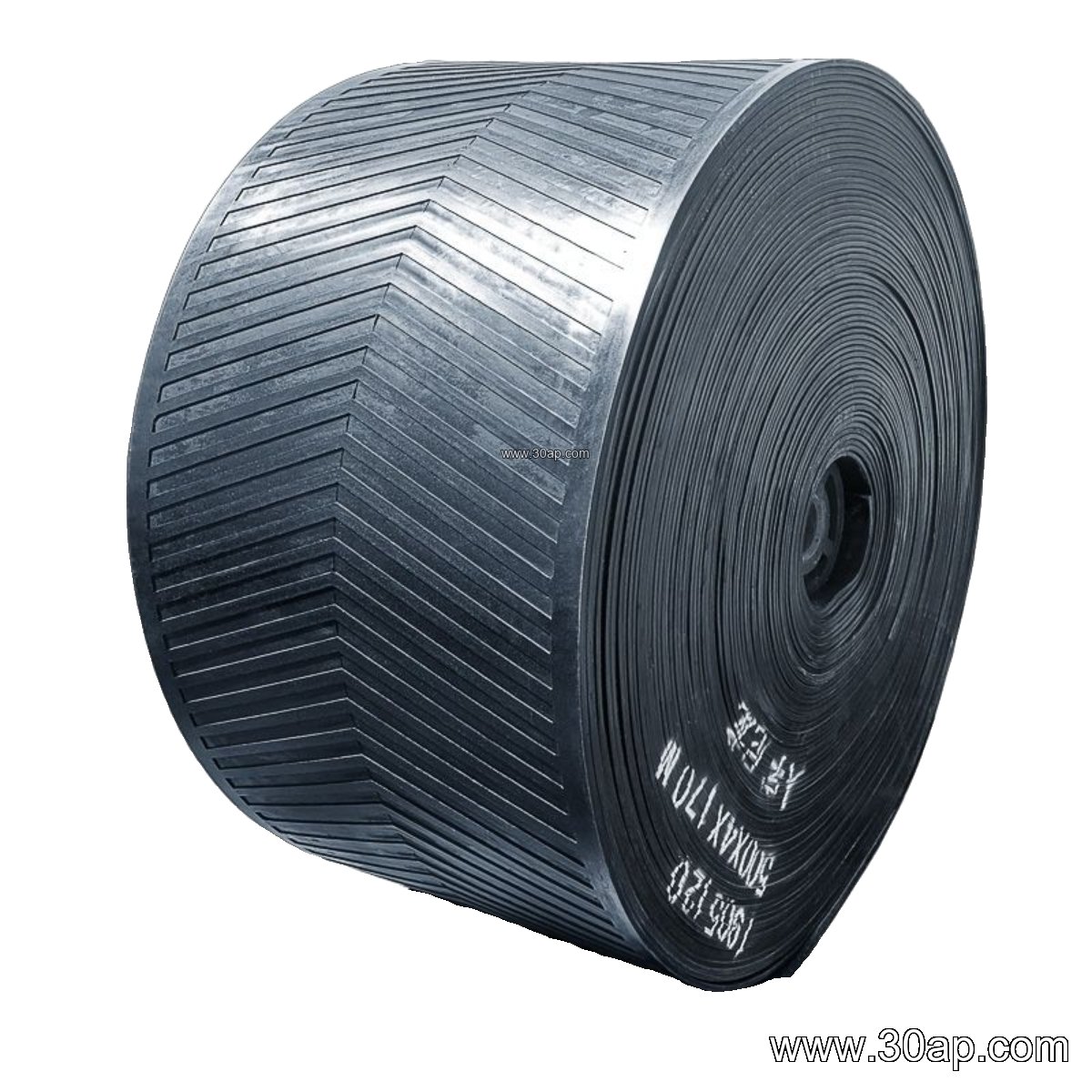
For inclined haulage, a chevron conveyor belt with a raised profile helps prevent material roll-back. Where spillage must be controlled, a corrugated sidewall conveyor belt or skirted conveyor belt keeps the load contained. In space-restricted plants, a pipe conveyor belt can enclose the material completely.
Typical Specifications
Belt width and cover thickness are selected to match the conveyor design and the lump size of the rock. The table below shows common reference values; actual requirements should be confirmed with the conveyor designer.
| Parameter | Common Reference Range |
|---|---|
| Belt width | B500, B650, B800, B1000, B1200, B1400, B1600, B1800, B2000 |
| Fabric strength grades | EP200 to EP2000; NN100 to NN400 |
| Steel cord grades | ST1000 to ST3150 |
| Cover thickness (top + bottom) | 3+1.5, 4+2, 5+2, 6+2, 8+3 mm |
| Carcass plies | 2 to 6 layers (fabric core) |
Widths such as 800mm conveyor belt and 1200mm conveyor belt are widely used in aggregate plants, while 1800mm wide conveyor belt may appear in large primary crushing circuits. Note that belt width alone does not fix pulley diameter or shaft size; those are determined by the full conveyor design.
Where Rock Conveyor Belts Are Used
The product is at home in harsh, high-volume environments:
- Mining – underground mining conveyor belt and underground coal mining conveyor belt handle coal and ore; flame retardant and anti-static grades are often specified.
- Quarries and aggregate plants – quarry conveyor belt and crusher conveyor belt move shot rock and crushed stone.
- Cement and power – cement conveyor belt and power plant conveyor belt transport limestone, clinker, and ash.
- Ports and stockyards – ship loading conveyor belt and bulk material conveyor belt systems rely on wide, heavy-duty belting.
In all these settings, the belt runs over idler rollers and conveyor pulleys, and is supported by conveyor brackets. Drive, tail, and bend pulleys each play a distinct role and are not interchangeable.
Buyer Checklist
Before ordering, gather the following information: material type and lump size, required capacity, conveyor length and incline, ambient temperature, and any special risks such as fire, oil, or static. Match the belt grade to the duty—an abrasion resistant conveyor belt for sharp granite, a heat resistant conveyor belt near kilns, or a cold resistant conveyor belt in freezing climates. Confirm cover thickness and carcass strength with the conveyor designer, and remember that a high strength conveyor belt is not automatically the best choice if flexibility or impact resistance matters more. For a broad selection of rock conveyor belt constructions, visit http://www.beltconveyorpro.com/rock-conveyor-belt.
Installation and Maintenance Notes
Correct tensioning and pulley alignment extend belt life. Inspect idler rollers for seizure and check conveyor pulleys for build-up. Keep the belt cleaner adjusted to prevent carry-back. Store spare belting away from sunlight and ozone sources. When splicing, follow the manufacturer’s procedure for the specific construction—an endless conveyor belt joint made on site should be checked for squareness and tension uniformity.
For further technical guidance on matching belt width, cover grade, and carcass type to your application, see http://www.beltconveyorpro.com/rock-conveyor-belt.