What a Vertical Idler Bracket Does
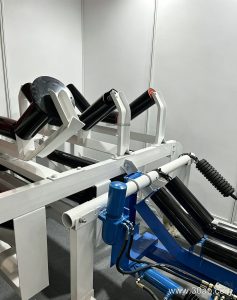
A vertical idler bracket is the mounting component that holds a conveyor idler roller in a vertical or near-vertical orientation on the return side of a belt conveyor. Rather than forming a trough, it supports the belt from the edges or from a single point, guiding the return strand and helping keep the belt tracking straight. In a belt conveyor structure, this small frame often does more work than its size suggests: it controls belt sag, limits side drift, and protects the belt edge from rubbing against steel.
The part is also called a vertical return idler bracket or a vertical roller bracket. These names describe the same product. It should not be confused with a troughing bracket, an impact bracket, or a self-aligning bracket, which serve different positions in the conveyor frame.
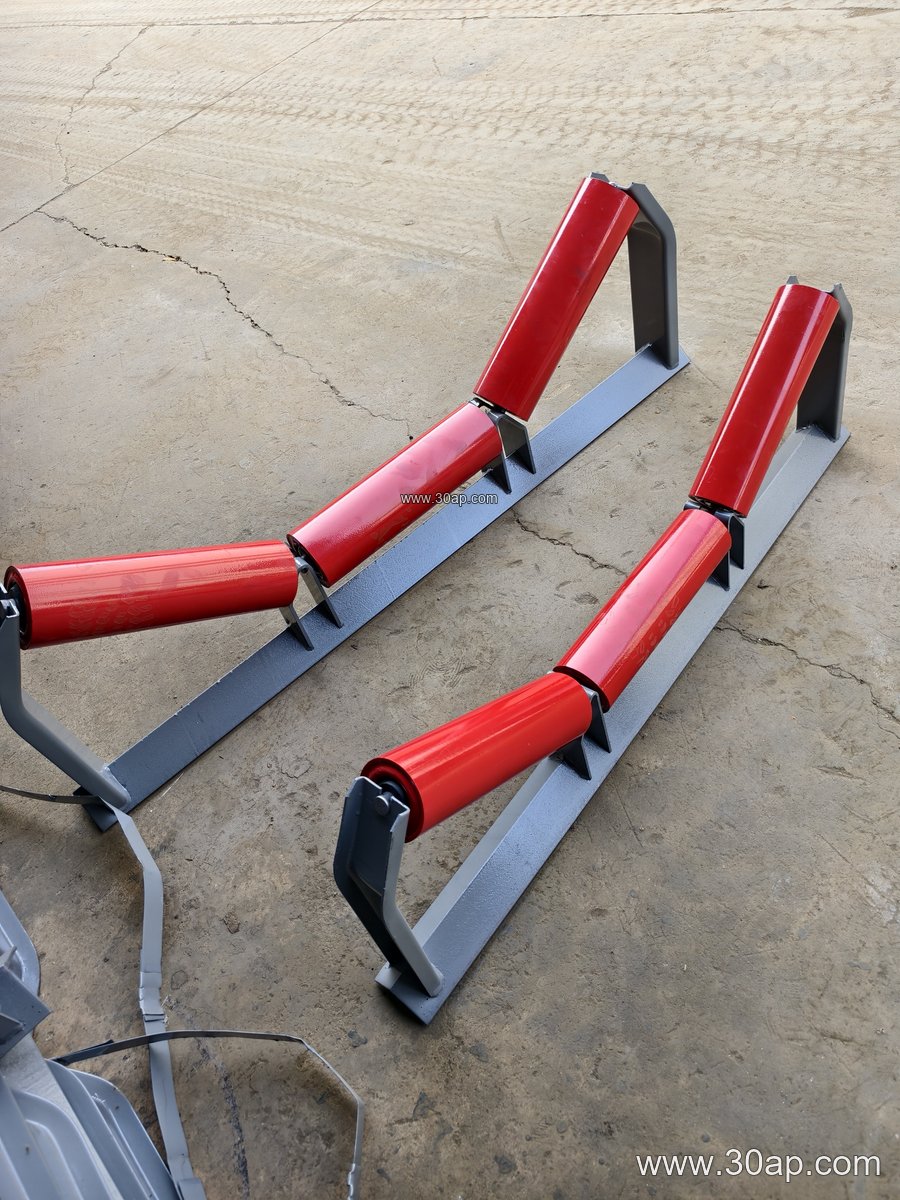
Construction and Mounting
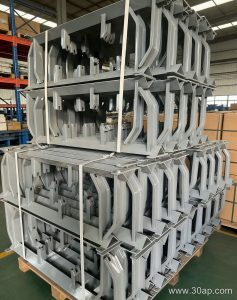
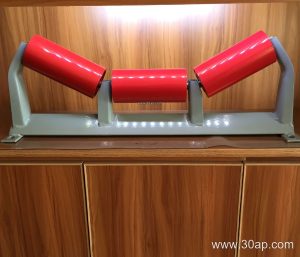
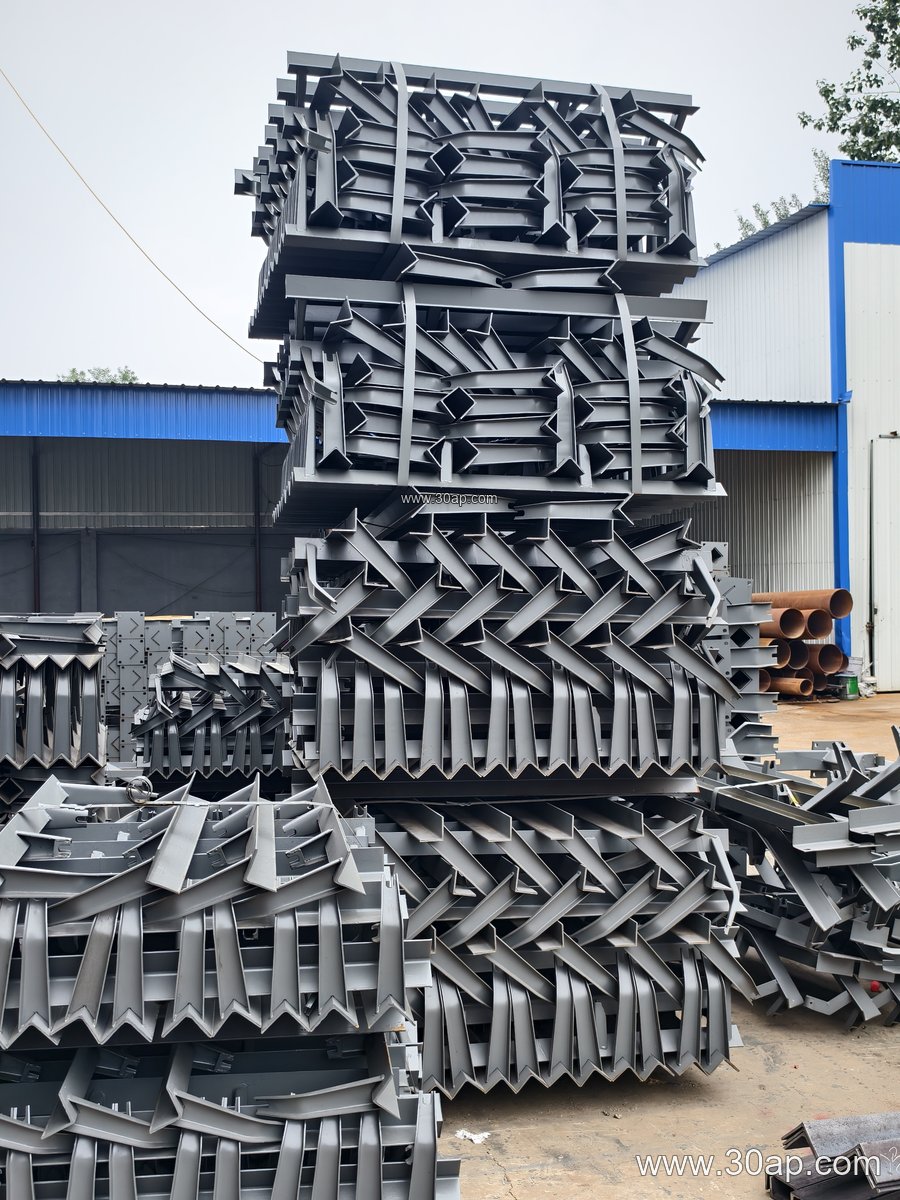
Most units are fabricated from angle steel, channel steel, or folded steel plate, then drilled for the idler shaft and bolted to the conveyor stringer. A typical bracket carries one roller, but paired designs are common on wider belts. The mounting hole spacing and crossbeam length are determined by belt width, bracket type, and the installation angle, so they are not fixed numbers.
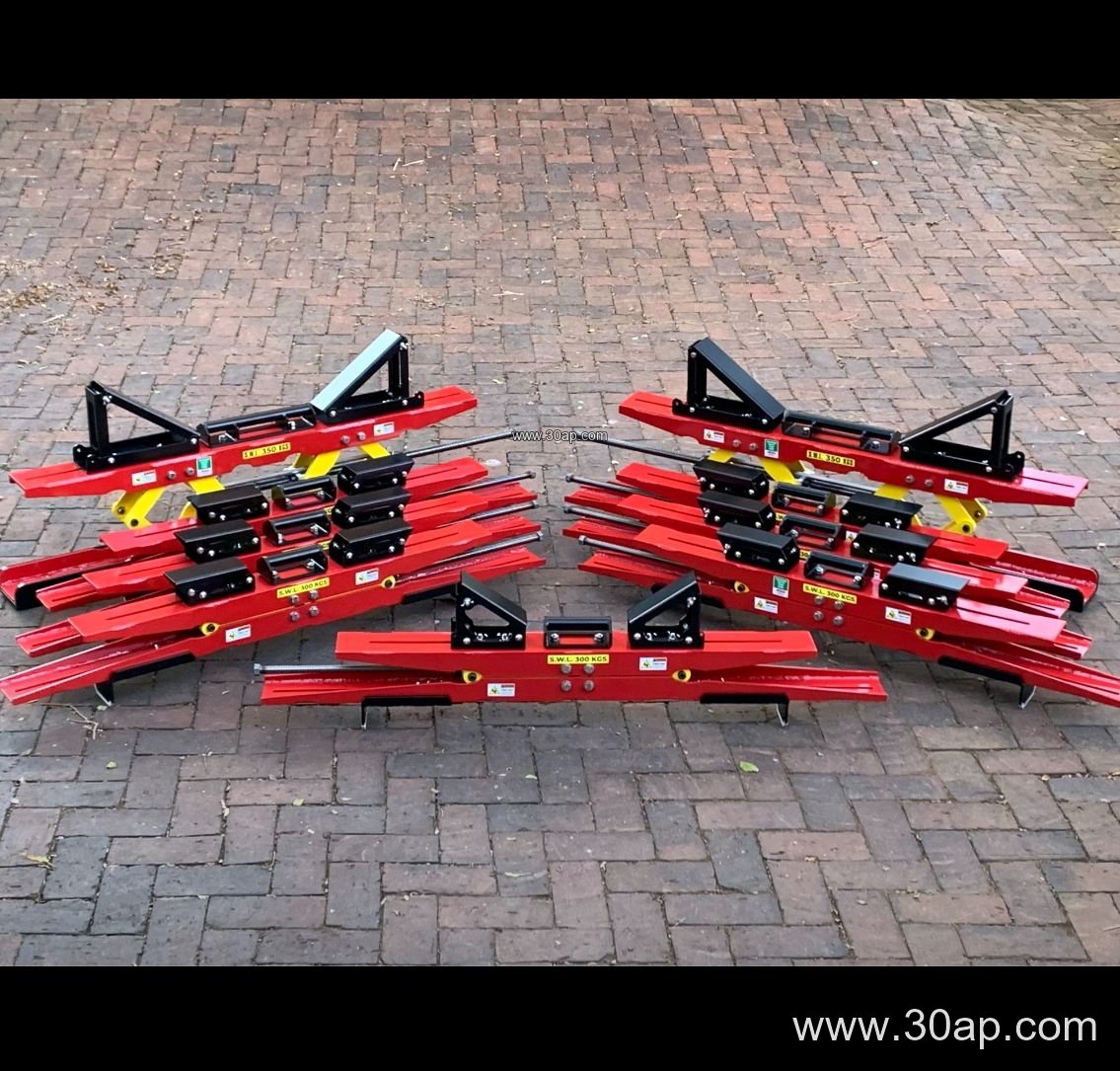
- Material: angle steel, channel steel, or bent plate
- Finish: painted or galvanized, depending on the site environment
- Mounting: bolted to the stringer, sometimes with slotted holes for adjustment
- Roller fit: matched to shaft diameter and bearing housing
Adjustable versions allow the roller angle to be changed on site, which is useful when a conveyor is commissioned or when belt tracking needs correction after a belt change.
Where It Fits in a Conveyor
The vertical bracket is usually found on the return strand, often near the tail area or before a bend pulley, where the belt must be kept flat and centered. In a quarry or aggregate line, it may sit close to a crusher discharge where the belt is loaded heavily. In a coal handling plant or a power plant coal yard, it helps keep the return belt clear of the structure. In a cement plant or a limestone stockpile line, dust and fines make roller alignment more critical, and a sturdy bracket reduces the chance of the roller working loose.
The bracket works together with the conveyor belt, the idler roller, and the conveyor pulley. A misaligned bracket can cause edge wear on an EP conveyor belt or a steel cord conveyor belt, while a correctly set one lets an abrasion resistant conveyor belt run longer without edge damage.
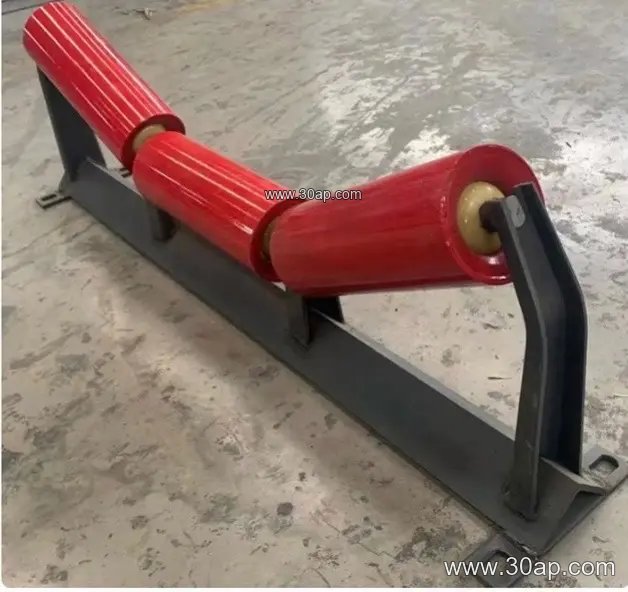
Choosing the Right Bracket
Selection starts with the belt width and the roller diameter, then moves to the mounting position and the required adjustment range. The table below shows typical combinations seen in the field; they are references, not fixed rules.
| Belt Width | Typical Roller Diameter | Common Bracket Note |
|---|---|---|
| B500 | Ø89 | Light duty, single roller |
| B650 | Ø89 / Ø108 | Fixed or adjustable |
| B800 | Ø108 | Common in aggregate lines |
| B1000 | Ø108 / Ø133 | Adjustable version preferred |
| B1200 | Ø133 | Paired rollers often used |
| B1400 | Ø133 / Ø159 | Heavy return strand |
| B1600 | Ø159 | Mining and port duty |
| B1800 | Ø159 / Ø194 | Wide belt, reinforced frame |
| B2000 and above | Ø194 | Engineered per application |
A bracket for a 1000mm wide conveyor belt is not automatically the same as one for a 1200mm wide conveyor belt, and shaft diameter is set by the roller design, not by belt width alone. Buyers should confirm hole spacing, roller shaft size, and mounting height with the conveyor drawing.
Buyer Checklist
- Confirm belt width and roller diameter before ordering.
- Check whether the frame is fixed or adjustable.
- Match the bracket material to the site: dusty, wet, or corrosive.
- Ask for the mounting hole pattern and crossbeam length.
- Verify compatibility with the existing idler roller bearing housing.
- For underground coal mining conveyor belts, confirm flame retardant and anti-static requirements with the belt supplier.
On high-tonnage systems carrying iron ore or copper ore, a heavier bracket may be worth the extra cost. On a short transfer in a sand making plant, a standard folded plate unit is often enough.
Maintenance Notes
Inspect the bracket bolts at each scheduled shutdown. Loose bolts let the roller tilt, and a tilted roller can train the belt off center within a few shifts. Check for bent arms after a belt jam or a large lump passing the transfer point. Replace cracked welds rather than straightening them. Keeping the bracket square and the roller free to turn will extend the life of the belt and reduce downtime in the plant.