What a Belt Conveyor Bracket Does on the Line
A belt conveyor bracket is the steel support that holds idler rollers at the correct position and angle beneath or above the conveyor belt. It is a small component compared with the drive head, but it decides how evenly the belt sits, how freely the rollers turn, and how much spillage or misalignment the operator has to deal with. In a quarry, a coal handling plant, or a cement kiln feed line, the bracket is usually the first part inspected when a belt starts to wander or a roller begins to seize.
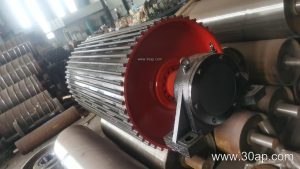
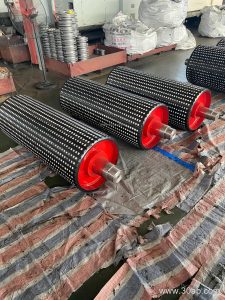
The item is also called a conveyor bracket or idler bracket, and those names describe the same product. It should not be confused with a conveyor pulley or a drum: pulleys drive, redirect, or tension the belt, while brackets only carry and position the rollers. A belt conveyor bracket is a structural part, not a rotating part.
How the Bracket Is Built
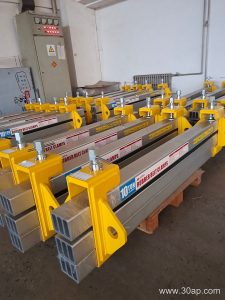
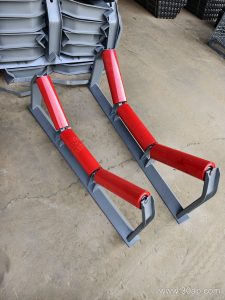
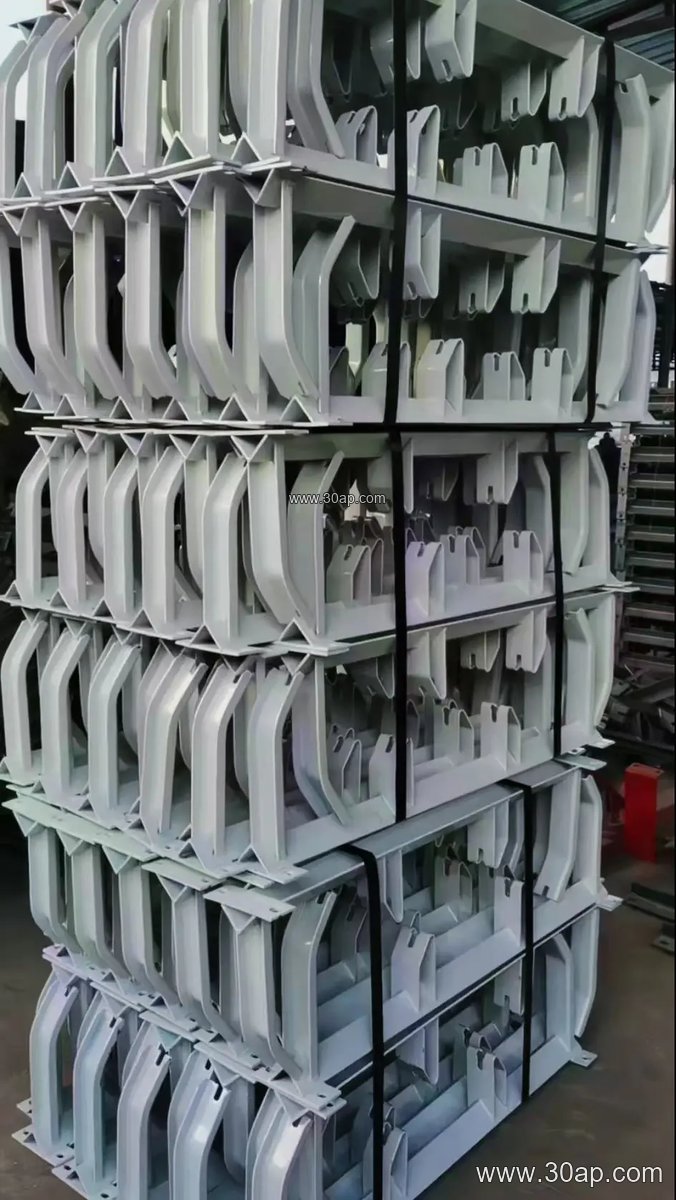
Most brackets are fabricated from angle steel, channel steel, or folded steel plate. The frame is welded into a shape that matches the trough angle and the number of rollers required. Typical forms include a three-roll trough bracket for the carrying side, a flat return bracket under the belt, a V-shaped return bracket, and impact or transition brackets near loading points. Adjustable brackets allow the trough angle to be set between common values such as 20, 30, 35, and 45 degrees.
Mounting holes and crossbeam length are not fixed numbers. They change with belt width, trough angle, and roller diameter, so the bracket should always be ordered against the actual conveyor drawing. A bracket drilled for one frame will not automatically fit another, even when the belt width looks similar.
Matching Bracket, Belt, and Roller
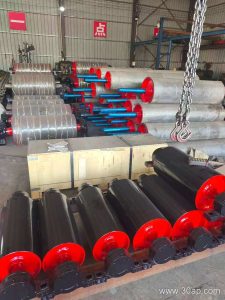
The bracket has to agree with the conveyor belt width and the roller diameter. Common belt widths run from B500 and B650 up to B1800 and B2000, while roller diameters typically include Ø89, Ø108, Ø133, Ø159, and Ø194. A 800 mm belt with a 35 degree trough and Ø108 rollers is a common combination, but it is not the only correct one. A wider 1200 mm belt with 45 degree troughing and Ø133 rollers may suit a high-capacity ore or coal line, and the bracket design should follow the engineering drawing rather than a rule of thumb.
One belt width can work with more than one roller diameter and more than one trough angle. The right choice depends on capacity, material lump size, belt speed, and the load the frame must carry. Buyers should provide belt width, roller diameter, trough angle, and mounting dimensions when requesting a quote.
Where the Bracket Is Used
Belt conveyor brackets appear wherever a belt has to be supported over a long distance. In a limestone quarry or sand and gravel line, trough brackets carry the belt through the crushing and screening section, while impact brackets sit under the loading point. In a power plant coal yard, flame retardant and anti-static belt grades are common, and the brackets must be spaced to keep the belt stable through transfer towers. In a cement plant, heat resistant belt sections near clinker handling need brackets that hold alignment without trapping fines.
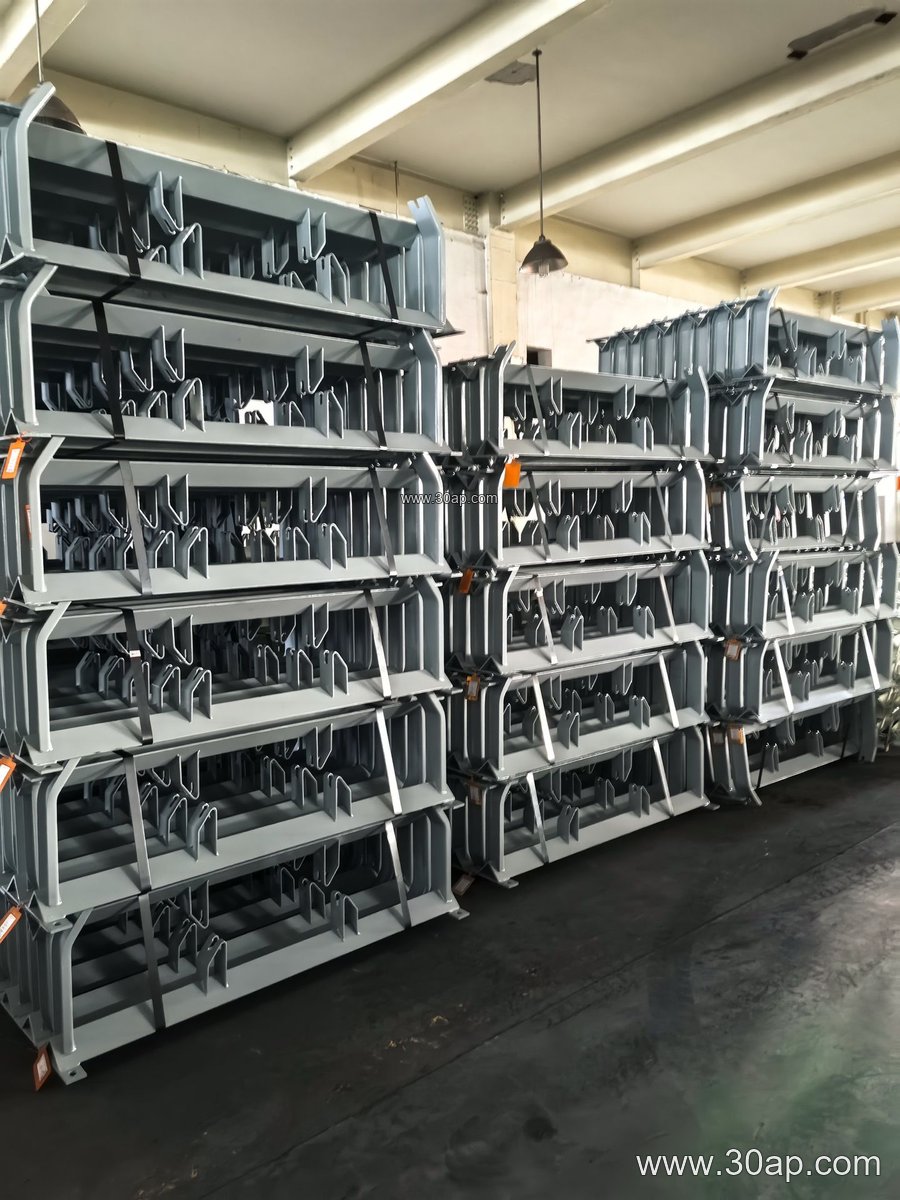
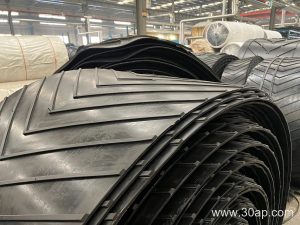
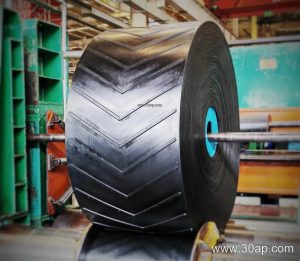
Underground coal mining conveyors and iron ore plants use the same principle, though frames are often heavier because the belt carries dense, abrasive material. A heavy-duty mining conveyor belt paired with strong trough brackets and well-spaced idler rollers will run longer between stoppages.
Fixed and Adjustable Brackets
A fixed bracket is welded or bolted to one set trough angle. It is simple, rigid, and common on standard conveyors. An adjustable bracket lets maintenance staff change the trough angle within a range, which helps when a belt is upgraded or when material flow changes. Adjustable frames are useful on conveyors that handle more than one product, but they need regular checking because bolts can loosen under vibration.
Self-aligning and forward-tilted brackets are separate designs used to correct belt tracking. They should not be treated as substitutes for a standard trough bracket; each has its own job on the conveyor.
What Buyers Should Check Before Ordering
- Belt width and the required trough angle, confirmed against the conveyor layout.
- Roller diameter and the bracket hole spacing that matches it.
- Material and finish, especially for wet, dusty, or corrosive sites.
- Whether the frame is fixed or adjustable, and the range of adjustment.
- Spacing along the conveyor and the load at transfer points.
For a full conveyor package, the bracket should be selected together with the conveyor belt, idler roller, and conveyor pulley so that all parts fit the same frame. A small mismatch at the bracket can cost more downtime than the part itself. Visit conveyoridlerpro.com for related conveyor components and belt conveyor bracket options.