What the Ø89 Conveyor Idler Is
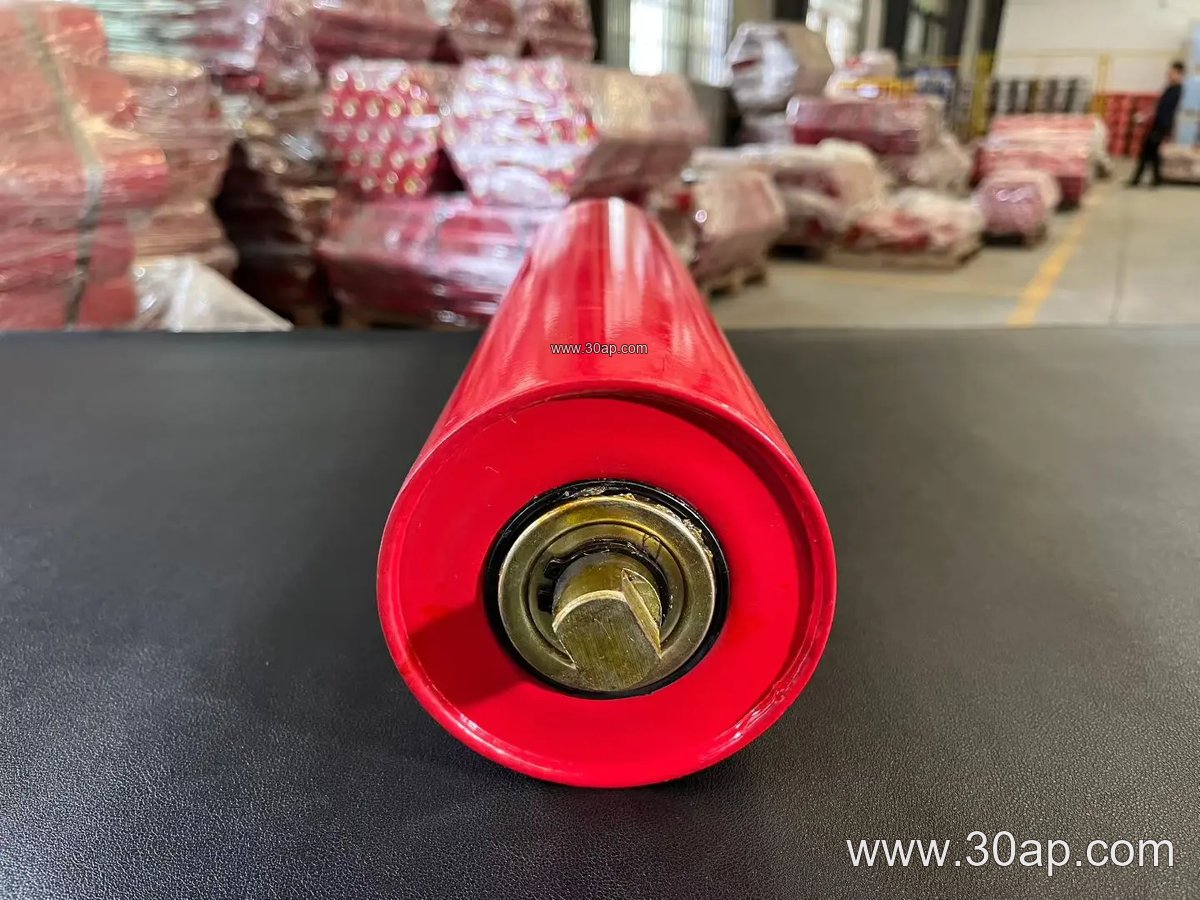
A Ø89 conveyor idler is a carrying or return roller with an 89 mm outside roller diameter, built to support a moving conveyor belt along the length of a conveyor frame. In many plants it is simply called an 89 mm idler roller or Ø89 carrying roller, and the number refers to the roller shell diameter rather than the shaft or bearing size. It sits between the smaller Ø76 and the larger Ø102 and Ø108 sizes, which makes it a practical middle choice for medium-capacity belts in industries such as sand and gravel lines, cement plants, and power plant coal handling.
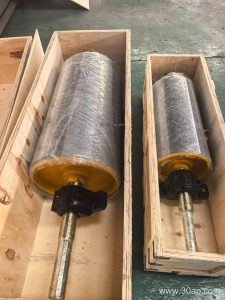
Because the diameter is moderate, the Ø89 idler can be used in troughing sets, transition positions, and return runs, depending on how the conveyor is designed. It is not a substitute for a drive pulley, tail pulley, or bend pulley; those are separate components that transmit power and change belt direction, while the idler only supports the belt.
How the Roller Is Built
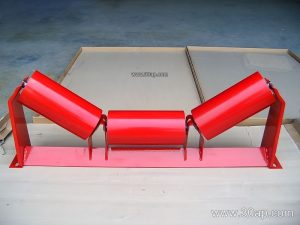
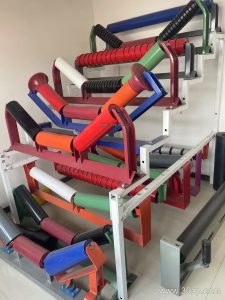
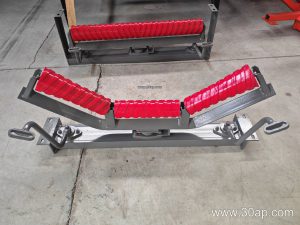
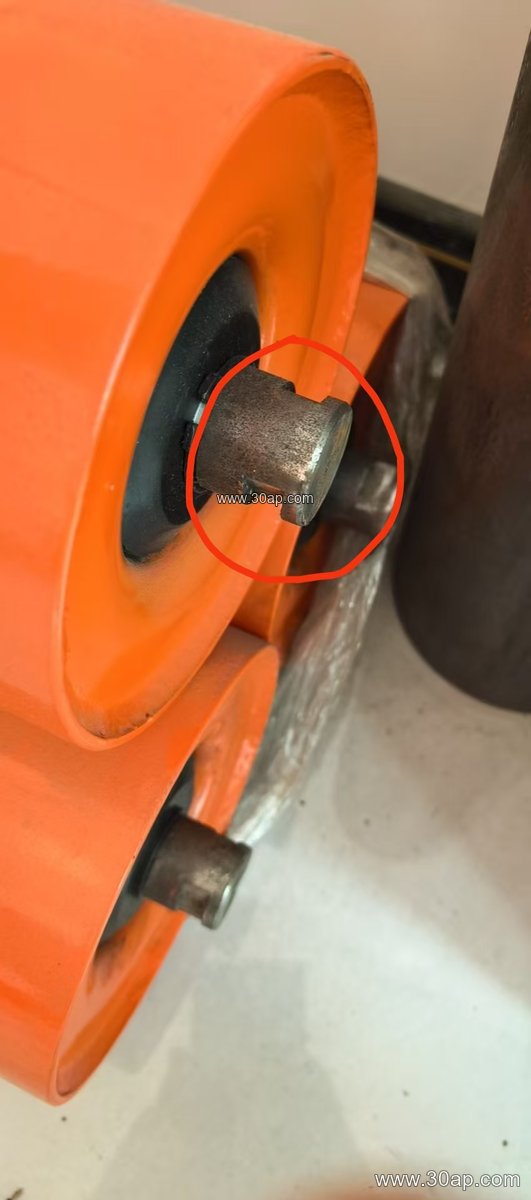
A typical Ø89 idler roller consists of a steel tube shell, a shaft, bearing housings, and a sealing arrangement. Roller surfaces may be plain steel, nylon, ceramic, or rubber rings, and the choice depends on the material being conveyed. Rubber ring impact rollers are often used under loading points, while plain steel is common on clean return runs.
Common bearing sizes used in this diameter class include 6204, 6205, and 6305, but the bearing is selected by load and speed rather than by roller diameter alone. The seal design matters as much as the bearing, particularly in dusty quarries or wet coal preparation plants where fine particles and moisture shorten roller life.
Where It Fits on the Conveyor
The Ø89 conveyor idler appears in several positions along a bulk material conveyor:
- Troughing sets with two or three rollers carrying the loaded belt
- Transition idlers near the head and tail to ease the belt from flat to troughed
- Flat or V-return idlers supporting the empty belt
- Impact sections with rubber rings below crusher discharge
- Self-aligning positions where belt tracking is a concern
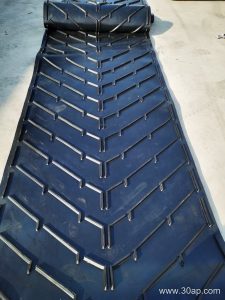
In a limestone quarry or a crushing and screening circuit, these idlers often work under an abrasion resistant conveyor belt carrying sharp rock. In a coal preparation plant, a flame retardant conveyor belt may run over the same diameter idlers, but the roller seal and surface are usually chosen for dust and moisture.
Matching Roller Length to Belt Width
The idler length is not fixed by the 89 mm diameter. It follows the belt width, trough angle, and roller arrangement. The following values are common examples, not universal specifications:
| Belt Width | Typical Roller Length (three-roll troughing) |
|---|---|
| B500 | about 200 mm |
| B650 | about 250 mm |
| B800 | about 315 mm |
| B1000 | about 380 mm |
| B1200 | about 465 mm |
| B1400 | about 530 mm |
| B1600 | about 600 mm |
Side rollers and center rollers can differ in length, and a two-roll set will not follow the same figures. Trough angles of 20, 30, 35, or 45 degrees also change the geometry, so the idler should be ordered against the actual conveyor drawing rather than a single belt width figure.
Selection Points for Buyers
When specifying a Ø89 conveyor idler, confirm the belt width, trough angle, roller length, shaft end type, and mounting bracket. The conveyor bracket and frame spacing determine how the idler seats, and a mismatch here causes poor belt tracking and premature wear. Check whether the application needs a standard steel roller, a rubber-disc impact roller, or a self-aligning design.
Also consider the belt itself. A heavy-duty mining conveyor belt or a steel cord conveyor belt may call for larger diameters and higher load ratings, while a lighter EP conveyor belt on a short aggregate line may run well on Ø89 idlers. The idler should be matched to the belt speed, load, and environment, not chosen by diameter alone.
Maintenance and Replacement
Inspect idlers for seized bearings, worn shells, and damaged seals. A roller that stops turning causes belt slip, edge wear, and increased power draw. Keep spare idlers of the same length and mounting style on hand so that a failed unit in a cement plant or port conveyor can be replaced without stopping the line for long. Record the roller diameter, length, bearing number, and surface type for each position to simplify future orders.